
What Are the Superstitions About Wedding Rehearsal? Unveiling Beliefs and Traditions
As you prepare for your big day, you may find yourself wondering about the many customs and traditions that surround weddings. A notable superstition advises brides to avoid practicing walking down the aisle. This belief stems from the idea that doing so can bring bad luck or even invite unwanted spirits into the ceremony.
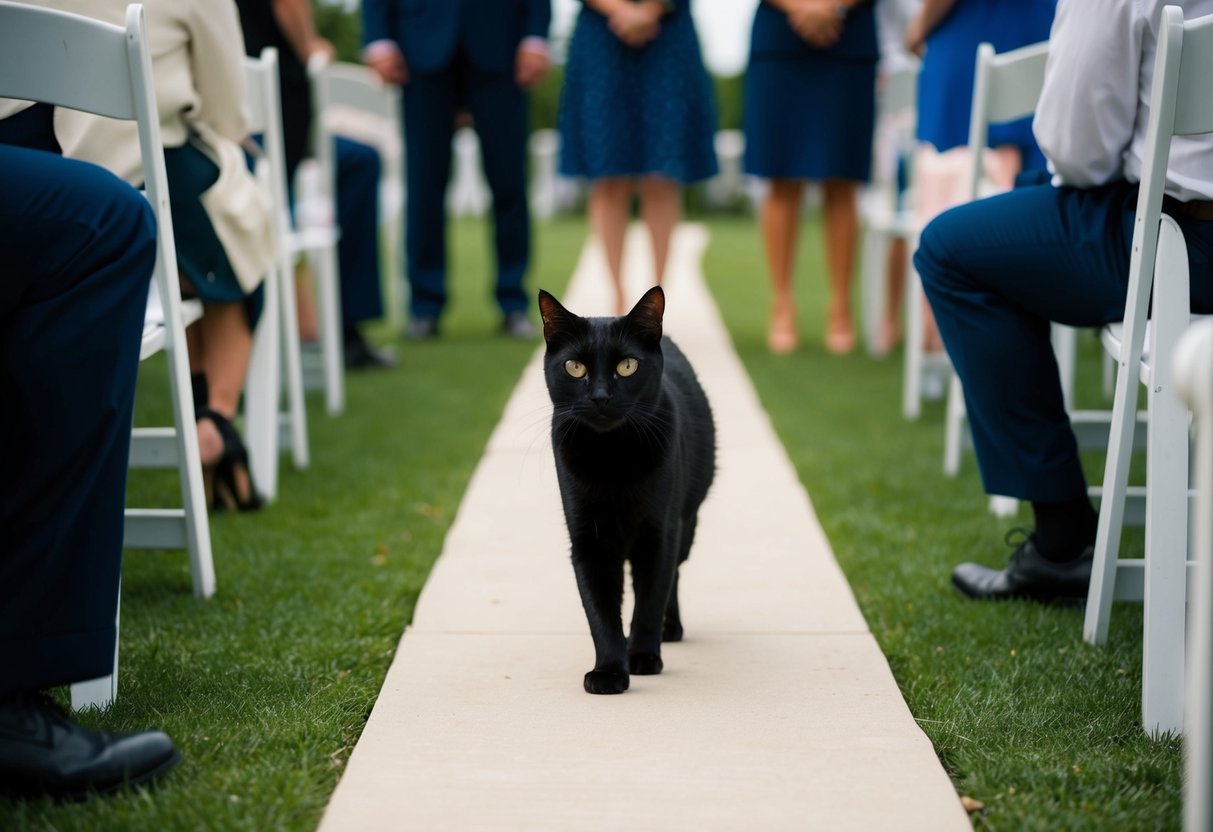
Many couples embrace various wedding superstitions and rituals to ensure their special day goes smoothly. Some customs date back generations and are deeply rooted in cultural significance. Understanding these traditions can add a unique touch to your wedding experience while helping you connect with your heritage.
Exploring the world of wedding superstitions can be both fun and enlightening. You might discover why certain practices exist and how they can impact your big day.
Origins and Meanings of Wedding Superstitions
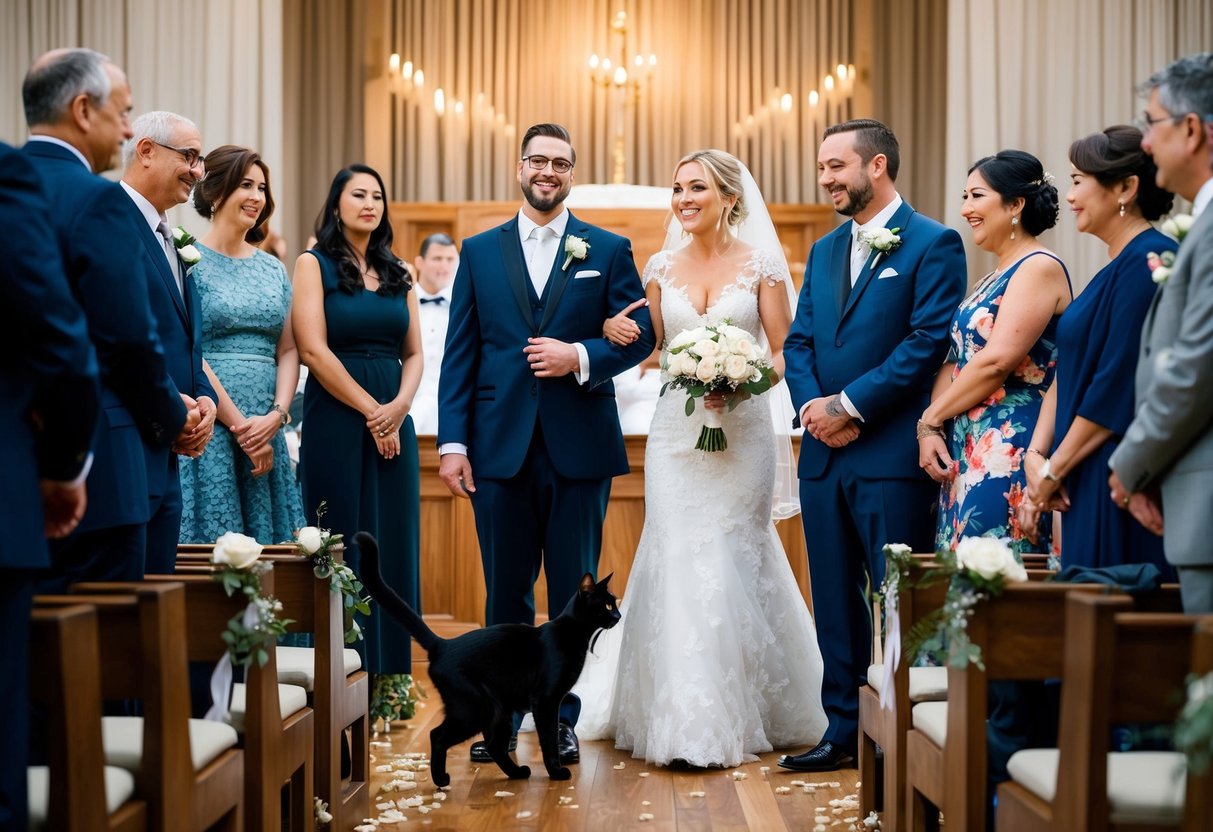
Wedding superstitions have a rich history, blending various customs and beliefs. These practices often focus on protecting the couple from bad luck and promoting good fortune.
Historical Superstitions and Customs
Many wedding superstitions date back centuries. They were often based on the belief in evil spirits that could bring bad luck. To ward off these spirits, couples engaged in rituals like scattering salt or carrying a lucky charm.
Traditions can include wearing something old, something new, something borrowed, something blue. Each item symbolizes different blessings. The old represents continuity, the new symbolizes hope, the borrowed stands for happiness, and the blue signifies fidelity.
Some customs focus on fertility and protection. For example, it was believed that wearing a wedding veil could shield the bride from evil spirits. Similarly, certain flowers were chosen for their meanings, such as fertility and love.
Significance of Wedding Attire
The choice of wedding attire carries deep symbolism. The white wedding dress represents purity and new beginnings. In many cultures, wearing white is a way to show hope for a bright future.
Wearing pearls is another interesting custom. They are often seen as symbols of wisdom and protection. By wearing pearls on your wedding day, you may invite good luck and promise a healthy marriage.
Additionally, while some couples choose not to follow superstitions, understanding their meanings can add depth to your experience. Whether or not you believe in bad luck, the traditions can create a sense of connection to your heritage.
Good Luck Charms and Acts
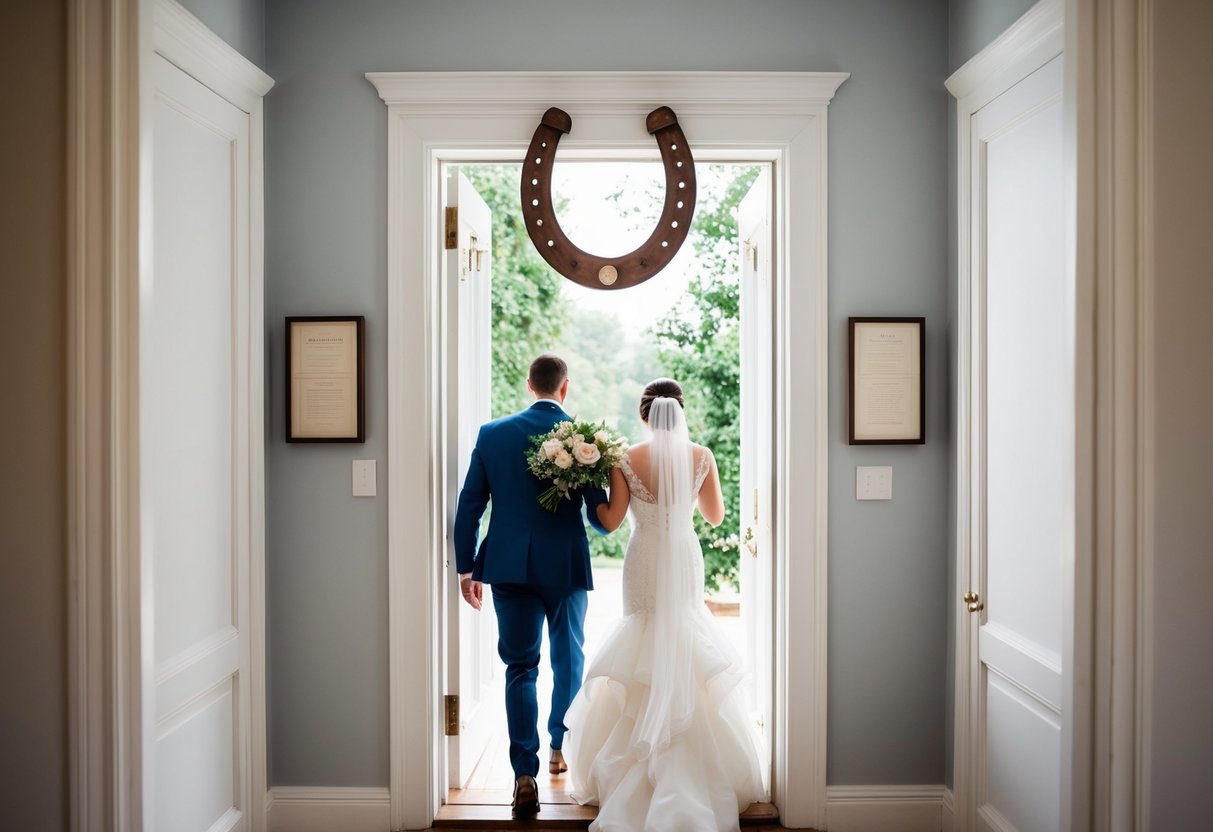
Many couples incorporate good luck charms and acts into their wedding rehearsals. These practices can be fun ways to connect with traditions and add a little luck before the big day.
Symbolic Accessories and Practices
Using symbolic items can enhance feelings of good fortune. Something borrowed is often a cherished family heirloom, like a piece of jewelry, that symbolizes both connection and luck.
Something blue is another tradition where the bride wears a blue item, representing fidelity and love. This could be as simple as a blue garter or a few blue stitches in the wedding gown.
Many couples also believe that wedding rings, exchanged during the ceremony, hold magical powers of unity. Rings should be blessed or passed through loved ones’ hands for additional positive energy.
Pre-Ceremony and Ceremony Rituals
Before the ceremony, some couples engage in a first look ritual, allowing them to share an intimate moment. This practice is believed to strengthen their bond and create positive energy for the day.
Another charming act is carrying the bride over the threshold. This tradition is thought to protect the bride from evil spirits.
Lastly, breaking glass during the ceremony can signify good luck. Often done in some cultures, the sound and pieces left symbolize the fragility and joy of marriage. Each of these acts and charms adds a special touch that can make your wedding feel even luckier.
Common Superstitious Practices
Wedding rehearsals come with unique traditions and superstitions. These practices have evolved over time and can influence how couples approach their special day. From beliefs about bad and good luck to specific rituals, understanding these can enhance your wedding experience.
Rehearsal Dinner Superstitions
At the rehearsal dinner, a few superstitions can create an atmosphere of fun while also acknowledging tradition. One common belief is that the bride should not practice walking down the aisle. Many think this can bring bad luck or even invite negative spirits.
Another superstition involves the presence of knives as gifts. It is believed that giving knives can sever relationships. As a result, if someone does receive a knife, they should offer a penny to the giver. This gesture is thought to cancel out any bad luck the gift may carry.
Wedding Day Beliefs
On your wedding day, various superstitions can significantly affect how you feel. For instance, many couples believe that seeing each other before the ceremony brings bad luck.
As a result, they choose to avoid this before the big moment.
Rain on your wedding day also carries mixed emotions. While some see it as a sign of cleansing and renewal, others view it as bad luck.
Additionally, crying on your wedding day is viewed as a way to release any tensions. It is also thought that the more you cry, the more happiness you will find in your marriage.
These superstitions add layers of meaning to your wedding and can be embraced or dismissed based on your preferences.