
What Are the Traditional Wedding Vows to Husband? A Guide to Timeless Promises
When you think about your wedding day, traditional wedding vows hold a special place in the ceremony. These vows are a powerful way to express your love and commitment to your husband. Traditional marriage vows often include promises to stand by each other “for better, for worse, for richer, for poorer, in sickness and in health.” This timeless approach to expressing your feelings can add depth to your special day.
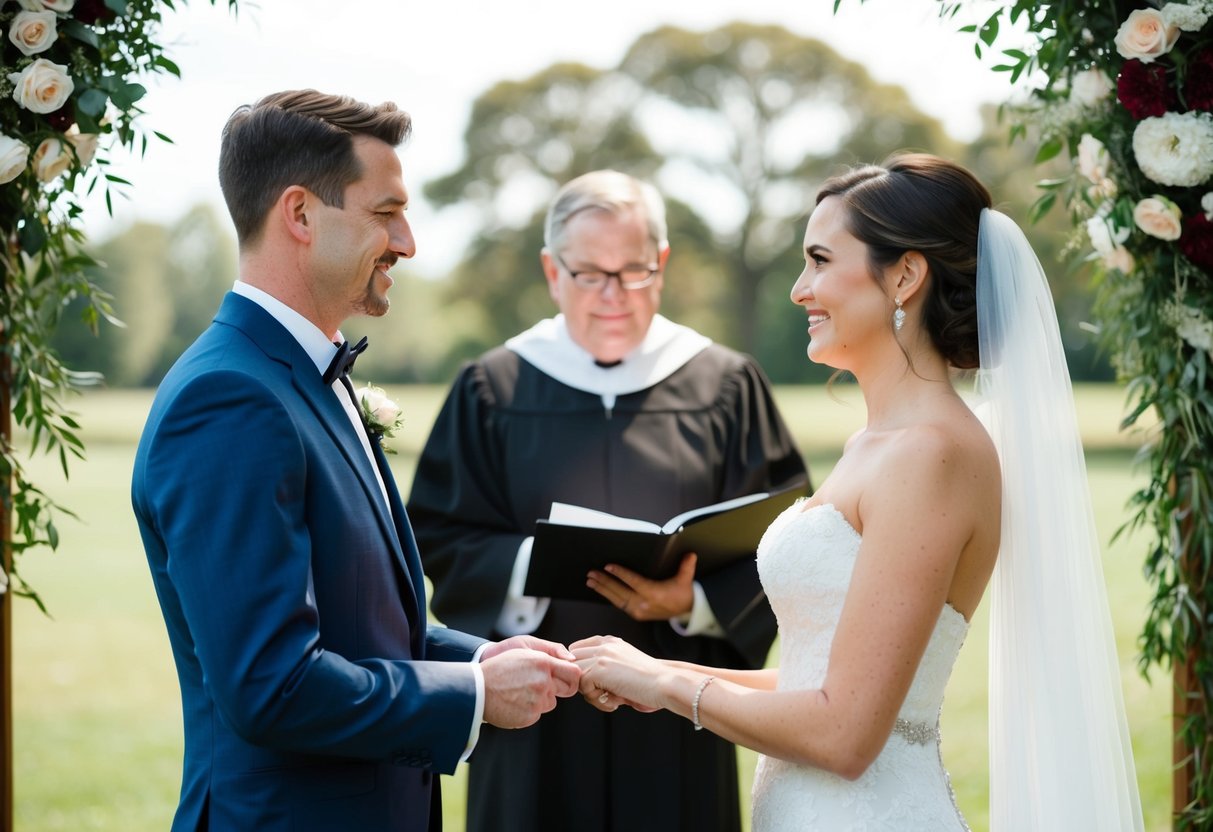
Reciting these vows during your wedding ceremony is a moment filled with emotion. It’s about making a promise that you will cherish and support each other throughout life’s journey. Each phrase reflects the bond that you are creating, and these words will resonate throughout your marriage.
If you’re wondering what to include in your vows, remember that it’s essential to personalize them. While traditional wedding vows provide a framework, you can add your own touch to capture your unique relationship. This can make your commitment feel even more meaningful as you stand together, ready to embrace the future.
Origins of Traditional Vows
Traditional wedding vows have rich histories rooted in various religious and cultural practices. These vows have evolved over time, reflecting changes in society. Understanding their origins helps you appreciate their meaning in modern ceremonies.
Religious and Cultural Roots
Many traditional wedding vows come from religious ceremonies. For example, Catholic wedding vows express commitment before God. They often include promises for love, fidelity, and support during life’s challenges. Similarly, Christian wedding vows emphasize devotion and partnership, symbolizing a lifelong bond.
Jewish wedding vows include the declaration of commitment, often using phrases from ancient texts. Hindu wedding vows, known as Saptapadi, involve seven promises made around a sacred fire, highlighting a spiritual union. In Islam, wedding vows focus on mutual respect and harmony, guided by teachings from the Quran.
Evolution Through Time
Over centuries, traditional vows have changed. In England, the Book of Common Prayer, published in 1549, was influential in shaping wedding vows used today. These vows provided a standard form for marriage ceremonies in the Anglican Church.
As societies diversified, wedding vows also adapted. Today, weddings can include vows that blend various traditions, reflecting personal beliefs and values. Couples may choose custom vows that resonate with their unique journey while still honoring their heritage. This evolution allows for more personal expression during the ceremony.
Vows in Different Faiths
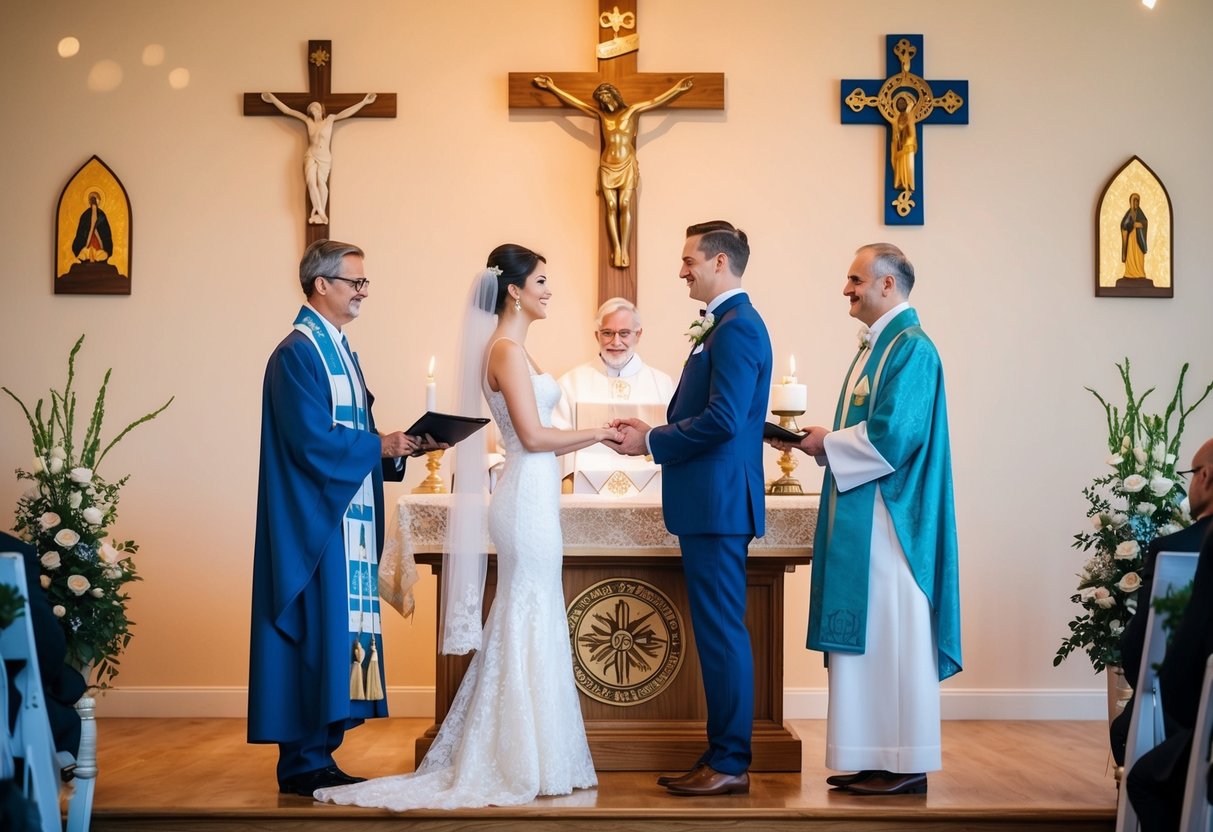
When it comes to traditional wedding vows, different faiths offer unique expressions of commitment. These vows often reflect the values and beliefs important within each religion, guiding couples in their shared journey. Below are insights into various faith traditions.
Christianity and Its Denominations
Christian wedding vows differ across denominations but generally focus on love, commitment, and faithfulness. For example, Presbyterian vows emphasize mutual support. A typical vow might state, “I take you to be my wife, by the grace of God.”
Baptist and Methodist vows commonly express a lifelong devotion: “In sickness and in health, I promise to love and cherish you.” Episcopal vows often include phrases like, “In the name of God, I, (name), take you, (name), to be my husband.”
Lutheran and Anglican vows also reflect a deep commitment to partnership. Many vows include promises to nurture and respect one another as guided by faith. Meanwhile, Quaker vows can be simpler, focusing on truth and integrity in the relationship.
Other World Religions
In many world religions, wedding vows carry significant weight. For example, in Buddhism, vows focus on mutual respect, understanding, and harmony. While specific wording can vary, a key element remains the promise to support each other’s spiritual growth.
Sikh wedding vows, known as Lavan, are recited during the Anand Karaj ceremony. These vows emphasize the importance of love and harmony, stating commitments like standing together in life’s challenges.
Pagan vows are often personal and reflect the couple’s values. They might include promises to honor the earth and one another, indicating a spiritual connection to nature.
Interfaith and Non-Denominational Vows
Interfaith ceremonies blend different traditions. Interfaith wedding vows may take elements from each partner’s faith while creating a unique expression of love. This approach often encourages respect for both traditions.
On the other hand, non-denominational wedding vows are flexible. They allow couples to craft their own promises that suit their beliefs and values. They usually focus on love, commitment, and partnership without specific religious language.
The Key Elements of Traditional Vows
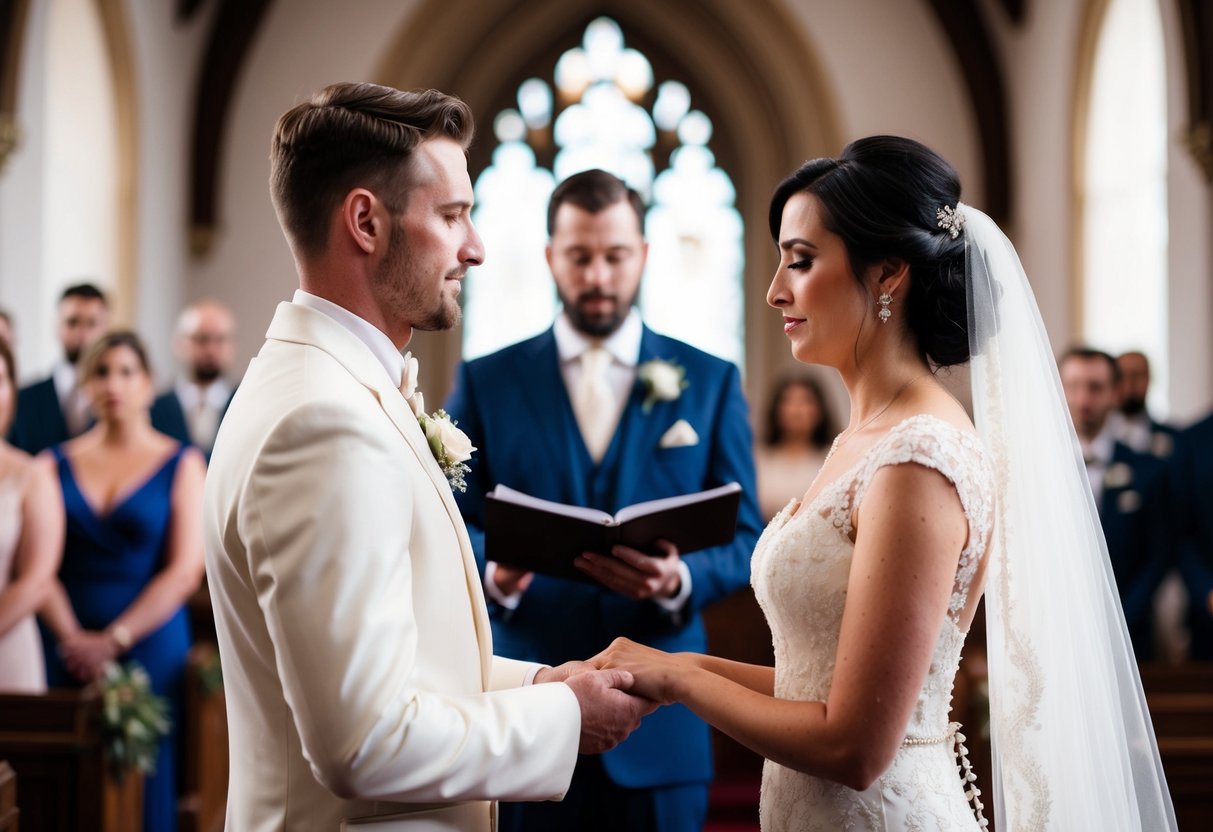
Traditional wedding vows hold deep significance and often include promises that reflect your love and commitment to your partner. They are a way to express your feelings and intentions for your lifelong union. Here are the key elements that make these vows meaningful.
Promises and Obligations
In traditional wedding vows, you make solemn promises to your spouse. Key phrases often include “to love and cherish” and “to honor and respect.” These commitments reflect your intention to provide emotional support and maintain a strong bond throughout your marriage.
You also promise “forsaking all others.” This means you dedicate yourself solely to your partner, emphasizing fidelity and loyalty. The phrase “till death do us part” highlights the seriousness of your commitment, indicating that you choose to be together through life’s challenges and joys.
Each promise you make reinforces the foundation of your marriage, creating a space for honesty, sincerity, and mutual respect. These vows bind you to your spouse in a sacred relationship, ensuring that both partners feel valued and supported.
Symbolism and Meaning
The symbolism behind traditional vows is rich and profound. By reciting these vows, you acknowledge the importance of a lifelong commitment. They signify an abiding love that grows and evolves over time.
Your vows represent a mutual agreement to navigate life together. This includes embracing challenges with grace and compassion. The commitment to “love, honor, and respect” symbolizes a partnership based on trust and understanding.
In essence, traditional wedding vows create a framework for your marriage. They serve as a reminder of the sacred bond you share and the responsibilities you undertake. This holy relationship is not just about today; it’s about building a future together filled with love and support.
Crafting Personalized Vows

When you decide to write your own vows, it’s a wonderful opportunity to express your feelings uniquely. Personalized vows can blend traditional elements with heartfelt touches. This gives your promises a special meaning that reflects you and your partner.
Drawing Inspiration from Tradition
Start by looking at classic wedding vows. These traditional phrases often focus on commitment, love, and partnership. You can use this foundation to inspire your own words. Think about what these vows mean to you.
Consider including elements from a handfasting ceremony or vows that may be linked to your cultural background. This can give your promises depth. Remember, your aim is to declare your intent to be a faithful husband or wife.
Incorporating Individual Beliefs and Values
This is your moment to shine. Reflect on your beliefs and values that are important to your relationship. If faith plays a role in your lives, you might want to incorporate references that resonate with both of you.
Think about moments that made your relationship special. You can mention how your partner is your one true love and what that means to you. This is also a chance to think about marriage as a contract that binds you together in a unique way.
Examples and Tips
Crafting vows can feel daunting, but it can also be enjoyable.
Start by jotting down a list of your feelings and memories. Here are a few tips:
- Be Authentic: Speak from your heart. Share your true feelings.
- Keep It Short: Aim for about one to two minutes when reading.
- Practice: Rehearse your vows to feel comfortable during the exchange.
You can even look online for wedding vow examples to spark ideas.
Make sure your personality shines through, whether you lean towards modern wedding vows or more traditional.