
What Are Traditional Wedding Rules? A Guide to Timeless Ceremonial Customs
Traditional wedding rules can feel overwhelming, but they provide a helpful framework for planning your special day. These guidelines, often tied to etiquette and customs, can guide you in making decisions that honor both tradition and your personal style. Understanding these rules can ease your stress and make sure that you and your guests enjoy the celebration.
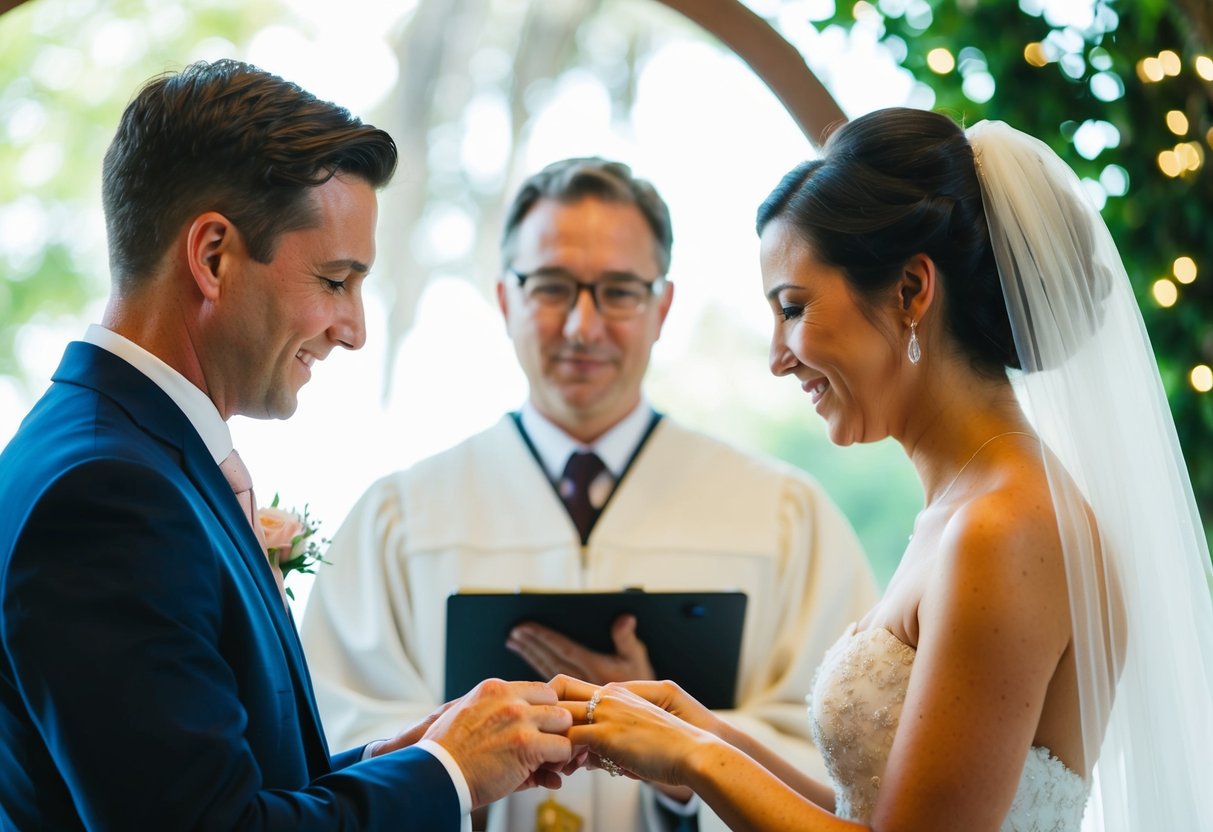
From who stands where in the ceremony to how guests should RSVP, these traditions play a key role in shaping the wedding experience. You might find that some rules are flexible and can be adapted to fit your vision. As you prepare for your wedding, knowing the essential traditional wedding etiquette can help you navigate the planning process with confidence and joy.
Whether you’re a bride, groom, or guest, familiarizing yourself with these customs can enhance your understanding of the event. You may even discover some practices that resonate with you, adding a meaningful touch to your celebration. Embracing the right traditions can make your wedding not only special but also memorable for everyone involved.
The Essentials of Wedding Etiquette
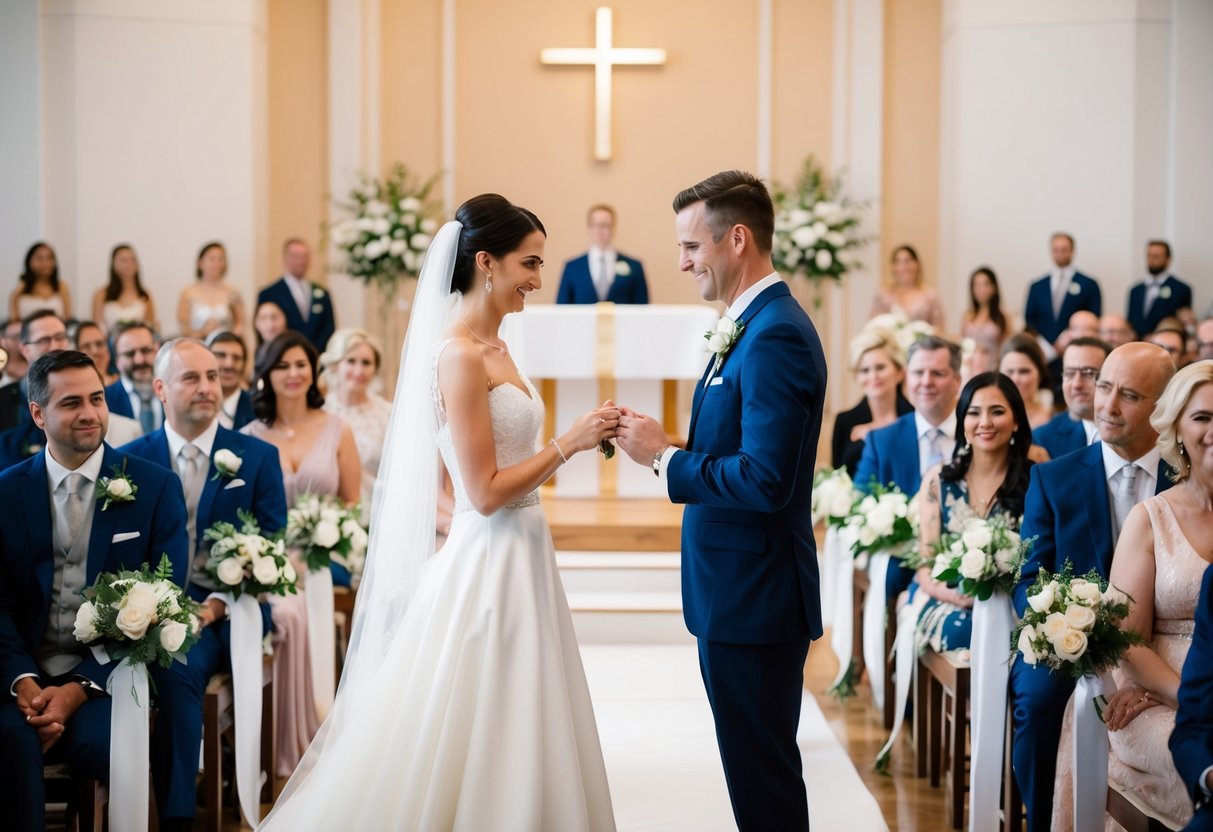
When planning your wedding, understanding the essentials of etiquette can make a big difference. This includes engagement announcements, wedding invitations, roles in your wedding party, and dress codes for guests and parties. Let’s break down each of these important aspects.
Engagement and Announcements
Announcing your engagement is an exciting step. Traditionally, it’s good to inform close family and friends before sharing the news publicly. You can do this through phone calls, video chats, or in-person visits.
Once you’ve shared the news with loved ones, consider sending out formal engagement announcements. These can be simple cards or even a post on social media. Just remember to include essential details like your names and the date of the engagement. This keeps everyone in the loop and adds a special touch to this joyful time.
Wedding Invitations and RSVPs
Sending out wedding invitations is one of the most important tasks in wedding planning. Your invitations should clearly include key details like the date, venue, and time of the ceremony. Make sure to send them out at least 6-8 weeks before the wedding.
Including an RSVP card is essential. This will help you manage your guest list effectively. You can ask guests to reply with a simple “yes” or “no” and include a space for them to indicate if they’re bringing a plus one. This way, you can plan seating and catering more accurately.
Wedding Party Roles and Responsibilities
Your wedding party plays a big role in your special day. Each member has specific responsibilities that help everything run smoothly.
- Maid of Honor: The main support for the bride, she helps with planning and may assist in wedding chores.
- Best Man: Traditionally, he supports the groom and helps manage the groomsmen.
- Bridesmaids and Groomsmen: These friends stand by the couple and assist in everything from planning to participatory duties during the ceremony.
- Flower Girl: Typically a young girl, she walks down the aisle before the bride, helping to set a joyful tone.
Communicate clearly with your wedding party about their roles so everyone knows what to expect.
Dress Code and Attire
Choosing the right dress code is crucial for your wedding. It sets the tone for your celebration. Make sure to inform your guests through the invitation if you prefer formal, semi-formal, or casual attire.
You can also specify colors or styles for your wedding party. Ensure bridesmaids and groomsmen know what to wear. This helps create a cohesive look. For example, you might say, “Bridesmaids in navy dresses” or “Groomsmen in dark suits.”
Being clear about dress codes also helps guests feel comfortable and confident in their choices for your big day.
Ceremony and Reception Traditions
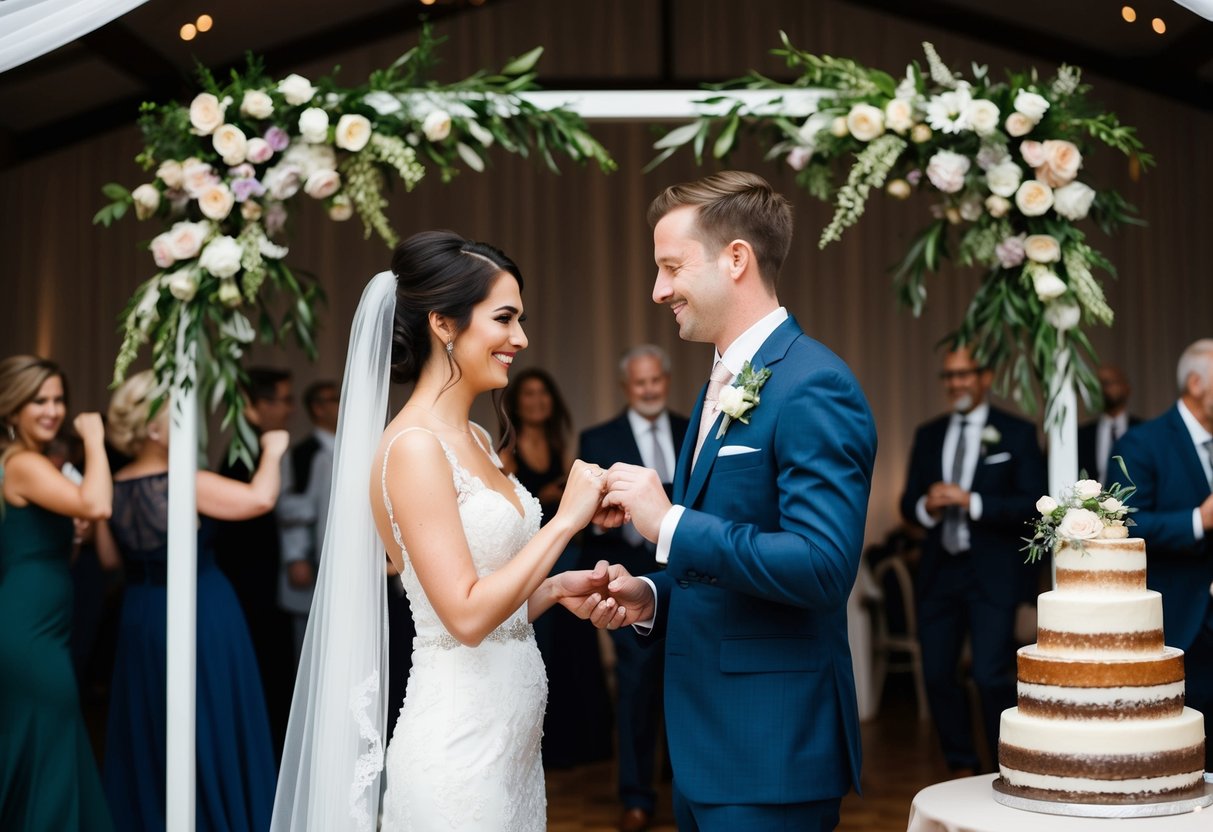
Wedding ceremonies and receptions are filled with meaningful traditions and rules. These customs help create a special atmosphere and strengthen the connection between the couple and their guests.
Wedding Ceremony Conduct
During the wedding ceremony, several traditions guide how everything unfolds. Seating arrangements often separate families; the bride’s family sits on the left, while the groom’s family sits on the right.
You will exchange wedding vows, which are promises of love and commitment. These can be traditional or personalized, reflecting your unique relationship.
Another key aspect is the processional, where you enter the venue. Often, the bride is accompanied by a parent or both, symbolizing support. It’s important to consider these elements when planning your ceremony since they set the tone for the entire event.
Reception Rituals
The reception is a place for celebration and fun, filled with various rituals. One popular tradition is the first dance, where you and your partner share a special moment as your guests watch. This dance can be a meaningful representation of your relationship.
Another common practice is the bouquet toss. During this event, you throw your bouquet to a group of single women. It’s believed that whoever catches it will be the next to marry.
These celebrations also may include fun games or activities to engage your guests. Keeping these traditions in mind will help create lasting memories for everyone involved.
Post-Wedding Etiquette
After the wedding, there are important steps you should take to maintain good relationships with your guests and handle gifts properly. Following post-wedding etiquette helps you express gratitude and keep everything organized.
Registry and Gifts
Managing your wedding registry and gifts is a crucial part of post-wedding etiquette. Make sure to keep track of what you receive. This will help you send thank-you notes later.
Contact your vendors, especially if you had a wedding website, for any registry information. Guests appreciate having this when choosing a gift. If you did not create a registry, consider reaching out to close family or friends for suggestions. This way, you can enjoy gifts that truly fit your needs.
Gratitude and Thank-Yous
Expressing gratitude through thank-you notes is a must. You should send these notes within three months after the wedding. Personalize each message by mentioning the gift you received. This shows your appreciation and makes your guests feel valued.
Thank-you cards can be simple or elaborate, but they should reflect your style as a couple. Keep the addresses of your guests handy to make the process easier. Written gratitude goes a long way in maintaining friendships and connections. Your guests want to feel acknowledged for their kindness and support.