
What Are Wedding Decorators Called? Discover Their Role in Your Special Day
When planning your special day, you might wonder, “What are wedding decorators called?” The professionals responsible for designing your wedding venue are often referred to as wedding decorators or event designers. They play a key role in turning your vision into reality, ensuring that every detail reflects your style and theme.
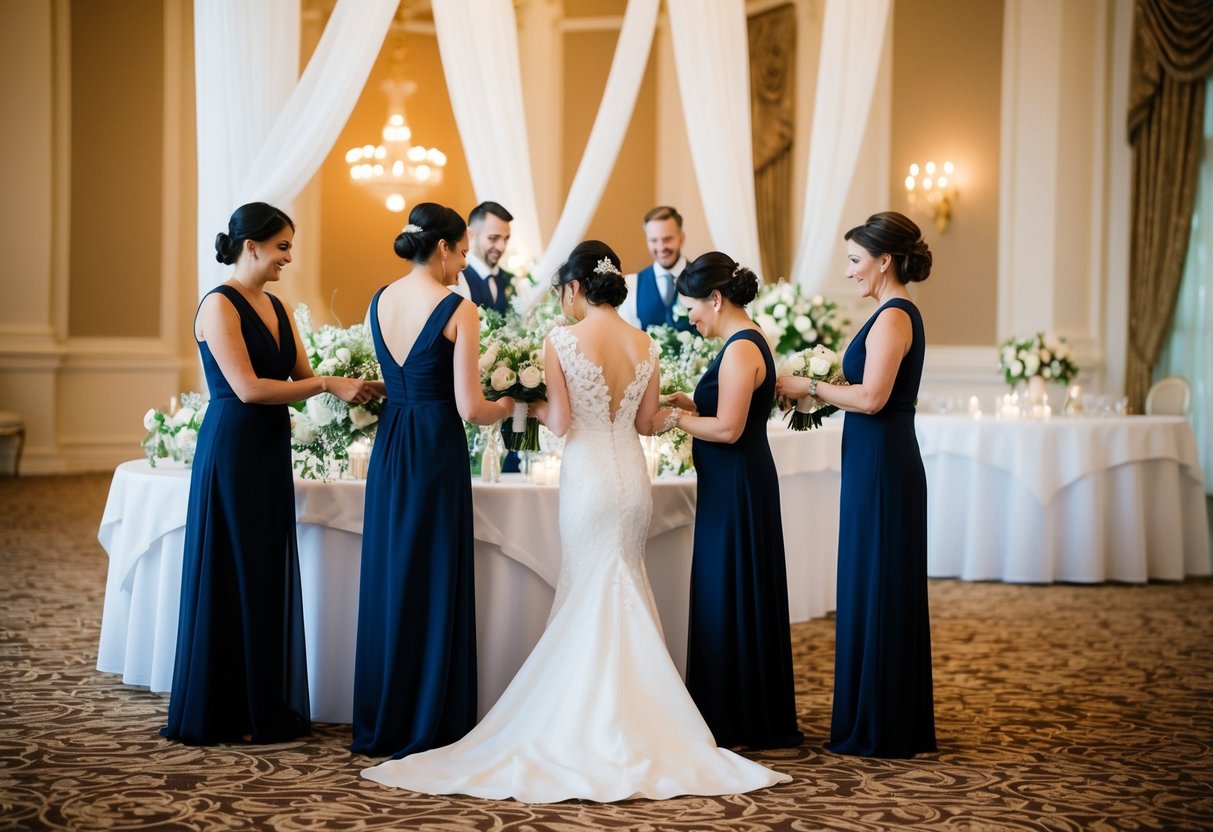
These creative experts specialize in transforming spaces, using elements like flowers, lighting, and furnishings to create a stunning atmosphere for your wedding day. They work closely with you during the wedding planning process, managing every aspect of decor so you can focus on enjoying your celebration.
Understanding the role of wedding decorators can help you find the right fit for your needs, making your big day even more memorable. Whether you’re looking for something simple or extravagant, having the right decorator can make all the difference.
Understanding Wedding Decorators
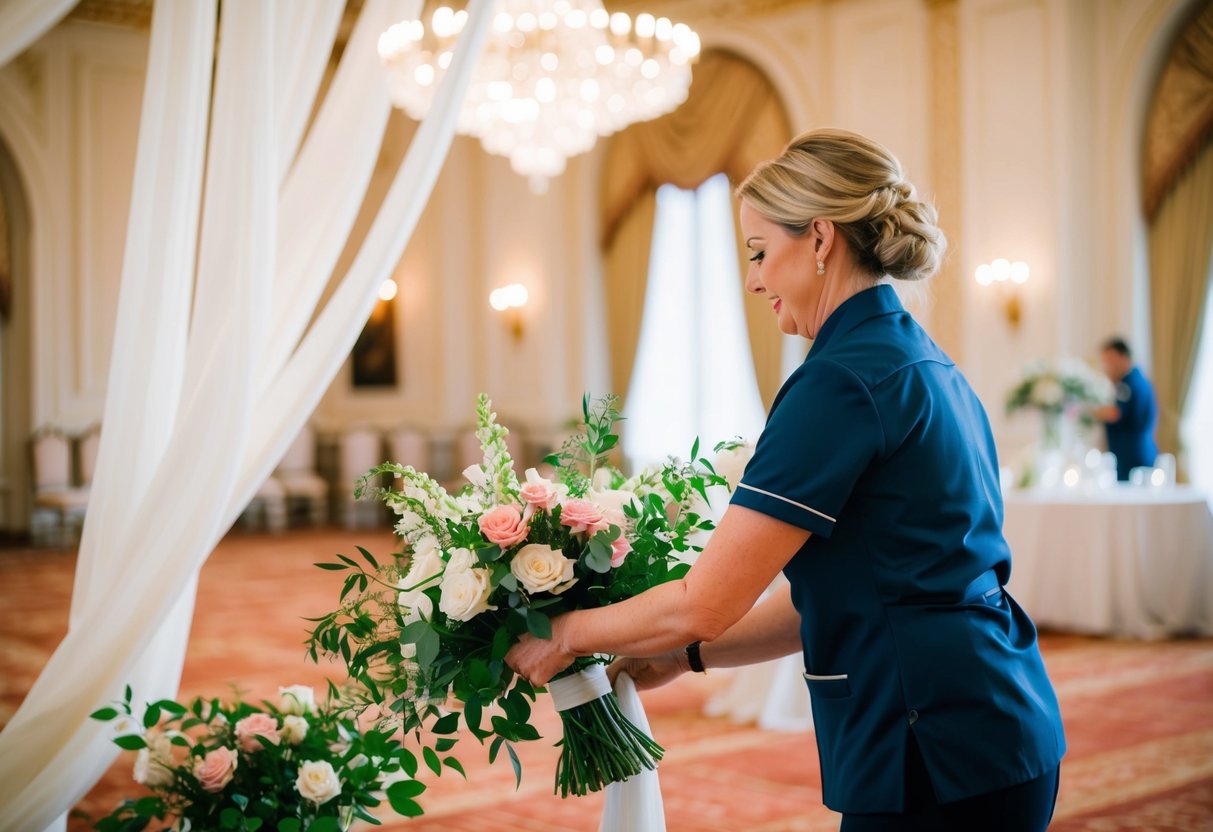
Wedding decorators play a vital role in making your special day visually stunning. They bring your ideas to life by carefully planning and executing the design elements that reflect your chosen theme. Here’s what you need to know about their roles and how they differ from similar professionals.
Roles and Responsibilities
As a wedding decorator, your main job is to create a beautiful atmosphere for the event. This includes selecting color schemes, floral arrangements, and decorative pieces. You work closely with clients to ensure everything matches their vision.
Key tasks include:
- Design Concept: You develop a visual theme that includes colors, shapes, and styles.
- Decor Selection: You choose items like centerpieces, lighting, and drapery that fit the theme.
- Setup and Take Down: You arrange decor at the venue before the event and clean up afterward.
Effective communication with vendors and clients is important to ensure that every detail aligns with the planned design.
Wedding Decorator vs. Wedding Designer vs. Wedding Planner
While all these roles may seem similar, they each have distinct functions:
-
Wedding Decorator: Focuses on the aesthetic aspects of the event, creating an appealing look and feel. They pay close attention to the details and layouts.
-
Wedding Designer: This term often overlaps with decorators. Designers might also handle larger creative vision aspects, including artistic direction for the entire event space. They may focus on themes more holistically.
-
Wedding Planner: This role is more about logistics. Planners coordinate the event details such as schedules, vendor management, and budgets. While they may assist with decor, they primarily ensure everything runs smoothly.
Understanding these differences can help you choose the right professional for your wedding needs.
The Wedding Decoration Process
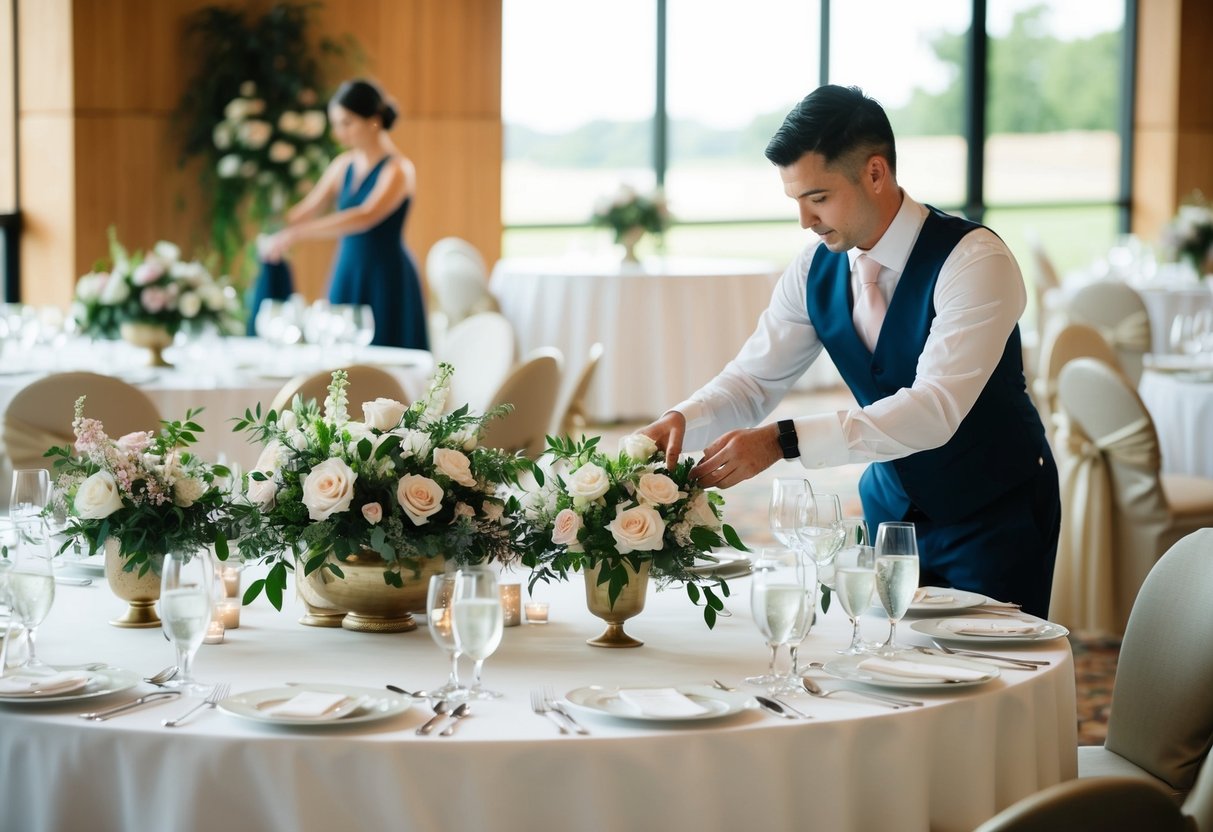
Creating the perfect wedding decor involves several important steps. You will work closely with a decorator to define your vision, choose a color scheme, and finalize details. Here’s how the process typically unfolds.
Initial Concept and Design Vision
First, you discuss your overall design vision with your wedding decorator. This is where you express your ideas, preferences, and themes. Do you envision a rustic setting or a classic elegance?
Together, you will explore inspiration boards and Pinterest for ideas. Sharing images that resonate with you helps the decorator understand your style. This stage is all about collaboration and creativity.
Taking notes helps capture your thoughts, so you can stay organized. Once you establish a clear vision, the decorator can start outlining specific plans for your wedding decor.
Selection of Color Scheme and Decor Items
Choosing a color scheme is an essential part of the decoration process. The colors you select set the mood and tone of your wedding. You might pick soft pastels for a romantic feel or bold hues for a vibrant atmosphere.
Once your color palette is in place, it’s time to select decor items. This can include table linens, floral arrangements, and centerpieces. Think about how each piece will enhance your overall vision.
Working with your decorator, explore stores and online resources to find the right items. Trust their expertise to recommend decor that complements your chosen colors and style.
Mock-ups and Final Approvals
After selecting your decor items, your decorator will create mock-ups. These are visual representations of how everything will look on your big day. You will see how the colors, arrangements, and decor come together.
Take this opportunity to ask questions and suggest changes. It’s important that you feel excited and confident about the mock-ups.
Once you approve the designs, finalizing all details becomes easier. Your decorator will then handle ordering and coordinating delivery, ensuring everything runs smoothly. This stage is key to turning your vision into reality, making your wedding day truly special.
Planning and Budgeting

When planning your wedding decor, understanding your budget is essential. You need to be clear about what you want and what you can afford. This section will guide you through determining your decor budget, understanding decor rentals and floral services, and being aware of cancellation policies.
Determining Your Decor Budget
Start by setting aside a specific amount for your decor budget. Experts suggest allocating about 5-10% of your total wedding budget for decor.
List out your decor priorities, such as floral arrangements, table settings, and lighting. This will help you see where your money will go. Consider reaching out for quotes from various decorators to get a sense of costs.
Be upfront about your budget when consulting with decorators or venues. Communication is key to ensuring you get the best services that fit within your financial plan.
Understanding Decor Rentals and Floral Services
Many couples rent decor items and hire floral services to enhance their wedding venue. Decor rentals can include items like tablecloths, centerpieces, and lighting. Be sure to discuss what’s included in the rental price.
Floral services can range from simple bouquets to elaborate installations. Make a list of the flowers you want and ask for a breakdown of costs. Knowing what each floral arrangement costs can help you stay within your budget.
You might find packages that combine decor rentals and floral services, which can save you money. Always ask about seasonal flowers, as they are often more affordable.
Cancellation Policy and Decor Breakdown
Before signing any contracts, it’s crucial to know the cancellation policy. Each vendor may have different terms, so read through the agreements carefully.
Make sure to ask for a detailed decor breakdown. This should include a list of all items, services, and associated costs. Understanding these details helps you track your spending and avoid any surprise fees.
By knowing the cancellation policy and having a clear decor breakdown, you can make informed decisions. This is especially important if your plans change, so you can adjust without financial stress.
Executing the Wedding Day Vision
On your wedding day, bringing your vision to life involves careful coordination with various parties. You’ll want everything to flow smoothly, from setup to the main event. Here are some key areas of focus.
Coordination with Venue and Vendors
Your wedding venue plays a major role in your big day. It’s important to coordinate closely with the venue to ensure all your decorating ideas align with their guidelines.
Communicate clearly about your setup times and any restrictions in place. This also involves sharing details with your vendors, such as the florist, caterer, and photographer.
Make sure everyone knows when they can access the venue. This will help avoid any last-minute surprises.
Having a dedicated contact at the venue can help you troubleshoot any issues that arise during setup.
Day-Of Coordination and Event Flow
A seamless event flow is essential for keeping your guests happy. On the day, a wedding day coordinator will manage the schedule, ensuring that everything happens on time.
This includes guiding the ceremony and assisting with the transition to the wedding reception. Your coordinator will communicate with vendors to make sure everything is running as planned.
They can handle any unexpected challenges that may occur without disrupting the event. Trusting someone with day-of coordination allows you to enjoy your special day without stress.
Managing Decor Setup and Breakdown
Managing the decor on your wedding day is crucial to execute your vision. Your event decorating team will arrive early to set up all the chosen elements, from centerpieces to backdrops.
Be clear about the specifics of how you want everything arranged. This will ensure that their execution matches your expectations.
After the celebration, your decorator should also handle the breakdown of decor, so you can focus on enjoying the evening with your guests.
Having a plan for this will save you time and energy at the end of your wedding day.