
What Color Is Inappropriate to Wear to a Wedding? Understanding Wedding Attire Etiquette
Choosing the right outfit for a wedding can be tricky, especially when it comes to color. The most inappropriate color to wear at a wedding is white. Wearing white can take attention away from the bride on her special day, and it might be seen as disrespectful to the couple’s wedding etiquette.
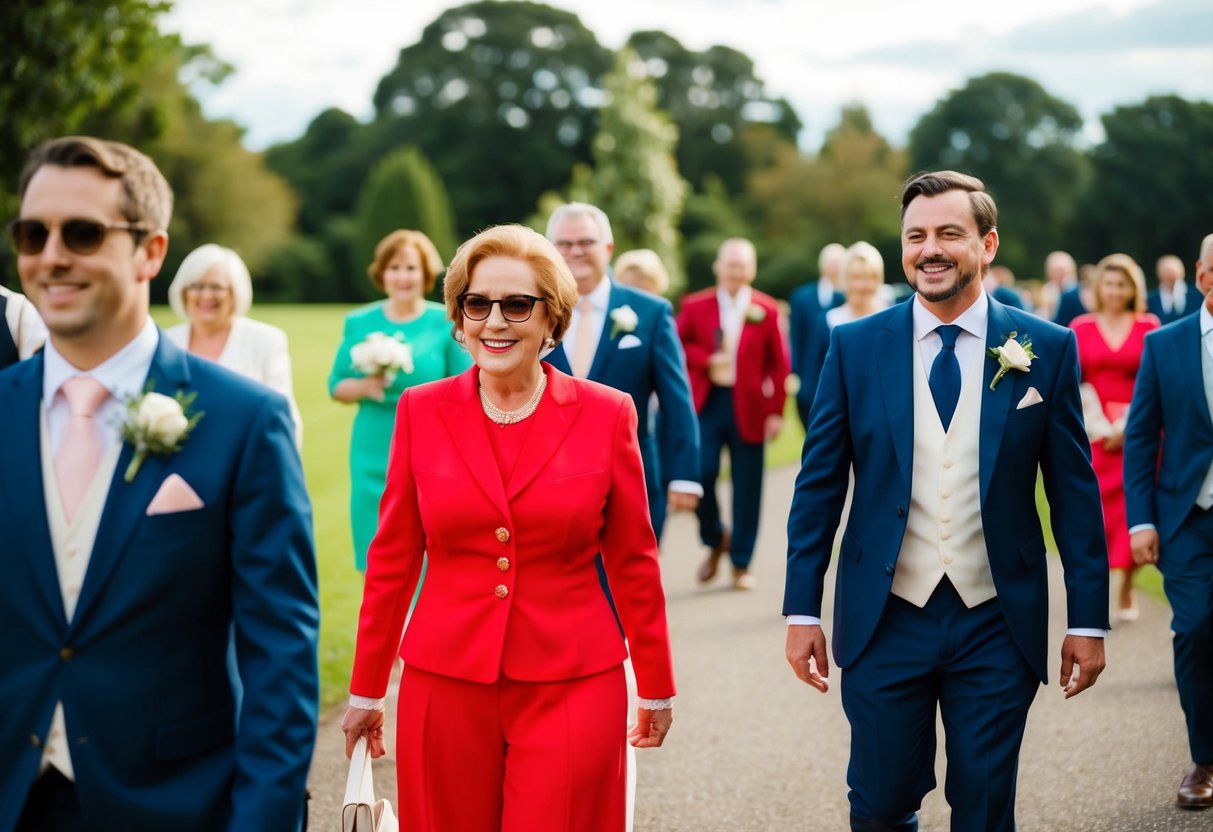
Additionally, it’s wise to avoid overly bright or bold colors that can draw focus from the newlyweds. Think about the wedding dress code as you decide, whether it’s a formal or casual event; this can guide your choices. Be mindful of the colors that might clash with the wedding theme or venue, as showing up in the wrong shade can create an awkward situation.
By understanding what colors to steer clear of, you can ensure that your wedding guest outfit is both stylish and respectful. This way, you can celebrate the couple while looking great at the same time!
Understanding Wedding Dress Codes
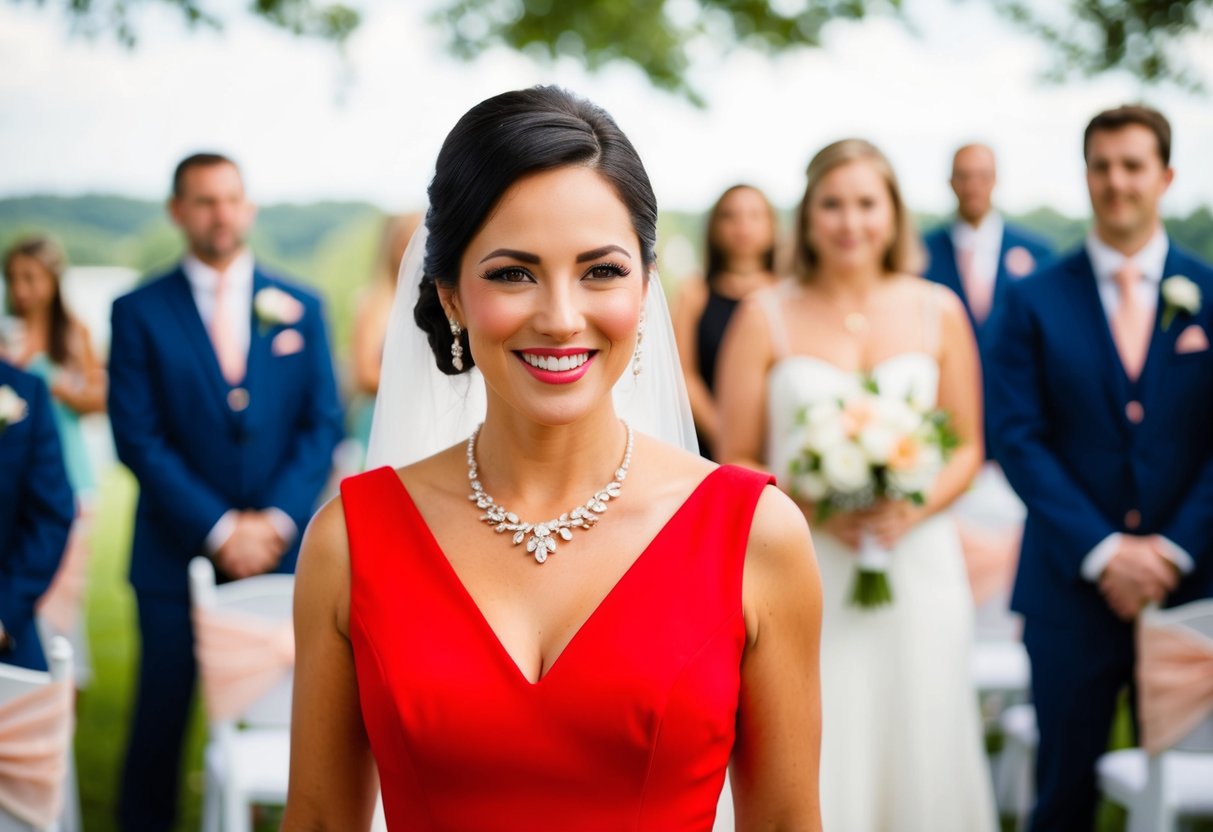
Dress codes for weddings are important as they help set the tone for the celebration. Knowing what these codes mean can guide you in choosing your outfit, ensuring you look appropriate and respectful. Let’s explore the significance of dress codes, how to decode the invitation, and consider seasonal factors.
The Significance of Dress Codes
Wedding dress codes can vary widely, from casual to formal attire. Each level of formality implies different colors and styles that guests should consider.
- Formal Attire: This often means a tuxedo for men and an elegant gown for women. Dark colors like navy, black, or jewel tones work well.
- Semi-Formal Attire: Men might wear suits, and women can choose cocktail dresses. Bright colors and patterns can be more acceptable here.
- Casual Attire: Think sundresses for women and nice slacks with a button-up for men. Pastels or lighter colors can fit nicely.
Understanding these codes can make your outfit decision easier.
Decoding the Invitation
Most wedding invitations include specific dress codes. Look for phrases like “black tie,” “cocktail,” or “beach formal.” Each phrase tells you something about what to wear.
- Black Tie: This usually means a formal evening wedding where men should wear tuxedos and women should opt for long, elegant dresses.
- Cocktail: This invites a mix of dress and casual wear. Men can wear suits, while women might choose a knee-length dress.
- Daytime Weddings: Attire might be lighter and more relaxed. Pastel colors and lighter fabrics are often perfect here.
Decoding these terms will help you choose an outfit that aligns with the couple’s vision.
Seasonal Considerations for Attire
The season can influence your outfit choices as well. Different seasons bring various styles and color palettes.
- Spring and Summer: Bright and pastel colors shine during these seasons. Lighter fabrics like chiffon or cotton are more comfortable in the heat.
- Fall: Rich, warm colors like burgundy, gold, and olive green are popular. Consider layering your outfit with a cardigan or light jacket.
- Winter: Darker colors like navy and black dominate. Fabrics can be heavier, such as velvet or silk, to keep you warm.
Choosing attire that matches the season can make you feel comfortable and stylish at the wedding.
Colors to Avoid at a Wedding

When attending a wedding, choosing the right colors to wear is crucial. Certain colors can be seen as disrespectful or inappropriate. Here are some key colors to steer clear of at weddings.
The Taboo of Wearing White
Wearing white is a big no-no at weddings. This color is traditionally reserved for the bride. Choosing white or similar shades like off-white or ivory can draw attention away from her special day. If you wear these colors, it may appear that you are trying to overshadow her.
Some people also believe that weddings symbolize the start of a new life. Therefore, keeping white for the bride helps mark this important moment. To be safe, it’s best to choose a different color. Consider soft pastels or vibrant hues that complement the wedding’s theme.
Cultural Sensitivities and Black
In some cultures, wearing all black to a wedding is seen as a sign of mourning. This can come off as disrespectful to the couple and their families. It may be best to avoid all-black outfits, especially if you aren’t sure about the cultural significance in that setting.
However, in some modern weddings, black can be acceptable, especially if it’s stated in the dress code. If you choose to wear black, consider adding colorful accessories like a bright scarf or statement jewelry. This can help lighten the overall look while respecting the event’s atmosphere.
Eye-Catching Colors to Dodge
Bright or overly flashy colors can be distracting at a wedding. Consider avoiding colors like neon shades or extremely bold patterns. These colors may shift focus from the couple and their celebration. Instead, choose something subtle yet stylish.
Rich jewel tones like emerald or deep blue can be great options. These colors are elegant and classy without drawing attention away from the couple. It’s important to respect the wedding’s color scheme, so consulting the invitation can help guide your choice. If you see colors featuring prominently, those might be best to avoid wearing.
Appropriate Wedding Guest Attire

Choosing the right outfit for a wedding can be tricky. You want to look great while respecting the couple’s special day. Here are some key factors to keep in mind when deciding what to wear.
Selecting Suitable Colors
When selecting colors for your wedding attire, it is best to choose shades that complement the event’s mood. Bright hues are generally acceptable, but some colors should be avoided. Steer clear of white, as this color is traditionally reserved for the bride. Additionally, wearing colors like black can be seen as inappropriate in some cultures. Instead, consider earth tones, pastel colors, or vibrant jewel tones. These shades can enhance your overall look without drawing attention away from the couple. By selecting colors that are celebratory yet respectful, you can maintain proper wedding guest etiquette.
Opting for Subtlety Over Showiness
Your wedding outfit should convey elegance rather than overshadow the day’s significance. Choose styles that are polished and refined. Avoid flashy outfits, such as those with sequins, excessive ruffles, or overly bold colors. These may take the spotlight from the newlyweds. Instead, aim for classic cuts and subtle patterns that reflect your personal style while remaining understated. A well-fitted dress or a tailored suit can make a strong impression without being distracting. Remember, your goal is to celebrate and support the couple, so it’s important to keep your attire classy and tasteful.
Accessorizing Tastefully
Accessories can enhance your outfit, but you should choose them thoughtfully. Avoid oversized jewelry or extravagant pieces that might steal attention.
A delicate necklace or a simple pair of earrings can elevate your look without being overwhelming. When it comes to handbags and shoes, go for styles that are elegant yet comfortable, as weddings often involve standing or dancing for long periods.
Choose colors that complement your outfit without clashing. By choosing tasteful accessories, you can complete your wedding guest outfit while keeping the focus on the celebration and the couple.