
What Color Should I Get Married In? Exploring the Perfect Wedding Palette
Choosing the right color for your wedding can feel overwhelming, but it shouldn’t have to be. The best color for your wedding dress is one that reflects your personal style and brings you joy.
Think about your favorite color and how it fits into your overall wedding planning. Your choice should express who you are as a couple while complementing the theme and setting of your big day.
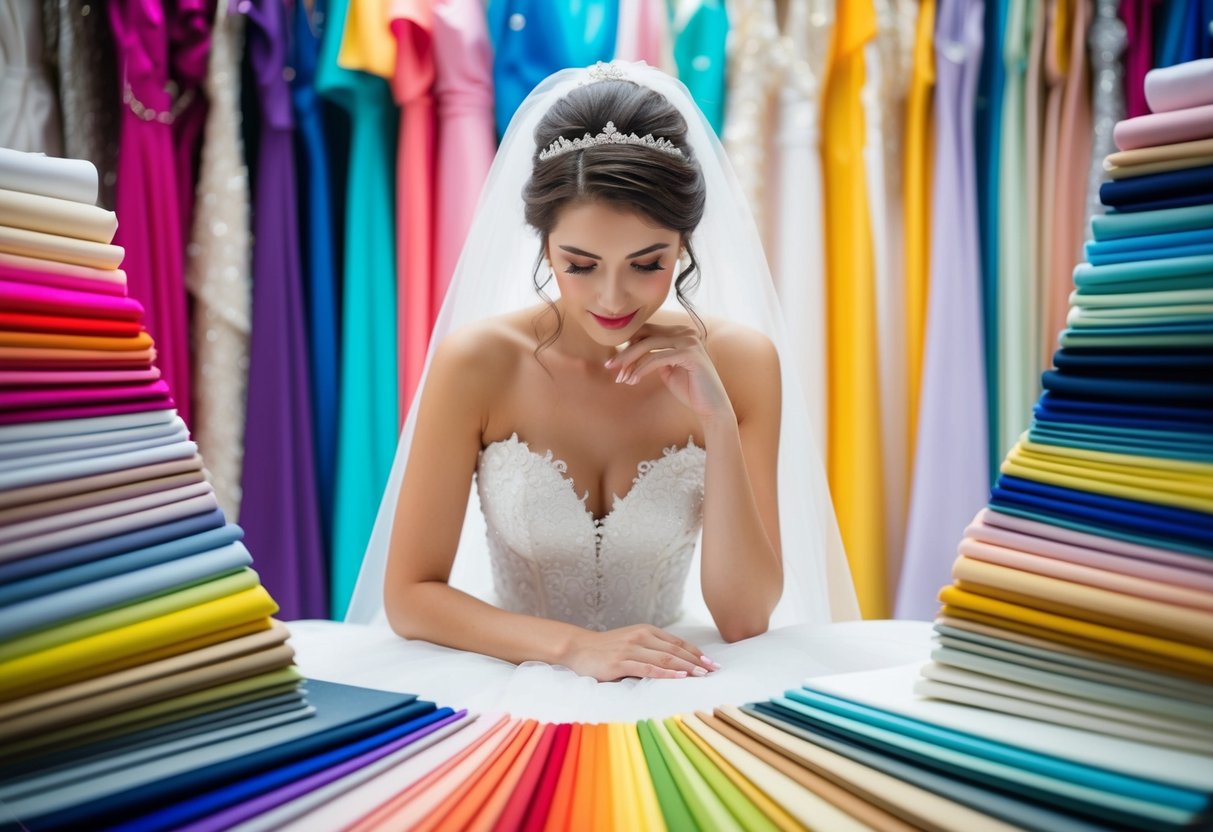
When considering how to pick your wedding colors, look at the season, venue, and mood you want to create. You may love bold colors, or perhaps you prefer soft pastels.
The key is to choose a palette that resonates with you and sets the right tone for your celebration. Remember, your wedding is a personal reflection of your love story.
Don’t hesitate to incorporate your favorite colors and styles into your wedding planning. This is your special day, and it should feel authentic to you both.
Understanding Color Theory and Wedding Seasons
Choosing the right colors for your wedding involves understanding how colors interact and how they are influenced by the seasons. Grasping these concepts can help you create a beautiful and cohesive look for your special day.
Color Wheel Basics
The color wheel is a vital tool in color theory. It consists of primary, secondary, and tertiary colors. Primary colors—red, blue, and yellow—combine to create secondary colors like green, orange, and purple. Tertiary colors are made by mixing a primary color with a secondary color.
When picking your wedding colors, consider using complementary color schemes. This involves selecting colors opposite each other on the wheel, such as blue and orange.
You might also choose analogous colors, which sit next to each other, like blue, blue-green, and green. These combinations can create a harmonious look in your wedding decorations, attire, and floral arrangements.
Seasonal Color Significance
Different seasons evoke specific colors that can guide your choices. For spring weddings, think pastels like soft pinks, mint greens, and light yellows. These colors reflect the freshness and new beginnings of the season.
In summer, vibrant colors such as hot pink, sunny yellow, and bright orange stand out. They capture the lively essence of long, sunny days.
For fall weddings, opt for warmer hues like deep reds, burnt oranges, and golden yellows that mirror the changing leaves.
Winter weddings often embrace cool tones like icy blues, silver, and rich jewel tones such as emerald and burgundy. Understanding these seasonal colors can help you select a palette that fits your wedding date while enhancing the overall atmosphere you’re aiming for.
Selecting Your Color Scheme
Choosing the right colors for your wedding is an exciting step. It sets the tone for everything and helps reflect your personality. Here are some key aspects to consider when creating your wedding color scheme.
Starting with a Base Color
Begin by selecting a base color. This color will serve as the main hue throughout your wedding.
Consider neutral tones like ivory or soft gray if you want a classic feel. For a bolder choice, jewel tones like emerald green or deep ruby can add drama.
Think about the season and venue too. Pastel colors work well for spring weddings, while warm shades may suit a fall celebration. Once you have your base color, you can build from there, ensuring it aligns with your vision for the big day.
Incorporating Accent Colors
After choosing your base color, it’s time to add accent colors. These are complementary hues that bring life and contrast to your scheme.
You might pick one or two accent colors to maintain harmony.
For example, if your base color is a soft blush, consider adding gold or navy as accents. These colors can be included in decor items like table settings, floral arrangements, and even your wedding party attire. This approach creates visual interest and makes your color palette pop.
Achieving a Cohesive Look
To create a cohesive look, ensure all elements blend well together. Use your colors consistently across different decor items, such as invitations, centerpieces, and cake designs.
You can create a color inspiration board to visualize how everything will come together. This board can include samples of fabrics, flowers, and other decor items that match your chosen palette.
This method helps keep your vision organized and allows you to see how each piece fits into your overall scheme.
Wedding Venue and Style Considerations
Choosing the right color for your wedding largely depends on your venue and style. The colors you select should blend well with your surroundings and enhance the overall theme of your special day.
Matching Colors with the Wedding Venue
When picking your wedding colors, consider the venue’s existing palette. If you’re getting married at a place with bold colors or unique features, choose shades that complement them.
For example, a rustic wedding at a barn may look great with earthy tones like greens and browns.
In contrast, a beach wedding calls for soft blues and sandy browns. If you opt for an outdoor venue, natural colors can enhance the beauty of your surroundings.
Think about how your color choices will interact with aspects like flowers and decor.
Complementing Your Wedding Theme and Style
Your wedding theme plays a big role in your color selection. If you’re going for a boho wedding, soft pastels or vibrant jewel tones can work nicely. For a more classic style, whites and muted colors often add elegance.
Consider the atmosphere you want to create at your wedding reception. Warm colors like reds or oranges can create a cozy vibe, while cool colors like blues and greens promote calmness.
This includes how the colors will appear in your wedding party’s attire, decorations, and even home decor elements. Let your personality shine through in your choices!
Final Touches: Stationery, Flowers, and Attire
As you plan your wedding, the final touches play a big role in expressing your style. Let’s explore how to choose the right stationery, create beautiful floral arrangements, and coordinate wedding party attire that aligns with your chosen colors.
Choosing Invitations and Paper Goods
Your wedding invitations set the tone for the event, so it’s essential to get them right.
Start by selecting paper goods that reflect your wedding palette. Consider using elegant fonts and colors that match your overall theme.
Include save-the-date cards that give your guests a first glimpse of your style. Don’t forget about menu cards and place settings, as these small details tie everything together.
You can add personal touches, like a touch of eucalyptus or a sunflowers accent, to make your stationery feel special.
Floral Arrangements and Bouquets
Floral arrangements are vital for enhancing your wedding’s visual appeal.
Start by picking flowers that complement your color pairings. Sunflowers can add a burst of cheer, while eucalyptus brings a touch of elegance.
Choose bouquets that reflect the theme of your wedding. For example, if you have a rustic vibe, consider wildflower bouquets.
Ensure that tabletop arrangements match your floral theme, integrating flowers and greenery effectively.
When selecting centerpieces, make sure they fit well with your table linens and create a warm, inviting atmosphere.
Coordinating Wedding Party Attire
Attire for the wedding party should echo the overall color scheme.
For bridesmaids, options like dresses in your wedding colors are ideal. Consider variations in shades to add depth to your visual palette.
Groomsmen’s suits should complement the bridesmaids’ outfits. Think about accessories like ties or pocket squares that pick up your color scheme as well.
This coordination creates a cohesive look that shines in your wedding photos, highlighting your chosen style beautifully.