
What Color Should Wedding Flowers Be? A Guide to Choosing the Perfect Palette
Choosing the right color for your wedding flowers is a fun and important part of your wedding planning. The flowers you select will not only enhance the beauty of your ceremony but also reflect your personal style. The best flowers should complement your overall wedding color palette and theme, making your special day even more memorable.
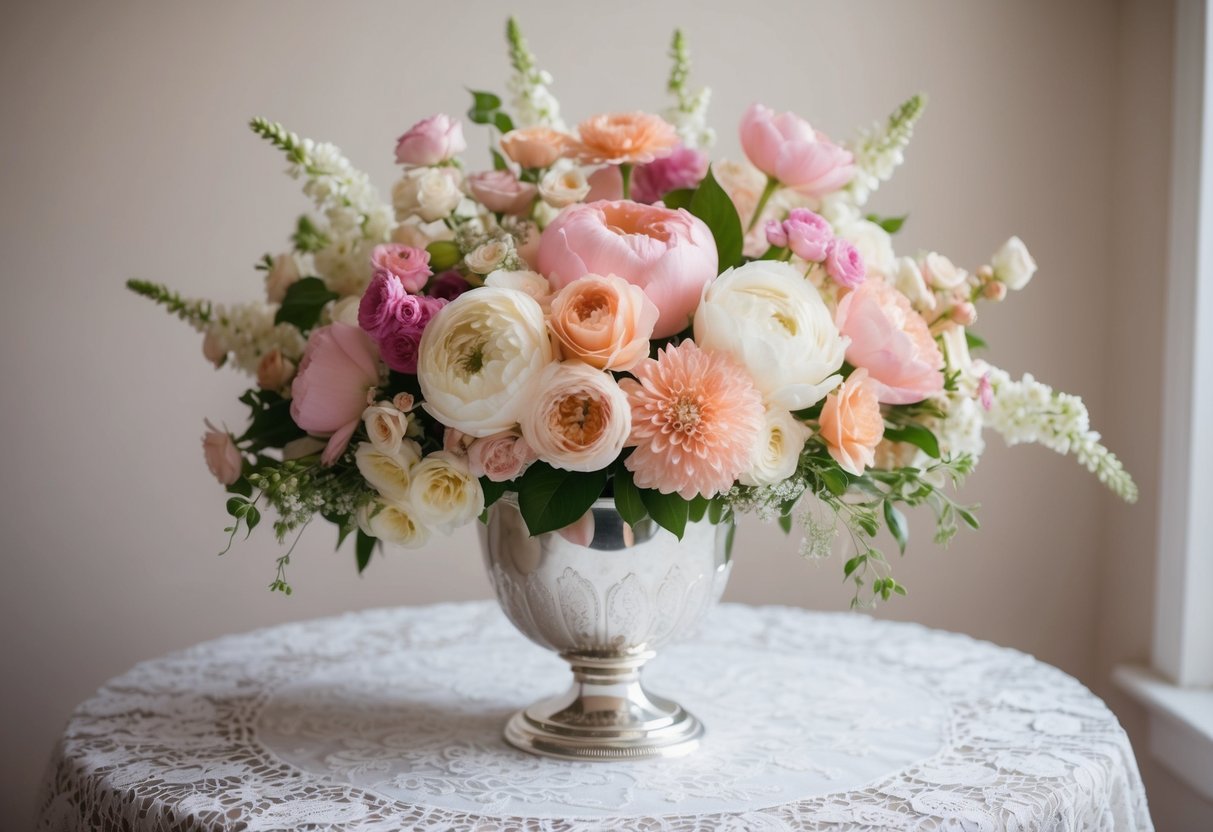
As you start thinking about your floral arrangements, consider colors that resonate with you and your partner. Soft pastels create a romantic feel, while bold hues can add vibrancy and energy. Make sure to coordinate these choices with your venue and any other decorations to create a cohesive look.
Don’t forget that seasonal flowers can also influence your color choices. Flowers available in spring differ from those in fall, so keep that in mind as you plan. Your wedding flowers should bring joy and beauty to your celebration, making it a day you’ll cherish forever.
Choosing Your Wedding Color Palette
Selecting the right colors for your wedding flowers is essential. Your color palette sets the mood and ties everything together. Here are important aspects of choosing your wedding color scheme.
Understanding the Color Wheel
The color wheel is a helpful tool when choosing your wedding colors. It shows how colors relate to each other. You can choose combinations like complementary colors (colors opposite each other), which create a vibrant look. For example, pairing blue with orange can be striking.
Consider using analogous colors (colors next to each other) for harmony. Shades of blue, green, and teal can evoke a calm atmosphere. Don’t forget about neutral colors, like white or beige, which can balance vibrant hues.
It’s smart to pick a mix of bold and subtle tones. This way, your wedding flowers can shine without overwhelming the overall decor.
Selecting a Dominant Hue
Identifying a dominant hue is essential in your wedding color scheme. This main color will guide your choices for flowers, decor, and attire. Think about colors that reflect your personality and the season.
For instance, soft pastels might work well for a spring wedding, while deep reds can be perfect for fall. Use your dominant color in noticeable places: the bridal bouquet, centerpieces, or even in your wedding cake.
Once you’ve chosen your main color, look for color combinations that complement it. If you choose a rich blue, you might pair it with gold or white flowers. This combination can create a stunning visual effect that keeps your theme cohesive.
Seasonal Inspirations for Wedding Flowers
Choosing wedding flowers can be exciting, especially when considering the season. Each season offers unique blooms that can enhance your wedding theme. You’ll find options that bring color and beauty to your special day.
Spring Selections
Spring is a time of renewal, and your flower choices can reflect that. Popular blooms include peonies, hydrangeas, and garden roses. These flowers symbolize new beginnings and are known for their lush, vibrant colors.
You might also consider tulips and daffodils, which add cheerful touches to arrangements. Mixing these with greenery can create a fresh look. Eye-catching pastel shades, such as soft pinks and light blues, will bring your spring vision to life. When selecting flowers, think about DIY arrangements for centerpieces. This can add a personal touch to your celebration.
Summer Varieties
Summer weddings call for bright and bold flowers. This season offers a wide range of options like sunflowers, dahlias, and zinnias. Each of these options provides a splash of vibrant color.
Consider gerbera daisies for a cheerful touch and variety in shape. These blooms are available in numerous colors, perfect for any theme. For outdoor weddings, hydrangeas are a great choice since they thrive in summer heat and come in lovely shades of blue, pink, and white.
Find balance in your arrangements by mixing larger blooms with smaller flowers like baby’s breath or seasonal wildflowers. This adds texture and depth, making your bouquets and centerpieces stunning.
Autumn Arrangements
As the leaves change, your floral choices can reflect the rich colors of fall. Think deep reds, burnt oranges, and golden yellows. Chrysanthemums are perfect for this season, along with anemones.
Incorporating elements like wheat or broomcorn in your arrangements can enhance that cozy autumn feel. Seasonal flowers like safflower or solidago also provide unique textures and colors.
Consider using natural elements like pinecones or branches in centerpieces for added warmth. This creates a rustic and inviting atmosphere for your guests during the ceremony and reception.
Winter Choices
Winter weddings may seem limited, but there are beautiful options to consider. Think of flowers that can withstand the cold. Opt for hollies, evergreens, and delicate winter roses. These can create a festive and elegant vibe.
Consider using neutral colors with pops of red or green for contrast. This can brighten up the winter landscape and make for stunning decorations.
Utilizing dried flowers or berries can also add a unique touch to your arrangements. These elements can help capture the beauty of winter while providing a warm atmosphere for your celebration.
Types of Wedding Flower Arrangements
When planning your wedding flowers, consider how different arrangements will enhance your special day. Each type serves a unique purpose and can add beauty to your ceremony and reception.
Bridal Bouquets
Your bridal bouquet is one of the most important flower arrangements. It should reflect your personal style and complement your dress. You can choose from various shapes, such as round, cascading, or wildflower arrangements.
Consider colors that match your wedding theme. Popular choices include classic white or soft pastels, while bold colors can make a statement. You might also want to add personal touches, like family heirlooms or seasonal blooms. Don’t forget to include bridesmaid bouquets, which can coordinate with your flowers.
Centerpieces for Reception Tables
Centerpieces set the mood for your reception. They should be elegant yet functional, allowing guests to interact across the table. Choose arrangements that suit your table size. Tall centerpieces can create drama, while low ones promote conversation.
Consider seasonal flowers and complementary colors to tie in with your overall theme. Mixing different types of flowers can add texture. You might include elements like candles or greenery to enhance the look. A popular choice is to go for a mix of small arrangements instead of one large piece.
Ceremonial Florals
Ceremonial florals are essential to your wedding decor. A floral arch or backdrop adds beauty and creates a perfect frame for your vows. You can incorporate your chosen color scheme easily here.
Bouquets for your officiant and boutonnieres for the groomsmen are also important. Smaller arrangements can adorn the signing table or chairs. Focus on blooms that harmonize with the bridal bouquet while adding a cohesive touch to your ceremony’s atmosphere.
Popular Wedding Flowers and Their Meanings
Choosing the right flowers for your wedding is more than just about looks. Each flower carries its own significance and can express deep emotions. Here are some popular wedding flowers and what they symbolize.
Roses and Romance
Roses are perhaps the most iconic wedding flower. When you think of love, red roses often come to mind. They signify passion and romance, making them perfect for any wedding.
If you’re leaning towards a softer touch, consider pink roses. They symbolize grace and admiration. For a more elegant vibe, white roses represent purity and innocence. Including a mix of these roses can create a powerful statement in your floral arrangements.
Whether as a bouquet or centerpiece, roses can beautifully convey the love you share on your special day.
Symbolic Lilacs
Lilacs are charming flowers with a rich symbolism. Their sweet fragrance alone can elevate your wedding atmosphere. Purple lilacs represent the first feelings of love, which can make them a wonderful addition to your wedding flowers.
If you prefer softer tones, white lilacs symbolize purity and renewal. These flowers are not just pretty; they carry deep meanings that can resonate with your love story. Their delicate appearance adds elegance to wedding décor, making them a lovely choice for your big day.
Tulips for Declaration of Love
Tulips are another stunning option for your wedding. They are simple yet striking. Their variety of colors, including red, pink, and white, allows you to choose based on your theme.
Red tulips convey a declaration of love, while pink tulips symbolize caring and attachment. These qualities make tulips perfect for any romantic setting. They also have a versatility that can adapt to bouquets, centerpieces, and even boutonnieres.
Their unique shapes and colors will surely catch the eye of your guests and create a joyful atmosphere.
Versatility of Hydrangeas
Hydrangeas bring a lush feel to any wedding. These flowers are large and full, making them ideal for creating stunning arrangements.
They come in various colors, including blues and purples. Blue hydrangeas symbolize gratitude, while purple ones express understanding and harmony. This variety allows you to mix and match flowers easily to achieve the look you desire.
Hydrangeas can work well in bouquets or as accents in centerpieces. Their full blooms add depth, making your flower arrangements more dynamic. They are perfect for couples wanting a unique yet classic wedding look.