
What Color Symbolizes Marriage? Discover the Traditions and Meanings Behind Wedding Colors
When it comes to weddings, colors play a significant role in expressing love and commitment. You might wonder, “What color symbolizes marriage?” The color white is traditionally associated with marriage, representing purity and new beginnings. However, other colors also carry deep meanings that can reflect your unique love story.
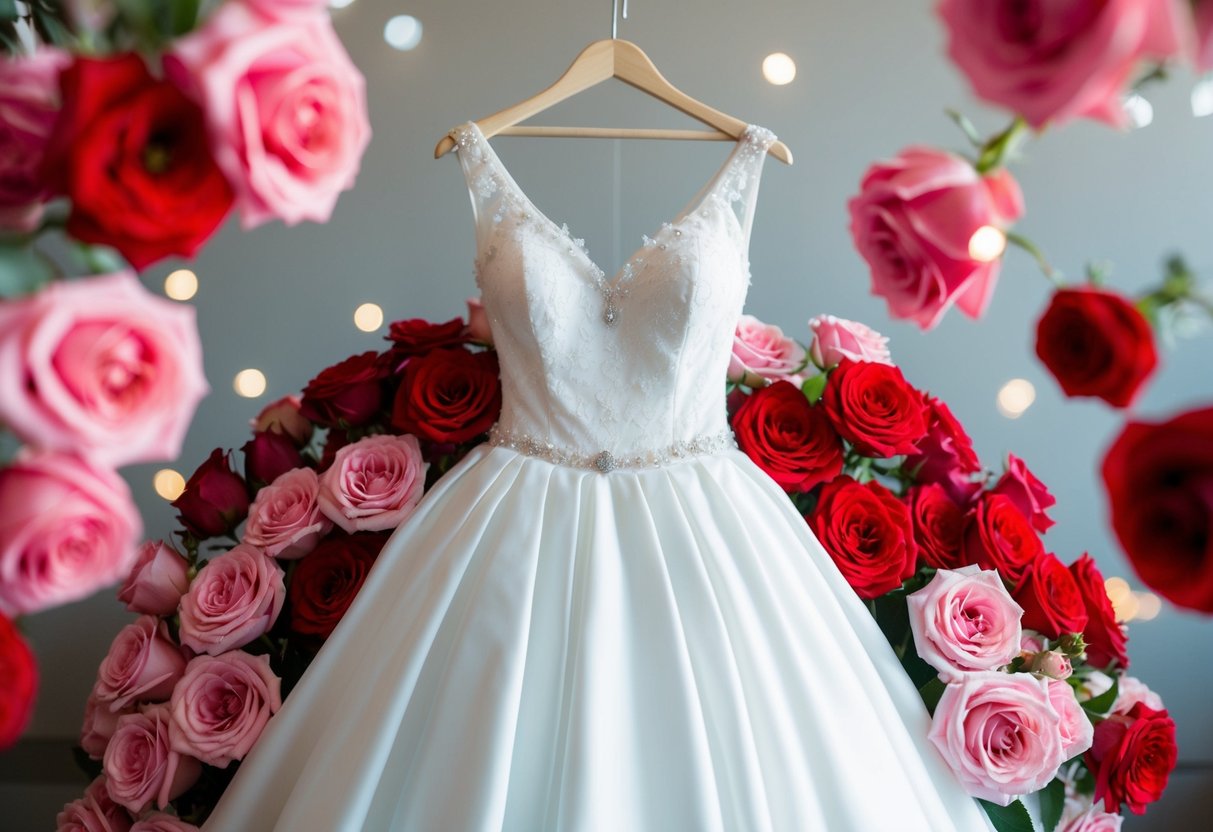
Exploring the meanings behind different colors can add a personal touch to your special day. For instance, gold signifies wealth and eternal love, while red represents passion and strong emotions. Knowing what these hues symbolize can help you choose the perfect palette for your wedding.
As you plan your celebration, consider how these colors resonate with your relationship. Knowing the significance of each shade can help you create a meaningful and memorable atmosphere for your wedding day.
Color Symbolism in Marriage
Colors carry deep meanings in marriage, representing emotions and values tied to love. Choosing the right colors can enhance your wedding theme, reflecting your personalities and relationship.
Red: Passion and Love
Red is a powerful color symbolizing strong emotions like love and passion. It’s often associated with romance, making it popular in wedding themes. You might choose red accents in flowers, decorations, or attire to express your deep affection for your partner.
This bold color can ignite feelings of excitement and energy, creating a vibrant atmosphere. Whether you opt for rich crimson or soft rose tones, red enhances feelings of connection. Pay attention to how red elements elevate the mood on your special day.
White: Purity and Innocence
White is traditionally linked to purity and innocence. Wearing a white dress has become a common practice, symbolizing a fresh start in life and love. This color reflects values like honesty and simplicity, setting a serene tone for your wedding.
In addition to attire, white flowers and decorations create a classic look that feels timeless. This choice embodies sincerity and a commitment to fidelity. Incorporating white can give your wedding a light and airy feel, helping to create a beautiful backdrop for your vows.
Blue: Tranquility and Stability
Blue symbolizes tranquility and stability, which are essential for a lasting marriage. This calming color can help create a peaceful atmosphere, making it a comforting choice for your big day. From deep navy to soft sky blue, there are many shades to consider.
Using blue in your color scheme can enhance feelings of trust and loyalty between you and your partner. Think about blue in table linens, decorations, or even bridesmaid dresses. This soothing color provides a wonderful balance to more vibrant shades, helping to create a harmonious celebration.
Yellow and Orange: Optimism and Energy
Yellow and orange are colors of optimism and energy. They bring brightness and warmth, inviting happiness into your wedding celebration. Yellow symbolizes joy and curiosity, while orange adds vibrancy and enthusiasm.
Using shades like sunny yellow or warm tangerine can energize your wedding theme. These colors work well in floral arrangements, decor, and even invitations. When you incorporate these hues, you invite a sense of positivity and excitement, making your special day even more memorable.
Cultural Significance of Wedding Colors
Wedding colors carry deep meanings that differ across cultures. From Western ideals of purity to Eastern expressions of prosperity, each hue tells a story about the couple’s union.
Eastern Traditions
In many Eastern cultures, colors symbolize significant aspects of marriage. For example, red is a powerful color often associated with love, joy, and good fortune. It is a common choice for brides in countries like China, where wearing red signifies happiness and prosperity.
Gold also plays an important role in Eastern weddings. It represents luxury, power, and a divine connection. Indian brides often wear intricate gold jewelry, emphasizing both wealth and the sacredness of their union.
These colors are not just aesthetic; they reflect the couple’s hopes for a flourishing life together.
Western Customs
In Western traditions, white has long been the color of choice for brides. It stands for purity, innocence, and new beginnings. Inspired by Queen Victoria’s wedding, white gained popularity and is now seen as a symbol of elegance and tradition.
Additionally, gold may be incorporated for its connotations of wealth and prestige at Western weddings. Couples often use gold accents in decorations and invites, reflecting a sense of glamour.
Colors shape the overall mood of the wedding and can even influence how guests perceive the event, tying emotions to aesthetics.
Choosing Your Wedding Color Palette
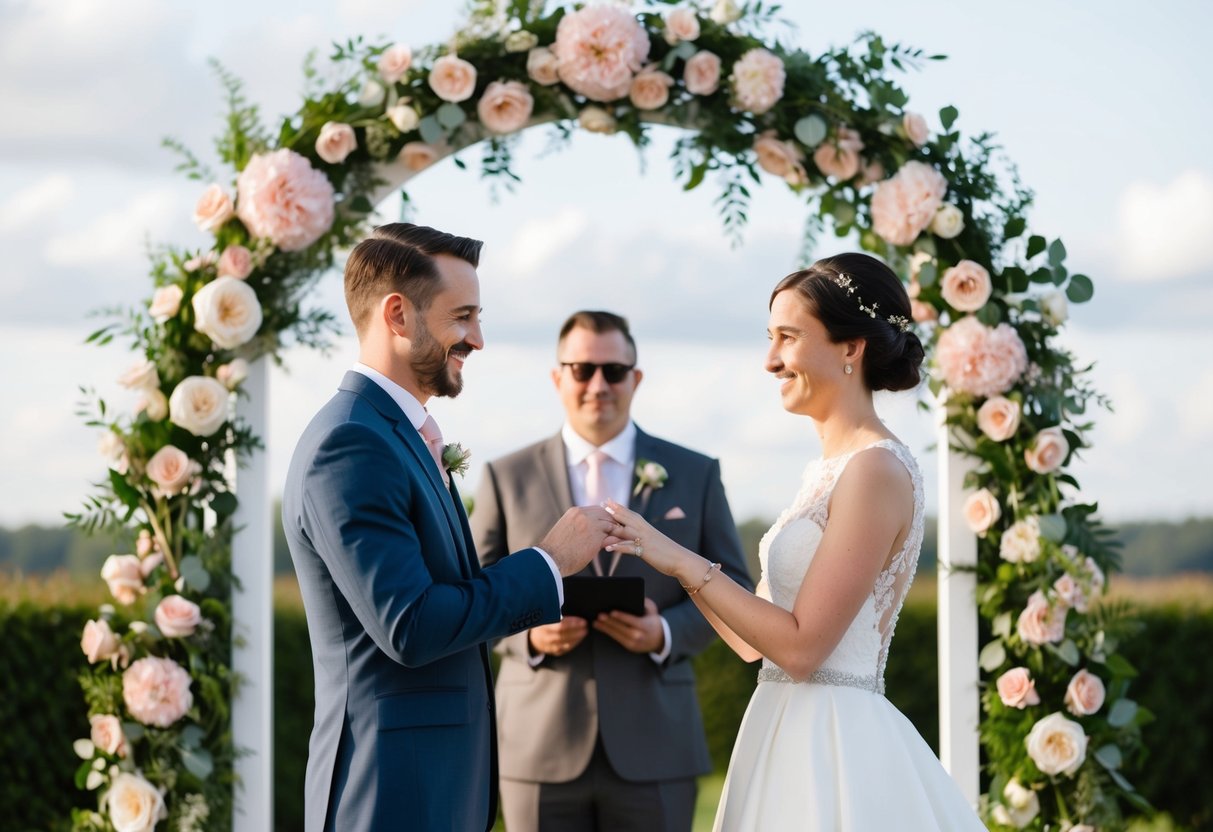
When planning your wedding, selecting a color palette is an essential step. Your colors set the mood for your ceremony and reflect your personal style. Thinking about seasonal influences and the emotions tied to different colors can help you make the best choices.
Seasonal Inspirations
Different seasons bring unique colors that inspire various wedding themes. For a summer wedding, consider vibrant colors like coral, turquoise, or sunny yellows. These shades evoke warmth and joy, perfectly matching the spirited atmosphere of summer.
In contrast, spring weddings can incorporate pastels such as blush pink, lavender, and mint green. These soft hues symbolize renewal and love blooming. For fall, think shades of orange, burgundy, and gold, reflecting the changing leaves and warm tones of the season.
Winter weddings often embrace deep reds, royal blues, and silver, creating a cozy yet elegant vibe. Choosing colors inspired by the season helps create a harmonious feel throughout your wedding.
Color Schemes and Emotions
Each color holds a special meaning and can evoke different emotions. For instance, red represents passion and love, making it a popular choice for wedding colors. Blue, often linked to tranquility and harmony, creates a serene atmosphere.
Consider yellow for cheerfulness and happiness in your wedding color palette. It can brighten your decor and lift spirits. Conversely, green signifies growth and fertility, making it an excellent choice for couples who want to symbolize their journey together.
Make sure to select colors that resonate with you and your fiancé. Your wedding colors should reflect your personalities and emotions, helping to create the perfect backdrop for your special day.
Implementing Your Color Choice in Wedding Design
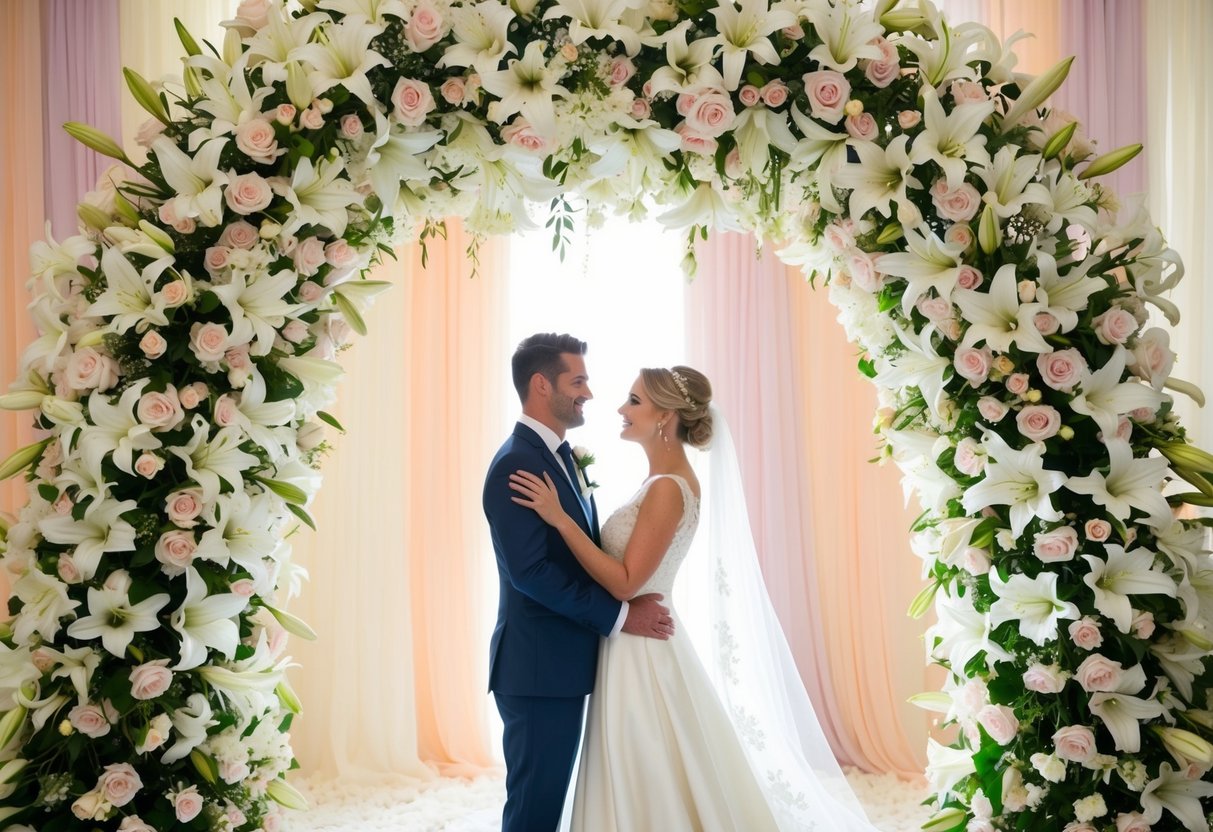
Choosing the right colors for your wedding is just the beginning. It’s essential to implement these colors thoughtfully in every part of your wedding design, from attire to décor. This ensures a cohesive look that reflects your style.
Wedding Attire and Accessories
Your wedding gown is often the centerpiece of your color scheme. Choose a dress that complements your main color and consider adding accent colors through accessories. For example, if your primary color is soft lavender, silk sashes or shoes in a deeper purple can add depth.
Bridesmaid dresses should echo your chosen palette. If you opt for a bold color, think about a mix-and-match approach, allowing your bridesmaids to wear different styles in the same hue. This adds visual interest while keeping within your theme. Don’t forget about accessoriesing your bridal party with matching jewelry or flower crowns that tie into your color scheme.
Decor and Floral Arrangements
Décor sets the mood for your wedding. You can use your main color in items like table linens, chair sashes, and wedding invitations. These elements should flow together to create a stunning overall look.
Flowers are a beautiful way to incorporate your colors. Select blooms that resonate with your scheme, whether it’s vibrant roses or soft peonies. Mixing different shades in your floral arrangements can create a layered effect that is visually appealing.
Create an inspiration board to gather ideas for both attire and décor. This can help you visualize how all your color choices work together. It will guide you in selecting elements that fit your theme perfectly.