
What Day of the Week Should You Have a Destination Wedding? Tips for Choosing the Perfect Date
Choosing the right day for your destination wedding can make a big difference in your guests’ experience. Many people have the weekend off, so a Saturday wedding is often the best option. This makes it easier for them to travel and attend. A Saturday wedding allows your loved ones to arrive on Friday and recover on Sunday before heading back home.
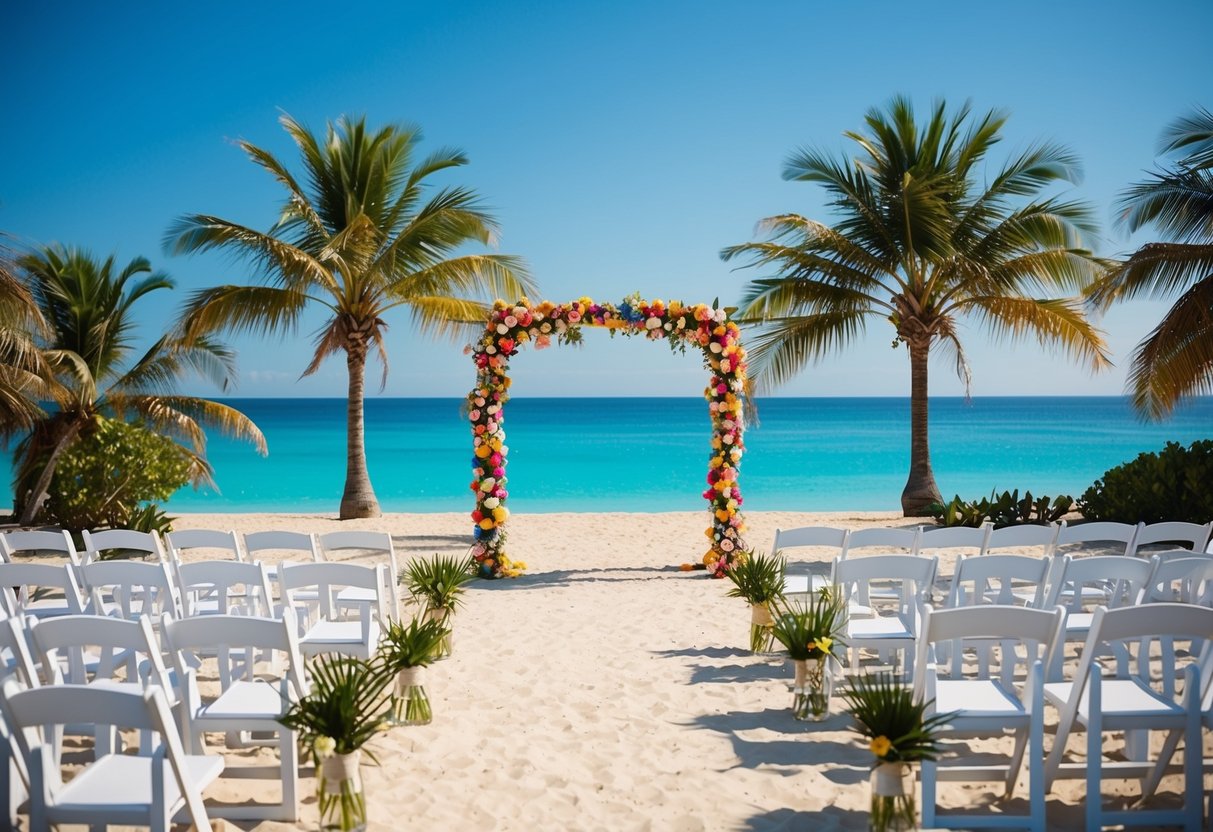
If you’re considering a weekday wedding, it can be a unique option that may save you money but comes with its own challenges. Weekday weddings often mean fewer guests can come, as many will need to take time off work. It’s important to weigh these factors carefully when planning a destination wedding to ensure a joyful celebration for you and your guests.
Along with selecting the best day, there are various other wedding tips that can help you with planning a destination wedding. From choosing venues to creating a timeline, every detail counts when you want your big day to be memorable.
Choosing Your Wedding Date
Selecting your wedding date is a crucial decision for your destination wedding. Consider the importance of the day of the week, the best months for your location, and any legal requirements that might influence your plans.
Pros and Cons of Weekday Weddings
Hosting a weekday wedding can offer some benefits. Venues are usually less expensive and more available. Your guests may find it easier to attend since travel costs could be lower.
Still, there are drawbacks. Many guests may need to take off work, which can limit attendance. A weekday wedding may also mean fewer celebrations afterward, as guests head back to their regular routines.
Considering Seasons and Months
Choosing the right month and season is vital. Think about the climate at your chosen destination. For instance, summer may be beautiful in some places, but others might be sweltering.
If you dream of a winter wedding, make sure your venue has great indoor options. Popular months, like May or September, attract more crowds, which could affect prices and availability.
Understanding Legal Requirements
Don’t forget to check the legal requirements for your marriage. Each state or country has different rules about weddings.
You may need certain documents, such as passports or birth certificates. Some places also have waiting periods or specific times when you can get married. It’s important to review these details well in advance to avoid any stress.
Planning and Coordination

Planning a destination wedding involves careful coordination to ensure everything runs smoothly. From hiring the right professionals to creating a detailed timeline and managing your guest list, each aspect is essential for a successful event.
Hiring a Wedding Planner
A wedding planner can be your best friend when planning a destination wedding. They have experience with the local vendors and can help you navigate logistics.
Look for someone who specializes in destination weddings. They should understand the area and have a network of reliable contacts. This could include caterers, florists, and musicians.
When interviewing planners, ask about their experience with similar weddings. Discuss your vision and budget to ensure they’re a good fit. A planner can save you time and stress, allowing you to enjoy the planning process.
Creating a Detailed Timeline
A detailed timeline is crucial for keeping your wedding on track. Begin by outlining major events, like the ceremony and reception.
Next, break down tasks into smaller steps. For example, schedule when to send invitations, finalize contracts, and confirm details with vendors. Use tools like spreadsheets or wedding planning apps to keep everything organized.
Share your timeline with your planner and vendors. This helps everyone stay informed and accountable. Remember to build in time for unexpected delays. Flexibility is key, especially with destination weddings.
Managing the Guest List
Your guest list plays a big role in planning a destination wedding. Start by deciding who to invite based on your budget and venue capacity.
Create a list that includes contact information and RSVP details. This will help you track responses and make arrangements for transportation or accommodations.
Send out invitations well in advance, ideally 3-6 months before the wedding. This gives guests enough time to plan their travel. Consider using online tools for RSVPs, which can simplify communication and help you keep everything organized.
Logistics for Guests and Events
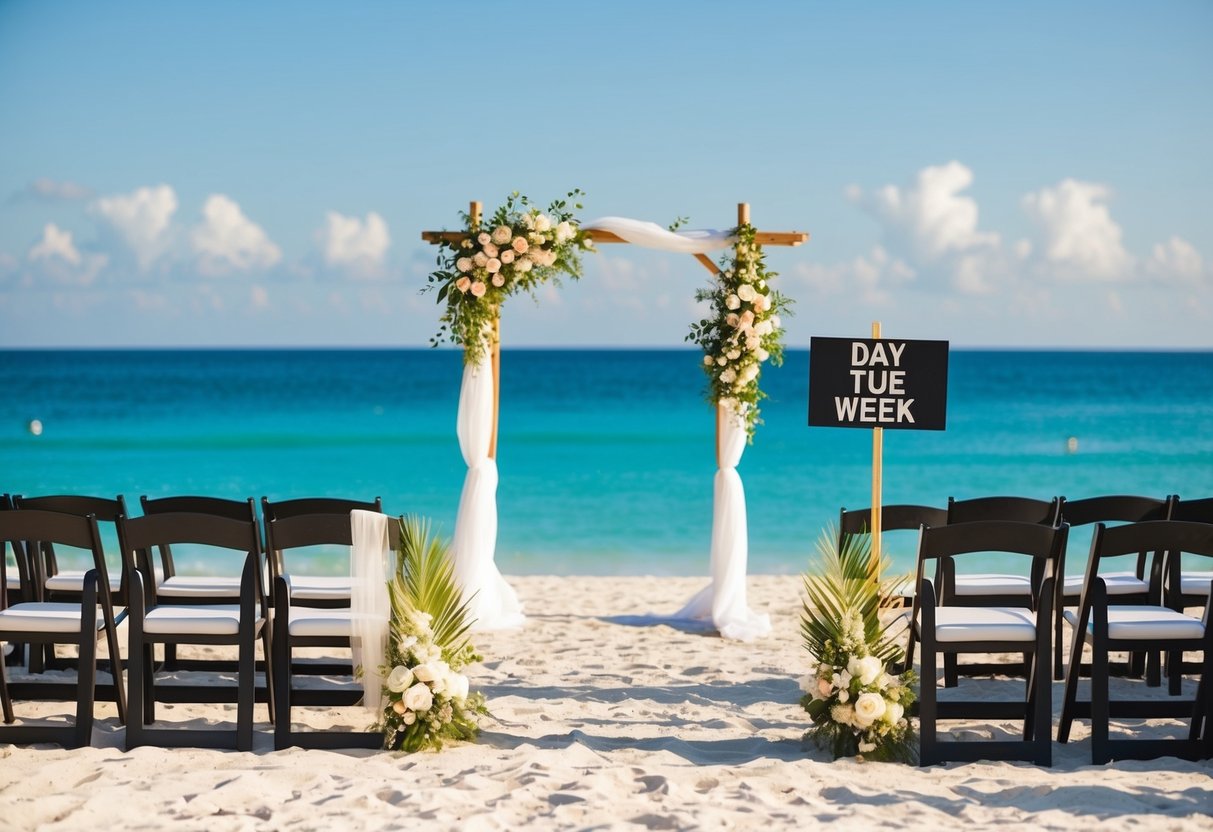
Planning your destination wedding includes making sure your guests have a smooth experience. Focus on selecting the right venue, organizing travel and accommodations, and scheduling fun activities around the wedding. Each part plays a vital role in helping everyone enjoy the celebration.
Selecting the Right Venue
Choosing your wedding venue is key. Consider locations that are easy for guests to access. Look for venues with adequate space for your ceremony and reception, plus options for a welcome dinner or rehearsal dinner. Outdoor settings can be beautiful, but make sure there are indoor alternatives in case of bad weather.
You might want to visit potential venues beforehand. This helps you envision your day. Check if the venue offers packages that include catering and decoration. A venue that understands your vision can make all the difference.
Organizing Travel and Accommodations
Think about how your guests will get to your wedding. Provide clear information on travel options. This includes nearby airports and transportation methods. You might consider arranging group discounts for flights or shuttles.
Next, help your guests find places to stay. Research hotels close to the venue and negotiate group rates. Share this information with your guests early. An itinerary can include links to hotels, along with special rates and codes. This makes planning their stay much easier.
Scheduling Pre and Post-Wedding Activities
Plan activities before and after your wedding to make the most of the trip. Organizing a welcome dinner allows guests to mingle and get to know each other. You can host this at a local restaurant or your venue.
After the big day, a post-wedding brunch can be a lovely gesture. This gives everyone the chance to relax and share stories about the day. You can also suggest local attractions or activities based on your guests’ interests. This personal touch can create lasting memories for everyone.