
What Do a Groom’s Parents Pay For? Understanding Their Wedding Contributions
As you navigate the exciting journey of wedding planning, you might wonder about the financial responsibilities of both families. Many people ask, the groom’s parents typically pay for the engagement party, and they may also cover costs such as the groom’s attire, the rehearsal dinner, and certain wedding day expenses. This tradition can help ease the financial burden on the couple while also involving the groom’s family in the celebration.
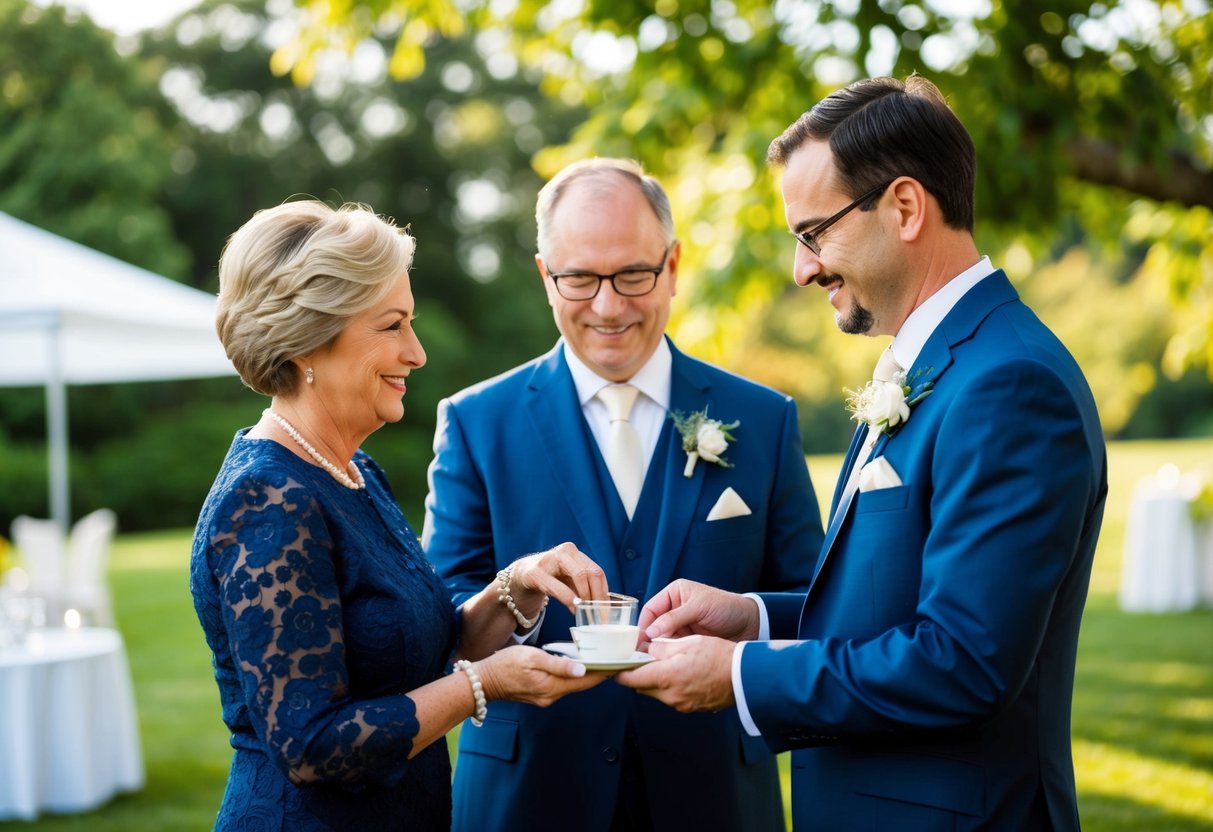
Understanding wedding etiquette can be tricky, and knowing who pays for what can lead to confusion. While the bride’s family often takes care of many major expenses, like the ceremony and reception, the groom’s parents play a significant role in other areas. They might also contribute by paying for the honeymoon or assisting with the wedding costs if needed.
Clear communication between families is essential in these situations. Open discussions about finances can make decisions easier and help ensure everyone is on the same page regarding their responsibilities. This approach not only fosters harmony but also allows both families to feel included in your special day.
Setting the Financial Framework
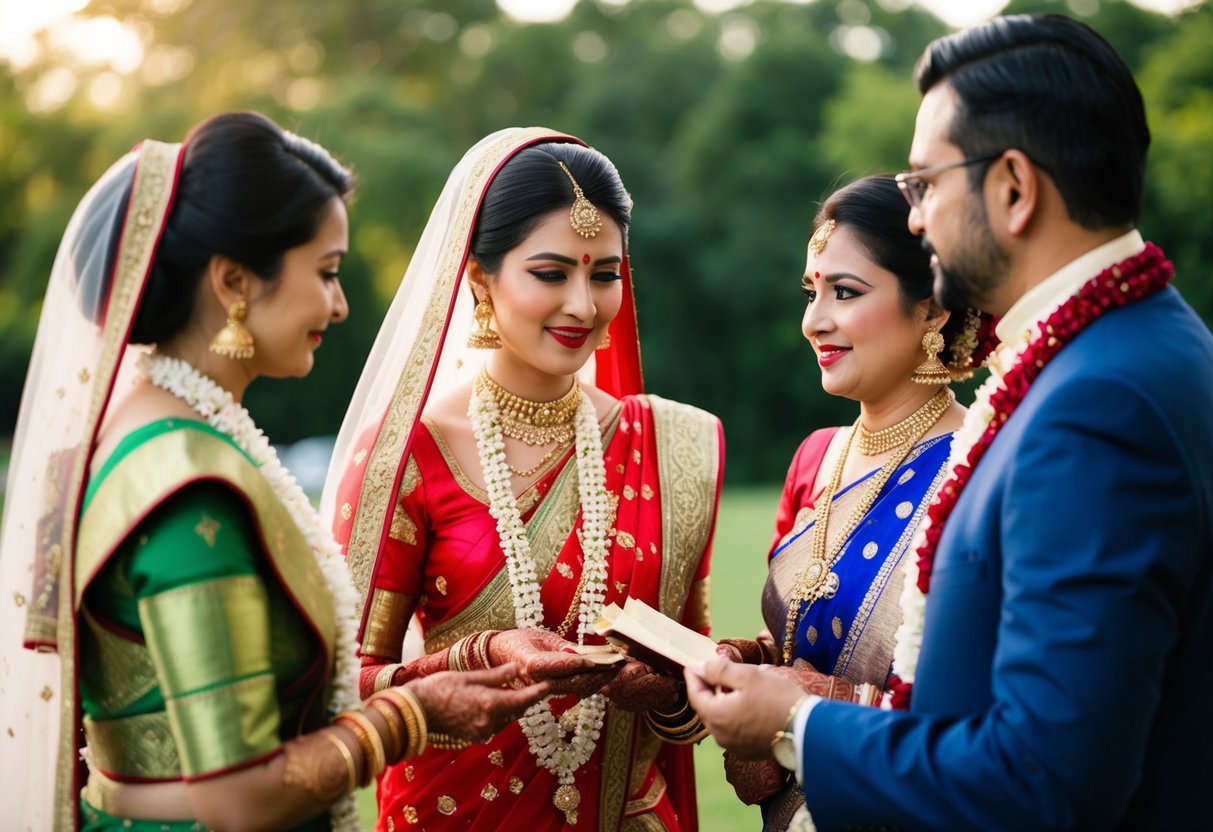
Planning a wedding involves many costs, and understanding your budget is vital. Start by discussing with your partner what each family traditionally covers. This helps set expectations and avoid misunderstandings.
Open communication with your families is key. Talk about how much each family can contribute. This way, you can map out your wedding budget together. A clear financial plan makes everyone feel included in the process.
Here’s a simple outline of potential contributions:
-
Groom’s Parents:
- Wedding rings
- Rehearsal dinner
- Officiant’s fee
- Personal flowers for the groom and groomsmen
-
Bride’s Family:
- Venue costs
- Reception costs
- Wedding dress and accessories
This division may vary based on family traditions.
Consider making a list of all wedding costs. This can include venue rental, catering, photography, and decor. Track expenses to stay within your budget.
Remember: Flexibility helps. If costs exceed your expectations, discuss how to adjust things together.
Pre-Wedding Events and Attire

When planning pre-wedding events, your family has some important roles. The groom’s parents often help organize and cover costs for various celebrations.
Engagement Party: This event usually welcomes friends and family to celebrate your engagement. The groom’s parents might host or help finance this party.
Rehearsal Dinner: Typically held the night before the wedding, this dinner is a chance for everyone to relax. The groom’s parents often pay for the venue, food, and drinks for the rehearsal dinner.
Groom’s Attire: The groom’s parents may cover costs for his wedding day outfit. This includes the suit, shoes, and accessories to create a polished look.
Groomsmen Gifts: It’s common for the groom’s family to contribute by purchasing gifts for the groomsmen. These gifts show appreciation for their support.
Mother of the Groom: The mother plays a special role too. She may help with event planning or assist the groom with attire selection.
Ceremony and Reception Contributions

The groom’s parents often play a big role in covering costs for the wedding ceremony and reception. Here are some common contributions they might make:
-
Marriage License: This legal document is a must-have for your wedding. Your groom’s parents might help pay for this important fee.
-
Officiant Fee: The person who leads your ceremony usually requires payment. The groom’s family may choose to cover this cost as well.
-
Decorations: Beautiful decorations set the mood for your big day. The groom’s parents might assist with costs for flowers, centerpieces, and other decor.
-
Wedding Flowers: This includes bouquets and arrangements for both the ceremony and reception. The groom’s family may help purchase these lovely elements.
-
Boutonnieres and Corsages: These small floral arrangements are important for key family members. The groom’s parents might contribute to the cost of these special touches.
Reception Expenses
At the reception, there are several areas where the groom’s parents can help out:
-
Food and Beverages: Your guests will appreciate a good meal. The groom’s parents might chip in to enhance the menu or provide a premium dining experience.
-
Reception Alcohol: An open bar can make your celebration more enjoyable. The groom’s parents often cover costs for drinks, toasts, or other festive beverages.
Post-Wedding Considerations

After the wedding, there are some important details you should think about.
Honeymoon Costs
If your parents contributed to your wedding, they might also help with part of your honeymoon expenses. Discuss this with them to see if it’s possible.
Wedding Gifts
You will receive many gifts from your family and friends. Keep track of what you receive, as this will help when sending thank-you notes.
Wedding Registry
The registry helps guests know what you need. If your parents supported you by helping create the registry, share it with family and friends.
Thank-You Notes
Make it a priority to send thank-you notes. Write a personal note to each person who gave you a gift. This is a great way to show appreciation for their support.
Consider setting aside time to complete this task after the honeymoon. Taking care of these details helps maintain good relationships with family and friends.
Stay organized and keep everything on your checklist. You will feel good knowing everything is handled properly!