
What Do Bride and Groom’s Parents Pay For? A Guide to Wedding Expenses
Planning a wedding can be financially stressful. Traditionally, the bride’s family covers most wedding expenses, but the groom’s family also has specific roles and contributions. Understanding this can ensure that everyone involved knows their responsibilities and can contribute in meaningful ways.

You might be wondering what exactly each side is expected to cover. From the engagement ring to the wedding reception, there are various costs that can be divided or shared. Knowing these details can help you and your families plan better and avoid surprises on your big day.
In today’s weddings, families often work together to share costs, making it important to have open discussions about finances. By exploring the details of what each family traditionally pays for, you can align your expectations and work together to create the wedding of your dreams.
Understanding Financial Responsibilities

When planning a wedding, understanding who pays for what can make a big difference. Knowing the financial responsibilities of both families helps ease stress and ensures everyone is on the same page.
Division of Wedding Expenses
Traditionally, the bride’s family pays for most of the wedding costs. This can include the venue, catering, and decorations. The groom’s family often covers the rehearsal dinner, gifts for the groomsmen, and sometimes the bride’s rings.
Here’s a quick look at common expenses and who often pays:
- Bride’s Family: Venue, catering, floral arrangements
- Groom’s Family: Rehearsal dinner, groomsmen’s attire
- Couple: Honeymoon, personal expenses
It’s essential to discuss these roles early in the wedding planning process. Open communication can help avoid misunderstandings and ensure all wedding costs are covered.
Budget Planning Considerations
Creating a wedding budget is key to managing financial responsibilities. Start by making a list of all potential expenses. This helps you see the bigger picture.
Consider these steps:
- List Expenses: Identify all wedding costs, such as venue, food, and attire.
- Discuss Contributions: Talk with both families about how much they can contribute.
- Prioritize: Determine what areas are most important to you and allocate funds accordingly.
Planning together fosters teamwork and ensures that you’re all aligned on how to handle the wedding budget. Keep that communication going throughout the planning process to avoid surprises.
The Bride’s Family Contributions
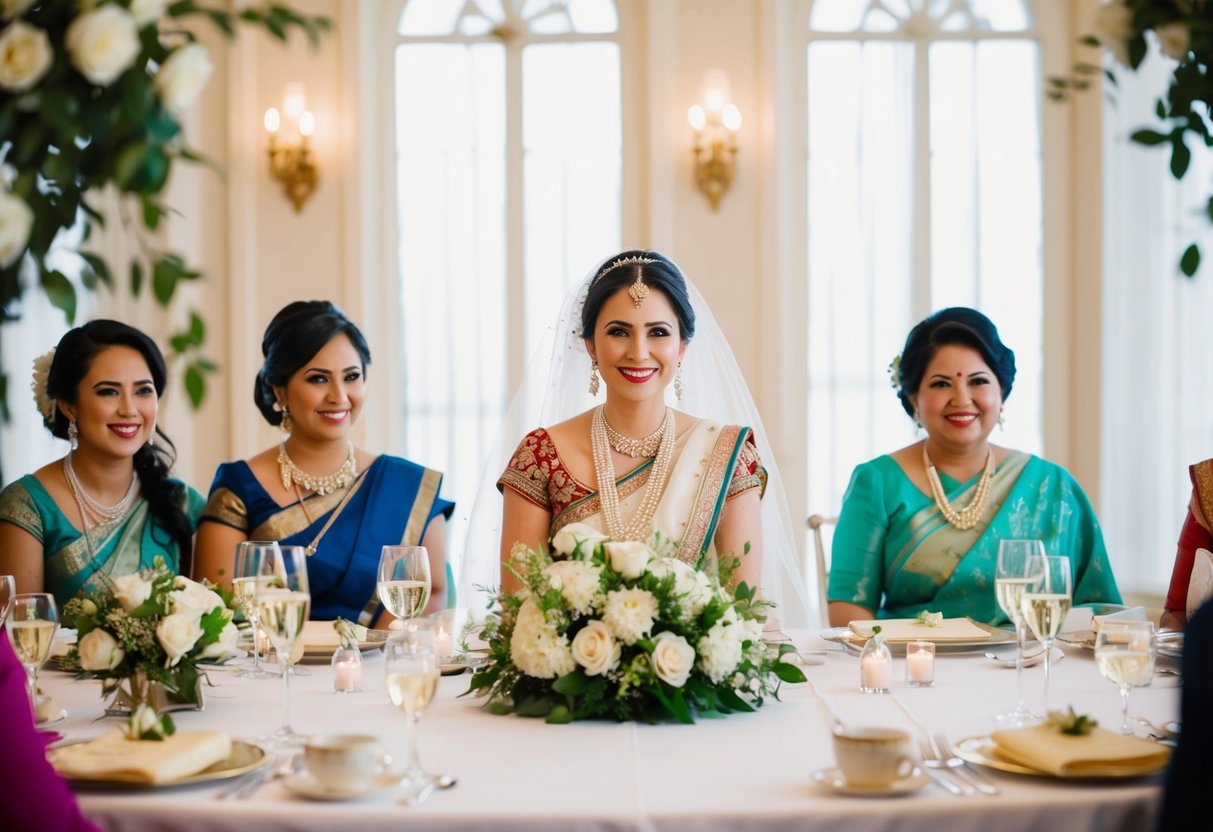
The bride’s family typically takes on several important expenses for the wedding. Their contributions often cover key elements such as the ceremony and reception, ensuring that the special day goes smoothly and is memorable.
The Wedding Ceremony
Your family will likely cover the costs associated with the wedding ceremony. This includes expenses for the venue where the vows will be exchanged.
They also usually pay for the wedding dress, which is often a significant expense. This beautiful gown holds special meaning and can be a cherished family item. Other costs include wedding flowers, like the bride’s bouquet, which adds elegance to the ceremony.
Additionally, your family may host the bridal shower, a special event to celebrate the bride-to-be. These gatherings typically involve food, decorations, and sometimes games or activities.
Reception Details
For the wedding reception, your family often contributes to various expenses that create a joyful celebration. This includes the venue fee, which can vary greatly depending on the location and size.
They usually cover the costs of the wedding cake, an important centerpiece that symbolizes the couple’s union. Reception alcohol is another significant expense, helping to keep the celebration lively and enjoyable for guests.
Your family may also help pay for the food served at the reception, ensuring that everyone enjoys a delicious meal. Together, these contributions play a vital role in organizing a wonderful event that everyone can enjoy.
The Groom’s Family Contributions
The groom’s family plays an important role in wedding preparations. Their contributions help to ease the financial load and ensure a memorable celebration.
Groom’s Attire and Accessories
Your attire is a big part of the wedding day. Traditionally, the groom’s family covers the cost of the groom’s suit or tuxedo. This includes all essential accessories such as a tie, cufflinks, and shoes.
In some cases, they might also pay for the groom’s wedding band. It’s nice to discuss these details with your parents to understand what they are willing to contribute. If you have a specific style in mind, consider sharing that with them. It helps make the shopping experience enjoyable.
Pre-Wedding Gatherings
Another key area of contribution is in pre-wedding gatherings. The groom’s family often organizes and pays for the rehearsal dinner. This event brings together both families and close friends, offering a chance to connect before the wedding day.
Additionally, they might host a welcome party for out-of-town guests. This gesture shows hospitality and sets a warm tone for the upcoming celebration. Always communicate with your parents about plans and budgets to ensure everything runs smoothly.
Shared Expenses and Traditions

When planning a wedding, there are expenses that both the bride and groom’s parents commonly share. Understanding these traditional roles can help ease financial stress and clarify responsibilities.
Engagement Celebrations and Rings
Traditions around engagement celebrations vary, but often both families contribute. The bride’s family might host an engagement party, celebrating the upcoming marriage with friends and relatives.
The groom typically purchases the engagement ring, but it’s also common for his parents to help with this significant expense. Engagement rings can be expensive, and some couples appreciate the support from both sets of parents.
Additionally, those planning to marry should consider the cost of the marriage license, which can also be a shared expense among both families.
Professional Services and Final Touches
Both sets of parents usually share the costs for critical wedding elements. One of these shared obligations is the officiant’s fee. This fee supports the person who will lead the wedding ceremony.
You may also find that parents contribute to hiring a wedding planner to simplify the planning process. Additionally, costs for photography and videography, which capture the day’s memories, can be divided among families.
For the wedding day, parents often assist with the hair and makeup for the bride, floral arrangements for the ceremony, and even invitations for guests. Planning a guest list also usually involves input from both families to ensure everyone feels included.