
What Do Brides Normally Walk Down the Aisle To? A Guide to Choosing the Perfect Processional Music
Choosing the right music for your wedding ceremony sets the mood for a beautiful and memorable moment. As a bride, you likely want to create an atmosphere that reflects your personality and love story. Brides usually walk down the aisle to traditional songs, modern tunes, or even something unique that has special meaning to them.
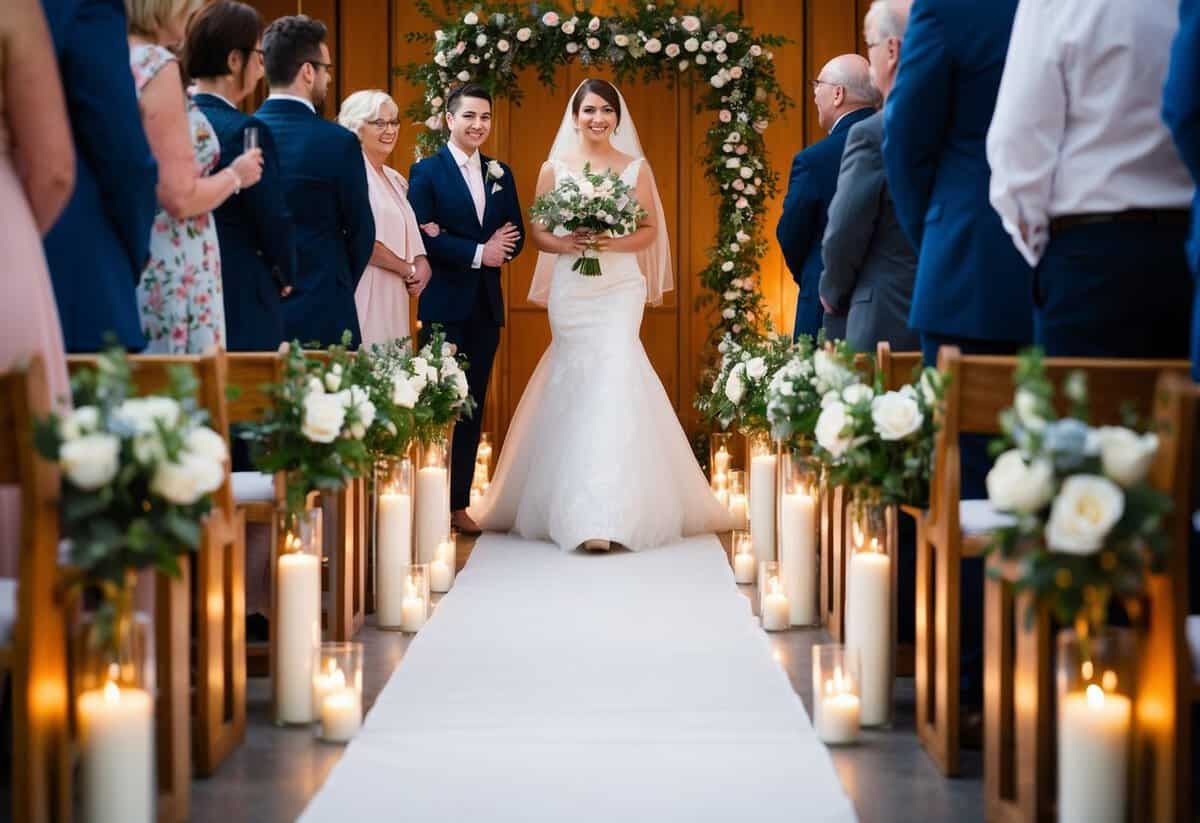
Many popular choices include classical pieces like Pachelbel’s “Canon in D,” while others might opt for contemporary songs that resonate with their journey as a couple. You can also personalize the experience by selecting a song that holds sentimental value or one that reminds you of a cherished memory together.
It’s important to think about what kind of vibe you want as you make your unforgettable entrance.
The music you choose can enhance the emotions felt during the ceremony and create a special ambiance for you and your guests. Whether you prefer a soft instrumental or an upbeat anthem, what matters most is that it feels right for you on your big day.
The Processional Order
The order in which everyone walks down the aisle plays an essential role in your wedding ceremony. Different traditions have specific customs for who goes first and how they enter. Understanding these can help you create the perfect atmosphere for your special day.
Traditional Christian Processional Order
In a traditional Christian ceremony, the wedding processional starts with the officiant walking to the altar. Next, the grandparents and parents, often seated in order of family importance, follow. The groom may enter soon after, typically with his groomsmen.
Then, the bridesmaids walk down the aisle in pairs, starting with those farthest from the bride. The maid of honor is usually the last to walk before the bride. Finally, the bride walks down the aisle, often escorted by her father or both parents. This order sets a formal tone for the ceremony, marking the importance of each role.
Jewish Wedding Processional Order
For Jewish weddings, the processional has unique elements and significance. The ceremony often begins with the groom’s entrance, sometimes accompanied by his parents. After him, the bridesmaids walk down the aisle, followed by the bride’s parents.
The bride typically walks down the aisle next, under the chuppah, which symbolizes the couple’s new home. This signifies the start of their life together. The groom stands beneath the chuppah with his best man. This procession emphasizes family and community, making it a heartfelt experience.
Hindu Wedding Processional Order
In Hindu weddings, the processional can be quite elaborate. It often begins with the baraat, where the groom arrives with his family and friends, usually accompanied by festive music. The groom may ride in a decorated vehicle, leading the celebration.
After the baraat, the bride’s family welcomes the groom’s party. The bridesmaids and flower girls may follow, walking gracefully. Both sets of parents often escort the bride to the mandap, where the ceremony occurs. This order emphasizes celebration, family ties, and a vibrant culture.
Nondenominational Processional Orders
Nondenominational weddings can be more flexible, allowing couples to create their own processional order. You may choose to have the ceremony reflect your personalities and preferences.
A common approach starts with the officiant, followed by the groom and groomsmen. Then, the bridesmaids walk down the aisle, often paired with the groomsmen. You might follow with the flower girl and ring bearer. Finally, you make your grand entrance with your parents. This flexibility allows you to design a processional that fits your vision beautifully.
Selecting the Perfect Aisle Music
Choosing the right music for your walk down the aisle can set the emotional tone for your entire ceremony. The music you pick can reflect your style, evoke special memories, and create a memorable experience for you and your guests.
Traditional Wedding Marches
Traditional wedding marches are timeless choices that many brides have embraced for generations. Two of the most popular pieces are “Here Comes the Bride” and the “Wedding March.”
-
“Here Comes the Bride,” from Wagner’s opera Lohengrin, is often used to announce the bride’s entrance. It is romantic and grand, making it a classic.
-
After the ceremony, many brides opt for Mendelssohn’s “Wedding March” as they walk back down the aisle with their new spouse. This lively piece brings joy and celebration.
These traditional options add a sense of formality and elegance to your wedding.
Contemporary Song Choices
If you want to break from tradition, contemporary songs can bring a personal touch to your ceremony. You might consider tracks that resonate with you and your partner.
For example, “At Last” by Etta James offers a soulful and heartfelt vibe. It celebrates love and can create an intimate moment as you enter.
Other popular choices include modern ballads or instrumental pieces. Think about songs that hold meaning for both of you or have played during important moments in your relationship.
This is a chance to express your style while making the moment truly yours.
Personal Significance and Unique Selections
Selecting music with personal significance can make your aisle walk even more memorable. Consider songs that remind you of special moments shared with your partner.
You might choose a song from your first date or a favorite movie. It can be anything from a sweet acoustic rendition to a favorite upbeat tune.
Unique selections showcase your personality perfectly. If you love a specific genre, like indie or folk, don’t hesitate to incorporate that into your processional.
The important thing is that the music connects to your story and creates a special atmosphere on your big day.
Roles and Responsibilities
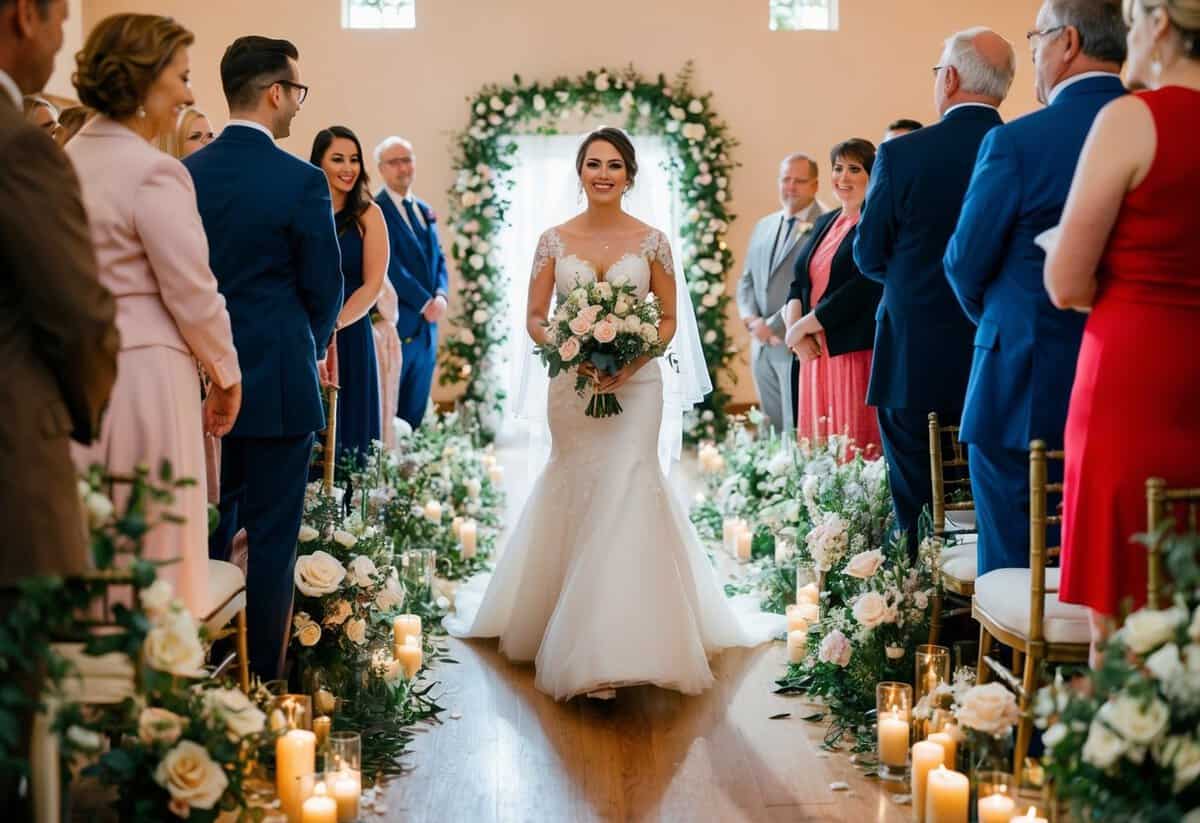
Understanding the roles and responsibilities of everyone involved in the wedding can help ensure a smooth and joyful ceremony. Each person plays a key part in making the day special for the bride and groom.
Duties of the Wedding Party
The wedding party supports you throughout your big day. This group typically includes the best man, maid or matron of honor, bridesmaids, flower girl, and ring bearer.
Each member has specific tasks. Your wedding planner will coordinate the day’s events, ensuring everything runs smoothly. The best man assists the groom, usually taking care of the rings and giving a speech. The maid or matron of honor helps you with planning and gets you ready for the ceremony.
Bridesmaids, close friends or family members, provide emotional support and help with details. The flower girl and ring bearer add a charming touch as they walk down the aisle before you.
The Bride and Her Escort
As the bride, your moment walking down the aisle is a highlight of the ceremony. You typically walk with an escort, which can be your father or another significant person in your life.
This special moment symbolizes support and love as you transition to your new life. Discuss with your escort how you want to walk down the aisle, whether you want to slow down or enjoy specific music during the grand entrance.
The choice of music can also set the tone for this beautiful moment. Make sure your escort understands the significance of this walk and the emotions tied to it.
Maid or Matron of Honor and Bridesmaids
Your maid or matron of honor has vital responsibilities. She will assist you throughout the wedding planning process. This includes helping you pick out dresses or manage details on your special day.
Bridesmaids are essential too. They stand by your side and participate in pre-wedding events. They often help with DIY projects, organize bridal showers, and attend dress fittings. Support from the bridal party can help reduce your stress.
On the day of the wedding, your maid of honor will assist you in managing your dress, holding your bouquet, and making sure you stay calm. This role is crucial for a seamless experience.
Responsibilities of the Groom and Best Man
The groom’s role is just as important as yours. He should communicate openly with you and share in big decisions.
The best man is his right-hand man, responsible for organizing the bachelor party and assisting with the ceremony.
On the wedding day, the best man ensures the groom is ready and calm. He holds the wedding rings and is often in charge of delivering the groom’s speech during the reception.
Together, the groom and best man set the tone for the celebration. Their teamwork creates a positive atmosphere for all guests.
Clear communication and support among the wedding party ensure everyone enjoys the celebration.