
What Do Celebrants Do at Weddings? Understanding Their Role in Your Special Day
Hiring a wedding celebrant can bring a special touch to your big day. A celebrant is not just there to officiate; they play an essential role in crafting your unique wedding ceremony. They help personalize the entire experience, ensuring it reflects your love story and values.
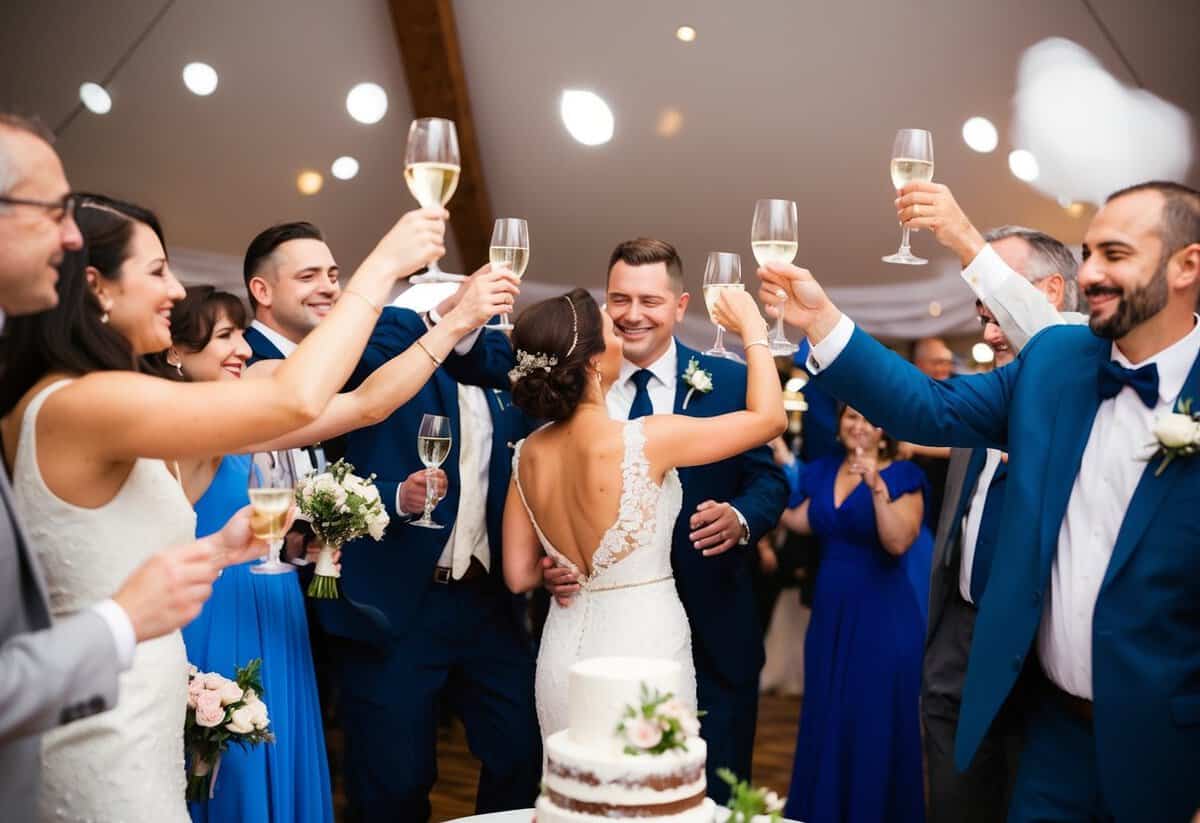
From the first meeting to the last moment of the ceremony, celebrants work closely with you to design a meaningful and memorable event. They can suggest readings, vows, and rituals that resonate with you and contribute to a heartfelt atmosphere. This personalized approach sets celebrants apart from traditional officiants and allows you to celebrate your relationship in a way that truly feels like you.
Whether you’re looking for a simple gathering or a grand event, a celebrant enables you to express your individuality. They ensure that your ceremony is not only formal but also filled with joy and connection. By choosing a wedding celebrant, you’re opening the door to a service that prioritizes your hopes and dreams for a perfect wedding day.
Understanding Celebrants
Celebrants play a significant role in making your wedding ceremony unique and meaningful. They provide various services and options that can help you create the perfect celebration. Here’s what you need to know about the different types of celebrants, their roles, and the benefits of choosing one for your big day.
Types of Celebrants
There are several types of celebrants you might consider for your wedding. The most common are independent celebrants and humanist celebrants.
-
Independent Celebrants can customize your ceremony to reflect your personal beliefs and values. They are not tied to any specific religion and can offer flexibility in how your ceremony is conducted.
-
Humanist Celebrants focus on secular ceremonies. They emphasize values and commitments rather than religious elements. This is perfect for couples who want a ceremony that reflects their personal views without religious ties.
Understanding the type of celebrant you prefer can help set the tone for your wedding.
Role of a Wedding Celebrant
A wedding celebrant has several important responsibilities. They are essential in crafting and performing your wedding ceremony.
First, they will meet with you to learn about your love story and what you envision for the day. This helps them create a personalized script that reflects your journey as a couple.
Additionally, they handle all the legal paperwork required for marriage. This includes managing the Notice of Intended Marriage (NOIM) form and marriage certificates.
Your celebrant will also guide you through the ceremony, ensuring everything flows smoothly. Their role is to help create a memorable experience that captures the essence of your relationship.
Benefits of Choosing a Celebrant
Choosing a celebrant offers many advantages. One key benefit is the flexibility they provide in planning your ceremony. You can choose the venue, style, and content that best suits you.
Celebrants can also incorporate special traditions or personal touches that resonate with you and your family. This level of customization can make your ceremony truly unique.
Another advantage is the celebration of love without the constraints of traditional religious ceremonies. A celebrant can help you express your values and beliefs, making the ceremony more meaningful.
By opting for a celebrant, you open the door to a variety of creative and heartfelt possibilities for your wedding day.
Pre-Wedding Responsibilities
Before your big day, a celebrant plays a key role in planning and preparing for your wedding. They ensure everything is organized, legal, and personalized for you. Here’s what to expect in this important phase.
Initial Consultation and Planning
During the initial consultation, your celebrant will get to know you and your partner. This is your chance to share your story, values, and preferences. Expect a warm and friendly conversation as they gather insights about your vision for the ceremony.
Your celebrant will also discuss logistics, such as the ceremony location and timeline. They might ask questions like:
- What style do you envision for the ceremony?
- Are there specific rituals you want to include?
- How many guests are you inviting?
This collaborative approach helps ensure that your wedding day reflects your unique relationship.
Developing the Ceremony Script
After getting to know you, the celebrant will start crafting the ceremony script. This script is crucial as it guides the entire event. It will include elements like your vows, readings, and any special rituals you choose.
Your celebrant aims to create a script that resonates with you. They might ask for input on specific vows or readings. You can suggest personal touches, like anecdotes or quotes that are meaningful to your relationship.
The celebrant will draft a few versions of the script and share them with you. This process allows for any changes or adjustments to ensure it feels just right.
Legal Forms and Preparation
A vital part of your celebrant’s role is handling the legal aspects of your marriage. This includes ensuring you have all necessary legal forms ready for your wedding day.
They will guide you in applying for a marriage license and inform you about the required documentation. It’s crucial to complete this step early, as different locations have varying laws and timelines.
On your wedding day, your celebrant will be responsible for signing the marriage certificate with you and your witnesses. This ensures that your marriage is recognized legally. Your celebrant’s attention to legal details helps you focus on enjoying your special day.
Ceremony Execution
In your big day, the celebrant plays a crucial role in executing the ceremony smoothly. They ensure everything runs on time and includes any special rituals you wish to incorporate.
Conducting the Ceremony
Your celebrant will lead the wedding ceremony, whether it’s a civil ceremony or a more personalized celebration. They start by welcoming guests and setting a warm tone for the event. This creates a friendly atmosphere that makes everyone feel comfortable.
The celebrant guides you through the ceremony script, which is often customized to reflect your story. They encourage you to include meaningful elements, like music or personal stories. If you’re doing a handfasting or sand ceremony, they explain the significance of these traditions and involve everyone in the moment. Every detail matters, and your celebrant will make sure it’s just right.
Ceremony Rituals and Traditions
Incorporating unique rituals can add depth to your ceremony. For example, handfasting symbolizes the binding of your lives together, while a sand ceremony visually represents your union. Your celebrant will explain these rituals to your guests and make them feel included.
If you choose traditional vows, your celebrant will help you with a script that reflects your feelings. They may also suggest adding personalized vows for a special touch. Your celebrant makes sure that every ritual flows seamlessly, enhancing the emotional connection of the day. By focusing on these elements, your ceremony will be memorable and meaningful for everyone involved.
After the Ceremony
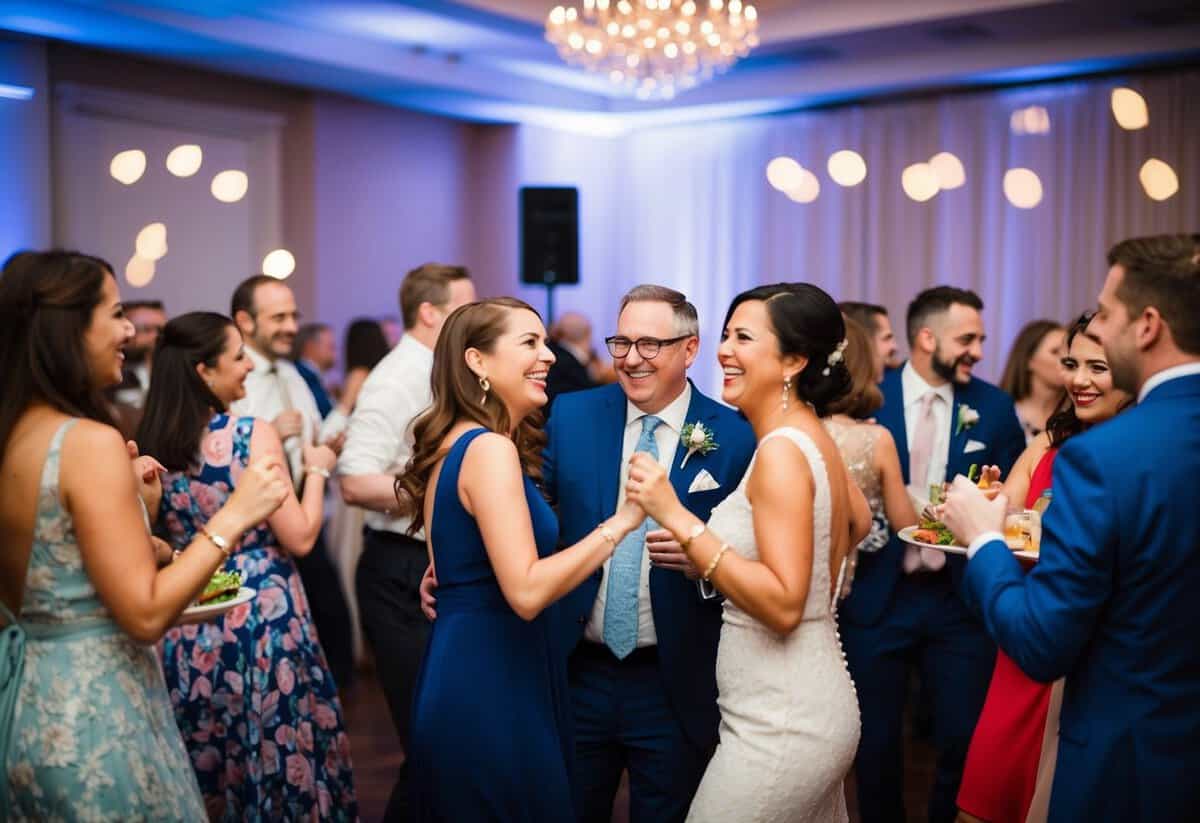
After your wedding ceremony, there are important steps that your marriage celebrant takes to ensure everything is complete and ready for you. This includes handling legal paperwork and offering additional services to make your day even more special.
Finalizing Legal Documentation
Right after the ceremony, your celebrant will sign the marriage license. This step is essential, as it legally binds your union. Each state has different rules, so your celebrant will ensure all paperwork is filled out correctly according to local laws.
Typically, your officiant will also provide you with copies of the signed documents. For destination weddings, confirm what paperwork is needed, as it might vary by location. This helps avoid any last-minute issues. Keeping track of your marriage license is crucial for future legal matters, like name changes or tax filings.
Post-Ceremony Services
Your celebrant may offer various post-ceremony services aside from the legal paperwork. These can include coordinating with photographers for stunning shots or guiding guests during transitions, like heading to the reception.
Many celebrants also assist in crafting personalized messages or thank-you notes, reflecting your unique love story. If your wedding is non-religious, your celebrant can focus on elements that feel most authentic to you. Be sure to discuss these options ahead of time, so you know what your wedding celebrant can provide in addition to the ceremony for a smoother experience.