
What Do Groom’s Parents Pay for UK Weddings? A Helpful Guide
When planning a wedding, one common question arises: What does the groom’s family typically pay for? In the UK, the groom’s parents usually cover certain wedding expenses, like the officiant’s fee and elements of the reception, including the wedding cake. This tradition can help ease the financial burden on the couple and set the stage for a joyful celebration.

Understanding wedding etiquette can also shed light on financial contributions. While the groom’s family has specific responsibilities, it’s worth noting that both sets of parents and the couple themselves often share costs. Knowing who pays for what can help you navigate discussions with family and ensure that everyone feels included and appreciated.
As you prepare for this special day, learning about traditional wedding etiquette can guide you in making decisions about expenses. From the rings to the reception, knowing more about who covers what expenses can help you plan a memorable wedding that honors family customs and fits your vision.
Understanding Traditional UK Wedding Costs
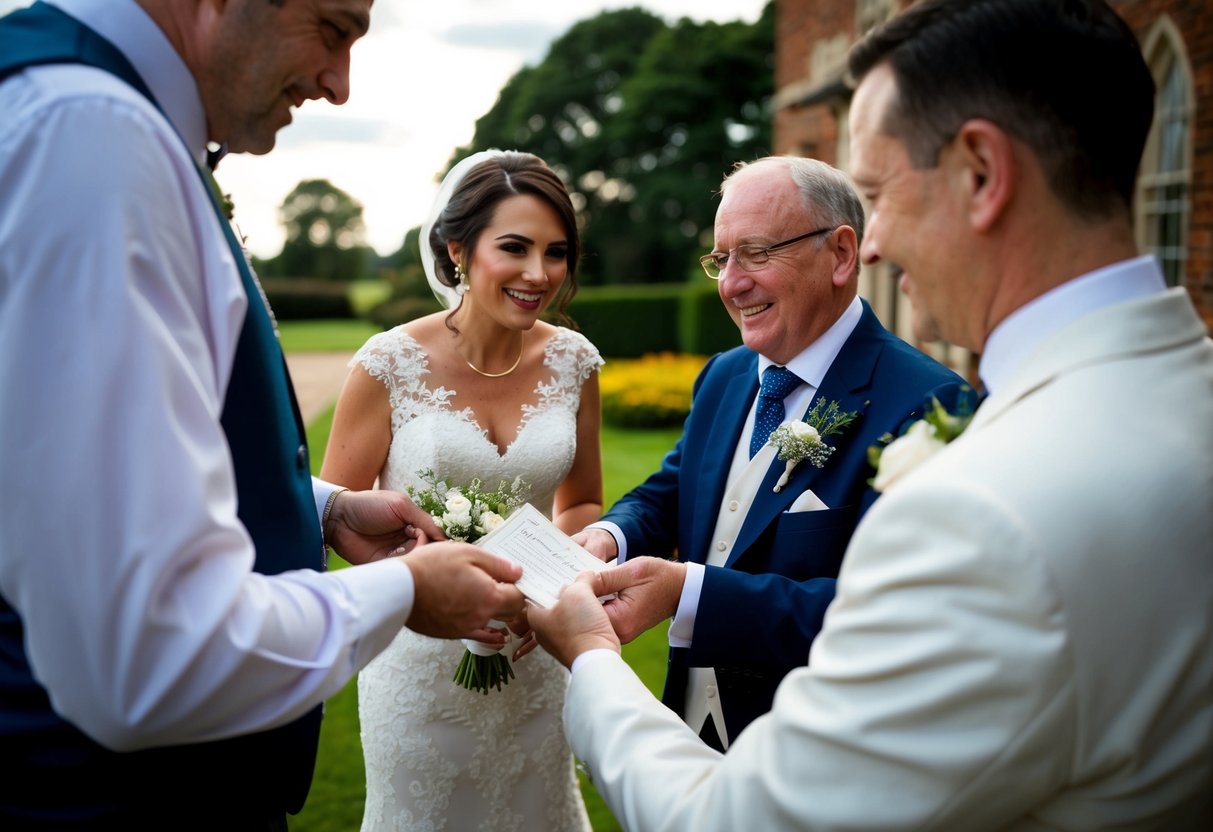
When planning your wedding, it’s important to know how expenses are typically divided among families. Understanding who pays for what can help you manage your budget effectively and ensure everyone understands their financial contributions.
Allocation of Expenses
In the UK, traditional wedding costs often involve various roles for both families. The common approach sees the bride’s family covering many major expenses, such as the venue, catering, and flowers. Meanwhile, the groom’s family typically handles other costs.
Here’s a general breakdown of expenses:
- Bride’s Family: Venue, catering, and dress
- Groom’s Family: Rehearsal dinner and sometimes the wedding rings
- Couple: Personal touches like the honeymoon and wedding bands
Understanding these allocations helps you plan your wedding budget and know where financial contributions from each family member fit in.
Groom’s Parents’ Responsibilities
The groom’s parents play a significant role in covering specific wedding expenses. These might include costs related to the rehearsal dinner, which has become popular in many weddings.
They are also often responsible for paying for both wedding rings. Additionally, they might contribute to the accommodation for the bride and groom, especially for the wedding night.
Being clear on these responsibilities makes for smoother wedding planning. It helps everyone involved understand their financial roles. Open communication about costs can avoid misunderstandings later on, ensuring a joyous occasion for everyone.
Specific Expenses Covered by the Groom’s Parents
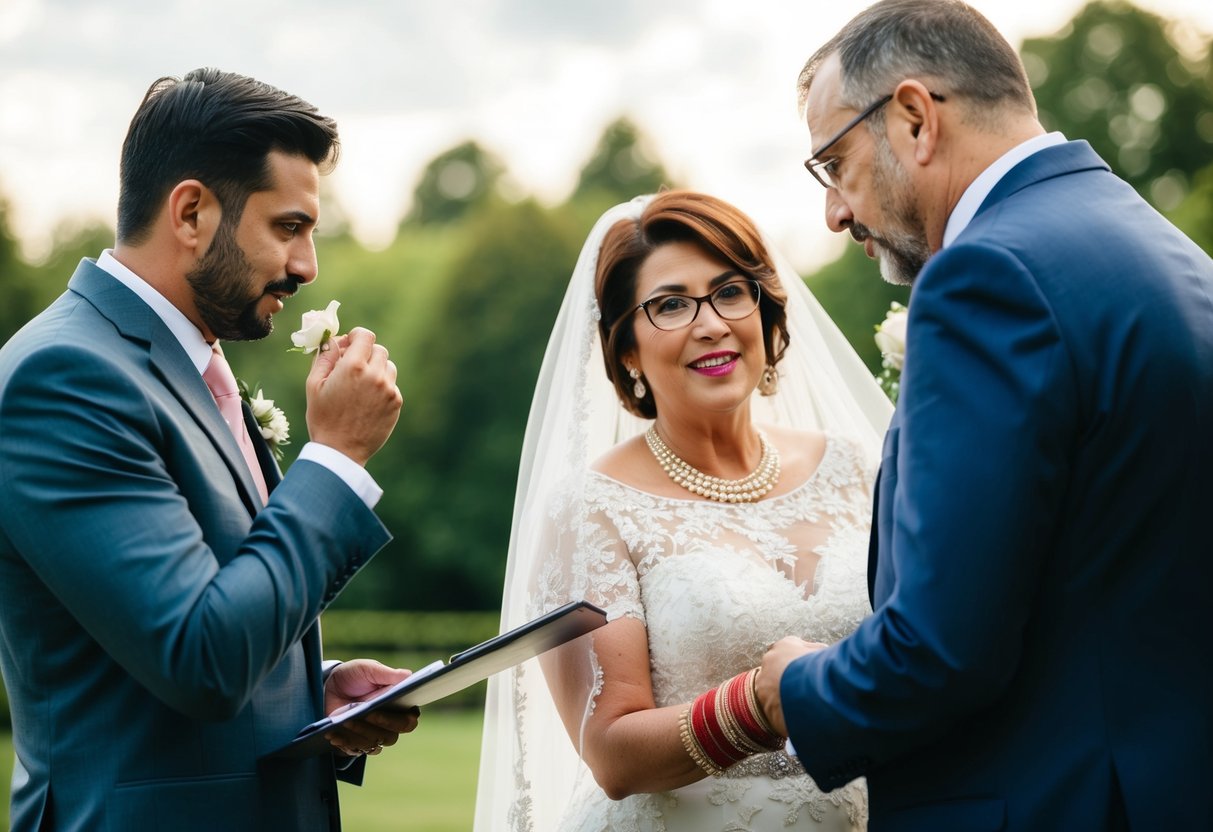
The groom’s parents often have specific financial responsibilities during a wedding. Understanding these can help in planning your special day without confusion. Here are the key areas where contributions are typically made.
Wedding Attire and Rings
One of the primary responsibilities of the groom’s parents is to cover the costs of the groom’s attire. This includes the suit or tuxedo, shoes, and any necessary alterations. They may also help pay for accessories like ties or cufflinks.
Additionally, the groom’s parents often contribute to the purchase of the engagement ring and wedding rings. In some cases, they may choose to pay for the rings entirely, easing the financial burden on the couple. This tradition reflects their support and involvement in the wedding.
Pre-Wedding Celebrations
The groom’s family traditionally hosts the rehearsal dinner. This event typically occurs shortly before the wedding and includes close family and the wedding party. It’s a nice way to thank everyone for their support and get to know each other better.
Another celebration where the groom’s parents can contribute is the engagement party. While not always the case, they may choose to help with costs, making the event enjoyable for all guests. This sets a positive tone leading up to the wedding.
Ceremony and Reception Contributions
During the wedding ceremony, the groom’s family often covers fees associated with the officiant and the marriage license. These costs can vary, but they are essential in ensuring the ceremony goes smoothly.
Additionally, the groom’s parents may assist with wedding reception costs. This can include contributions to catering, venue rental, or decorations. They may also want to provide gifts for the groomsmen, thanking them for their support throughout the wedding process.
These contributions are a lovely way for the groom’s parents to show their involvement and help make the day memorable.
Additional Considerations for Groom’s Family

When it comes to the wedding, the groom’s family has more to think about than just the ceremony costs. Travel and accommodation arrangements, as well as post-wedding expenses, are important factors to manage.
Travel and Accommodation
You may need to arrange travel and accommodation for family members attending the wedding. Consider booking a block of rooms at a nearby hotel to ensure guests have comfortable lodging. This can often lead to discounts.
Important points to cover:
- Guest Accommodation: Make a list of potential hotels and provide this to your guests early.
- Wedding Transport: Plan how family members will get to the venue. This could include hiring a minibus or providing transport options.
Taking care of these details will help everyone feel welcome and supported on the big day.
Post-Wedding Expenses
After the wedding, there might be other costs to consider. You may want to contribute to the couple’s honeymoon if they need assistance.
Key considerations include:
- Honeymoon Gifts: If you’re interested in helping with honeymoon costs, ask the couple about their plans. This allows you to tailor your contribution.
- Thank You Gifts: Remember that sending thank you notes to guests is essential. You could cover the costs for thank-you cards or tokens of appreciation.
By addressing these aspects, you help ensure a smooth and joyful experience for everyone involved.
Modern Approach to Wedding Funding

In today’s world, the way weddings are funded has taken a new direction. Couples often look for more flexible arrangements that reflect their individual priorities and modern values. This shift includes changing expectations from parents and exploring various options beyond traditional roles.
Changing Etiquette and Expectations
Traditionally, the bride’s family covered most of the wedding expenses. However, many couples now prefer a shared responsibility. This means the groom’s parents might also contribute significantly.
Your wedding planner can help guide discussions about financial expectations. It’s essential to communicate openly with both families to avoid misunderstandings. This modern approach allows for more balanced contributions, making the wedding a joint family celebration.
Furthermore, some cultures influence how funds are allocated. For instance, the groom’s family may take on specific costs, such as the rehearsal dinner or transportation. By discussing these traditions, you can blend old customs with modern practices that work for everyone involved.
Options Beyond Tradition
Elopements have become increasingly popular. They offer a way to avoid hefty costs while allowing couples to focus solely on their commitment.
When planning an elopement, funding can often be simpler, with fewer people involved.
If you prefer a traditional ceremony but still want to break from convention, consider personalized funding arrangements. For example, you can split the costs between both families while allowing the couple to pay for their choices, such as catering and flowers.
This flexible approach gives you and your partner more control. Discussing expectations from the start can lead to a wedding that fits your financial situation and vision perfectly.
Embracing modern traditions can make your special day even more meaningful.