
What Do Officiants Say at Weddings Non-Religious? A Guide to Secular Ceremonies
When planning a non-religious wedding, you might wonder what the officiant actually says during the ceremony. Officiants at non-religious weddings often focus on creating a meaningful ceremony that celebrates love and commitment without religious references. They typically welcome guests, introduce the couple, and highlight the importance of the moment, making everyone feel included in the celebration.
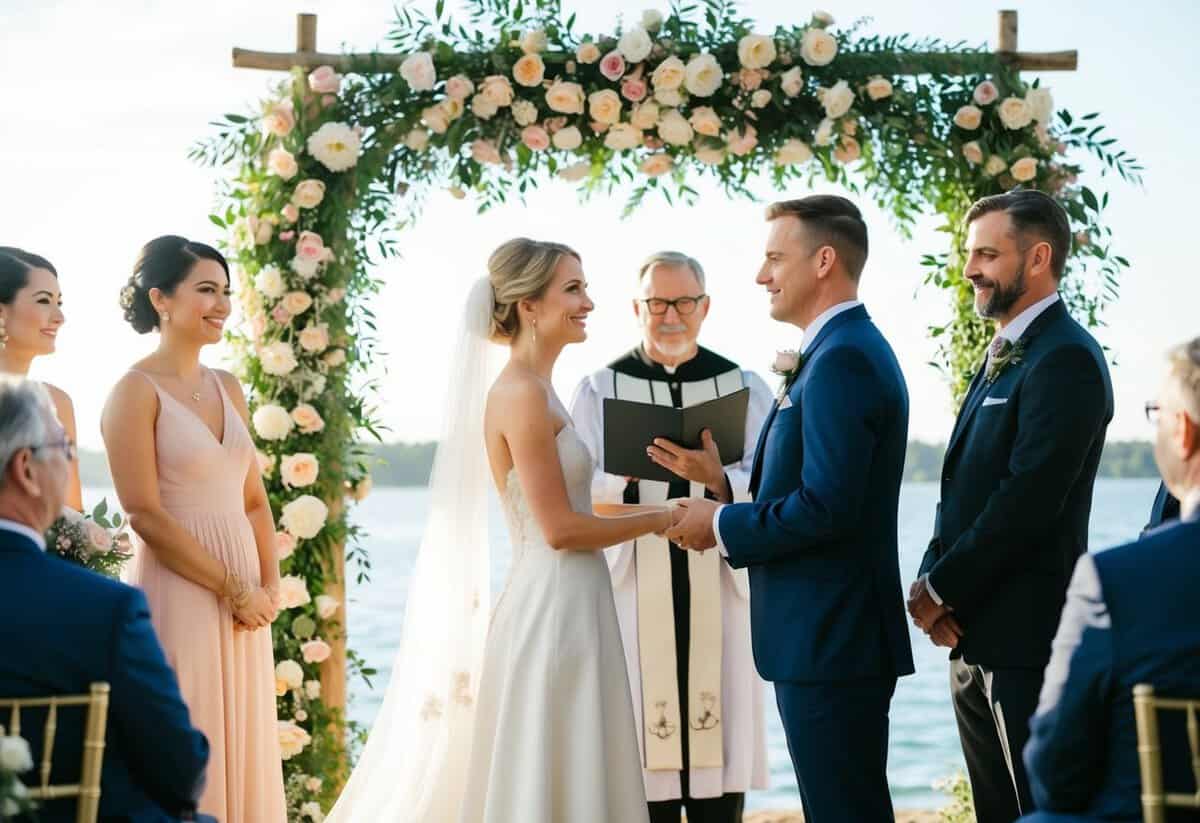
The officiant’s remarks are tailored to reflect the couple’s values and personality. By acknowledging the significance of their union, they foster an inclusive atmosphere where your friends and family can witness this special moment. Whether it’s sharing personal stories or promises of love and support, the officiant sets the tone for a heartfelt ceremony.
As you plan your big day, remember that the words spoken during the ceremony can be deeply personal and meaningful. With the right officiant, you can ensure your non-religious wedding reflects your unique journey together, allowing you and your guests to connect in a genuine way.
Crafting Your Ceremony Script
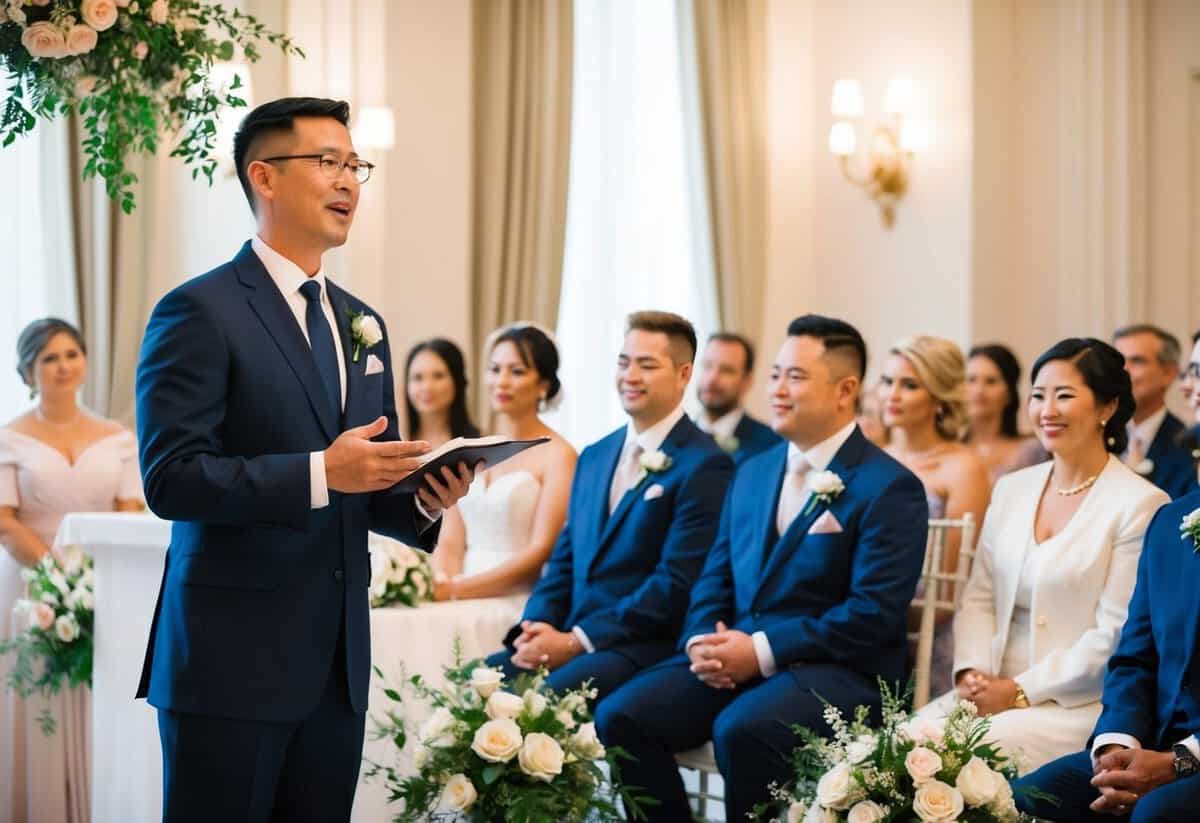
Creating a personalized wedding ceremony script is essential for making your event meaningful. The right words and personal touches can help capture the essence of your relationship and make your ceremony memorable.
Choosing the Right Words
Select words that reflect your personality and values as a couple. This can be done by incorporating phrases that resonate with both of you.
Consider starting with an introduction that welcomes guests and shares the purpose of the gathering. Use a warm tone and heartfelt language.
You might include quotes or words of wisdom that inspire you.
Also, think about how you express love and commitment. This can involve promises, vows, or reflections on your journey together. Strive for clarity; avoid jargon or overly complicated language.
A well-structured officiant wedding script ensures your message comes across clearly.
Including Personal Stories
Adding your love story makes the ceremony feel genuine. Think about sharing moments that define your relationship.
You might want to narrate how you met, a memorable date, or the moment you knew you wanted to marry.
Personal stories help connect guests to your journey and create a warm atmosphere.
Make sure these stories are concise and relevant, keeping the audience engaged. Consider adding light humor or sweet anecdotes.
The goal is to create an emotional connection between you and your guests. This could be woven into the wedding ceremony script in a way that feels natural and touching.
The Order of Ceremony
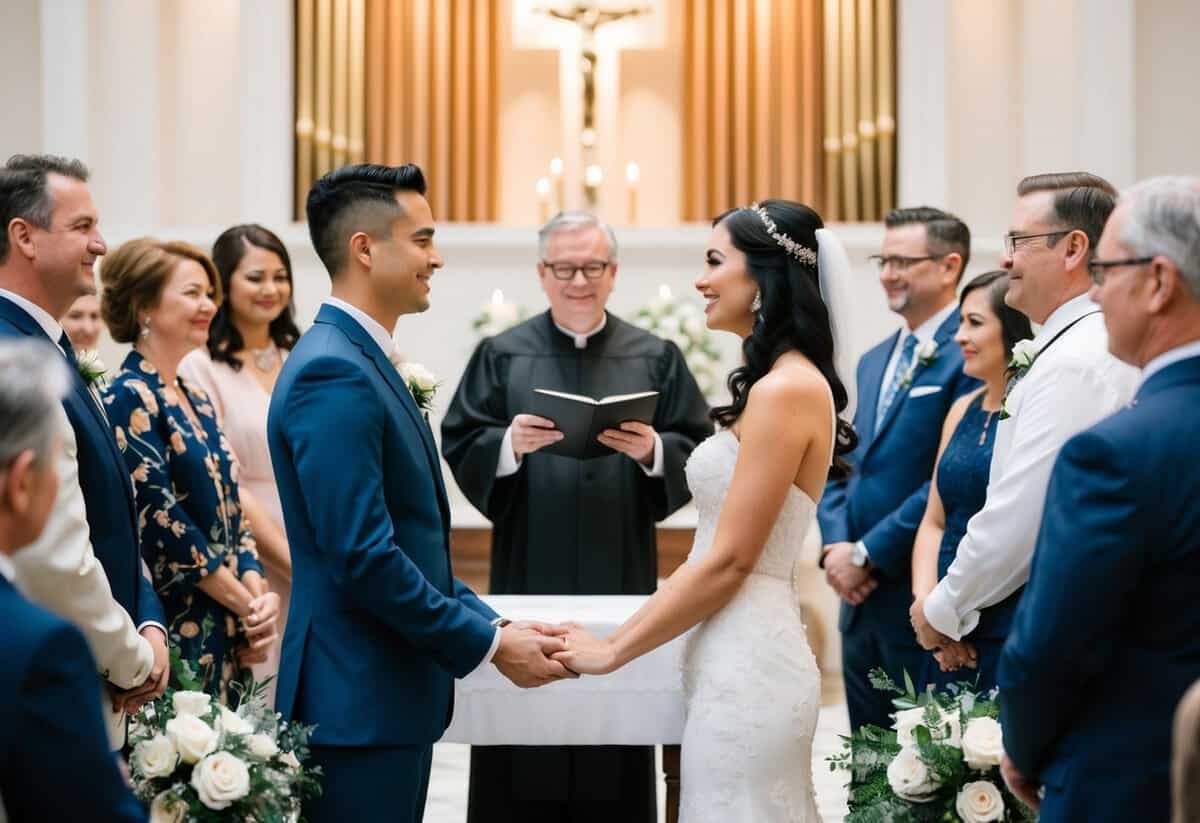
When planning a non-religious wedding, it’s important to understand the typical order of events in the ceremony. Each part of the ceremony plays a key role in celebrating your union in a meaningful way.
Opening Remarks
The officiant usually starts with opening remarks to welcome everyone to the celebration. This is a chance for the officiant to set the tone for the ceremony.
They might mention the importance of the day and thank the guests for being there. This part often highlights your love story and the journey that brought you together.
The officiant might also explain what a non-religious ceremony means, ensuring that guests feel comfortable and engaged. This creates a warm atmosphere right from the start.
Readings and Reflections
Following the opening remarks, many couples choose to include readings or reflections. These readings can come from literature, poetry, or even personal messages that hold special meaning to you.
You can select passages that resonate with your relationship. This personal touch makes the ceremony unique.
Invite a friend or family member to deliver the reading. Another option is to ask your officiant to read it. Reflecting on love, commitment, and partnership enhances the emotional connection for everyone present.
Exchange of Vows
The exchange of vows is one of the most significant moments in a non-religious ceremony. Here, you express your promises to each other in your own words.
You can write personal vows or use a pre-formatted set provided by the officiant. Keep them heartfelt and meaningful, as these words will be remembered for a lifetime.
This moment captures the essence of your commitment. You might want to share some laughs with light-hearted moments, balancing the seriousness with joy and sincerity.
Ring Exchange and Symbolic Acts
The ring exchange is a traditional part of many wedding ceremonies. In a non-religious setting, it serves as a practical representation of your commitment.
During this part, you will place rings on each other’s fingers while reciting a few heartfelt words. These rings symbolize your love and dedication.
You might also consider including symbolic acts like a unity candle or sand ceremony. These rituals represent the merging of your lives in a beautiful way.
These acts allow for personal flair. They invite creativity and can be as unique as your relationship, making the ceremony even more special.
Incorporating Elements of Love and Commitment
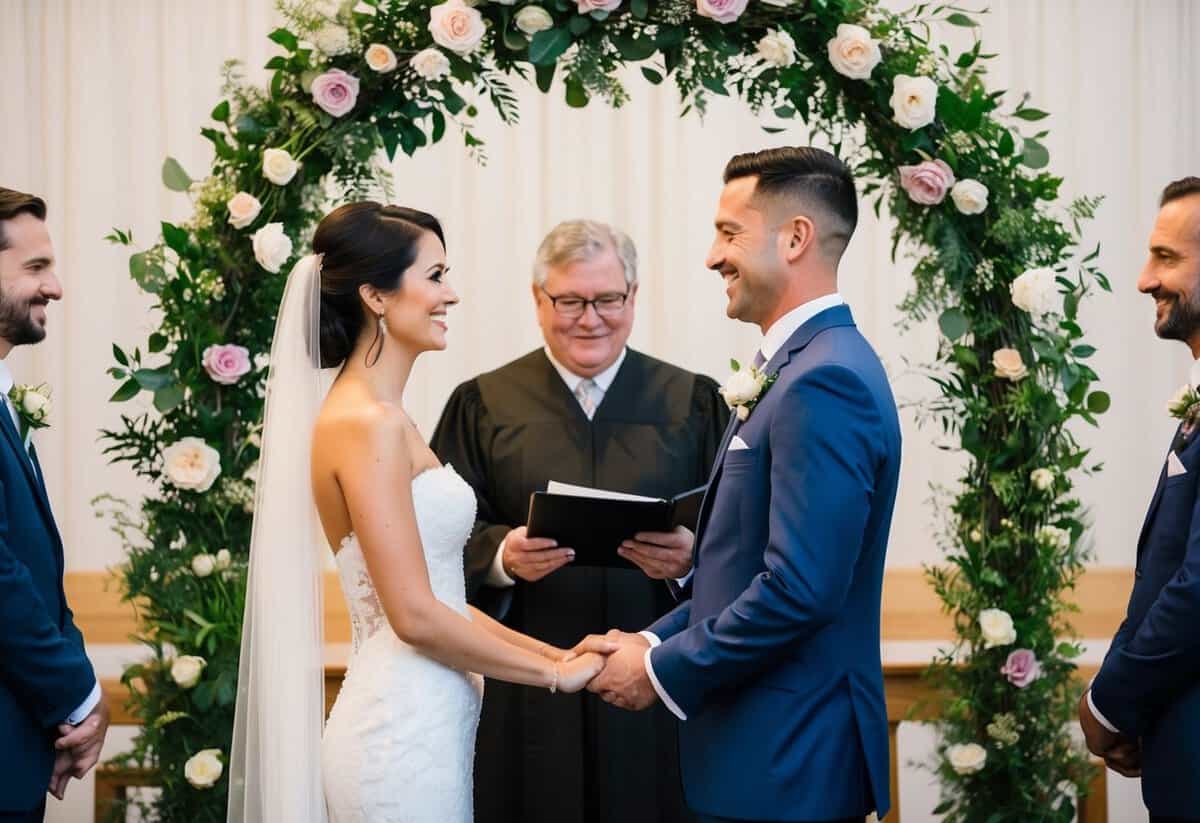
Your wedding ceremony is a beautiful moment to express the love and commitment you share with your partner. It is a chance to highlight your bond and the foundation on which your marriage will stand. Here’s how you can celebrate these important elements during your special day.
Highlighting Couple’s Love and Friendship
In a non-religious ceremony, it’s essential to highlight the unique love story you share. Officiants often talk about key moments in your relationship, like how you met or memorable experiences that deepened your bond.
Sharing personal anecdotes makes the ceremony feel intimate. You might include readings or quotes that resonate with your journey. Your love for each other should be the focal point, allowing guests to journey through your relationship alongside you.
Including vows that express your love and appreciation can also be moving. Speak from the heart about what your partner means to you and how your friendship supports your relationship.
Celebrating Commitment and Partnership
Commitment is the promise to support and grow with one another through life’s ups and downs. Officiants typically emphasize the significance of this promise during the ceremony.
You can express your commitment through personalized vows that outline what marriage means to you. Include promises of respect, support, and partnership as you navigate life together. Highlight your desire to be not just husband and wife but also best friends and teammates.
This part of the ceremony can involve engaging guests by asking them to support your commitment as witnesses. This creates a sense of community around your union, reinforcing that your marriage is celebrated by loved ones who care about you both.
Celebratory Moments and Send-off
Once the officiant makes the official declaration, celebratory moments begin. This can include a champagne toast to honor the couple.
Invite guests to raise their glasses and express joy as they toast to the newlyweds.
You might also want to plan a fun send-off. A popular choice is to have guests throw confetti or wave sparklers as the couple exits. This creates a lively atmosphere and captures the celebration of love.
These moments help to create lasting memories. It’s important that everyone feels involved and shares in the joy of the occasion.