
What Do the Different Flowers Mean at a Wedding? A Guide to Floral Symbolism
Choosing the right flowers for your wedding can feel overwhelming, but understanding their meanings can make the process easier and more meaningful. Different flowers carry unique symbolism, which can enhance your floral arrangements and add a personal touch to your special day.
For example, roses often symbolize love and passion, while daisies represent innocence and purity.
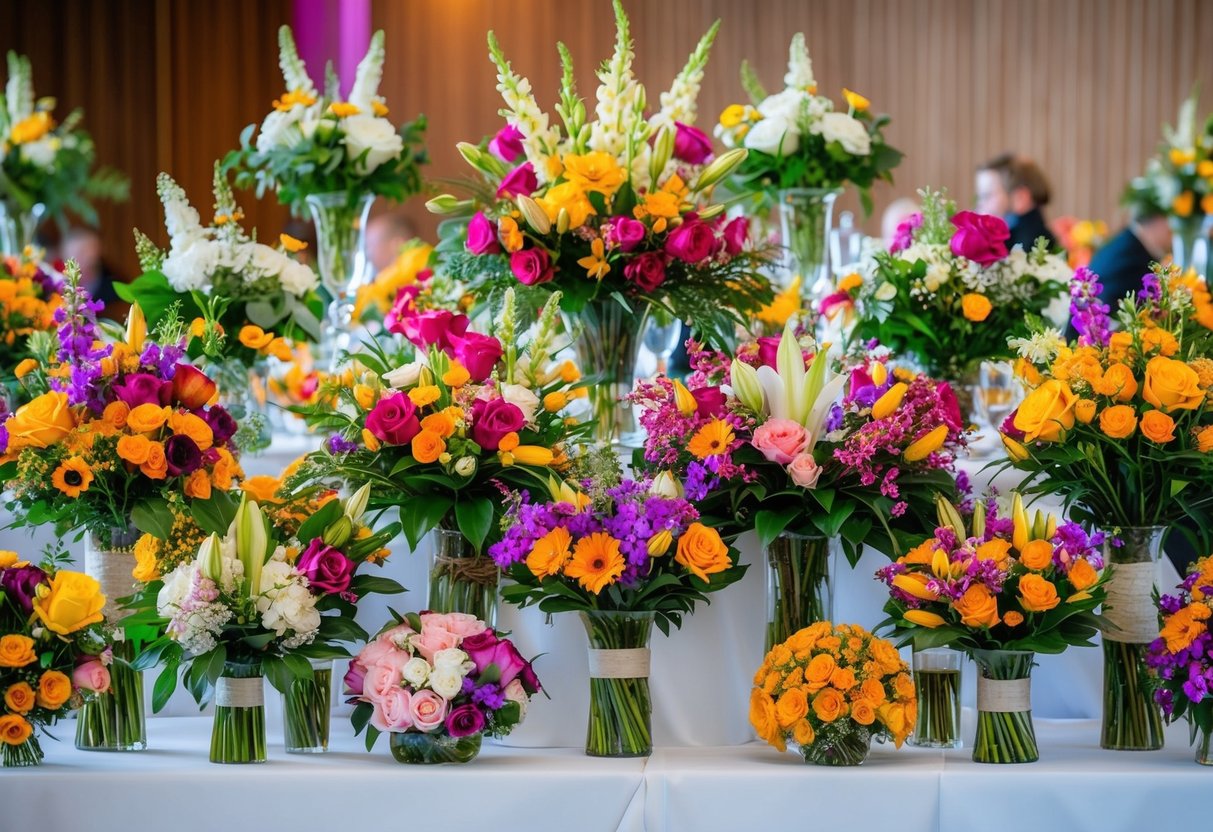
When selecting your wedding flowers, consider what each bloom signifies. This will help you create arrangements that not only look beautiful but also convey your feelings and values as a couple.
Incorporating flowers with special meanings can personalize your ceremony and express emotions that words may not fully capture.
As you plan your big day, remember that every flower has its own story. From traditional choices to unique picks, you can convey messages of love, friendship, or even new beginnings through your floral selections. Embracing the rich symbolism of wedding flowers can make your celebration even more memorable.
The Role of Color in Wedding Flower Symbolism
Color plays a vital role in the symbolism of wedding flowers. Each hue carries its own meaning and can enhance the emotional tone of your special day. Understanding these meanings helps you select flowers that truly reflect your feelings.
The Classic Whites
White flowers are often favored in weddings for their pure and innocent symbolism. Flowers like white roses and calla lilies are classic choices. They represent purity, new beginnings, and a fresh start.
Adding baby’s breath to your bouquet softens the look with delicate charm and symbolizes everlasting love. This combination creates a timeless floral design that complements almost any color scheme.
You can use these flowers in arrangements, centerpieces, or even in your hair, bringing elegance to your wedding.
Passionate Reds
If you want to express love and passion, red flowers are the way to go. Red roses are a favorite for their deep symbolism of romantic love. Also, red tulips convey a sense of true love and can add a vibrant pop to your arrangements.
When used in a bouquet or floral decor, red flowers can create a dramatic focal point. They draw attention and evoke feelings of romance and warmth, making them perfect for your ceremony or reception. Pair these bold blooms with softer colors for contrast and balance.
Cheerful Yellows
Yellow flowers radiate happiness and positivity, making them wonderful choices for a joyful wedding atmosphere. Yellow roses symbolize friendship and joy, while sunflowers represent adoration and loyalty. Including these bright blooms fills your space with warmth.
You can mix yellow tulips with other colors for a playful floral design. This cheerful color scheme can uplift any setting, ensuring your big day feels bright and vibrant. Yellow flowers are perfect for accents, centerpieces, or even in your bridal bouquet.
Flowers and Their Specific Meanings
Selecting the right flowers for your wedding bouquet or arrangements goes beyond aesthetics. Each flower carries its own meaning, reflecting emotions, values, and the love story you wish to tell on your special day.
Romance and Love
Roses are a classic choice for love. Red roses symbolize deep passion and are often the ultimate expression of romantic love. If you want something softer, consider pink roses, which convey admiration and appreciation.
Peonies are another romantic option. Their lush blooms represent prosperity and new beginnings, making them perfect for weddings. You might also choose gardenias, which symbolize purity and joy, adding a delicate touch to your arrangements.
Purity and Innocence
White lilies are stunning and symbolize purity and commitment. They add elegance to any bouquet while representing the new beginnings of your marriage.
Another excellent choice is white carnations. These flowers symbolize a pure love, making them a lovely option for your big day. Daisies also fit here; they represent innocence and loyal love. Their simple beauty can brighten your floral arrangements while conveying heartfelt significance.
Joy and Friendship
Flowers that symbolize joy can elevate your wedding atmosphere. Sunflowers, with their bright yellow blooms, radiate warmth and happiness. They symbolize adoration and loyalty, great themes for a wedding.
Daisies also take on this role, representing playful joy and friendship. Including them can act as a sweet reminder of the happy times shared with friends and loved ones, enhancing the love and connection surrounding your celebration.
Incorporating Flowers into Your Wedding Theme
Flowers play a key role in setting the tone for your wedding. They can enhance your theme and create a beautiful atmosphere. Choosing the right floral designs can make your special day feel cohesive and memorable.
Bridal Bouquet
Your bridal bouquet is more than just a pretty accessory. It’s a vital part of your wedding look and symbolizes your style.
Choose flowers that match your theme and colors. For example, if you’re going for a classic look, white roses or hydrangeas are great choices. If you prefer something more vibrant, consider dahlias or ranunculus for a touch of whimsy.
Think about the size and shape of your bouquet as well. A cascading bouquet creates a dramatic effect, while a small, rounded bundle is cute and sweet. Adding greenery can also make your bouquet pop. Use delicate accents, like lily of the valley or bells of Ireland, to give it an extra touch of elegance.
Table Settings and Decor
Flowers can transform your table settings into captivating centerpieces. Depending on your theme, you can use different types of arrangements.
For a rustic feel, mason jars with simple arrangements of carnations or wildflowers work well. For a more formal atmosphere, consider elegant floral arrangements in tall vases with chrysanthemums or gardenias.
Make sure to choose colors that complement your overall decor. Incorporate blooms that reflect your wedding palette. Don’t forget to add smaller floral touches, like sprigs of flowers in your place settings or napkin ties, to tie everything together while keeping it fresh and inviting.
Ceremony and Venue
Your choice of flowers can also beautify the ceremony and venue. Consider floral arches for an outdoor wedding or arrangements at the altar. Using flowers like hydrangeas or dahlias can create a stunning backdrop.
Additionally, decorate chairs with floral accents, such as small bouquets or single stems. This detail adds charm to your ceremony space. Remember to keep your floral designs consistent throughout. This cohesion will amplify the overall theme, making your wedding feel thought-out and personal.
Trends and Traditions in Wedding Floristry
Choosing flowers for your wedding goes beyond looks. It’s about the seasons, popular choices, and the meanings behind each bloom. Understanding these trends and traditions can help you create a memorable floral experience.
Seasonal Selections
Seasonality plays a big role in wedding flowers. Spring weddings, for instance, often feature blooms like daffodils, sweet peas, and freesias. These flowers symbolize new beginnings and freshness, perfect for the season.
In summer, you might gravitate towards vibrant options like sunflowers or peonies. Peonies are particularly loved for their lush petals and romantic connotations.
Autumn brings earthy tones with flowers like chrysanthemums and dahlias, while winter weddings can embrace anemones and evergreens, adding a cozy feel.
By selecting seasonal flowers, you ensure they are fresh and often more cost-effective.
Popular Wedding Flowers
When planning your wedding, certain flowers stand out for their beauty and symbolism. Roses remain a classic choice, known for their romantic meanings. The color of the rose can carry different messages; for example, red roses symbolize love, while white roses represent purity.
Lilies are also popular, often seen in elegant arrangements, symbolizing devotion. Then there’s the camellia, which represents perfection and is increasingly chosen for its unique look.
Lastly, the anthurium stands out for its exotic flair, adding a modern twist to traditional floral arrangements. These flowers can be arranged in numerous creative ways, making each wedding unique to your style.
Floriography: The Language of Flowers
Floriography, or the language of flowers, gives added layers of meaning to your choices. Each flower can convey a different sentiment, enhancing your wedding’s emotional resonance.
For example, roses express admiration, while freesias symbolize trust and friendship. These meanings can be tied to personal stories, giving your floral arrangements deeper significance.
Consider also using blooms like ivystock, known for fidelity, or anemones, which symbolize protection. Aligning your selections with these meanings can create a beautiful narrative for your wedding day.
By embracing floriography, you connect the natural beauty of your flowers with heartfelt intentions.