
What Do Wedding Planners Do? A Guide to Their Essential Role in Your Big Day
Hiring a wedding planner can turn your dream wedding into reality. A wedding planner specializes in organizing and coordinating all aspects of your big day. They ensure that every detail is handled with care, from managing budgets to connecting with vendors.
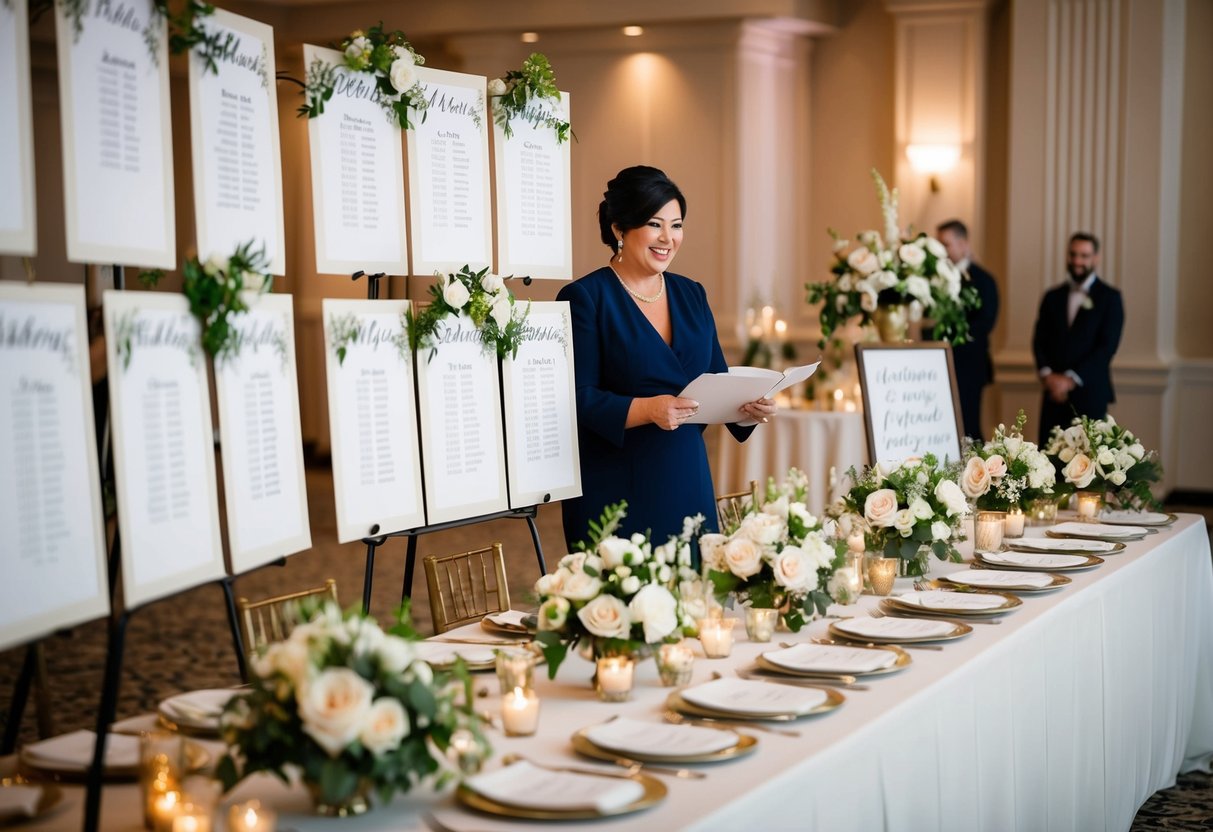
Whether you envision a grand celebration or an intimate gathering, a wedding planner knows how to bring your vision to life. They work closely with you to understand your preferences and create a personalized plan that reflects your style. With their expertise, you can focus on enjoying the moments leading up to your wedding day without feeling overwhelmed by the details.
Beyond just day-of coordination, wedding planners provide valuable insights and suggestions that can elevate your celebration. They often know the best venues and vendors, which can lead to cost savings and options you may not have considered. Having a professional by your side can truly make a difference in creating a memorable and enjoyable experience for you and your guests.
Understanding the Role of Wedding Planners

Wedding planners play a crucial role in making your big day a success. They handle various tasks, from coordinating vendors to managing timelines. Understanding their duties and the types of services they offer can help you decide if you want to hire one for your wedding.
Essential Duties and Responsibilities
A wedding planner’s primary duties include organizing and coordinating every detail of your wedding. This starts with understanding your vision, preferences, and budget. They help you find and manage vendors like florists, photographers, and caterers.
Wedding planners also negotiate contracts to ensure you get the best value. They create timelines to keep everything on track, so you can enjoy your day without stress. On the wedding day, they often act as a day-of wedding coordinator, ensuring everything runs smoothly. This means resolving any issues that arise, so you can focus on celebrating.
Different Types of Wedding Planning Services
There are several types of wedding planning services to fit your needs. A full-service wedding planner provides comprehensive support throughout the entire planning process. This includes helping with design services, vendor selection, and day-of coordination.
If you prefer to handle some planning yourself, you might choose day-of coordination. This service focuses on managing your wedding day, ensuring that all vendors arrive on time and everything goes as planned. Some planners also offer partial services, assisting you with specific tasks, like design or budget management. Each type of service offers unique support tailored to your needs.
Pre-Wedding Organization and Coordination

Planning a wedding involves many details. Your wedding planner will guide you through initial consultations, coordinate with vendors, and manage your guest list along with invitations.
Initial Consultation and Planning
During your initial consultation, your wedding planner will sit down with you to discuss your vision and preferences. This is the time to share your ideas, themes, and budget.
Your planner will take notes and provide valuable insights. They can help set realistic expectations and outline all necessary tasks. This also includes creating a timeline for your wedding.
In this stage, you may discuss your desired wedding style, colors, and any special elements you wish to include. Having this foundational meeting is crucial for a smooth planning process.
Vendor Coordination and Selection
Finding the right vendors can make a big difference in your wedding day. Your planner will assist in vendor selection by providing referrals to trusted professionals.
They will help you choose suppliers for catering, photography, floral arrangements, and entertainment. Your planner will handle communications and schedule meetings, ensuring all details align with your vision.
Once selected, your planner will also coordinate with vendors to confirm services and timelines. This step is essential in creating a seamless experience for you and your guests.
Guest List and Wedding Invitations Management
Managing your guest list and wedding invitations is another important task your planner will handle. They will help you compile the list, keeping track of RSVPs and any dietary needs.
Your planner can assist in creating a wedding website where guests can find important details and updates. This website can include information about accommodations and directions.
When it comes to sending out invitations, your planner can recommend styles and formats. They will also ensure that all invitations are sent on time and that they match your wedding theme perfectly.
Budgeting and Designing the Perfect Wedding

Planning your wedding involves careful budgeting and thoughtful design. A solid budget helps you allocate your resources effectively, while a well-crafted design ensures your vision comes to life beautifully.
Creating and Managing a Wedding Budget
Start by determining your total budget. Include all expenses such as venue rental, catering, decorations, and attire. A common approach is to list all potential costs and categorize them.
Budget Breakdown Example:
- Venue: 30%
- Catering: 25%
- Attire: 10%
- Decorations: 15%
- Photography: 10%
- Miscellaneous: 10%
Once you have this breakdown, track your spending diligently. A wedding planner can assist in finding the best deals, helping you stick to your budget without compromising quality. Communicate clearly with all vendors to ensure everyone understands your financial limits.
Wedding Design and Decor Concepts
Wedding design is about creating a cohesive look that reflects your style. Start with your color palette, which sets the tone for everything from invitations to table settings.
Consider elements like:
- Centerpieces: Choose flowers or decor that match your theme.
- Lighting: Soft lighting can change the atmosphere dramatically.
- Rentals: Look into hiring chairs, linens, and decor that enhance your design.
A bridal consultant can be invaluable here, helping you create floor plans and select decor that aligns with your vision. Remember, every detail counts in making your special day memorable!
Executing the Wedding Day Flawlessly

Your wedding day is a momentous occasion that requires careful execution. It’s essential to have a solid plan in place to manage the timeline and handle any unexpected situations. This ensures a smooth flow throughout your wedding weekend.
Day-of Wedding Coordination and Timeline
A day-of wedding coordinator plays a crucial role in making everything run smoothly. They create a detailed wedding day timeline that outlines the schedule for the ceremony, receptions, and other essential moments.
- Timeline Creation: Your coordinator will work with you and your vendors to finalize times for hair and makeup, transportation, and the ceremony.
- Vendor Management: They communicate with all vendors, ensuring everyone is on the same page. This coordination is vital for a seamless experience.
When the wedding ceremony begins, your coordinator will focus on executing the plan. They set the stage, ensuring decorations are in place and everything is ready for your big moment. Their attention to detail helps avoid last-minute surprises.
Handling Last-Minute Details and Emergencies
Even with the best planning, unexpected issues can arise. Your wedding coordinator is equipped to handle these situations calmly.
- Problem-Solving Skills: They can quickly address any last-minute changes or emergencies, such as a vendor running late or unpredictable weather.
- Staying Calm: Their experience allows them to remain calm, which keeps you relaxed. They solve problems without you even knowing something might have gone wrong.
This expertise is particularly valuable for destination weddings, where logistics can be more complicated. Knowing that someone is watching over every detail allows you to enjoy your wedding day without stress.