
What Do You Call a Woman Who Never Gets Married? Exploring the Terms and Perspectives
Many women find being single fulfilling. If you’ve ever wondered about the term for a woman who never gets married, you’re not alone. People commonly refer to a woman who never gets married as a “spinster,” though this term is often seen as outdated.
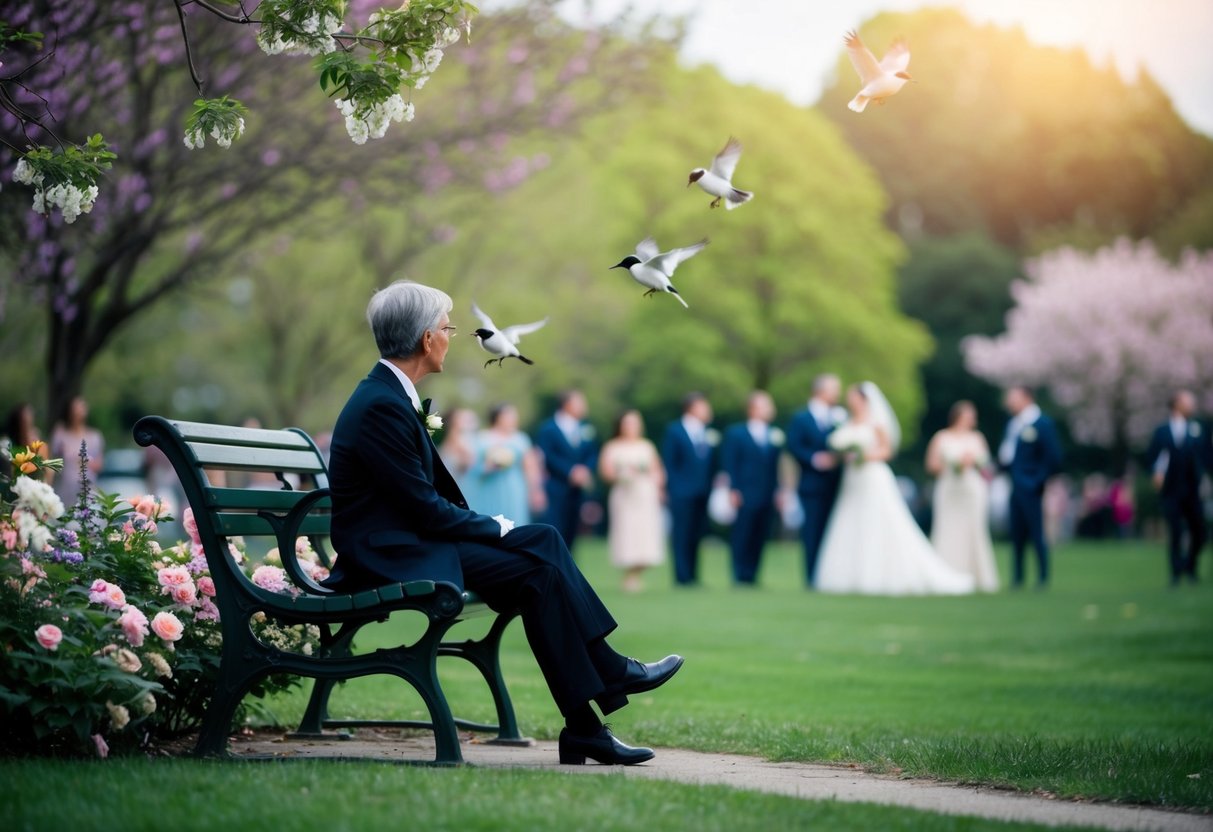
Today, many people prefer the terms “unmarried woman” or simply “single woman.” These terms emphasize the choice of singlehood without carrying any negative connotations. Understanding these words can help you appreciate the different ways society views women’s decisions about marriage and relationships.
Whether you are contemplating life as a single person or just curious about the language surrounding it, this topic is worth exploring. There are many layers to the conversation, and knowing more about the labels used can enhance your understanding of women’s experiences.
Terminology and History
Understanding the names used for women who never marry reveals much about societal views over time. The terms you may encounter highlight various attitudes towards unmarried women, with some carrying negative connotations. Here are some key terms and their histories.
Origins of Terms
The term spinster originally referred to women who spun thread or yarn. Over time, this word became associated with unmarried women, often seen as independent but also viewed negatively.
Another classic term is old maid. This phrase emerged in the 19th century, reflecting societal pressure on women to marry. It often had a pejorative sense, implying that a single woman had “failed” to attract a husband.
Miss is used for unmarried women, contrasting with Mrs., which indicates a married woman. There’s also Ms., a neutral option that respects a woman’s privacy regarding marital status.
Evolution Over Time
As society changes, so do the terms we use. Spinster and old maid are now considered outdated and can be seen as offensive.
In modern contexts, you might find that the terms single woman or unmarried woman are used more frequently. These terms carry no negative weight and emphasize respect.
The rise of Ms. reflects a shift towards equality, allowing women to choose how they are addressed without reference to their marital status. This evolution signifies a broader acceptance and change in views about women’s roles.
In recent discussions, terms like self-partnered have emerged, celebrating independence and personal choice.
Social Perspectives and Stereotypes
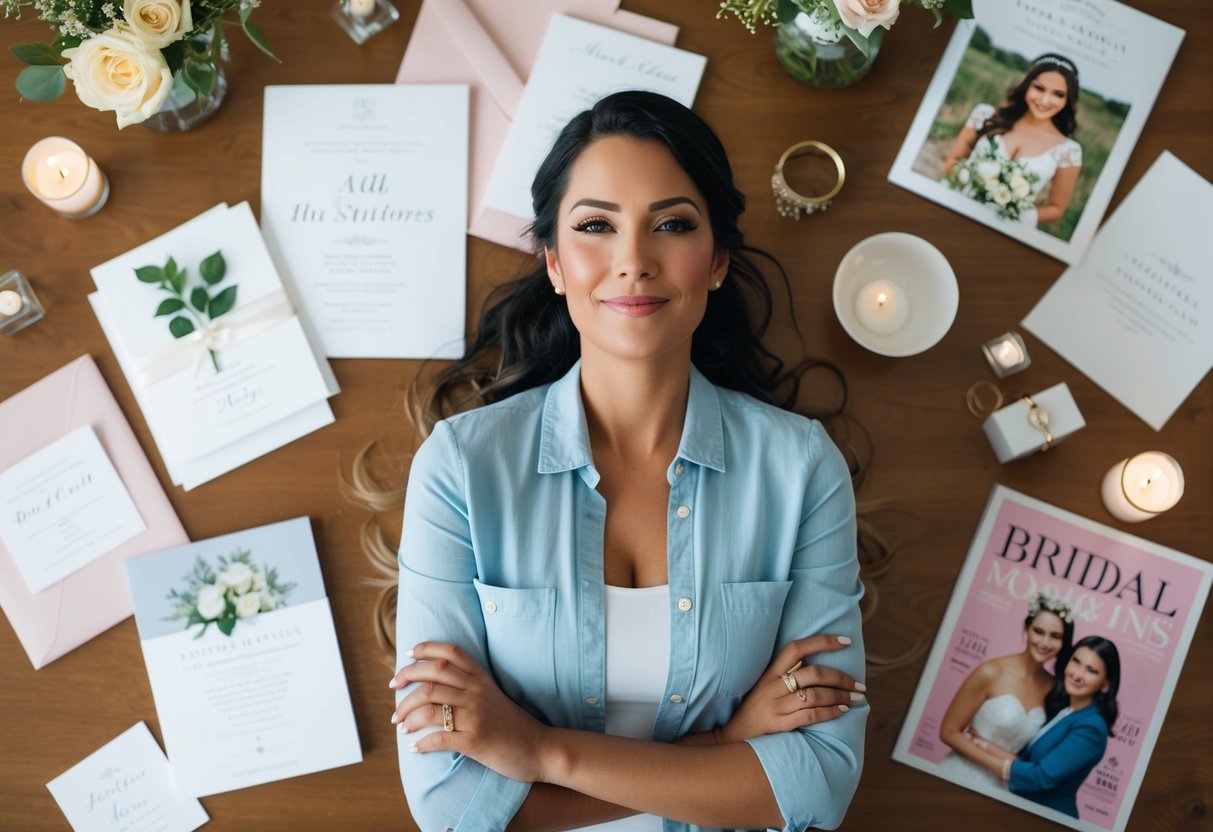
Society has specific views about women who choose not to marry. These perspectives can shape a woman’s identity and her social interactions. Understanding cultural attitudes and the social impacts can give you insight into how unmarried women are perceived.
Cultural Views
In many cultures, a woman who remains unmarried may be labeled a “bachelorette” or “confirmed bachelor.” These terms can carry different connotations. While “bachelorette” might be seen as fun and free-spirited, a “confirmed bachelor” often suggests a more serious commitment to not marrying.
In some societies, unmarried women face stereotypes about their lifestyle choices. They may be viewed as independent but also encounter judgments about their ability to maintain relationships. These views can lead to social stigma around being single.
Social Impact
Being unmarried can affect how you are treated in social settings. You might notice people make assumptions about your personal life, sometimes viewing it through a negative lens. For instance, terms like “thornback” refer to woman who chooses to remain single, suggesting a certain resistance to societal norms.
This stigma can lead to feelings of isolation or pressure to conform. You may encounter questions about your decision to remain single, which can feel intrusive. It’s essential to recognize your worth beyond these stereotypes, as your choices are valid and reflect who you are.
Lifestyle and Choice
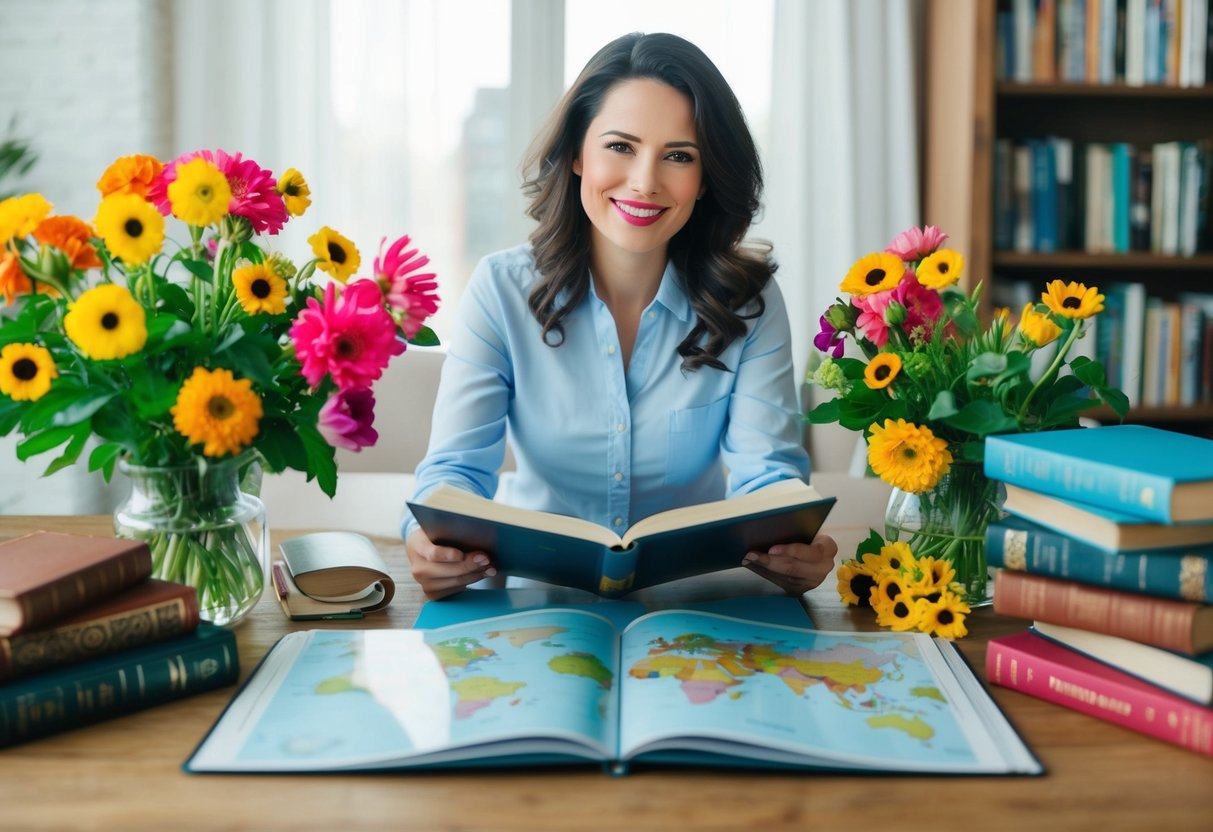
Many women choose to remain unmarried for various personal reasons. This decision often allows for a lifestyle that focuses on independence and personal goals. Below you will find more about these choices and what life can look like as a single woman.
Choosing to Remain Unmarried
Choosing to stay single can be a powerful decision. You may value independence and self-discovery over traditional expectations.
- Embracing celibacy is common for some, allowing them to focus on personal growth.
- Others may prioritize their careers, friendships, or hobbies, which can be fulfilling and rewarding.
It’s essential to understand that remaining unmarried doesn’t imply loneliness. Many unmarried women find joy in their personal lives and build strong support networks. This lifestyle also provides the freedom to make choices that align with your values and dreams.
Life as a Single Woman
Life as an unattached female often means enjoying freedom and flexibility that married life may not offer. You have the autonomy to create your own schedule and pursue interests without compromise.
- Single girls often embrace social activities, travel, and hobbies that enrich their lives.
- Many women report feeling less pressure to conform to societal norms around marriage and family.
Building a fulfilling life as a single woman includes maintaining deep friendships and community ties. You may also find that having your own space fosters creativity and self-reflection, allowing for deeper personal connections. Embracing your single status can lead to a happy, well-rounded life full of experiences and opportunities.
Comparison with Other Relationship Statuses

When considering what it means to be a woman who never marries, it’s helpful to look at how this status compares with others. These include married life, being single, and situations like being a divorcée or widow. Each path has unique challenges and societal views.
Married vs. Single Life
A married woman often shares her life with a partner, experiencing companionship and possibly parenting. In contrast, a woman who never marries may find freedom in her choices. She can focus on personal growth and career without the compromises that can come with marriage.
Being single can offer opportunities for self-discovery. Many single women enjoy strong friendships and hobbies, building a fulfilling life. Those who choose to remain single may also avoid some pressures of traditional relationships.
Divorcée and Widows
Divorcées and widows navigate different emotional landscapes compared to never-married women. A divorcée has experienced a marriage and the challenges that come with ending that relationship. She may carry emotional baggage, but also insights into what she wants in future relationships.
Widows face the unique grief of losing a spouse. They may struggle with loneliness but can also find support in shared experiences.
In comparison, a woman who never marries might have a different understanding of relationships. She focuses on independence and personal happiness. Whether one identifies as a bachelor, celibate, or something else, each status enriches the tapestry of life in its own way.