
What Does the Slang Word Bachelorette Mean? A Fun Exploration
In today’s modern slang, the word “bachelorette” is commonly used to describe a single, unmarried woman. This term originates from the word “bachelor,” as pointed out in various dictionaries such as the Oxford English Dictionary. The term gained popularity in American culture, especially through television shows like The Bachelorette, highlighting the lives and adventures of single women looking for love.

The concept of a bachelorette extends beyond just being unmarried. It often implies a sense of independence and empowerment for women who enjoy their single status. This idea is celebrated through events like bachelorette parties, which are common in countries such as the United States, Canada, and even referred to as hen parties in the United Kingdom.
Understanding how “bachelorette” has evolved helps in appreciating how language reflects societal changes. As more women delay marriage or choose not to marry at all, this term remains relevant and in use. The popularity of the term has sparked interest not just in social contexts but also in entertainment and media, appealing to anyone curious about language and culture.
Etymology and Historical Context
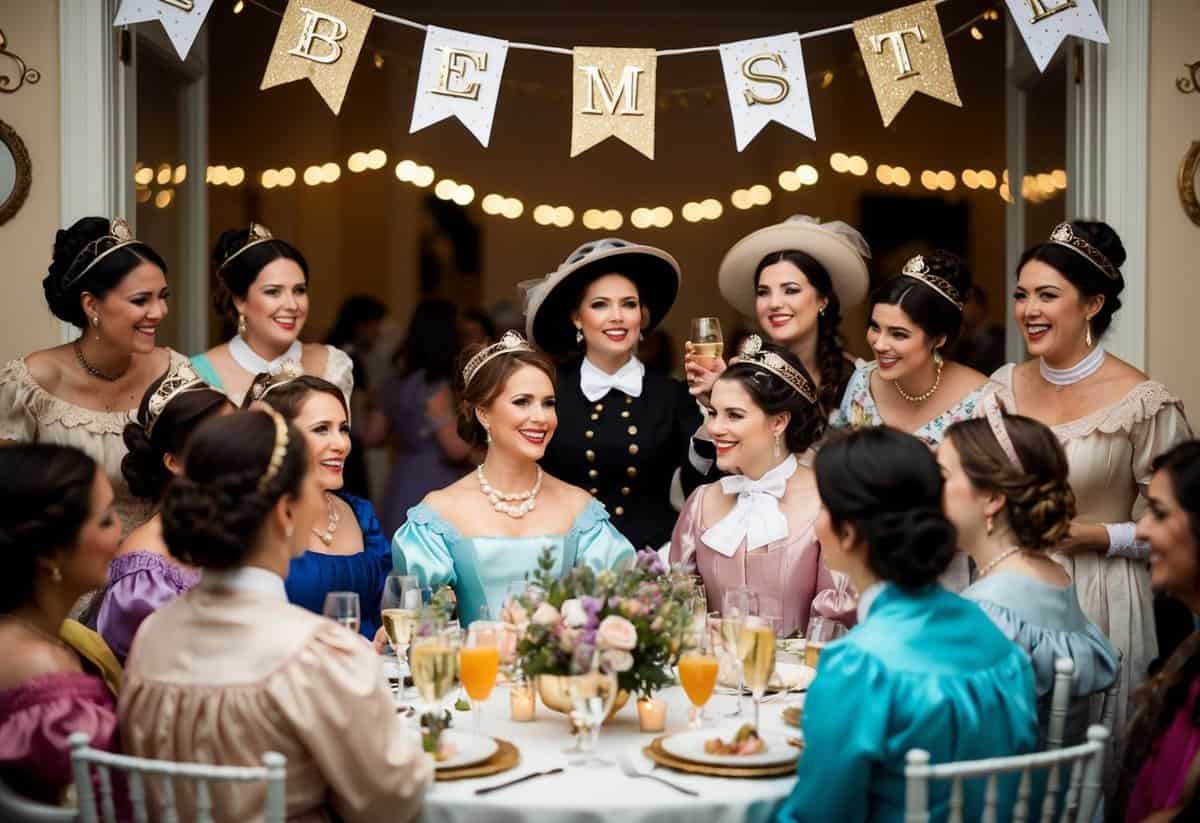
The slang word “bachelorette” has an interesting history and cultural evolution. It emerged from French influences and has transformed in its social implications over time. This word offers a contrast to male equivalents like “bachelor” and serves as a more modern alternative to terms like “spinster” or “old maid.”
Origins of the Term
The word “bachelorette” originated in the late 19th century. It was formed by adding a French suffix to “bachelor,” aiming to describe an unmarried woman. Unlike “bachelor,” which had long been an established term for unmarried men, “bachelorette” brought a new, modern flair to the idea of single womanhood.
Before this term was coined, women were often labeled as “spinsters” or “old maids.” These terms carried more negative connotations, focusing on what was perceived as a failure to marry by a certain age. “Bachelorette” provided a lighter, less judgmental alternative. While reminiscent of old French terms like bachelette, the word seems to have been officially formed in English. Today, people recognize “bachelorette” as a more positive and playful label for single women.
Cultural Evolution of the Concept
Cultural changes have impacted how people perceive bachelorettes over time. Initially, the term primarily identified unmarried women without social repercussions. As society progressed, it also came to express independence and freedom. The rise of bachelorette parties further cemented the term in popular culture.
These gatherings contrast with male-focused bachelor parties and are often seen as celebrations of friendship and autonomy. Reality TV shows like The Bachelorette showcased single women seeking relationships, emphasizing the term’s positive vibe. Although still a label for singles, “bachelorette” now celebrates life choices rather than focusing on marital status.
Modern Usage

The word “bachelorette” today carries specific meanings and cultural significance. It reflects how the term is used in society and media.
Current Connotations
“Bachelorette” refers to an unmarried woman and is widely understood as a positive term. Unlike “spinster,” which has negative implications, bachelorette lacks those connotations.
In popular culture, this word suggests freedom and independence. It represents a woman who is single by choice or circumstance without needing to imply desperation or loneliness. As many women delay marriage or choose never to marry, the term allows them a positive identifier. This evolution in meaning shows a shift in how society views never married women, celebrating autonomy rather than lamenting marital status.
Media Influence
Media has greatly shaped the modern use of “bachelorette.” Shows like The Bachelorette and The Bachelor have popularized the term. On these programs, the bachelorette is depicted as a desirable, independent woman exploring romantic choices, influencing how audiences perceive single women.
Journalists and editors often use “bachelorette” to convey an image of confidence and independence. It’s a term that fits neatly into articles and lifestyle pieces, making it a part of everyday language. Overall, media portrayals help keep the term fresh and relevant, suggesting familiarity and acceptance among viewers.
Social Implications and Perceptions

The term “bachelorette” carries various social meanings and perceptions. It often highlights the balance between independence and societal expectations for women. While providing a modern alternative to the outdated “spinster,” it also draws comparisons to the similar term “bachelor,” reflecting gender norms and how society views singlehood differently for men and women.
Singlehood in Society
“Bachelorette” often represents a positive outlook on singlehood for women. Unlike the more negatively perceived term “spinster,” a bachelorette is generally seen as independent and vibrant. This shift in language reflects changing attitudes towards women who choose not to marry.
Society’s evolving views also emphasize that singlehood can be a deliberate and valued choice, not merely a stepping stone to a “married woman” status. Bachelorettes may be career-focused, as they might pursue a bachelor’s degree or other personal goals, celebrating freedom and self-reliance.
Moreover, single women today have more social freedom and acceptance, marking a shift from past generations. This change allows them to focus on personal growth, friendships, and professional achievements without the pressure to marry.
Comparisons with ‘Bachelor’
“Bachelor” has traditionally described unmarried men and often conveys a sense of freedom or choice. In contrast, the female counterpart, “bachelorette,” while similar, highlights different social expectations.
Historically, bachelors have been seen positively, linked to adventure and autonomy, whereas women who remained single were once less favorably labeled. As society progresses, the gap between these perceptions narrows, though differences still exist.
Interestingly, terms like “widow” and “bachelorette” reflect distinct social narratives. A widow is often seen with sympathy due to loss, whereas a bachelorette may symbolize choice and autonomy, emphasizing diverse paths women navigate in society. These differences highlight how language evolves to reflect societal norms and attitudes.
Bachelorette Celebrations

Bachelorette celebrations are important events for brides-to-be and their female friends. These gatherings often involve fun activities, shared memories, and a chance to bond before the wedding.
Bachelorette Parties
A bachelorette party is a celebration held for a woman about to be married. It usually involves the bride-to-be’s closest female friends and family. The goal is to enjoy her last days of single life. These parties can vary widely in terms of activities.
Common activities include going out for a night on the town, hosting a themed party at home, or even traveling for a weekend getaway. Some choose spa days or adventure sports for a unique experience. The planning often reflects the bride’s personality and interests, ensuring she has a memorable time.
In the UK and Ireland, a bachelorette party is often called a hen party. Regardless of the name, these celebrations are about creating joyful memories with close friends.
Pre-Wedding Festivities
Aside from bachelorette parties, brides may also participate in other pre-wedding festivities. These events help build excitement leading up to the big day. A kitchen tea or bridal shower is a traditional event where guests bring gifts for the bride.
Female friends and family might organize these gatherings to celebrate the bride. These occasions usually involve games, food, and sometimes activities like crafting or cooking. Each pre-wedding festivity aims to honor the bride with laughter and love, emphasizing bonds with those who support her journey into marriage.
Associated Terminology
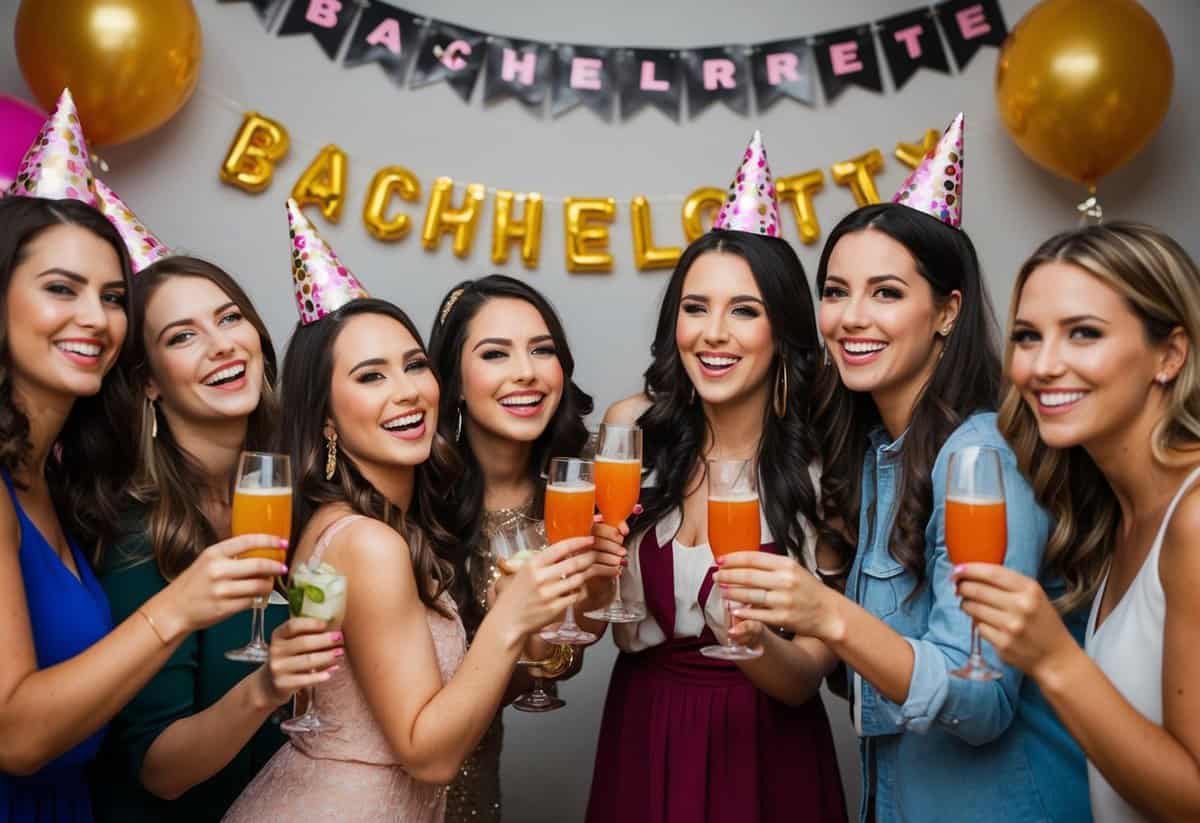
Understanding the slang around “bachelorette” gives insight into terms that have evolved. These terms often reflect cultural shifts and societal views on marriage and singlehood. Being familiar with them helps in understanding their historical and modern connotations.
Understanding ‘Spinster’ and ‘Old Maid’
The terms “spinster” and “old maid” have been used historically to describe unmarried women who are past the typical age for marriage. These words often carried a negative connotation, suggesting that staying single was undesirable. Over time, as cultural attitudes shifted, such terms became less favorable.
Today, the word “bachelorette” has become more popular and positive, often linked to bachelorette parties. Unlike the dated “spinster,” “bachelorette” suggests a celebration of singlehood and independence, reflecting changing perspectives on women’s roles.
The ‘Bride-to-Be’ Journey
People commonly use “bachelorette” to describe unmarried women’s social experiences, especially in the context of weddings. The term often refers to the modern-day phenomenon of the bride-to-be’s journey through events like bachelorette parties.
These gatherings are occasions for fun and celebration, emphasizing friendship and support among women. The journey for the bride-to-be is filled with traditions and customs that differ from the past. Today’s bride-to-be engages in a collective bonding experience, which contrasts with the solitary image of a “spinster.” This highlights a shift in the societal narratives surrounding single and married life.