
What Do You Do If Guests Don’t RSVP? Tips for Handling the Situation Gracefully
Planning a wedding is an exciting journey, but it comes with its fair share of challenges. One of the most frustrating moments can occur when guests don’t RSVP.
To handle this situation, reach out directly to those who haven’t replied, either through a friendly message or a quick phone call. This not only helps you get the necessary details for your seating chart and meal planning but also gives your guests a nudge to respond.
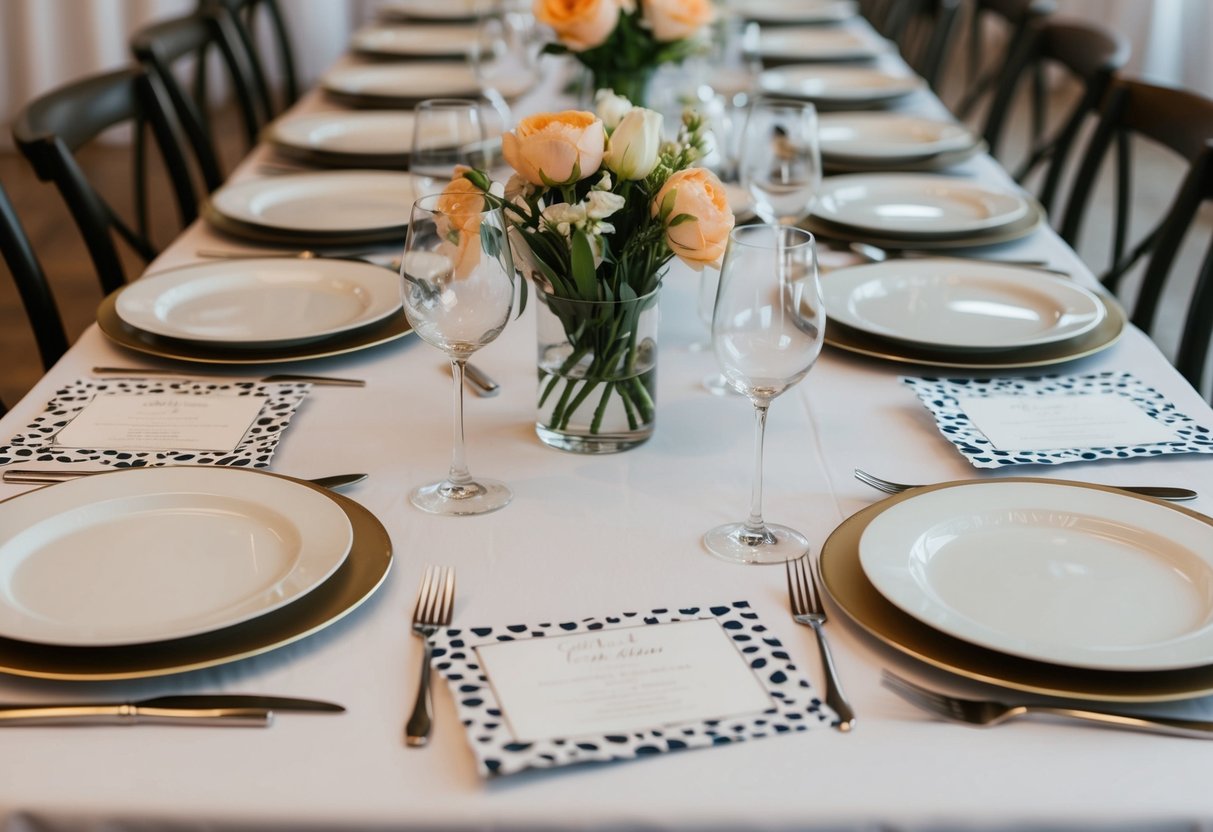
When you send out invitations, it’s important to be clear about the RSVP deadline. Despite your best efforts, some people may still forget or postpone their decision.
Don’t let this stress you out; many hosts face this common issue during wedding planning. Just remember to stay calm and focused on the joy of your upcoming day.
Organizing your guest list ahead of time can make this task easier. If you keep track of contact details, you can streamline your follow-up efforts.
This way, you can create a welcoming atmosphere for your guests and ensure everyone is accounted for. Your wedding day is about celebrating love, so a little effort to gather replies can help make it stress-free and enjoyable!
Understanding RSVP Etiquette
RSVP etiquette plays an important role in planning events. It helps hosts manage their guest lists and creates a smoother experience for everyone involved. Knowing the basics can make a big difference.
The Importance of the RSVP Date
The RSVP date is crucial for any event. It tells your guests when you need their responses. As a host, you can finalize food, seating, and activities based on this information.
Guests should understand that replying by the RSVP date is part of good manners.
If guests delay their response, it can lead to frustrations. You may end up over-catering or not having enough space. Remember, the etiquette expert Emily Post emphasized that responding on time is a sign of respect for your host’s efforts.
Decoding ‘Regrets Only’
“Regrets only” invites can be confusing. This means that guests should only respond if they cannot attend. If you plan to go, no response is needed. This method simplifies the planning for the host.
Yet, this can create misunderstandings. Hosts still appreciate a note of confirmation, even if it’s assumed you’ll be there. Remember, clear communication leads to better event planning. Your response, whether accepting or declining, helps create a positive experience for all.
Addressing Missing RSVPs

When you’re planning a wedding, missing RSVPs can be stressful. There are several ways to handle this situation effectively. You can communicate directly with your guests, use your wedding website for reminders, and involve your maid of honor or wedding party for extra support.
Communicating with Guests
A personal touch can go a long way. Consider making a phone call to guests who have not responded. This shows you value their presence and care about their response.
When you call, keep the tone friendly. You can say something like, “Hi! I just wanted to check in and see if you received the invite to our wedding.” This approach encourages open conversation.
Most guests appreciate your reaching out. Some may have simply forgotten to RSVP. Be prepared to take their response right then or remind them gently to reply on the RSVP card.
Utilizing Wedding Websites and Reminders
A wedding website can be a helpful tool for tracking RSVPs. Make sure your site has a dedicated RSVP section. Guests can easily respond online, which may prompt quicker replies.
As the date approaches, send friendly reminders via email or through the website. You can say, “We’re excited about our upcoming wedding! If you haven’t RSVP’d yet, please let us know if you can make it!”
This gentle nudge serves to keep your guests informed without being pushy. You can even include a fun countdown to your wedding date to excite them about the event.
The Role of the Maid of Honor and Wedding Party
Your maid of honor and wedding party can be invaluable during this time. Let them help you reach out to guests who haven’t replied. They can make calls or send messages, making the task seem less daunting for you.
Involving your wedding party creates a team effort. They might know why certain friends haven’t replied or help encourage them to respond.
Provide your maid of honor with a list of guests who haven’t RSVPed. This helps ensure nothing slips through the cracks. Working together makes the planning process smoother and more enjoyable.
Managing the Headcount for Your Event
Getting the right headcount is crucial for a successful event. Knowing how many guests to expect helps with planning everything from food to seating arrangements. Here are some important steps to manage your headcount effectively.
Liaising with the Caterer and Venue
It’s essential to keep your caterer and venue updated on your guest count. Start by providing them with your current numbers. If you have not received all RSVPs, communicate that clearly.
Caterers typically prepare food based on the final numbers you provide. Be prepared to adjust your order based on late responses. Many caterers recommend adding an extra 5-10% to account for unexpected guests.
Your venue also needs to know the headcount for seating and space arrangements. If your guest list is uncertain, let them know that you are still finalizing numbers. This proactive communication helps them prepare best for your event.
Handling Unexpected Guests
Unexpected guests can happen, so it’s wise to think ahead. One way to prepare is by alllowing a small buffer in your food and seating plans. If you expect 50 guests, plan for around 55-60.
If someone shows up without an RSVP, greet them warmly. While it may disrupt your plans slightly, accommodating them shows your hospitality. Have extra meals ready if possible, and be prepared to rearrange seating if needed.
Always keep in touch with your guests before the event. Friendly reminders about RSVPs can encourage responses and reduce surprises. Use texts or emails to gently ask for confirmations, building excitement for the gathering.
Invitations Across Different Events
When planning events, how you invite guests matters. Different occasions call for different invitation styles. Here are insights into wedding invitations and other events, along with the value of printed invitations and phone calls.
Wedding Invitations Vs. Other Occasions
Wedding invitations are often more formal than those for casual events, like a backyard barbecue or baby shower. You typically include all the essential details, such as the venue, date, and dress code.
Important Elements for Wedding Invitations:
- Formal Language: Use titles and full names.
- RSVP Information: Clearly state how and when to respond.
- Extra Details: Mention any events before or after the wedding.
For events like a backyard barbecue, invitations can be more relaxed. Casual wording and simpler RSVP methods, like text or social media, work well. The goal is to ensure your guests know what to expect while making it easy for them to respond.
The Case for Printed Invitations and Phone Calls
Printed invitations can leave a lasting impression. They convey a sense of importance, especially for significant milestones like weddings or milestone birthday parties.
Benefits of Printed Invitations:
- Visual Appeal: Attractive designs catch the eye.
- Personal Touch: Handwritten notes can make guests feel special.
However, less formal gatherings, like a baby shower, might benefit from phone calls. A quick call allows you to chat and gauge excitement. It can also lead to faster responses from guests who might overlook digital invites.
In both cases, making the effort counts. Whether printed or through a phone call, personalized touches can create a warm connection with your guests.