
What Do You Need to Officiate a Wedding in the UK? A Friendly Guide to Getting Started
If you’re looking to officiate a wedding in the UK, you must know the legal requirements and the steps involved.
To officiate a wedding ceremony, you must be a licensed member of a recognized religious group or a registrar registered with the local authority. This means you have the power to make the marriage official with legal vows and signatures.
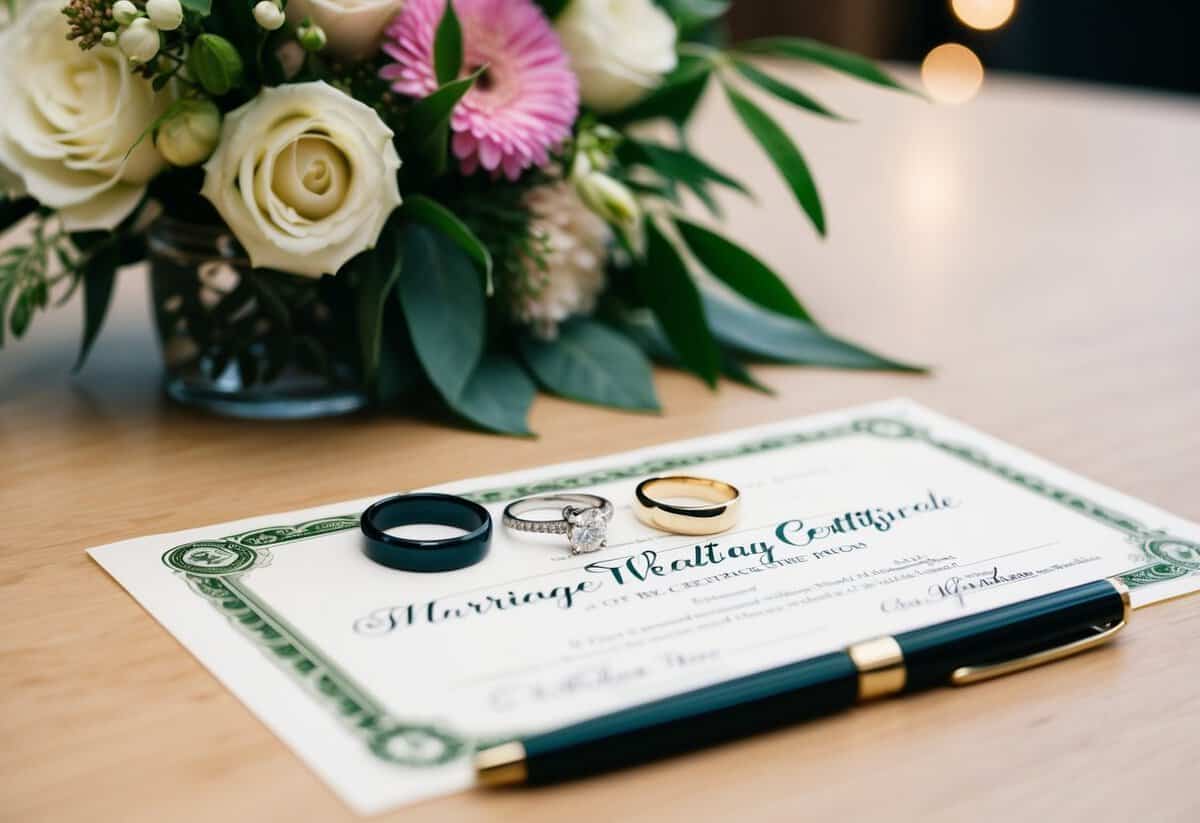
Understanding what you need can help make the process smoother and stress-free. You can be a friend or family member who wants to play a special role in your loved ones’ marriage, but you must follow the legal guidelines to ensure everything is valid.
Let’s explore how you can prepare for this meaningful task and what paperwork you’ll need to gather for the marriage ceremony.
Legal Requirements to Officiate a Wedding

To officiate a wedding in the UK, you need to meet specific legal requirements. This process involves becoming a legally recognized officiant, registering with the local office, and giving notice of the marriage. Understanding these steps ensures that the ceremony is valid and recognized by law.
Becoming a Legal Wedding Officiant
To start, you must become an authorized officiant. In the UK, this usually means being a registrar or a member of a religious organization that is recognized for officiating weddings.
If you choose to be a registrar, you need to apply to your local council. As a registrar, you will conduct marriages in a register office or an approved venue. It’s important to check the specific guidelines in your area, as they can vary. Completing any required training or certifications may also be necessary to fulfill this role.
Register Office and Marriage Certificate
After becoming an officiant, you need to coordinate with your local register office to handle the legal paperwork.
This office is where you will register the marriage and issue the marriage certificate, an important document confirming the union. The marriage certificate proves that the ceremony is legally binding.
Make sure to discuss with the register office the fees and any documentation you may need to prepare in advance. Keeping organized will help ensure that everything goes smoothly on the big day.
Giving Notice at the Local Register Office
Before the wedding, both partners must give notice at their local register office. This is a formal declaration of your intention to marry and must be done at least 28 days before the wedding.
During this appointment, you’ll need to provide identification and proof of residence. The register office will provide you with a notice, which is displayed publicly for a certain period. This step ensures that there are no legal obstacles to your marriage.
Following these requirements will help ensure your wedding is both joyful and legally recognized.
Types of Wedding Ceremonies
When planning your wedding, understanding the various types of ceremonies can help you choose the perfect fit for your special day. Each ceremony type has its own legal requirements and personal touches, allowing you to create a meaningful experience.
Civil Ceremony
A civil ceremony is a popular choice for many couples in the UK. It is conducted by a registrar and takes place in a licensed venue, such as a register office or approved location.
This type of ceremony is straightforward and allows for a focus on the legal aspects of marriage. The ceremony typically includes the exchange of vows and rings.
You can personalize your civil ceremony by adding readings or music, but keep in mind that there are restrictions on religious content. This option is great if you want a simple, no-frills wedding without the religious elements.
Religious Ceremony
If you are looking for a more traditional experience, a religious ceremony may be ideal. This includes options like the Church of England or other denominations like the Anglican Church.
Each church may have its own guidelines and requirements for marriage. Typically, a religious ceremony includes readings from scripture, hymns, and a blessing from a priest or minister.
You can incorporate personal elements, such as favorite songs or special vows, while still following the church’s traditions. This option often makes the ceremony feel more meaningful and connected to your beliefs.
Humanist and Non-Legally Binding Ceremonies
Humanist ceremonies focus on personal beliefs rather than religious doctrines. Conducted by a humanist celebrant, these ceremonies allow for complete flexibility in content, style, and location.
You can create a fully personalized ceremony that reflects your values and love story. While humanist ceremonies are heartfelt and meaningful, they are non-legally binding.
Couples often choose to have a civil ceremony before or after the humanist celebration to ensure their marriage is legally recognized. You can also opt for a religious blessing after the humanist ceremony, blending both elements to suit your preferences.
The Role of Various Officiants
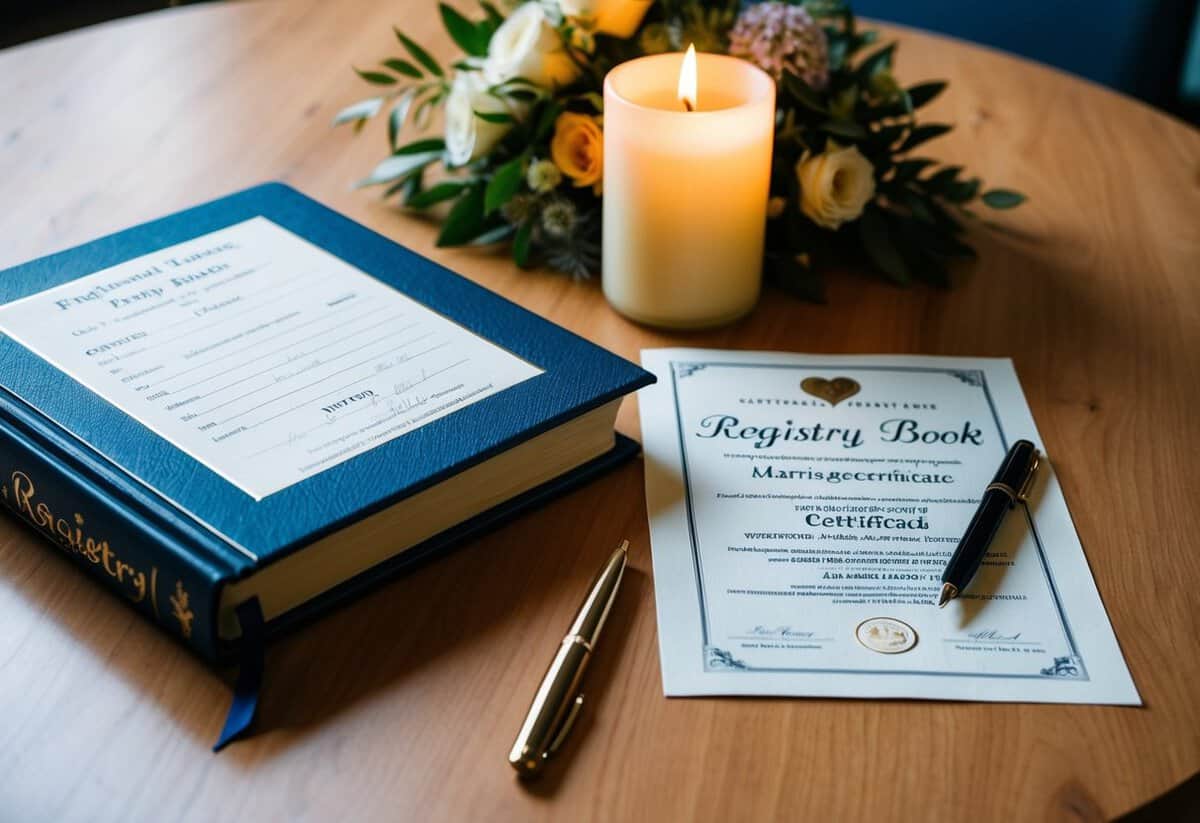
When planning a wedding in the UK, choosing the right officiant is key. Different officiants have distinct roles, legal requirements, and styles to suit various preferences. Below are some options you can consider.
Registrars and Celebrants
Registrars are local government officials who provide the legal framework for weddings. They ensure that your ceremony meets all the necessary requirements under UK law.
To have a registrar officiate your wedding, you usually need to book them well in advance, as their schedules can fill up quickly.
Celebrants, on the other hand, offer more personalized ceremonies. They can create unique scripts that reflect your story and values.
If you choose a celebrant, make sure they’re experienced and can seamlessly incorporate family traditions or cultural elements. While celebrants can perform beautiful ceremonies, it’s important to have a registrar finalize the legal aspects if needed.
Priests and Deacons
If you are considering a religious ceremony, priests and deacons play important roles in Catholic and Anglican weddings. A priest is typically responsible for leading the ceremony, offering blessings, and ensuring that it aligns with your faith’s guidelines.
Deacons can assist with the service and often deliver sermons that resonate with your ceremony’s theme. If you’re looking for a traditional service steeped in religious significance, this option might be well-suited for you.
Remember, a church wedding may have specific requirements, such as attending premarital counseling.
Online Ordained Officiants
More recently, many people have turned to online ordained officiants to marry them. With organizations like Universal Life Church and Open Ministry, you can get ordained online quickly.
This option allows friends or family members to officiate at your wedding, making it feel more personal. When choosing an online officiant, ensure they have ordination credentials accepted in your area.
Typically, you will need to provide a copy of their authorization to the local registry office. This makes it essential to confirm all legal requirements well in advance to avoid last-minute issues on your special day.
Creating the Perfect Wedding Ceremony
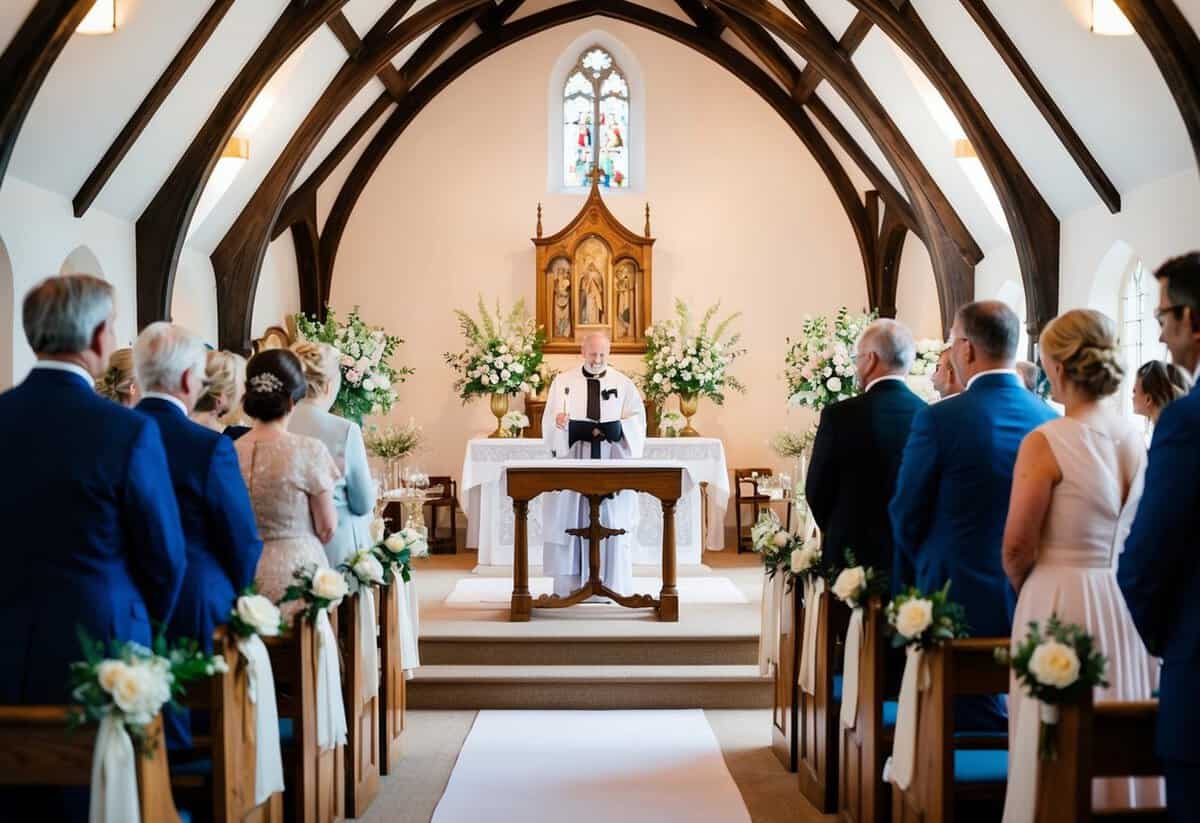
Planning a wedding ceremony means making choices that reflect your love story. From personal touches to crafting the right words, each decision makes the day special.
Developing a Personalized Ceremony
Your ceremony should reflect you and your partner. Start by selecting key elements that represent your relationship, beliefs, and values.
Think about the setting, readings, and rituals that resonate with you both. Consider using a wedding ceremony script generator to help shape your words. This tool can offer structure and inspiration.
You might include music that holds meaning, or involve family and friends in readings or speeches. Don’t hesitate to consult a celebrant. They are skilled at bringing your vision to life. Your celebrant can guide you in combining traditions with personal stories, ensuring a unique and heartfelt ceremony.
Writing and Including Personal Vows
Personal vows add a heartfelt touch to your ceremony. Begin by reflecting on what you love about each other. Write down memories, dreams, and promises you want to share.
When drafting your vows, keep them genuine and sincere. Aim for about 1-2 minutes when spoken aloud. Try to highlight specific moments in your relationship that showcase your connection.
Incorporating personal vows can deepen the emotional impact of the ceremony. Feel free to share anecdotes that capture your journey together. Make eye contact and speak from the heart—this is your moment!