
What Documents Do I Need to Get Married in a Registry Office in the UK? A Simple Guide
Getting married in a registry office in the UK is a simple and straightforward process. Several important documents are required to ensure a smooth ceremony. These include proof of identity, address, and nationality. Having these documents ready will help you avoid any last-minute stress as you prepare for your big day.

The process typically requires you to provide items like your passport, birth certificate, and proof of residency, such as a utility bill. These documents confirm your identity and eligibility to marry. Once you have everything in order, you’re on your way to receiving your marriage certificate after the ceremony, which is a vital part of your new life together.
Registry office weddings are popular for their simplicity and efficiency. If you follow these guidelines and bring the necessary paperwork, you can focus on what truly matters—celebrating your love!
Legal Requirements for Marriage in the UK
Getting married in a registry office involves meeting specific legal requirements. It’s important to be aware of your eligibility and immigration status, how to give notice, and the documents you need to bring.
Eligibility and Immigration Status
To get married in the UK, you must be at least 18 years old and free to marry. This means you shouldn’t be currently married or in a civil partnership. If you’ve previously been married, you’ll need to provide proof of your divorce, such as a divorce document, or a death certificate if your previous partner has passed away.
Your immigration status also matters if you are from outside the UK. You may need a visa if you are not a UK resident. Those with pre-settled or settled status can marry without additional restrictions under the EU Settlement Scheme. If you’re unsure about your immigration status, it’s wise to check with the Home Office or local authorities.
Notice of Marriage and Appointment
Before marrying, you need to give notice of marriage at your local registry office. This is a formal declaration that you intend to marry. You should do this at least 28 days before your wedding. If you’re a foreign national, the notice period may be longer, depending on your circumstances.
You’ll need to make an appointment with a superintendent registrar to give this notice. During this appointment, you’ll share information about yourselves and your intended marriage date. It’s best to bring along your partner to the appointment.
Required Documents
When giving notice and getting married, you must provide specific documents. Generally, you will need:
- A valid passport or national identity card
- A birth certificate
- Proof of your address (like a utility bill)
- Any divorce or death certificates if applicable
- Evidence of any name changes, if your name is different from what’s on your documents
Make sure your documents are in good condition and presentable. Having the right documents ready helps ensure a smooth process on your special day.
Arranging Your Marriage Ceremony
When arranging your marriage ceremony at a registry office, there are several important steps to take. You need to choose the right venue, book your wedding date, and consider how you want to personalize your ceremony.
Choosing a Registry Office
The first step is selecting a registry office where you want to get married. This can be an official registry office or an approved venue within your registration district. If you are unsure, you can check with your local council for a list of options.
Make sure to consider factors like location, capacity, and availability. If you have specific ideas about your ceremony, some places may better suit your vision. Additionally, keep in mind that you can book an appointment to give your notice of intention to marry, which is a legal step before tying the knot.
Booking Your Wedding
Once you have chosen your registry office, it’s time to book your wedding. You can often do this online or by contacting the registry office directly. Be sure to check the available dates and times, as popular slots can fill up quickly, especially during peak wedding seasons.
When booking, consider any special requirements you may have. This is especially important for same-sex couples, who may want to ensure the venue meets their needs for inclusivity. Confirm the required documents needed for the booking, such as proof of identity and residency.
Personalizing the Ceremony
Personalizing your ceremony can make your special day even more memorable. Although registry office weddings are generally more straightforward, you can still add personal touches. Discuss with the registrar any specific readings, music, or vows you may want to include.
Additionally, think about whether you want a religious blessing after your civil ceremony. Many couples choose to have a simple celebration that reflects their personalities. This could mean inviting family and friends to share in the moment, making it a day to remember. Remember, the ceremony is about you and your partner, so make it as unique as your love story!
Proving Your Identity and Address
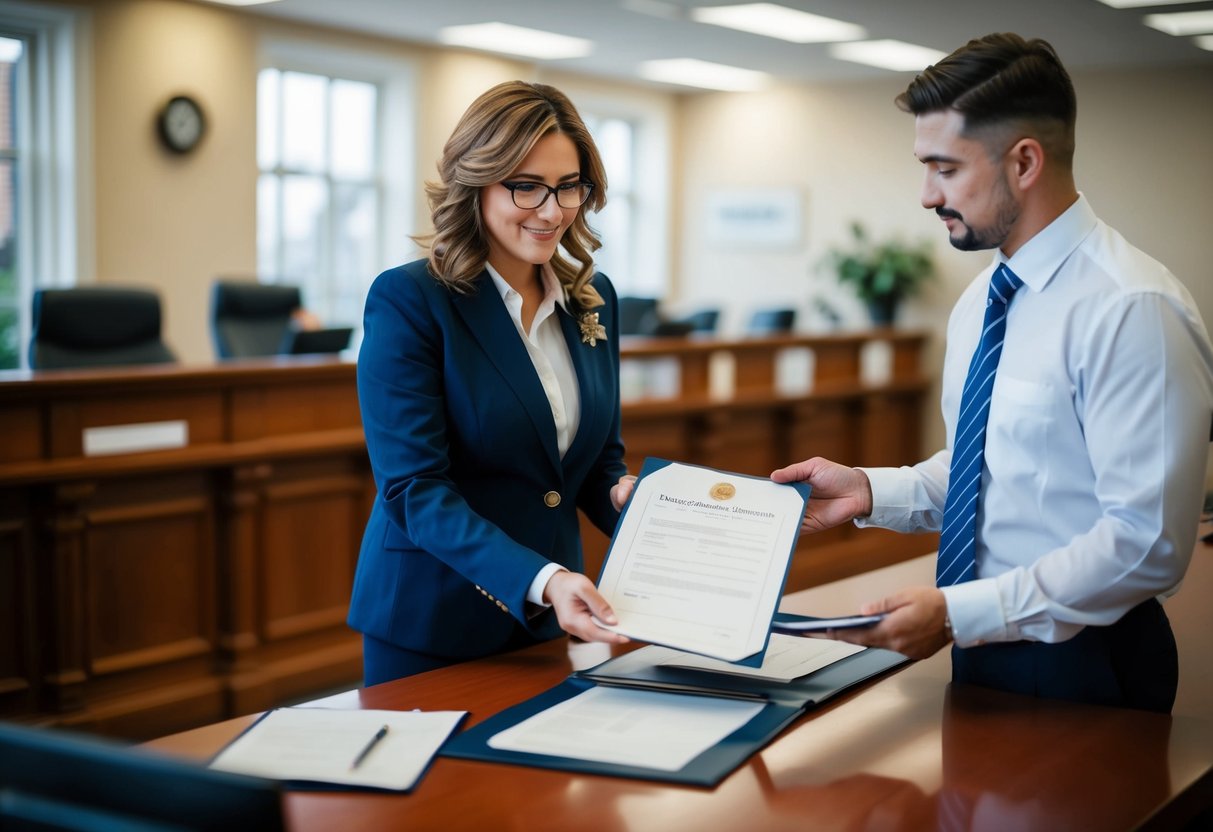
To get married in a registry office, you need to provide certain documents that confirm your identity and address. Gathering the right paperwork helps ensure a smooth process.
Identity Verification
To verify your identity, you must present valid documents. Typically, you’ll need a current passport or a UK birth certificate. If there have been any name changes, bring official proof of these changes, like a marriage certificate or a change of name deed.
Additionally, a driving license can serve as a proof of identity. If you’re from Ireland, an Irish citizenship certificate is also accepted. Remember to have a passport-sized photo ready, as this may be required. Having these documents ready will help your application proceed without delays.
Address Confirmation
For confirming your address, you need to submit documents that show where you live. A utility bill (from the last three months) is often used, so check if you have your recent electricity bill, water bill, or gas bill handy.
You can also use your council tax bill, bank statement, or mortgage statement as proof. Even a tenancy agreement can work if you rent. Remember that all documents should include your name and the correct address to avoid complications. Having these will make your notice officiating much easier.
Finalizing Your Marriage
Once your registry office ceremony is complete, there are important steps left to officially finalize your marriage. You need to make some legal declarations and obtain your marriage certificate to ensure everything is recognized and recorded properly.
Legal Declarations
During your ceremony at the registry office, you will make legal declarations. This includes stating your full name and confirming that you are free to marry.
You will also need to provide a legal statement that confirms you have given notice of your intention to marry. This statement is an important part of the legal process.
It’s crucial to complete these declarations honestly and accurately, as they become part of the public record. In England, Wales, Northern Ireland, and Scotland, the wording may vary slightly, but the process remains similar.
Ensure that all personal details you provide match those on your identification documents. This helps avoid any complications later on.
Obtaining the Marriage Certificate
After the ceremony, you must obtain your marriage certificate to officially document your union. This certificate is essential for various reasons, such as changing your name or applying for spousal benefits.
To get your marriage certificate, you will usually need to request it from the registry office where your wedding took place. In England and Wales, it may take a few days to receive your certificate after the ceremony.
You can often get a standard certificate or a more detailed one, depending on your needs. If you are outside the UK, check with your local registry office for specific instructions.
Remember, the marriage certificate is a vital document, so keep it safe!