
What Does a Celebrant Say at a Wedding? A Guide to Heartfelt Vows and Cherished Moments
When planning your wedding ceremony, you might wonder what exactly a celebrant says during the ceremony. Typically, the officiant welcomes the guests, introduces the couple, and leads them through important parts of the ceremony, including the vows and the declaration of marriage. This spoken framework guides you and your partner through a memorable moment that marks the start of your life together.
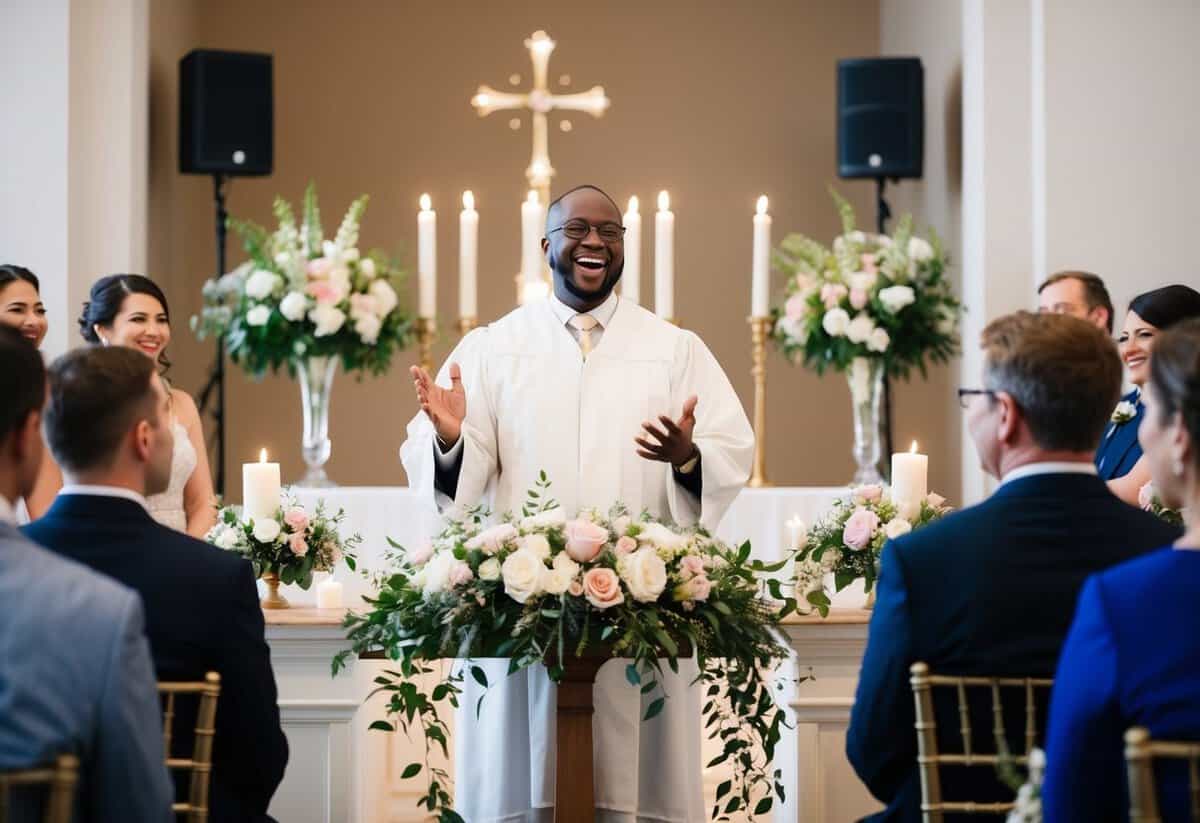
As you prepare for your wedding day, understanding the celebrant’s role can help ease some of the stress surrounding the event. The officiant will articulate the love story shared between you and your partner, creating a warm and inviting atmosphere for all your guests. The words spoken during the ceremony are not just formalities; they represent the deep commitment you are making to each other.
From the declaration of intent to the heartfelt vows, every part of what the officiant says carries weight. It’s important to consider how you want this moment to feel and what messages you want to share with your loved ones. Preparing together for these spoken elements can enhance your wedding ceremony and make it even more special.
The Role of the Celebrant
A wedding celebrant plays a key role in your ceremony. They ensure that your special day reflects your love story and personal beliefs. Their duties cover various aspects, from meeting you before the big day to conducting the rehearsal.
Meet the Officiant
When you first meet your wedding officiant, it’s all about connection. They will want to get to know you as a couple. This includes discussing your story, values, and any specific preferences you have for the ceremony.
This meeting can be a chance to share what makes your relationship unique. You might also talk about the tone you want, whether it’s formal or casual. Your celebrant will gather all this information to create a personalized ceremony that feels just right for you.
Duties Before the Wedding Day
Before your wedding day, the celebrant has important tasks to complete. They will assist you in writing your vows and selecting readings or rituals that resonate with you. This collaboration helps shape a ceremony that is meaningful and truly reflects your journey together.
Additionally, a professional officiant will handle all the legal requirements. They may guide you through the paperwork needed to get ordained for performing weddings. This ensures everything is in order before the ceremony begins, so you can focus on enjoying your special day.
Ceremony Rehearsal
A ceremony rehearsal is a crucial step led by your wedding celebrant. This practice session helps everyone understand their roles. You will go through the ceremony details, ensuring timing is smooth and everyone knows what to expect.
During the rehearsal, your officiant will explain when to walk down the aisle, when to exchange vows, and how to stand during the ceremony. It’s also a great time to ask questions and make any last-minute adjustments. This preparation helps ease any nerves, allowing you to enjoy the moment fully when the day arrives.
Ceremony Script Breakdown
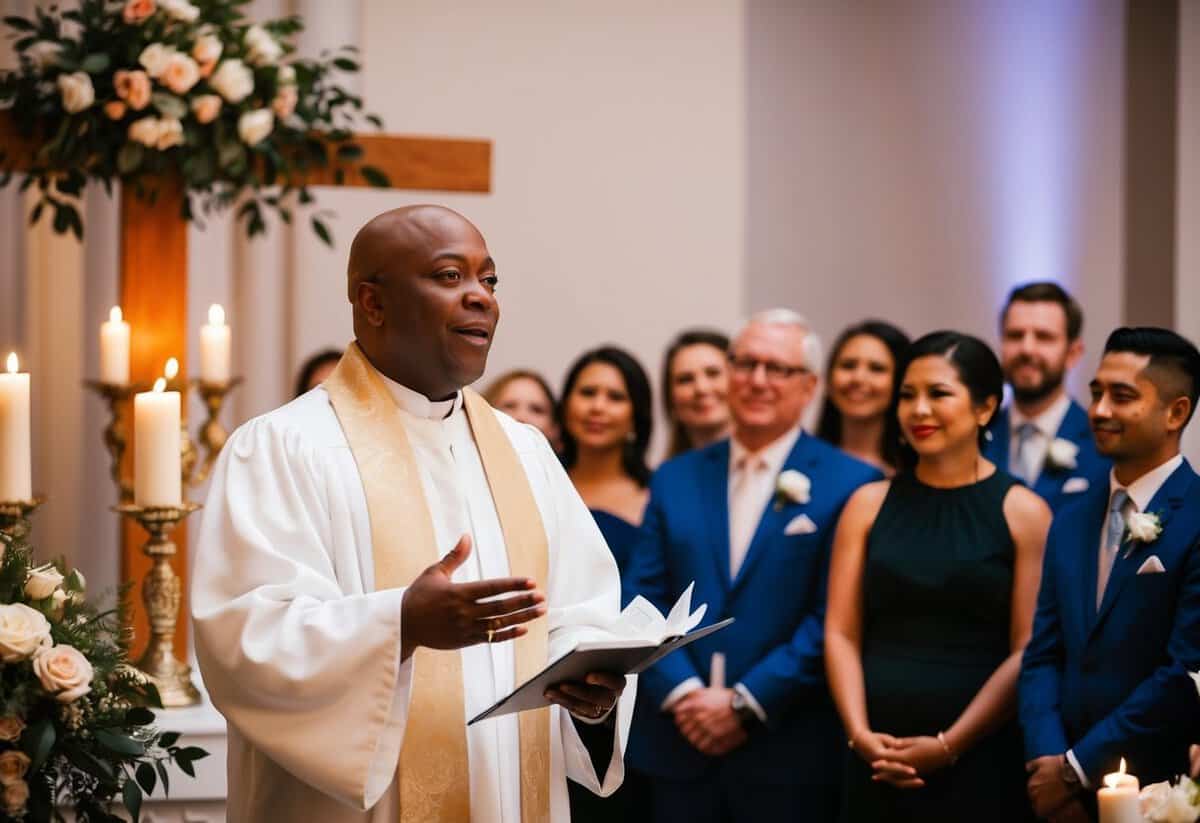
When officiating a wedding, each part of the ceremony script plays a key role in making the day special. Understanding the structure helps you deliver a memorable experience for the couple and their guests. Here’s a breakdown of the essential components.
Opening Words
The ceremony begins with the opening words. This is your chance to welcome everyone and set the tone for the day. You may start with a positive message about love and unity.
Feel free to include quotes or short anecdotes that reflect the couple’s journey. Remember to keep it personal and engaging. This section usually lasts about 1-3 minutes, allowing you to warm up the crowd and draw them into the moment.
Declaration of Intent
Next is the declaration of intent. This part involves a formal statement where the couple confirms their willingness to marry each other. You may ask, “Do you take this person to be your lawfully wedded spouse?”
This moment is important because it emphasizes the seriousness of the vows. Both partners should respond clearly and affirmatively. A heartfelt declaration can make the ceremony feel genuine and significant.
Readings and Traditions
After the declaration, it’s common to include readings and traditions. This can be a poem, a passage from literature, or even religious texts, reflecting the couple’s beliefs.
Choose readings that resonate with them. If they have a favorite quote or a family tradition, include that, too. These elements add depth to the ceremony and give guests a glimpse into the couple’s values and relationship.
Vow Exchange
The vow exchange is one of the most emotional parts of the ceremony. Here, each partner expresses their promises, whether through traditional wedding vows or personalized ones.
Encourage the couple to speak from the heart. If they need help writing their vows, consider recommending a vow writing coach. This shared moment is powerful, strengthening their commitment to each other and creating lasting memories.
Ring Exchange
Following the vows is the ring exchange. This symbolizes the promise made between the couple. When presenting the rings, explain their significance as a circle representing eternity and unbreakable love.
As they place the rings on each other’s fingers, remind them to reflect on the vows shared moments before. It’s a simple act with profound meaning, and it reinforces their commitment in front of family and friends.
Closing Words
As the ceremony wraps up, you will share the closing words. This is an opportunity to tie everything together and celebrate the couple’s love. You might say something uplifting about their journey ahead and encourage guests to support them.
End with a clear pronouncement, such as, “I now pronounce you married!” This is often followed by a kiss and cheers from the crowd. Your closing words frame the ceremony, leaving everyone with a warm feeling of joy.
Creating a Personal Touch
Personalizing your wedding ceremony makes it memorable. By incorporating your love story, unique vows, and engaging your wedding party, you can create a heartfelt experience for everyone involved.
Incorporating the Love Story
Your love story is unique and deserves to be shared. A skilled officiant can weave personal anecdotes into the ceremony. This could include how you met, memorable moments, or what makes your relationship special.
You might also include quotes or stories that resonate with both of you. This helps to showcase the journey you’ve taken together. Sharing your story can deepen the connection with your guests, making them feel part of your special day.
Unique Vows and Rituals
Writing your own vows is a wonderful way to express your feelings. Your vows can reflect your personality and commitment to each other. A wedding officiant can guide you in creating vows that are meaningful and authentic.
Additionally, consider including rituals that hold significance for you both. This could be exchanging wedding rings, a unity ceremony, or any symbolic act that represents your love and commitment. These rituals add depth to the ceremony, making it even more memorable.
Involving the Wedding Party
Your wedding party plays an important role in your big day. Involving them in the ceremony can create a sense of community and support. You might have them share readings or personal messages that highlight your relationship.
Encourage them to participate in any rituals you choose. This could mean holding the rings or lighting a unity candle together. Their involvement not only enriches the ceremony but also strengthens the bond between all of you.
By adding these elements, you make your wedding ceremony more personalized and special.
Understanding Ceremony Types
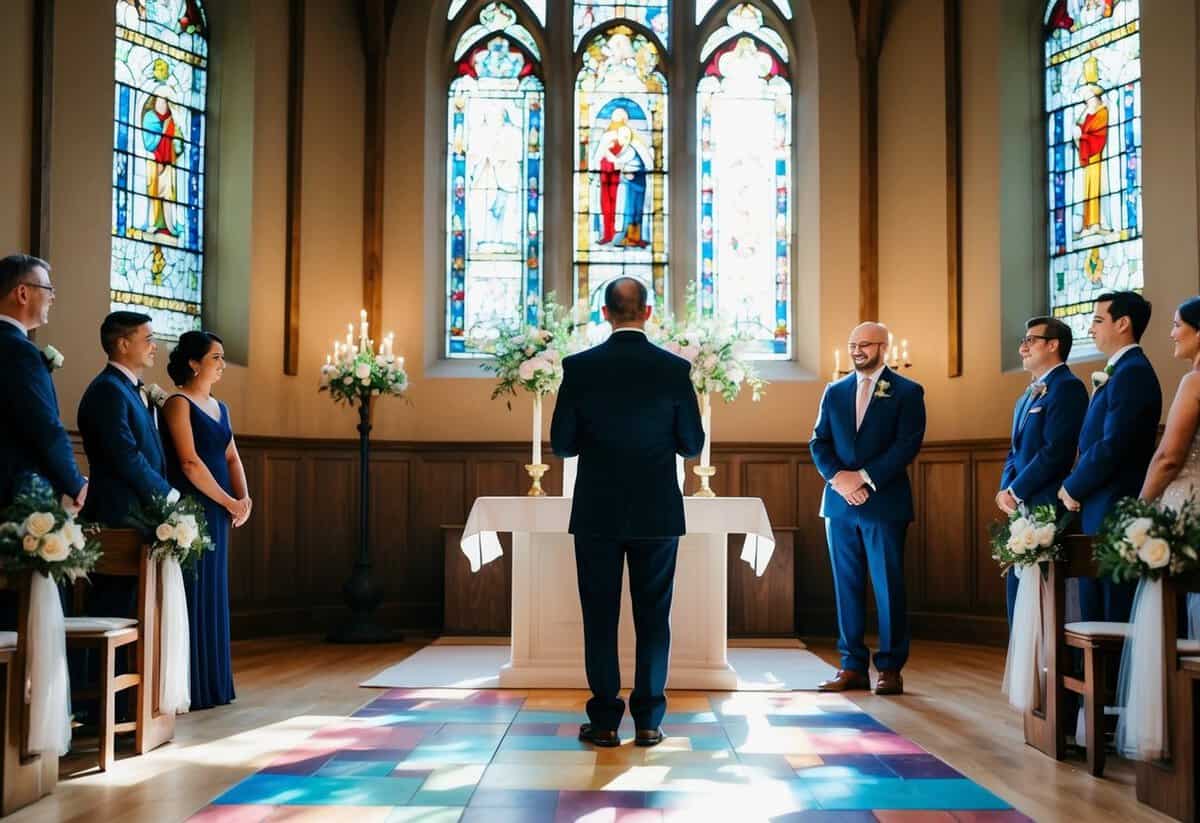
Choosing the right type of wedding ceremony is crucial. Knowing the differences between secular and religious ceremonies, along with cultural elements, can help you make informed decisions during your planning.
Secular vs. Religious Ceremonies
Secular ceremonies focus on personal beliefs rather than religious doctrines. These ceremonies are often held in non-religious locations like parks or event halls. You have the freedom to create a ceremony that reflects your values and personalities.
In contrast, religious ceremonies are steeped in tradition and often include rituals tied to specific faiths. During a religious wedding ceremony, officiants may speak about the spiritual significance of marriage. Couples may also make promises like the seven promises of marriage, which outline commitments to each other.
Cultural Ceremony Elements
Including cultural elements in your wedding can make the ceremony unique. Many couples choose to blend traditions from their backgrounds.
For example, you might incorporate specific readings, songs, or rituals during the ceremony. These cultural practices can enrich the experience and honor family heritage.
Think about the elements that represent you both, such as traditional attire or special blessings. Understanding these components can help you create a meaningful ceremony.
Finding the right balance will ensure that your celebration reflects your love story and values.