
What Does a DJ Do at a Wedding? Your Guide to Their Essential Role in Creating Unforgettable Memories
When planning a wedding, you might wonder what a DJ actually does besides playing music. A wedding DJ is much more than just someone who presses play. They serve as the master of ceremonies and help set the mood for your big day. Their role includes announcing key moments like your first dance and toasts, making sure everything flows smoothly.
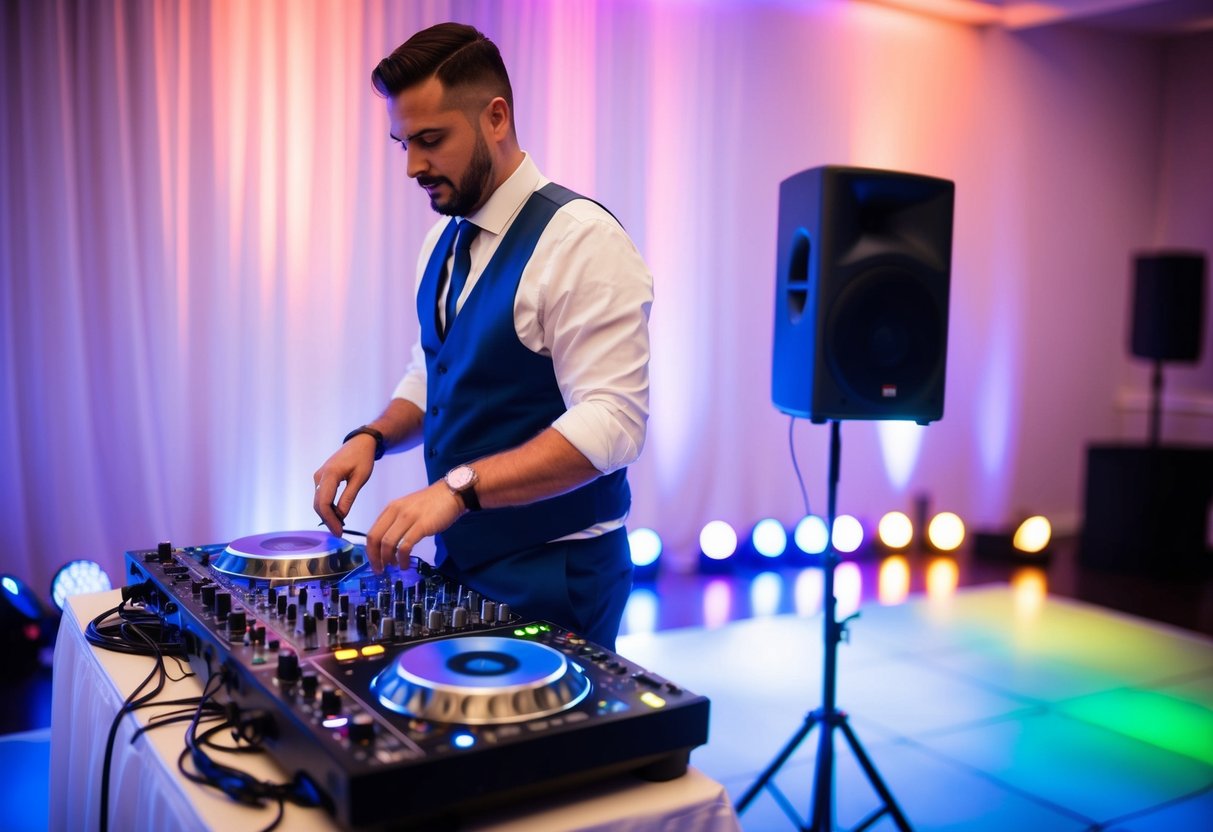
Your wedding DJ not only curates the perfect playlist but also reads the crowd. They adjust the vibe to keep everyone engaged and entertained. They can uplift the energy during the dance set and create special moments with music that resonates with you and your guests. Having an experienced DJ means you can focus on enjoying your celebration, knowing the music and atmosphere are in expert hands.
Pre-Wedding Preparations
Before your wedding day, a wedding DJ focuses on key details that set the stage for a successful event. Proper consultation and equipment setup are essential to ensure everything runs smoothly.
Consultation and Planning
During the initial consultation, the DJ will talk with you about your music preferences, style, and any specific requests. This is a great time to share your vision for the reception and any must-play songs.
Using a planning tool can help organize playlists and work out the timeline for the day. You’ll discuss the wedding day timeline, including important moments like the first dance and cake cutting.
A professional DJ will also coordinate with other vendors, ensuring everyone is on the same page. This level of professionalism adds confidence that your celebration will go off without a hitch.
Equipment Setup
On the day of your wedding, the DJ will arrive early to set up sound equipment. This includes speakers, mixers, microphones, and lighting.
Proper equipment setup is crucial for delivering clear, enjoyable music. The DJ will check all sound levels to make sure everything sounds great.
If you have specific areas for dancing or speeches, the DJ will ensure the right equipment is in place for those spaces. This attention to detail helps your event feel seamless and keeps your guests entertained throughout the night.
Ceremony and Transition
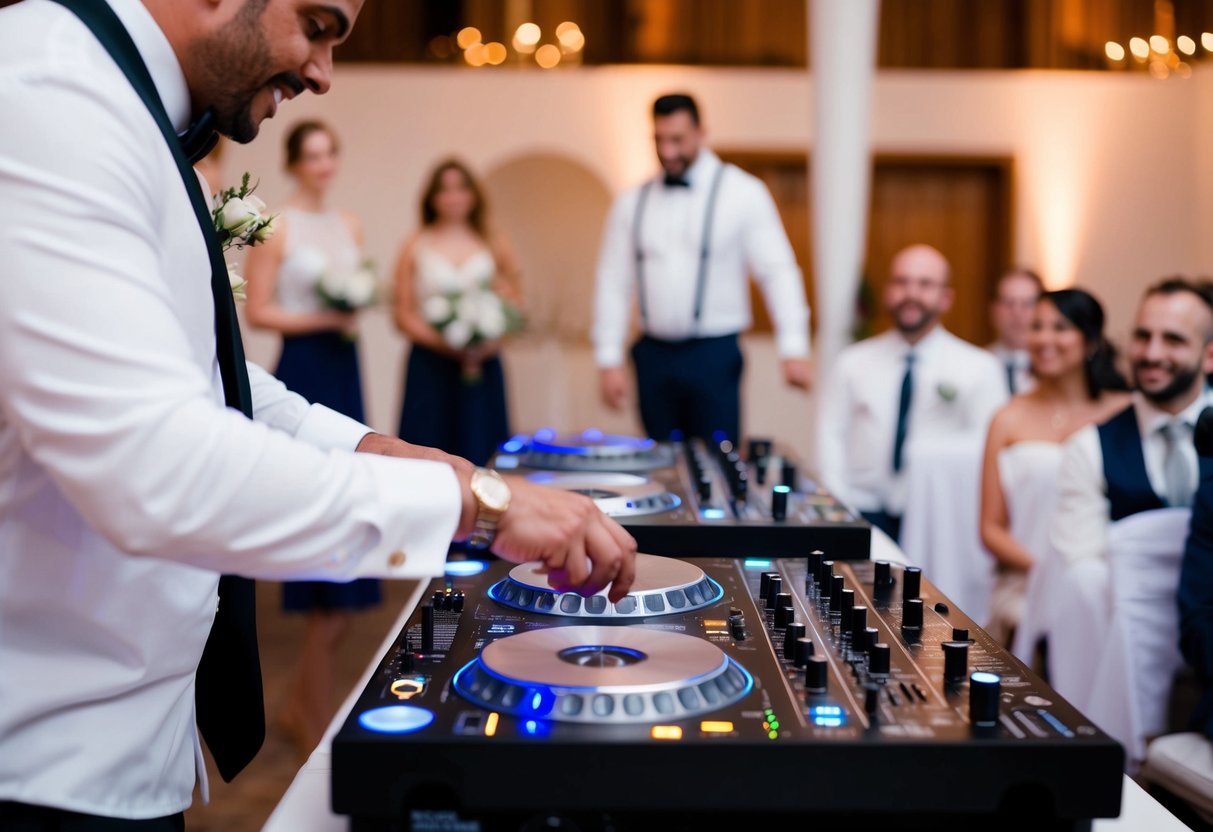
During your wedding ceremony, the DJ plays a key role in setting the mood and managing transitions between different parts of the event. You’ll want to consider both the music selection for the ceremony itself and how the DJ coordinates transitions smoothly.
Music Selection for the Ceremony
Choosing the right music for your wedding ceremony is essential. The DJ can help you pick songs that match the tone you want. This includes tracks for key moments like the processional, where the wedding party walks down the aisle, and the recessional, when you and your spouse exit.
Most couples opt for soft, romantic music during the ceremony. Look for pieces that create an emotional atmosphere. You might consider classical, acoustic versions of popular songs, or instrumental music. Discuss your preferences with the DJ to ensure they have the right sound system set up to make the music resonate beautifully throughout the venue.
Coordinating Transitions
A wedding involves many different parts that require smooth transitions. The DJ’s role includes signaling when certain events should happen. For example, they will announce when the processional begins or when the guests should stand for your entrance.
This coordination is crucial to keep everything flowing. The DJ will monitor the schedule closely and communicate with you and your wedding planner. They also manage the sound system, ensuring that your guests can hear everything clearly. This seamless approach helps everyone enjoy the ceremony, keeping the focus on you and your partner during these important moments.
Reception and Entertainment
At a wedding reception, the DJ plays a key role in creating a lively atmosphere and managing various events. Your DJ not only provides music but also ensures everything runs smoothly so you can enjoy your special day.
Creating the Atmosphere
Your wedding DJ sets the mood for the whole reception. They start by selecting music that reflects your taste. This music can create the perfect vibe, whether it’s upbeat for dancing or soft for dining.
Key elements include:
- Entrance Songs: Songs played as you and your wedding party are introduced.
- Background Music: Playing during dinner to fill the silence.
- Dance Floor Tunes: Choosing tracks that get everyone on their feet.
A skilled DJ knows how to read the crowd. They can adjust the music if guests need a little encouragement to hit the dance floor.
Managing Reception Events
A DJ also acts as the MC (Master of Ceremonies). This role involves announcing important moments, like the bouquet toss or cake cutting. Your DJ coordinates with other vendors to ensure everything flows seamlessly.
Important tasks include:
- Timeline Management: Keeping track of when events happen.
- Guest Engagement: Encouraging participation in activities like games or dances.
- Announcements: Informing guests about upcoming events and special moments.
This level of organization helps you focus on celebrating. You can relax, knowing the DJ is taking care of the details.
Technical Expertise
A DJ’s technical expertise is crucial for creating a memorable wedding experience. This section explores the important aspects of sound and lighting, as well as how they handle troubleshooting during the event.
Sound and Lighting
As a wedding DJ, managing sound and lighting is key to setting the right mood. You will use microphones for announcements and speeches, ensuring guests hear every word clearly.
Speakers must be carefully placed for optimal sound distribution. Good sound prevents it from being too loud or too soft, allowing everyone to enjoy the music.
Uplighting enhances the venue’s appearance by adding color and warmth. It can transform ordinary spaces into stunning settings, making it perfect for dancing and picture-taking.
Consider using a photo booth to capture fun moments. Coordinating with lighting and sound can make the booth area festive and inviting.
Troubleshooting
Issues can arise during any event, so your ability to troubleshoot is essential.
Before the wedding, conduct equipment checks to ensure everything is functioning properly. This includes verifying that microphones, speakers, and lighting work as intended.
If tech problems happen during the event, you must act quickly.
For example, if a speaker stops working, you should have backup equipment ready to go. Communication with other vendors is critical in these moments, as they rely on you to keep things flowing smoothly.
Maintaining control of sound levels and adjusting the playlist can help keep energy high. Your audience’s enjoyment is always the top priority.