
What Does a Freelance Event Manager Do? A Guide to Their Role and Responsibilities
As you explore the world of freelance event management, you may wonder what this role truly involves. A freelance event manager is someone who plans and oversees every detail of an event on a contract basis. They ensure that your vision becomes a successful event, managing everything from venue selection to vendor coordination. This flexibility allows them to work for various clients, making each event unique and tailored to specific needs.
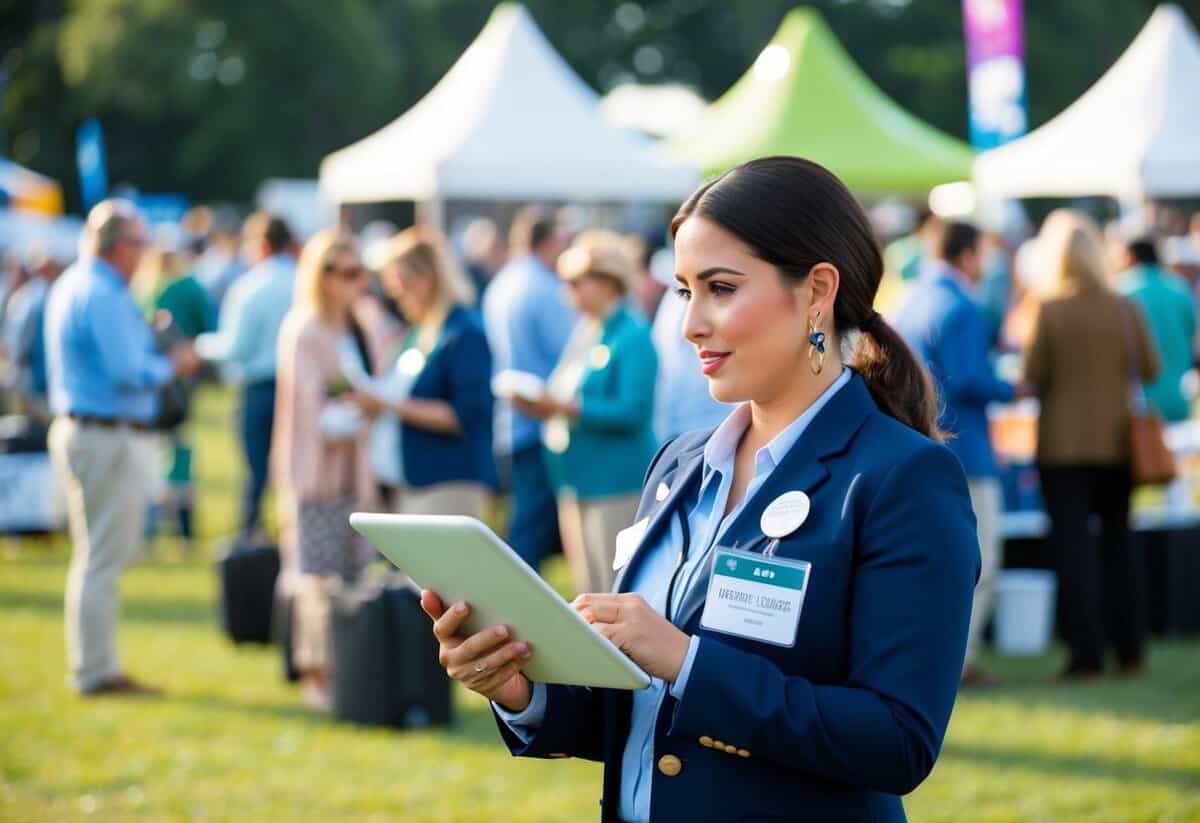
Event planning requires creativity, organization, and excellent communication skills. When you hire a freelance event manager, you’re not just getting someone to arrange logistics; you’re working with a partner who aims to bring your ideas to life while keeping everything within your budget. Whether it’s a wedding, corporate gathering, or a community festival, having a dedicated professional can make all the difference in the planning process and overall experience.
Becoming a freelance event manager means embracing the freedom of self-employment while handling the responsibilities that come with it. If you enjoy creativity and thrive on bringing people together, this could be a rewarding career choice for you.
Roles and Responsibilities of a Freelance Event Manager

As a freelance event manager, your work involves various tasks that require a mix of creativity, organization, and strong communication skills. Key responsibilities are centered around planning events, coordinating with vendors, and managing on-site activities to ensure everything runs smoothly.
Planning and Organization
Your first task is to develop a clear plan for the event. Start by defining the event’s purpose, budget, and target audience.
Use checklists and timelines to manage deadlines effectively. A well-structured plan helps you track progress and makes adjustments when needed.
Key elements to include are:
- Venue Selection: Research and choose a location that fits the event’s theme and size.
- Vendor Management: Build relationships with caterers, decorators, and audio-visual teams. Good networking can lead to better deals and services.
- Health and Safety: Ensure compliance with safety regulations to protect attendees and staff. Prepare for emergencies with clear protocols.
Coordination and Communication
As the project manager, you play a critical role in keeping everyone informed. Clear communication is key to avoid misunderstandings.
Regular updates with your team and clients help maintain alignment on goals and expectations.
Focus on:
- Leadership: Guide your team through various stages of the planning process. Motivate them to perform at their best.
- Troubleshooting: Be ready to solve problems as they arise. This could be anything from a last-minute change in venue to a vendor issue.
- Customer Service: Keep the client’s needs at the forefront. Ensure their vision is realized while addressing any concerns promptly.
On-site Management
On the day of the event, your role shifts to on-site management. You’ll oversee all activities to ensure everything runs according to plan. This is where your problem-solving skills really shine.
Important tasks during the event include:
- Setup Coordination: Make sure everything is set up correctly. This involves working with vendors and staff to position items as planned.
- Time Management: Keep an eye on the schedule. Ensuring that each segment of the event runs on time is essential.
- Guest Interaction: Be available for guests and provide assistance as necessary. This elevates the overall experience and reflects well on your professionalism.
Building a Successful Freelance Career
Creating a strong freelance career takes time and effort. Focus on networking, marketing yourself effectively, and ensuring job security. These areas are key to thriving in the freelance event planning business.
Developing a Professional Network
Networking is essential for freelancers. You can start building your network by connecting with other event planners, suppliers, and venues.
Attend industry events or local meetups to meet people face-to-face. Being active on social media platforms like LinkedIn can also help you make valuable connections.
Join freelance platforms like Upwork or Fiverr. These websites let you showcase your skills and attract potential clients.
Always keep your communication clear and professional. Respond promptly to inquiries and follow up with contacts. A strong network can lead to referrals, partnerships, and new job opportunities.
Marketing and Branding
Effective marketing and branding help you stand out as a freelancer. Create a personal brand that reflects your style and vision.
Start by designing a professional website to showcase your portfolio. Include testimonials from previous clients to build trust.
Use social media to share your work and engage with your audience. Consider writing blog posts or creating videos that highlight your expertise.
This builds your authority and keeps potential clients interested.
Consistency is crucial; regularly update your profiles and share content. This keeps you visible in a competitive market.
Maintaining Job Security
Job security for freelancers can be challenging but not impossible. Diversify your client base to avoid relying on a single source of income.
Taking on projects from various clients reduces risk.
Always keep your skills sharp and stay updated on industry trends. Attend workshops or online courses. This boosts your creativity and keeps you relevant in an evolving field.
Lastly, consider maintaining a financial cushion. Save a portion of your income for lean months. This strategy helps ease the pressure during downtimes, allowing you to focus on delivering high-quality work.
Financial Management for Freelancers

Managing your finances is vital for a successful freelance career. By focusing on budgeting, accounting, and pricing strategies, you can ensure that your business operates smoothly and remains profitable.
Budgeting and Accounting
Begin your financial journey by establishing a clear budget. Listing your income from various freelance projects provides insight into your overall earnings.
Make sure to track all expenses, separating them into fixed and variable costs.
Here are some key expenses to consider:
- Fixed Costs: Software subscriptions, insurance, and rent.
- Variable Costs: Supplies, travel, and entertainment.
Consider using budgeting software to keep everything organized.
Regularly reviewing your financial records helps you identify patterns and adjust spending as needed. This way, you can maintain better control over your finances and avoid surprises.
Accounting is also crucial. Keep detailed records of invoices, payments, and receipts.
This will simplify tax preparation and help you understand your cash flow better.
Remember, if you’re unsure about accounting practices, consulting a professional can save you time and trouble.
Pricing Strategies
Setting the right rates for your services can significantly impact your income. Research the market to understand what similar freelancers charge. This gives you a solid foundation for pricing your services competitively.
Consider these factors when determining your rates:
- Your experience level
- The complexity of the projects
- Time required and resources needed
Don’t shy away from negotiation.
Communicate your value clearly to potential clients. Using strong negotiation skills can lead to better rates and more job opportunities.
Remember, it’s also important to periodically reassess your pricing. As your skills and experience grow, adjust your rates accordingly to reflect your increased value.
Types of Events and Special Considerations

When you work as a freelance event manager, you will encounter various types of events that each have their own unique requirements. Understanding these differences is crucial for planning successfully. Here are key areas to focus on when managing different events.
Handling Weddings and Special Events
Weddings are often deeply personal and require special attention to detail. Your role involves coordinating with couples to understand their vision.
You’ll manage logistics like venue selection, catering, and timelines.
Creating a detailed checklist will help you stay organized. You need to balance the couple’s wishes with practical considerations, like budget and guest count.
Focus on decor, as it sets the mood. Collaborate with designers to ensure everything matches the couple’s theme.
Don’t forget to confirm arrangements with photographers and entertainment to keep the day flowing smoothly.
Managing Virtual Events
Virtual events have grown in popularity. As a freelance event manager, you need to adapt to technology while ensuring a personal touch.
Start by selecting a reliable platform that supports the event’s needs, whether it be webinars, conferences, or workshops.
Setup involves technical aspects, such as audio-visual equipment and internet connectivity. Coordinate with technicians to ensure everything runs without a hitch.
Communication is key; send detailed instructions to attendees on how to join.
Engaging the audience requires different techniques, like polls or breakout rooms, to keep everyone involved.
Coordinating with Vendors and Creative Professionals
Collaborating with vendors is essential for any event planner. You’ll need to establish strong relationships with caterers, decorators, and other professionals.
Clear communication helps ensure everyone is on the same page. Create a list of trusted contacts in each category. This includes caterers who understand your style and budget.
When working with designers, share specific ideas for decor and layout. Always have a backup plan. If a vendor isn’t available, knowing who to contact next can save the day.
Timely and clear communication secures smooth coordination. This allows you to focus on making the event a success.