
What Does a Registrar Have to Do at a Wedding? Essential Duties Explained
When planning your wedding, understanding the role of a registrar is essential for a smooth ceremony. A registrar is responsible for making your marriage official and ensuring that all legal requirements are met during the ceremony. Without their presence, your wedding may not be legally binding.
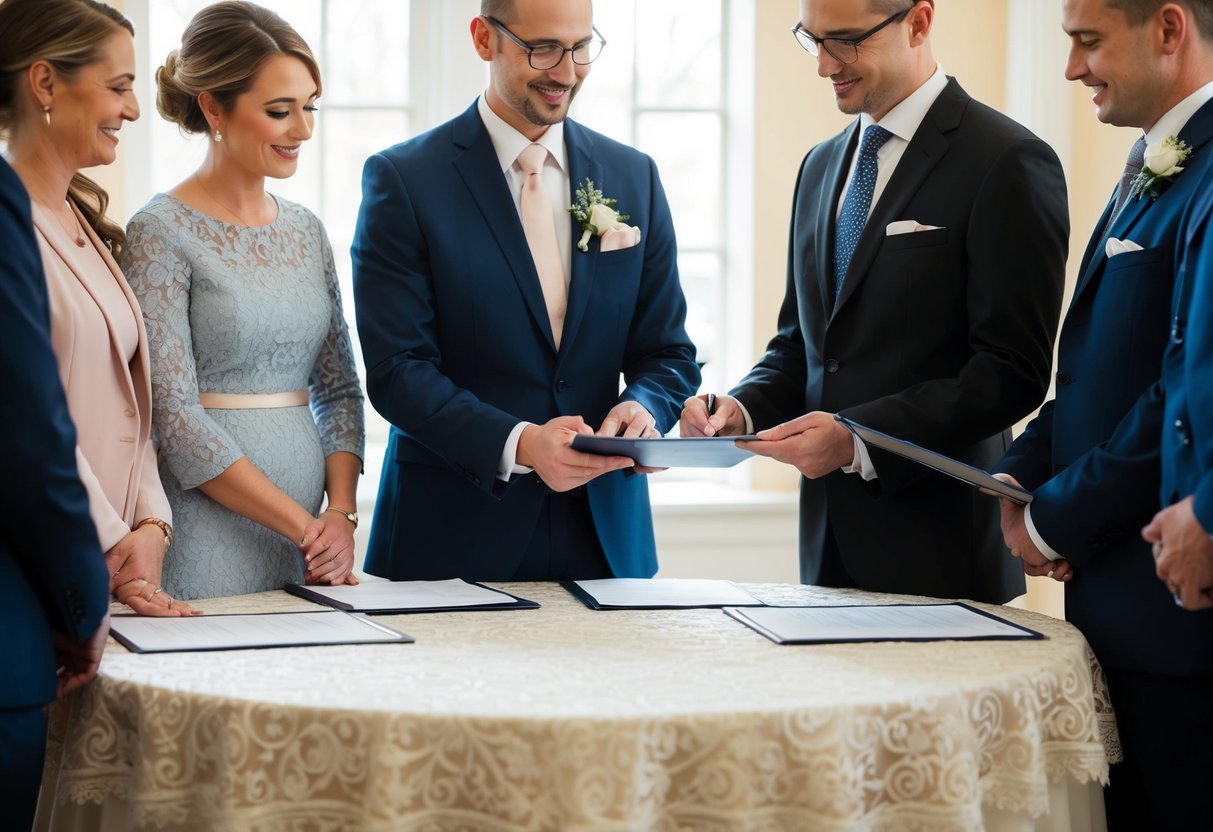
The registrar conducts the ceremony, guiding you through the necessary vows and paperwork. They help create an atmosphere that is respectful and fitting for your special day. With a friendly demeanor, they often allow for personalized touches while maintaining the legal aspects of the event.
Knowing what to expect from your registrar can reduce stress and help you enjoy the moment. Their important role ensures that your marriage is recognized by law, allowing you to focus on celebrating your love with family and friends.
Roles and Responsibilities of a Registrar
As a registrar at a wedding, you play a crucial role in ensuring that everything runs smoothly. Your tasks involve handling important documents, addressing legal requirements, and managing the ceremony itself. Each responsibility is vital to creating a memorable and legally binding event.
Pre-Wedding Administrative Duties
Before the big day, you must ensure that all paperwork is completed. This includes giving notice of the intended marriage at your local register office.
You need to collect essential documents like proof of identity. Acceptable forms include a valid passport, driving licence, or recent utility bill.
You also confirm that both parties meet the legal requirements to marry. This may involve checking for a decree absolute if either party has been married before. Additionally, ensuring that any required death certificates are available is crucial for widowed individuals.
Legal Aspects During the Wedding Day
On the wedding day, your role is to ensure that all legal aspects are observed. You will verify that witnesses are present, as their signatures are essential for the marriage document.
The exchange of vows and rings marks key moments in the ceremony, and you oversee this process carefully. You’ll have the marriage register handy, where both parties will sign to create a legally binding marriage.
This part of your duty signifies that everything has been done according to law, allowing the couple to receive their marriage certificate afterward.
Ceremony Specifics Handled by Registrars
During the ceremony, your responsibilities include guiding the couple through the required steps. You will speak about the significance of their vows and the commitment they are making.
You may assist in managing the civil ceremony, whether it’s taking place in an approved premises or another setting. This includes coordinating with the couple, their families, and any officiants involved.
Making sure everything flows smoothly ensures the couple’s day is special and memorable. Your presence and guidance are vital throughout the entire process.
Types of Ceremonies Involving Registrars
When planning your wedding, it’s important to understand the different types of ceremonies that involve registrars. Each type offers unique features and requirements to suit your needs.
Civil Ceremonies and Partnerships
A civil ceremony is a formal legal event led by a registrar. This type of ceremony can take place at approved venues like register offices or other licensed locations.
During the ceremony, the registrar will guide you through the required legal vows. You can personalize aspects of the ceremony, such as readings and music, but the structure generally follows a standard format.
Civil partnerships are similar; they provide couples with legal recognition without a traditional wedding. Both options focus on the legal requirements while allowing some degree of personalization.
Bespoke and Celebrant-led Ceremonies
While registrars mainly handle legal aspects, bespoke and celebrant-led ceremonies offer more flexibility.
A celebrant can create a personalized ceremony that reflects your unique love story and preferences. Celebrants are not restricted by legal formats, allowing for more creative freedom in terms of rituals and themes.
For many couples, this means incorporating specific traditions or meaningful symbols. Remember, you may need to register legally at a registry office a few days prior if you choose a celebrant. This way, you still have the personalized experience while meeting legal requirements for marriage.
Post-Wedding Processes

After your wedding, there are important steps to ensure that all legal aspects are properly handled. This includes finalizing your official paperwork and understanding how to update your name and legal documents.
Finalizing the Official Paperwork
Once the wedding has taken place, it’s vital to ensure that your marriage license is filed correctly. Your registrar typically handles this, submitting it to your local authority.
This step is crucial for issuing your official marriage certificate. You will need this certificate for various tasks, such as changing your name or updating your status on official documents.
Make sure to ask the registrar how long it will take to receive your certificate. In some cases, you might need to pick it up in person. Verify what is required to ensure a smooth process. Having your marriage certificate handy makes future tasks much easier.
Advice on Name Changes and Legal Updates
If you choose to change your last name after marriage, there are several steps to follow.
First, you should inform your employer and update your information for tax and insurance purposes.
You will need to provide proof of identity, such as your new marriage certificate, when applying for changes. This applies to government IDs, social security, bank accounts, and more.
Make sure to contact relevant organizations like your bank, credit card companies, and the Social Security Administration. Each might require a copy of your marriage certificate or specific forms to update your name. Keep a checklist to stay organized during this process.
Planning Tips for Working with a Registrar
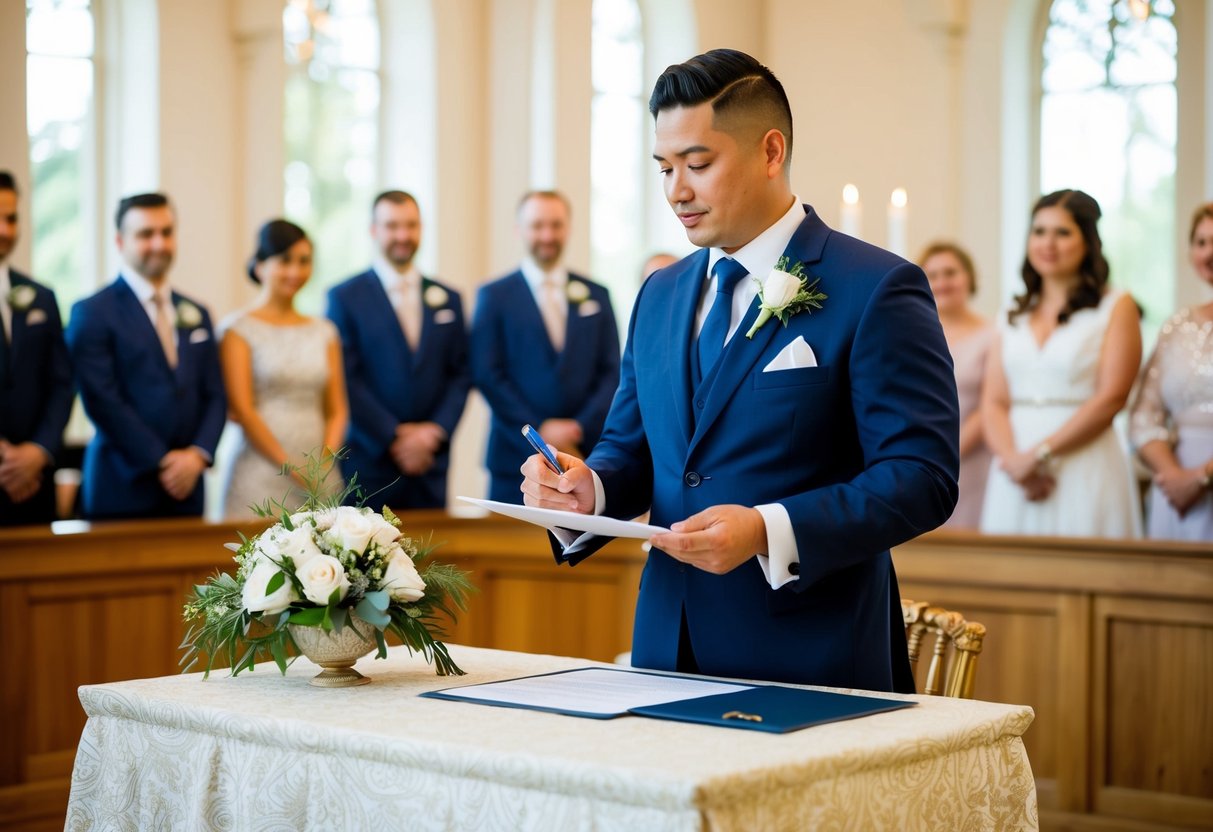
Working with your registrar is an important part of your wedding planning. They help ensure your ceremony is smooth and meets all legal requirements. Here are key aspects to focus on.
Scheduling and Booking Your Registrar
Start by booking your registrar as early as possible. Many couples overlook this step, leading to potential scheduling conflicts.
- Approved Venues: Check with your venue to see if they have specific registrars they prefer or require.
- Availability: Confirm the registrar’s availability on your wedding day. You’ll want to ensure they can accommodate your chosen time and location.
- Fees and Documents: Understand the cost involved and what documents are required. Typically, registrars need identification and proof of residency.
Contact your registrar to confirm what you need to bring to your meetings. By handling these details early, you’ll have one less thing to worry about as the big day approaches.
Crafting Your Ceremony with the Registrar’s Guidance
Once you have your registrar booked, it’s time to craft your ceremony. A registrar can help shape a personalized experience that reflects your love story.
- Ceremony Structure: Discuss with your registrar how to structure your ceremony. You can include traditional elements like exchanging wedding vows. You can also incorporate personal touches that represent you as a couple.
- Personalization Options: Ask about options for personalizing your ceremony. Your registrar may be able to include special readings or rituals.
- Photography Coordination: Don’t forget to talk about photography. Coordinate times for moments like your vows to ensure your wedding photography captures everything beautifully.
Communicating openly with your registrar will help bring your vision to life. It will also ensure you meet all legal requirements for your wedding day.