
What Does a Wedding Planner Do in the UK? An Insight into Their Essential Role
Hiring a wedding planner can transform your big day from stressful to seamless. A professional wedding planner helps you with everything from budgeting and vendor selection to day-of coordination, ensuring your wedding runs smoothly. This means you can focus on enjoying your special moments rather than getting caught up in logistics.
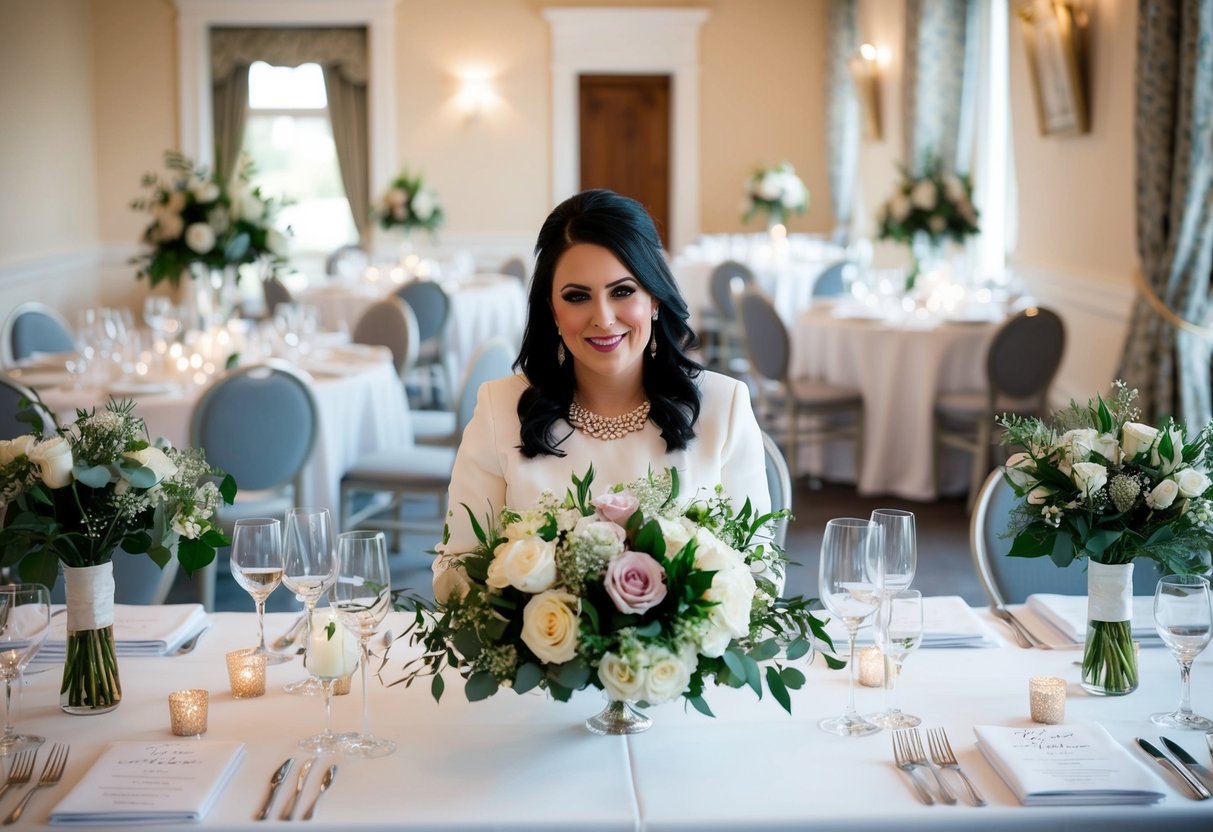
In the UK, wedding planners offer various services tailored to different needs. Whether you want someone to help with the entire planning process or just need assistance on the wedding day itself, a planner can provide valuable support. Their expertise can save you time, reduce stress, and even help you avoid common pitfalls.
By collaborating with a wedding planner, you gain access to their network of trusted vendors and resources. This makes it easier to bring your vision to life while staying within your budget. With their help, you can create a memorable celebration that reflects your unique style.
The Role of a Wedding Planner
A wedding planner plays a vital role in making your big day special and stress-free. From understanding your vision to coordinating vendors, they ensure every detail is managed efficiently.
Initial Consultations and Understanding Client Vision
During the initial consultation, your wedding planner will take the time to learn about your vision for the event. This meeting is crucial for discussing your preferences, styles, and any specific ideas you might have.
Your planner will ask questions about your wedding ceremony and reception. They will want to know the type of atmosphere you envision, whether it’s formal or casual. This helps them tailor the planning process to fit your dreams.
Gathering information about your preferred vendors is also part of this stage. This could include your choice of caterers, florists, and photographers. Understanding these details sets the foundation for successful planning.
Vendor and Supplier Coordination
Coordinating with vendors is one of the key responsibilities of your wedding planner. They will reach out to caterers, decorators, and other suppliers to ensure everything is in place.
Your planner will handle contracts and communication, so you don’t have to worry about the details. They’ll confirm bookings, arrange logistics, and even schedule extra meetings if needed.
With their experience, your planner knows the best vendors in the industry. They can recommend those who match your style and budget. This insider knowledge can save you time and help avoid potential problems.
Budget Management and Cost Optimization
Budget management is a significant aspect of planning a wedding. A good planner helps you create a realistic budget and stick to it. They will break down costs for each aspect, making it easier for you to see where your money goes.
Your planner will also provide advice on cost optimization. For instance, they may suggest alternative suppliers who offer similar services at a lower price. This can help you maintain quality without overspending.
By tracking all expenses and payments, your planner ensures that there are no surprise costs. This careful oversight reduces your stress, allowing you to enjoy the planning process.
Day-of Coordination and Event Execution
On the wedding day, your wedding planner becomes your right hand. They handle all the day-of coordination, ensuring everything runs smoothly. This includes managing the timeline, setting up the venue, and overseeing vendor arrivals.
Your planner will make certain that all details are executed as planned. This means checking in with caterers and making sure the ceremony runs on time. You won’t have to deal with any last-minute issues, allowing you to focus on enjoying your day.
If any challenges arise, your planner is equipped to handle them discreetly. Their goal is to create a memorable experience for you and your guests. You can relax, knowing that professionals are managing the big event.
Skills and Qualities of a Successful Wedding Planner

To be a successful wedding planner in the UK, you need a mix of important skills and personal qualities. These help you manage tasks, communicate well, and stay within budget while making the couple’s vision come to life.
Organisational Skills and Attention to Detail
As a wedding planner, strong organisational skills are essential. You will handle multiple tasks, timelines, and checklists at once. Being organised helps ensure that everything runs smoothly on the big day.
Attention to Detail is equally important. From selecting the right flowers to double-checking the guest list, every tiny detail counts. You should create a comprehensive timeline that outlines every part of the planning process. This may include vendor meetings, appointments, and other important dates.
You can use tools like calendars, spreadsheets, and planning apps to keep track of all these details. By being meticulous, you reduce the chance of mistakes and create a stress-free experience for the couple and their families.
Budgeting and Financial Acumen
Understanding budgeting is crucial for any wedding planner. Couples often have a set budget, and it’s your job to help them stick to it. This means being transparent about costs and finding ways to maximize their funds.
You should break down the budget into categories, such as venue, catering, and decorations. This helps you allocate funds wisely. It’s also good to keep track of expenses to avoid going over budget.
Additionally, having financial acumen allows you to negotiate with vendors. Getting the best deals can save the couple money and ensure they get quality services. Your ability to manage finances will impress clients and encourage referrals.
Communication and Negotiation Proficiency
Good communication is key in wedding planning. You will be the bridge between the couple, their families, and various vendors. Being able to express ideas clearly helps everyone stay on the same page.
You should also master the art of negotiation. This means discussing terms with suppliers and securing the best prices. Strong negotiation skills help you advocate for your clients while building good relationships with vendors.
Listening is another important part of communication. Understanding your clients’ needs and preferences will guide your planning process. By being approachable and understanding, you make the planning experience enjoyable for everyone involved.
Starting and Running a Wedding Planning Business

Starting a wedding planning business can be exciting and rewarding. Knowing how to build your portfolio, market your services, and navigate legal and financial aspects is key to your success. Here’s what you need to consider.
Building a Portfolio and Networking
To attract clients, building a strong portfolio is essential. Start by offering your services to friends or family for free or at a reduced rate. Capture high-quality photos of the events you plan. Showcase these on a website or social media to demonstrate your style and skills.
Networking is just as important. Attend local wedding fairs and industry events. Connect with other wedding professionals like photographers, florists, and venues. Establishing these relationships can lead to referrals and collaborations, enhancing your visibility in the wedding community.
Marketing Strategies for Wedding Planners
Effective marketing can set your wedding planning business apart. Begin by creating an eye-catching website that showcases your portfolio, services, and client testimonials. Use social media platforms like Instagram and Pinterest to share your work, trends, and wedding tips.
Consider running targeted ads or joining wedding planning directories to reach potential clients. Blog about relevant topics to establish yourself as an expert in the field. Remember, word of mouth is powerful, so ask satisfied clients to leave reviews and refer you to others.
Legal and Financial Considerations
When starting your business, you must understand the legal requirements. Register your business name and obtain any necessary licenses. Also, consider insurance to protect yourself from potential liabilities, like canceled events or vendor issues.
From a financial standpoint, create a budget that outlines startup costs, ongoing expenses, and pricing for your services. Make sure to keep accurate records. Using accounting software can help you manage finances more effectively and prepare for tax obligations, ensuring your business remains financially stable.