
What Does a Wedding Planner Not Do? Clarifying Common Misconceptions
When planning your wedding, it’s easy to think that your wedding planner will handle everything. Yet, there are specific tasks that they simply won’t do. Understanding what a wedding planner does not do can help you set realistic expectations and ensure that your big day goes smoothly.
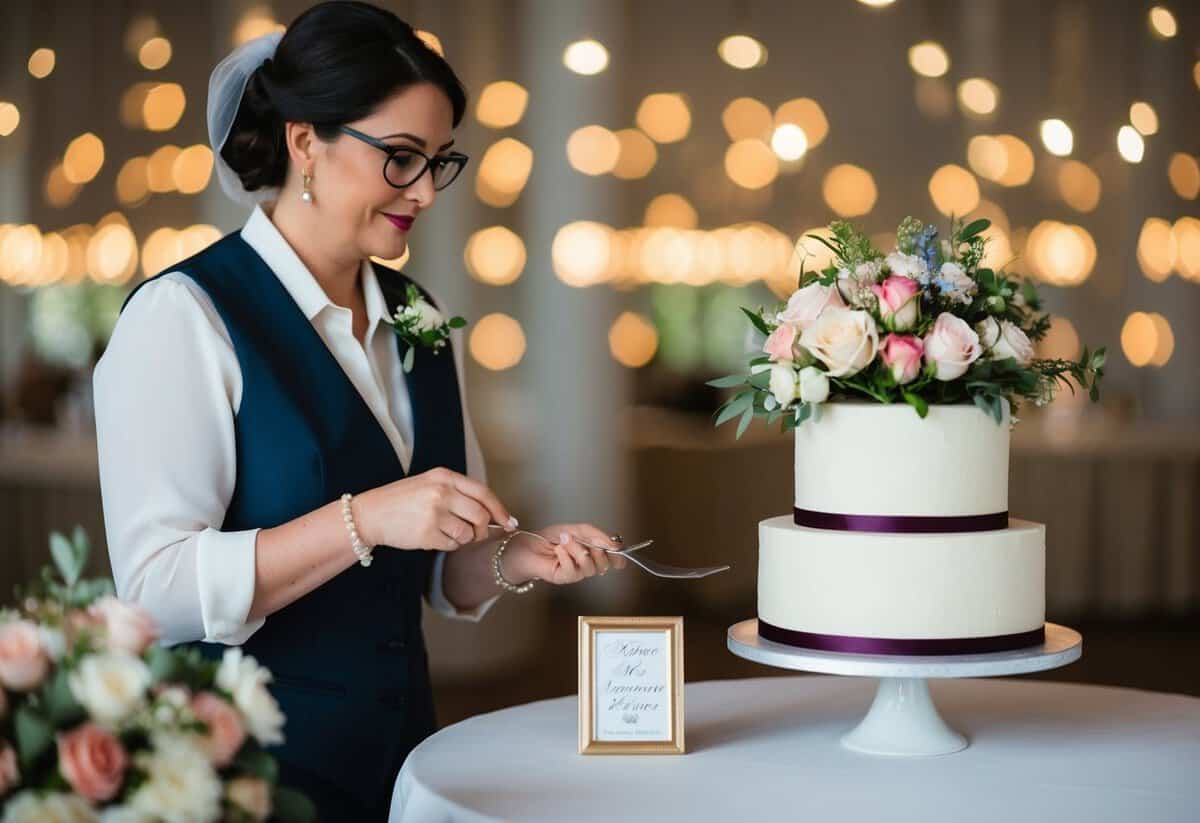
A wedding planner is there to support you throughout the planning process and on the wedding day. However, they won’t be a personal assistant for every minor task. For instance, they won’t run errands like fetching items for your bridal party or making decisions that ultimately rest with you. Knowing these boundaries can help you communicate better and create a more enjoyable experience.
It’s also important to remember that planners must respect venue rules and cannot perform tasks that break those regulations. This means you’ll need to collaborate with them to create a day that respects the guidelines while still reflecting your vision.
Understanding the Role of a Wedding Planner
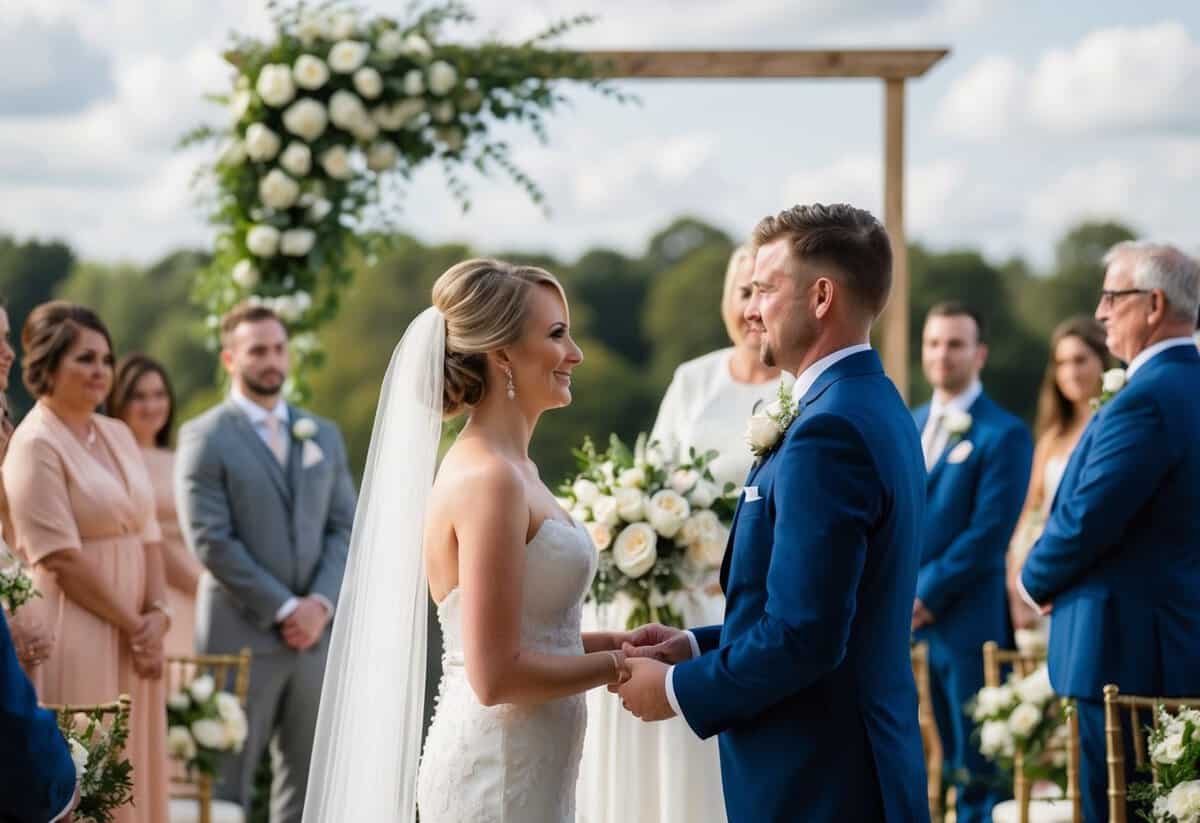
A wedding planner plays a crucial part in making your big day come together smoothly. Knowing what they do helps you set expectations and understand what to expect from different types of planners.
Defining Wedding Planner Duties
A wedding planner takes on many essential tasks. Their main role is to help you plan everything from start to finish. This includes creating a budget, finding vendors, and managing timelines.
Your planner can help you choose a venue, select flowers, and even arrange catering. They work closely with you to ensure that your vision becomes a reality. Many couples rely on their expertise to navigate complex decisions and details.
It’s also important to recognize that a planner does not make decisions for you. They provide guidance, but the final choices are yours. Their goal is to make the planning process easier while you focus on enjoying your engagement.
Differentiating Between Planner Types
Not all wedding planners offer the same services. Understanding the differences can help you choose the right fit for your needs.
A full-service wedding planner manages everything from the start of planning to the end of the reception. They are involved in every detail over several months.
In contrast, a day-of wedding coordinator focuses on the event execution. They ensure everything runs smoothly on the actual day, but they may not be involved in earlier planning stages.
A wedding coordinator can also guide vendor selection and logistics. Depending on the type you choose, your experience can differ significantly. This is why you should discuss your needs upfront to find the best match for your wedding vision.
What Wedding Planners Do Not Handle

When planning a wedding, it’s important to know what areas a planner will not cover. Certain aspects of the wedding planning process are best left to you and your family. Here are a few key areas where the planner takes a step back.
Personal Wedding Decisions
Your wedding planner is there to support you, but they won’t make personal decisions for you. This includes choices about your wedding theme, colors, and specific details.
You are the one who chooses your bridal party, music, and menu. A planner will guide you through options and provide suggestions, but the final decisions rest with you.
Think of your planner as a guide to help you navigate choices, not someone who makes them for you.
Family or Bridal Party Dynamics
Family and interpersonal dynamics can be tricky. A wedding planner does not handle family conflicts or issues within the bridal party. If there’s drama, it’s best for you to manage it.
Your planner can help you create a schedule or plan activities that involve your loved ones, but they won’t intervene in personal relationships. Strong communication with your family and bridal party is essential to keep everyone on the same page.
Remember, it’s your day, and you have the final say in how to handle any dynamics.
Marriage Legalities
One critical area that wedding planners do not handle is the legal side of marriage. This includes obtaining your marriage license and understanding local laws regarding marriage.
It is your responsibility to ensure you have the correct documents and meet all requirements. While a planner can remind you of deadlines, they won’t fill out forms or handle legal obligations.
Take the time to research what you need for your marriage license ahead of time to avoid any last-minute stress.
Logistical Limitations of Wedding Planning

Planning a wedding involves various logistical hurdles. Understanding these limitations can help you navigate the process more smoothly. Below are key areas where logistics can affect your planning.
Venue Constraints
Every wedding venue comes with its own set of rules and limitations. Some venues restrict the number of guests, while others have specific hours for events.
Make sure to ask about capacity limits and restrictions on noise levels or alcohol. If a venue has a designated vendor list, you may not have the freedom to choose your own. This can impact your overall vision for the day.
Being aware of these rules early on helps you plan accordingly and ensures that your ideas fit within the venue’s guidelines.
Vendor Contract Boundaries
When working with wedding vendors, you will often come across contracts that outline their services. These agreements can define what help you can expect, which might not always match your needs.
For example, a caterer may only handle food service and not set up tables, or a florist might only provide bouquets and not decorations for the venue.
It’s essential to read through these contracts carefully. Ensure you meet with vendors to clarify roles and responsibilities. Clear communication can prevent misunderstandings as your big day approaches.
Event Planning vs. Day-of Coordination
Many couples are unsure of the difference between event planning and day-of coordination. A planner helps set the framework but may not oversee every detail on the day of your wedding.
Day-of coordination usually means managing everything during the event. This can include timing for the ceremony and reception or coordinating with various vendors.
If you need more support, clarity about what each role entails is crucial.
Discuss expectations with your planner to ensure your vision is executed as planned. Understanding these distinctions helps in making informed choices about services you may require.