
What Does Forsaking All Others Mean in Wedding Vows? Exploring Its Significance and Commitment
When you stand at the altar and say your wedding vows, you are making a promise to your partner that goes beyond just love. The phrase “forsaking all others” plays a crucial role in this commitment. It means prioritizing your spouse and ensuring that no other relationship interferes with the bond you are creating in your marriage.

Understanding this phrase can deepen your commitment and strengthen your relationship. It highlights the importance of loyalty and love in marriage. While you will still have friendships and family ties, your promise is to place your spouse at the center of your life together.
As you explore what forsaking all others means, consider how this vow shapes your expectations of love and partnership. This commitment is about creating a strong foundation for your marriage, emphasizing trust and devotion.
Let’s dive deeper into what this powerful phrase entails in the context of your wedding vows.
Understanding ‘Forsaking All Others’
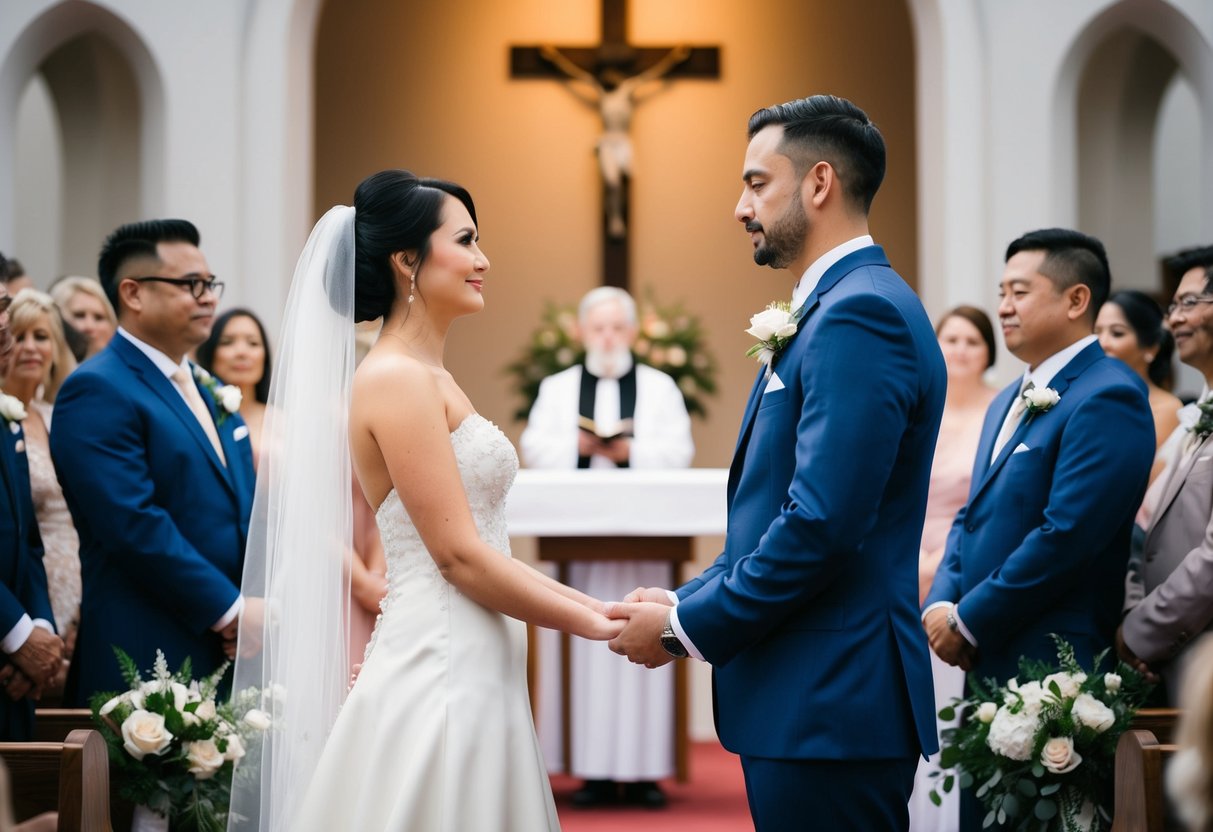
The phrase “forsaking all others” is central to many traditional wedding vows. It expresses a promise of unwavering commitment and love. This section explores its cultural and religious origins, the significance of commitment and fidelity, and how modern interpretations shape its meaning today.
Cultural and Religious Origins
“Forsaking all others” has deep roots in various cultures and religions. This phrase often appears in traditional marriage vows, particularly in Christian ceremonies.
The Book of Common Prayer includes these words, highlighting their importance in Christian wedding vows. By saying this, you promise to prioritize your partner above all others.
Historically, this vow signifies a serious commitment. It reflects not just love but also loyalty. Over time, different cultures have embraced this concept, adapting it to their practices. The emphasis on loyalty is what makes this phrase significant in marriage traditions worldwide.
Commitment and Fidelity
When you say “forsaking all others,” you are making a strong promise. This vow indicates your commitment to fidelity and love for your spouse. It means that you choose to stand by each other through thick and thin.
Commitment in this context requires sacrifice. It often involves putting your partner’s needs before your own. This choice is not just emotional but also practical. It helps to build a strong foundation for a lasting relationship.
In traditional marriage vows, this phrase emphasizes faithfulness. It reassures each partner that they can trust and rely on one another. This strong bond becomes vital, especially in challenging times.
Modern Interpretations
In today’s world, interpretations of “forsaking all others” can vary. Many couples discuss what this means for their relationship.
Some may feel it’s important to maintain close friendships, while others see it as a call for complete devotion.
Modern views often encourage open communication about loyalty. Couples may create their own definitions of commitment that fit their unique relationship.
This flexibility can help ensure both partners feel valued and understood.
Despite changes in society, the core meaning remains. Committing to “forsake all others” is still about prioritizing your partner. It serves as a reminder of the love and loyalty needed for a strong partnership.
The Role of Trust and Loyalty in Marriage
Trust and loyalty are key elements in a successful marriage. They create a strong foundation that allows both partners to feel secure. By focusing on mutual respect and effective communication, couples can build a lasting bond.
Building Mutual Respect
One of the first steps in building trust is to establish mutual respect. This means valuing each other’s opinions and feelings.
When you listen actively to your partner, you show that you care about their perspective. This can strengthen your connection.
Set aside time for honest conversations. Discuss your needs and expectations openly.
Respect each other’s boundaries and individuality. When both partners feel valued, it enhances loyalty and reduces the risk of betrayal.
Dealing with Challenges
Every marriage faces challenges, and how you tackle them affects trust. When conflicts arise, approach them with an open mind.
Avoid blaming or making accusations that may lead to resentment.
Instead, practice open communication. Share your feelings honestly and encourage your partner to do the same.
Recognizing each other’s struggles fosters a supportive environment. This mutual understanding helps maintain trust, even during tough times.
Seek solutions together, rather than letting issues linger. Working through disagreements collaboratively can strengthen your bond and reaffirm your loyalty.
Expectations of Exclusivity
In many relationships, fidelity is a cornerstone of commitment. Knowing that both partners expect exclusivity can provide comfort.
It sets clear boundaries around behaviors that might lead to infidelity.
Discuss what fidelity means for both of you. Be clear about your expectations when it comes to friendships and social situations.
This openness can prevent misunderstandings and foster trust.
If challenges arise, address them promptly. Ignoring potential issues can harm trust. By maintaining honest conversations about loyalty, both partners can feel secure in their commitment.
Expressions of Dedication in Personal Vows

When you craft personal vows, you express deep commitment and affection for your partner. Your words can create intimacy and reflect your values. They also serve as a public declaration of your support and devotion.
Creating Intimacy Through Words
Personal vows allow you to share your heart with your partner. When you choose your words carefully, you create an emotional connection that strengthens your bond.
Think about including specific promises that reflect your feelings.
For example, you might vow to always listen, support, and cherish your partner. This helps build trust and shows that you care.
Using phrases that touch on your shared experiences adds depth. By referencing happy memories or challenges you’ve faced together, you highlight the journey of your relationship.
These intimate details enhance the sacred vow you make during your ceremony.
Vows Reflecting Personal Values
Your personal vows are an opportunity to showcase your values. Discussing what matters most to you both can cultivate an understanding of mutual desires and goals.
For instance, if you value adventure, you might promise to explore new places together. If family is important, you could vow to nurture those relationships.
Connecting your vows to your core values aligns your devotion with actions that lead to happiness.
Also, sharing your views on service can be meaningful. You might commit to supporting each other through tough times, showing relational dependence and attachment.
Public Declaration of Support
By exchanging personal vows publicly, you display your commitment not only to each other but also to those around you. This act reinforces your promise to support and care for one another.
The public nature of this exchange emphasizes the importance of your relationship. It shows your friends and family that you are serious about your devotion.
Such declarations strengthen your bond. They symbolize your willingness to face life together. Your vows reflect a promise to be there for each other, creating a sense of security and love.