
Do Marriage Vows Say Forsaking All Others? Understanding the Commitment Behind the Words
When you think about your wedding vows, you might wonder what phrases like “forsaking all others” really mean. Many people may not grasp the full importance of this commitment that couples make on their special day. Marriage vows often include a promise to forsake all others, emphasizing loyalty and devotion to your partner above everyone else.

This promise is not just a phrase but a fundamental part of what it means to build a life with someone. It represents the strength of your bond and the commitment to prioritize your relationship over all other connections. Understanding this aspect of your vows can deepen your appreciation for the commitment you are making.
As you explore the meaning behind “forsaking all others,” you’ll discover how this vow shapes the foundation of trust and unity in your marriage. It reinforces the idea that your partnership is a unique and sacred journey, one that requires dedication and love.
Understanding ‘Forsaking All Others’ in Marriage Vows

When you hear the phrase “forsaking all others,” it highlights a deep commitment in traditional marriage vows. This promise goes beyond mere words, signifying loyalty and faithfulness between partners.
Historical Context and Origins
The phrase “forsaking all others” has roots in traditional wedding vows, especially found in the Book of Common Prayer. This book, used in Anglican ceremonies, has shaped many marriage rituals for centuries.
Originally, marriage vows were meant to bind couples in a sacred covenant that emphasizes exclusivity. Forsaking all others symbolizes leaving behind any romantic entanglements outside the marriage.
This vow was often included to reinforce the idea of fidelity and the seriousness of the marital commitment. Over time, its significance has remained as a core element of wedding ceremonies.
Meaning and Importance
In the context of marriage vows, “forsaking all others” signifies prioritizing your spouse above anyone else. This commitment is about more than just avoiding infidelity; it creates a deeper emotional bond.
By promising to forsake all others, you affirm your dedication to face life’s challenges together. It means that you will support each other through thick and thin.
This phrase also reflects the trust required for a healthy relationship. When both partners hold this promise dear, it strengthens the foundation of love and loyalty.
Expressions of Commitment in Vows
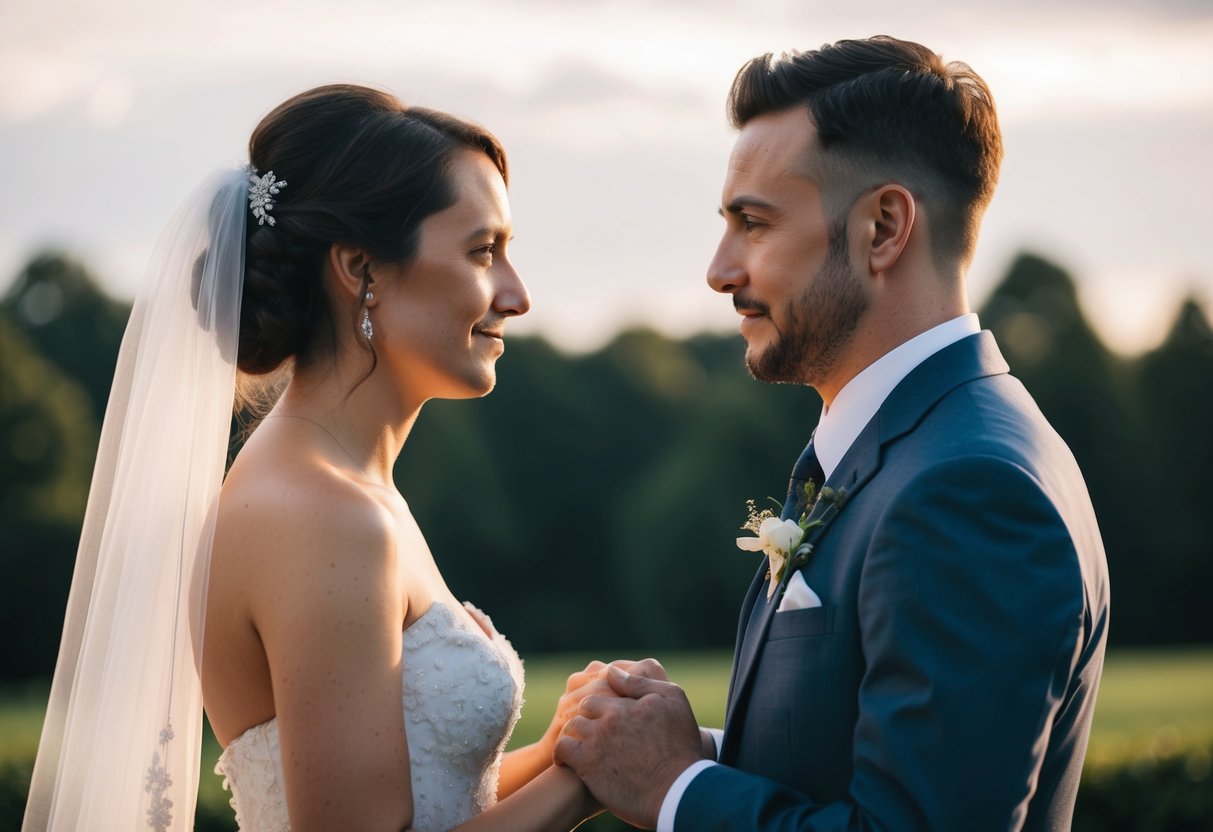
Marriage vows express deep commitments between partners. They emphasize emotional connections and the promises that bind you together. Key phrases often highlight the sacred nature of this bond.
Emotional Aspects of Vows
The emotional weight of vows cannot be overstated. When you say, “to have and to hold,” you’re sharing your intent to cherish your partner. This phrase signifies a deep emotional bond built on intimacy and trust.
Saying, “love and cherish” deepens that connection. It’s a promise to care for each other through good times and bad. Each vow reflects the values and feelings you share, making your commitment even more significant.
The depth of these promises helps to reinforce a strong emotional connection. This connection can guide you through life’s challenges, reminding you of the love that brought you together.
The Role of Free Will and Promise
Free will plays a vital role in making vows meaningful. When you choose to commit to someone, you’re exercising your right to create a sacred vow. This promise is not made lightly.
It represents your desire to invest in a shared future with your partner. A marriage vow signifies a conscious decision to prioritize each other. This choice is fundamental in a lasting relationship.
Your vows also affirm that you are choosing each other over any distractions. This focus is crucial for nurturing your bond. It creates a foundation built on mutual respect and dedication, reinforcing the commitment you have made.
Challenges to Marital Vows
Facing challenges in marital vows can be tough. From betrayal to finding a balance between independence and reliance on your partner, these issues impact loyalty and commitment.
Dealing with Betrayal and Infidelity
Betrayal can hurt deeply. When trust is broken, it challenges the very foundation of your vows. Infidelity brings feelings of vulnerability and isolation. You may wonder how to move forward or rebuild your relationship.
Communication plays a vital role here. Open, honest discussions can help you share your feelings and concerns. It’s important to express your pain and work through it together.
Perseverance is essential. Overcoming betrayal takes time and effort from both partners. You need to decide if rebuilding trust is worth it. If so, consider seeking professional help, like couples therapy. It can provide guidance as you navigate through the healing process.
Maintaining Independence and Relational Dependence
Balancing independence with your relationship is crucial. You want to honor your vows while also maintaining your identity. Sometimes, feeling too dependent can lead to frustration or resentment.
It’s important to nurture your individual interests. Pursuing hobbies and friendships outside your marriage helps you grow as a person. When both partners thrive independently, the relationship can become stronger.
Establishing boundaries can help you navigate this balance. Discuss what independence looks like for both of you. This keeps the lines of communication open. Remember, it’s about supporting each other while respecting personal space.
Cultural and Religious Variations
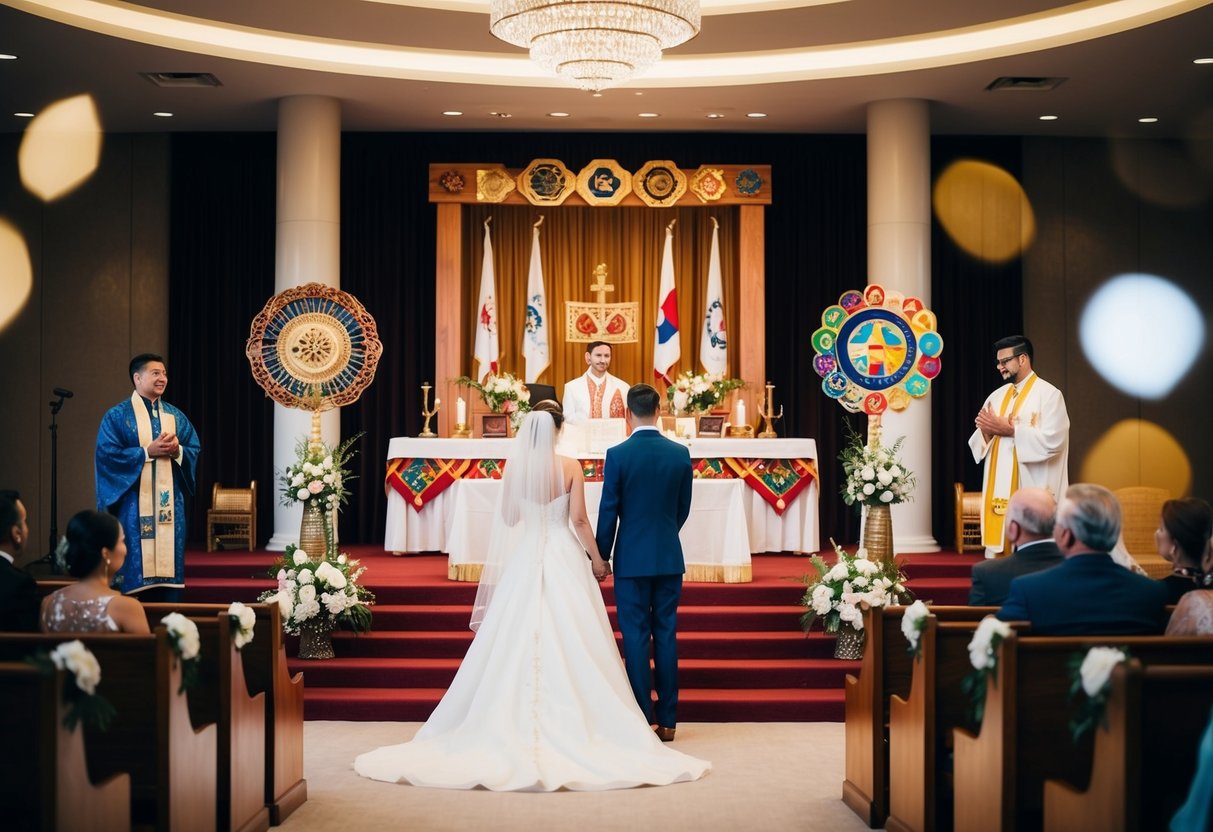
Marriage vows can differ greatly between cultures and religions, each carrying unique meanings and traditions. Understanding these variations helps you appreciate the depth of commitment involved in saying, “forsaking all others.”
Comparing Secular and Religious Vows
In secular ceremonies, vows often focus on love, support, and partnership. You might find phrases that emphasize loyalty and friendship, though “forsaking all others” may not always appear. This flexibility allows couples to express their personal beliefs.
In contrast, religious vows hold deep spiritual significance. Many faiths include “forsaking all others” to signify a lifelong commitment. For example, in Christian weddings, this phrase reflects the bond between partners as well as their relationship with God. This religious context helps to elevate the promise to a level beyond just the couple.
Influence of Diverse Traditions
Different cultures add their own unique twists to marriage vows. For instance, many Asian weddings often include family blessings, highlighting the unity of both families. These vows may also emphasize the importance of community support alongside personal commitments.
In other traditions, like Hindu weddings, vows can include promises specific to spiritual growth and family duties. These commitments often focus on not just the couple but also the larger family unit. Regardless of the specific wording, the essence remains the same: a lasting dedication to one another through life’s challenges and joys.