
What Does Officiating Do? Understanding the Role and Responsibilities in Sports
Officiating plays a crucial role in both sports and special events. Sports officials ensure that games are played fairly and according to the rules. They make important calls that can affect the outcome of the match. Whether you’re watching a thrilling football game or attending a wedding ceremony led by an officiant, these individuals hold great responsibility.
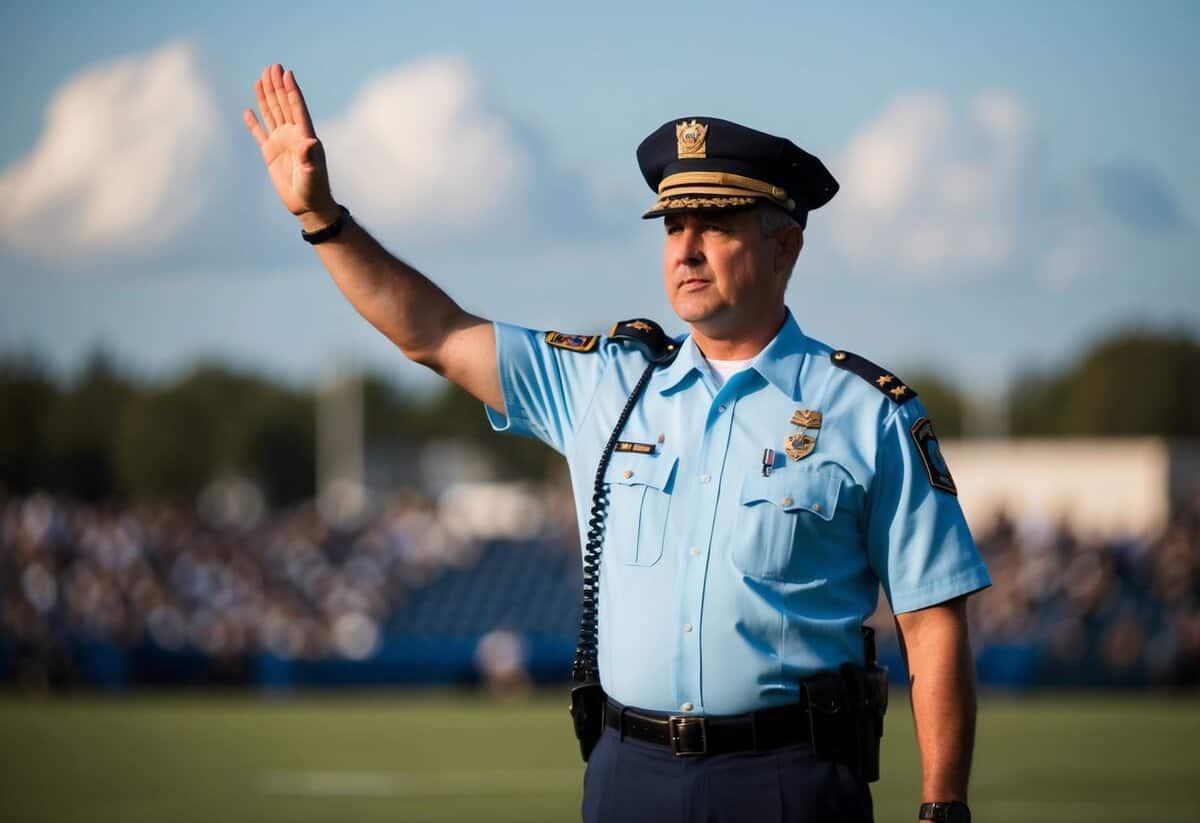
In sports, officials like referees and linesmen work as a team to monitor the game closely, manage player conduct, and enforce regulations. This teamwork allows them to make quick, accurate decisions. On the other hand, an officiant at a wedding brings the couple together, guiding them through their vows and creating a memorable experience for everyone involved.
Understanding what officiating entails helps you appreciate the efforts that go into ensuring that events go smoothly. From making calls on the field to uniting couples in matrimony, officiating is vital for creating order and joy in various settings.
Roles and Responsibilities of Officiants
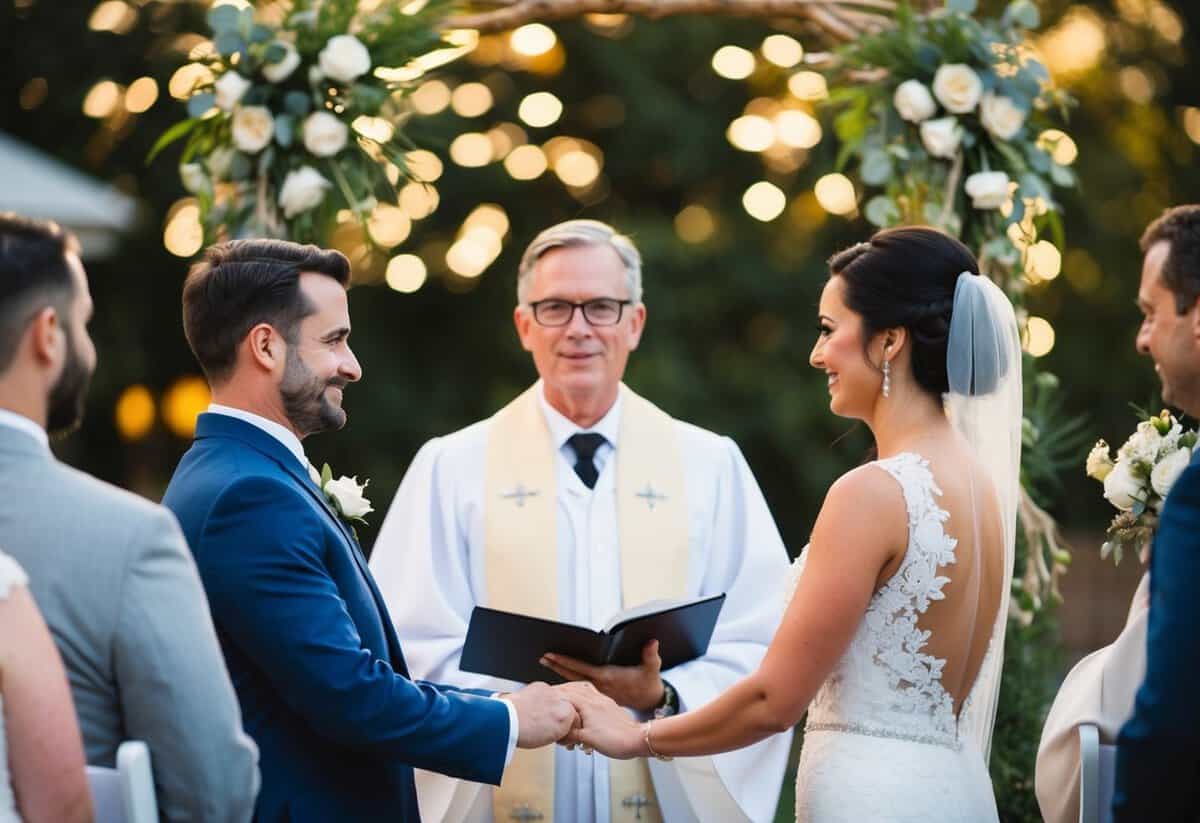
Officiants play a crucial role in various ceremonies and events. They ensure that everything is conducted smoothly and according to legal or community standards. This section will explore the differences between religious and civil officiants, the specific duties of wedding officiants, and the roles of sports officials.
Religious Vs. Civil Officiants
Religious officiants, such as ordained ministers, hold ceremonies within a faith context. They usually lead weddings that incorporate spiritual elements, guiding couples in their vows and rituals. This often includes prayers or readings from holy texts.
Civil officiants, on the other hand, conduct non-religious ceremonies. They help couples who want a simple, legal wedding without religious components. Civil officiants are vital for honoring marriage licenses and ensuring the couple is officially recognized as legally married. Both types serve important roles, but they cater to different preferences.
Wedding Officiants’ Duties
Wedding officiants have several key responsibilities that ensure the ceremony goes off without a hitch. First, they ensure the couple has obtained a valid marriage license before the wedding day. Without this legal document, the marriage is not valid.
During the ceremony, officiants will typically prepare and rehearse a ceremony script that reflects the couple’s wishes. They guide the couple through their vows and help create a meaningful experience. After the ceremony, officiants sign the marriage certificate to finalize the legal aspects of the marriage. They often play a supportive role, making sure the couple feels comfortable and relaxed.
Sports Officials’ Roles
In the world of sports, officiants, such as referees and umpires, are essential for maintaining safety and fairness. They enforce the rules of the game and ensure all players demonstrate good sportsmanship.
Sports officials communicate decisions clearly, handling disputes on the field or court. Their role requires quick thinking and a deep understanding of the game rules. They are also responsible for keeping track of game time and fouls, which is crucial for a fair competition. By doing so, they help create an environment where everyone can enjoy the game safely.
The Process of Officiating a Wedding
Officiating a wedding involves several key steps to ensure the ceremony runs smoothly and meets legal requirements. From preparation before the big day to handling the formalities afterward, each part is important for a successful marriage ceremony.
Pre-Ceremony Preparations
Before the wedding day, you need to take care of important details. First, ensure the couple has obtained a marriage license from their state or county. This license is crucial for the marriage to be legally recognized.
Next, meet with the couple to discuss their preferences. Talk about how they envision their ceremony, including any special readings or traditions. You can also help them write their wedding vows, making the ceremony personal and meaningful.
Finally, prepare your opening remarks. This usually includes a warm welcome to the guests and a brief message about love and commitment. Practicing your speech makes you feel more confident on the day of the ceremony.
Conducting the Ceremony
On the wedding day, arrive early to set the tone for the event. Begin by greeting the guests and ensuring everyone is seated. Once everything is ready, you will lead the ceremony.
Start with the invocation, welcoming everyone and thanking them for attending. You will guide the couple through various parts, such as the exchange of vows and rings. Make sure to pause for any readings or special moments they have planned.
As you reach the end of the ceremony, pronounce the couple married. This joyful moment is often followed by applause from the guests. Be sure to sign the marriage certificate afterward, making it officially recognized.
Post-Ceremony Formalities
After the ceremony, there are a few important steps to complete. First, ensure the marriage certificate is filled out accurately and signed by you, the couple, and any required witnesses. This document is essential for the couple to be legally married.
Next, take some time to congratulate the newlyweds. Offering kind words and a few moments of connection can make the day even more special for them.
Lastly, consider following up with the couple after the wedding. A simple message can show that you truly care about their journey together. This personal touch helps strengthen the relationship you’ve built as their officiant.
Importance of Officiating in Sports
Officiating is essential for maintaining the integrity and flow of sports. Sports officials play a crucial role in ensuring that games are fair and safe, allowing players and fans to enjoy the competition without disruptions.
Ensuring Fair Play
Sports officiating is vital for promoting fair play in games. Referees and umpires help enforce the rules and ensure that all players follow them. This enforcement is crucial for maintaining a level playing field.
When officials are present, they deter unsportsmanlike conduct. Players know that any unfair actions can lead to penalties, which helps to promote good sportsmanship. This creates a positive environment for both players and fans.
Officials also make decisions on close calls, which can impact the outcome of a game. Their training and experience allow them to make quick, accurate judgments. This expertise ensures that competitions are resolved based on skill and effort, not luck.
Safety and Rule Enforcement
Another key role of officiating is to ensure safety during games. Sports officials have the authority to stop the game to address safety concerns. They are trained to recognize dangerous plays and potential injuries.
By enforcing rules, referees and umpires help prevent aggressive play that could harm players. They work closely with coaches and players to communicate safety guidelines.
In addition, officials stay updated on rule changes to keep the games safe and fair. They address any violations, ensuring that players respect each other’s well-being. This focus on safety allows everyone to enjoy the sport without unnecessary risk, making it a positive experience for all involved.