
What Does the Average Wedding Cost UK? Essential Insights for Your Big Day
Planning a wedding can be both exciting and overwhelming, especially when it comes to budgeting. As a couple, you may be wondering about the costs involved in creating your dream day. In 2024, the average wedding in the UK is expected to cost around £20,775. This figure reflects rising prices due to the ongoing cost of living crisis that many are navigating today.
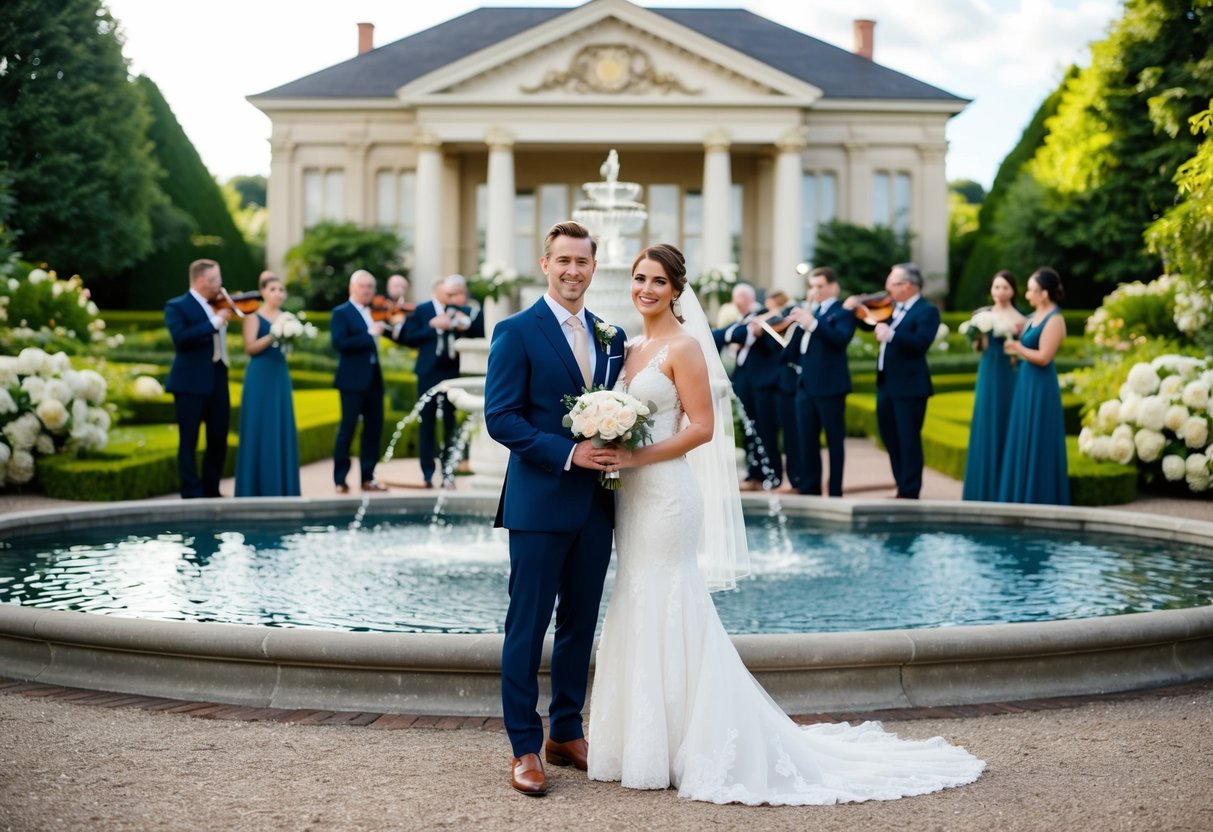
For many Gen Z couples, understanding these costs is crucial as you plan your future together. From venue selection to catering, expenses can add up quickly. By knowing the average costs outlined in the latest UK wedding report, you can make informed choices that align with your budget and personal style, while still enjoying the planning journey.
As you take a closer look at various elements of a wedding budget, you can gain valuable insights on how to manage your funds effectively. Discovering the specifics will help you prioritize what matters most for your special day, making it all the more memorable.
Understanding Wedding Costs in the UK
Planning your wedding budget involves knowing the average costs and what influences them. You’ll need to think about various expenses, including unexpected ones, so you can prepare accordingly.
Average Costs and Trends
In 2024, the average wedding in the UK is expected to cost around £20,775. This amount varies based on factors like location and the choices you make. For example, your wedding venue can take up a significant portion of your budget, often around £8,800 to £9,877.
Catering costs are also rising, now averaging about £80 per person. You should also consider costs for photography, flowers, and entertainment. Each supplier category can add up quickly. Having a clear wedding cost breakdown is crucial to avoid exceeding your budget.
Budget Planning and Management
Creating a wedding budget planner is key to managing your expenses. Start by listing all potential costs and ranked them in order of importance to you. Use a simple spreadsheet or a wedding app to keep track of estimates and actual spending.
Allocate a percentage of your total budget for each category. For instance, venue and catering typically make up 25-50% of the total costs. Regularly check your spending against this budget to stay on track.
Consider having a buffer, around 10-15%, to handle any surprises along the way. This helps you feel more secure as you plan your special day.
Unexpected Expenses to Consider
Weddings often come with hidden wedding costs that can catch you off guard. Some common unexpected expenses include gratuities for vendors, extra decor, or last-minute guest additions.
Think about potential costs for attire alterations or rentals, as these can add up. Also consider transportation for you and your guests, and the cost of wedding insurance.
As you go through your plans, keep a running list of all your anticipated costs. This way, you can avoid nasty surprises and stick to your wedding budget.
Major Contributors to Wedding Expenses
When planning a wedding, you’ll find various costs that can add up quickly. Key areas include the venue and catering, attire and beauty, memories captured through photography, decorations, and entertainment. Understanding these expenses can help you budget effectively.
Venue and Catering
The venue is often one of the largest wedding expenses. In the UK, the average cost for a wedding venue can be around £8,800, and it usually accounts for a significant portion of your total budget. Catering costs add to this, with an average of £80 per guest.
Don’t forget that tasting menus and extra services can increase the overall catering expenses. Some couples opt for more affordable catering options, like buffet-style receptions, to save money while still providing a great experience for guests.
Attire and Beauty
Weddings often involve stylish outfits for both partners. For the bride, a wedding dress can cost between £1,000 to £2,000 or more, depending on the designer and style. Alterations and accessories like shoes and veils can add another few hundred pounds.
Grooms also need to consider their attire, which may range from £300 to £800. Beauty treatments, including hair and makeup for the bride, bridesmaids, and family members, can further increase costs, so it’s wise to include those in your budget as well.
Memories and Moments
Capturing your special day is crucial. Photography and videography services can range from £1,000 to £2,500. Hiring a skilled professional ensures that your memories are beautifully preserved.
It’s worth considering full-day coverage to capture both the ceremony and reception. Many couples now seek additional services, like photo booths, which can incur extra costs. Keep in mind that you’ll want to select someone who matches your vision.
Decorations and Florals
Your wedding decor can greatly influence the atmosphere. On average, couples spend around £1,500 on decorations and flowers. This category can include centerpieces, table settings, and venue decorations.
Seasonal flowers might help you save money. You can also DIY some decorations for a personal touch. Rent or borrow items instead of buying them, which can lower costs and still create an inviting space.
Entertainment and Extras
Entertainment is another essential part of weddings. Hiring a band or DJ typically ranges from £800 to £1,500, depending on their experience and the length of performance. Music sets the tone, so choosing the right entertainment is vital.
You may also want to consider additional activities like photo booths, magicians, or dancers to keep guests entertained throughout the day. Each of these extras can increase your overall expenses, so it’s important to budget accordingly.
Strategies to Cut Down Wedding Costs
Planning a wedding can be expensive, but there are effective ways to manage your budget. By choosing the right time and location, prioritizing important elements, and considering DIY options, you can cut costs without sacrificing your special day.
Choosing an Affordable Time and Location
Timing is essential when planning your wedding. The cheapest month to get married is often January or February, where venues may offer lower rates. Consider holding your wedding during the off-peak seasons, like winter, when demand is lower.
Midweek weddings can also bring substantial savings, as venues and vendors typically lower their prices on weekdays. Additionally, explore venues that don’t require extravagant décor, such as parks or community halls. This approach will help maximize your budget and minimize stress.
Prioritizing Key Elements
Identify what is most important for your wedding. Start with a wedding budget breakdown to determine where you want to allocate funds. For example, if having a great photographer is crucial, consider cutting costs in areas like catering or flowers.
Focus on a few key elements that will make your day special. Prioritizing allows you to spend wisely and avoid overspending on less significant areas. For instance, using a personalised wedding budget planner can help you visualize your spending and keep track of your priorities.
DIY and Budget-Friendly Alternatives
Embrace DIY projects to make your wedding unique and save money. Crafting decorations, making your wedding favors, or designing your invitations can be fun and personal.
Also, explore budget-friendly alternatives for traditional elements. For example, consider using second-hand or rented attire, buying flowers in bulk, or selecting an all-inclusive package that fits your budget. Remember, simplicity can still be beautiful when you focus on meaningful touches that reflect your style.
Planning for a Diverse Guest Experience

When planning your wedding, it’s essential to create a welcoming atmosphere for all your guests. This involves considering their diverse backgrounds and preferences. From the guest list to the entertainment, every detail matters in ensuring everyone feels included and valued.
Guest List and Invitations
Your guest list sets the tone for your wedding. Start by considering who you want to invite and their unique backgrounds. Be mindful of cultural differences and dietary requirements when planning.
Crafting your invitations is equally important. Use clear language and design that reflects your wedding’s theme. Include RSVP details to help manage the guest count effectively, which can influence costs. Don’t forget to ask about food preferences or any special needs to ensure everyone is comfortable throughout your celebration.
Favors and Thank-Yous
Wedding favours can show appreciation for your guests’ presence. Choose items that represent your style and cater to your guests’ tastes. Custom favours can include local treats, small plants, or items related to your interests.
Think about including a personal note with each favour. This adds a special touch and reinforces your gratitude. After the event, sending thank-you cards is also crucial. Make sure to mention specific gifts or contributions, making your guests feel remembered and cherished.
Entertainment and Guest Comfort
Entertainment plays a vital role in keeping your guests engaged. You should consider a mix of music, performances, or activities that cater to various age groups and cultures. Hiring diverse wedding entertainment can create a lively atmosphere everyone enjoys.
Guest comfort is another key aspect. Ensure that seating arrangements are inclusive, and provide options for those who may need assistance. Also, having a quiet space for guests to relax can be beneficial.