
What Does the Bride Walk Down To? Understanding Wedding Processional Music Choices
As you plan your wedding, one important decision is what you will walk down the aisle to. Typically, the bride walks down to a beautiful piece of music that sets the tone for the ceremony, often a meaningful song or classical piece. This choice can reflect your personal style and the emotions you want to convey as you make your way to the altar.
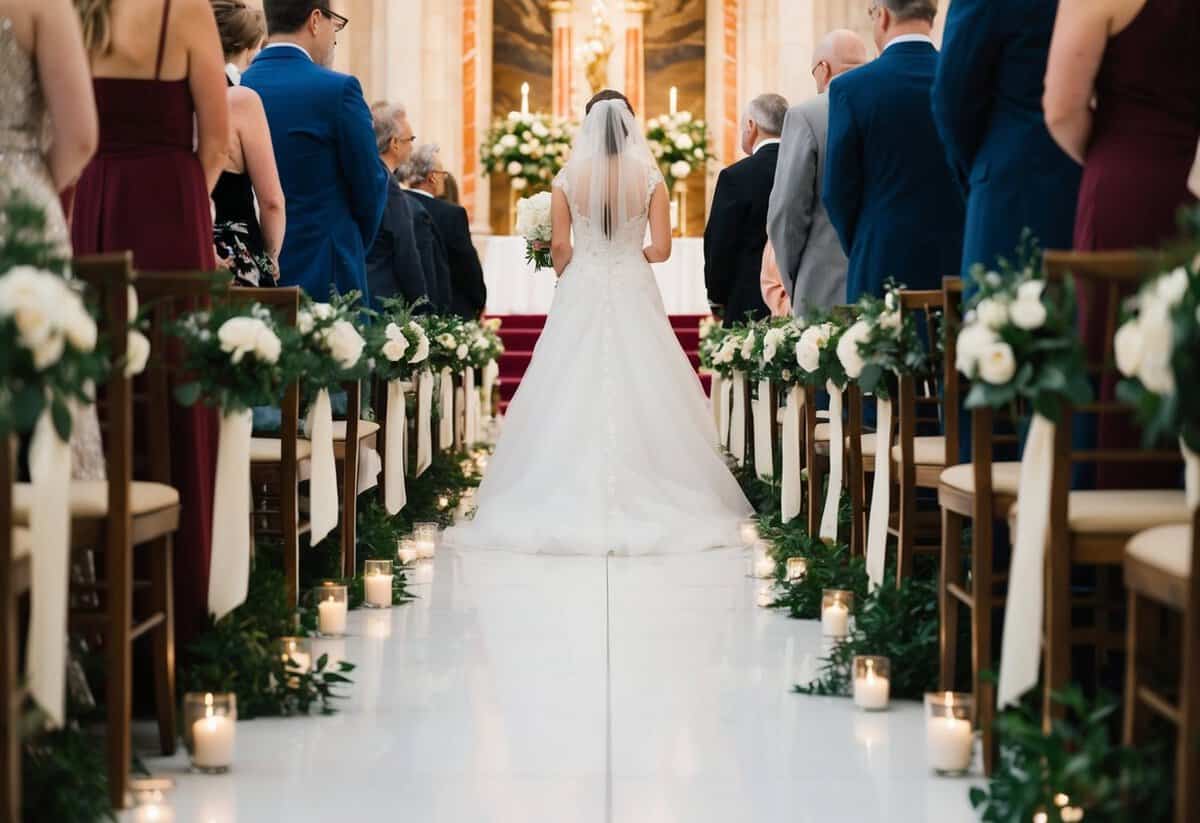
Wedding traditions play a big role in this moment. Many brides choose classic songs like “Here Comes the Bride” or unique pieces that hold special meaning for them and their partner. Regardless of the choice, the music creates a memorable atmosphere that adds to the significance of the occasion.
Walking down the aisle is a significant part of the wedding ceremony. It’s the moment where all eyes are on you, so choosing the right music is crucial. Take your time to find a song that resonates with you and helps to express your love story as you embark on this new chapter together.
The Tradition of the Processional
The wedding processional is an important part of the ceremony. It sets the mood and highlights the significance of the moment. Different cultures and religious backgrounds have unique traditions that shape how the processional unfolds.
Historical Significance
The processional has a rich history, symbolizing the transition from single life to married life. In many cultures, it represents a formal presentation of the bride. This moment is often filled with emotion and anticipation.
In traditional Christian weddings, you may see the bride escorted by her father, signifying family support. In Jewish weddings, the couple may walk down together, emphasizing equality. Other cultural ceremonies also highlight personal beliefs and values, ensuring the processional reflects the couple’s unique story.
Variations Across Cultures
Different cultures and religions have their own take on the wedding processional order. In Catholic weddings, the order often includes the bridal party, followed by the bride, creating a dramatic entrance.
Hindu weddings might showcase vibrant colors and elaborate rituals, leading to the couple entering together. Meanwhile, nondenominational ceremonies can be more personalized, with couples choosing their own order based on comfort and meaning.
Understanding these variations can help you choose the right processional for your special day, making it memorable and meaningful.
Roles and Order of Participants
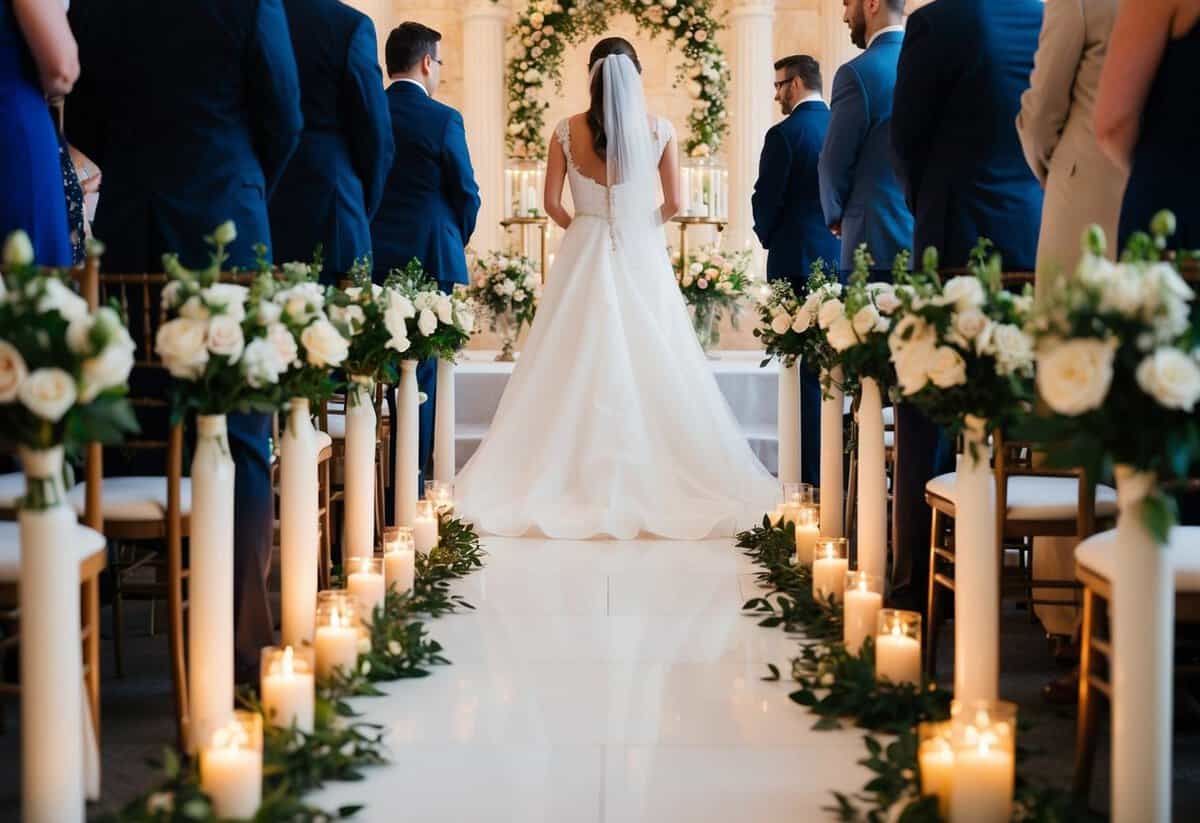
Understanding the roles and order of participants in a wedding processional helps to create a smooth and meaningful ceremony. Each individual has a special part to play, enhancing the significance of the moment as the bride makes her entrance.
Standard Christian Processional
In a standard Christian processional, the ceremony usually begins with the officiant taking their place at the front. Then, the wedding party walks down the aisle in a specific order. Typically, groomsmen walk in first, followed by bridesmaids.
Next, the maid of honor is the last to walk down before the bride. The mother of the bride may walk down solo or be escorted by a family member. Finally, the bride walks down the aisle with her father, showcasing a beautiful moment of support. The groom waits at the altar, emphasizing the significance of this joyous event.
Jewish Wedding Processional Structure
Jewish wedding processional customs can vary but usually follow a specific order. The ceremony often begins with the parents of the bride and groom walking in together, followed by the wedding party.
Next, the groom enters under the chuppah, a ceremonial canopy. The bride walks down the aisle last, often accompanied by both parents. This symbolizes the unity of the families. The focus is on bringing together both sides, highlighting love and partnership.
Unique Customs and Adaptations
Weddings can include unique customs that adapt the roles and order of participants. For example, in some Indian weddings, the baraat is a lively procession where the groom arrives with family and friends, often dancing.
In other ceremonies, you may find different arrangements based on personal traditions. You can add flower girls who scatter petals or have ring bearers carry the rings. Adaptations may also include modern roles, like having a best man or a maid of honor step in for family members who cannot attend.
These unique elements add flavor to your event, making it a memorable occasion.
Choosing the Processional Music
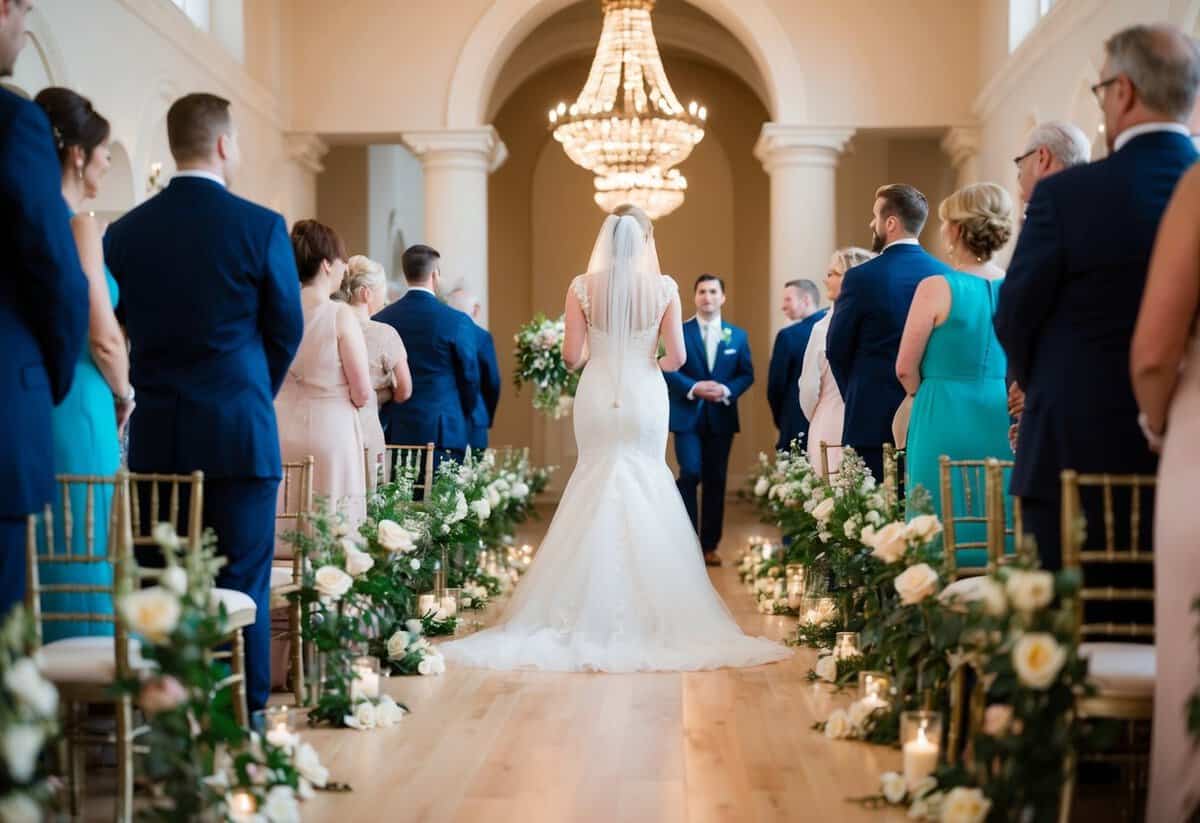
Selecting the right music for your wedding processional is crucial. It not only sets the tone for your entrance but also creates memorable moments for you and your guests. Consider both personal connection and the ceremony venue when making your choice.
Music That Resonates Personally
When picking your processional song, think about what resonates with you personally. Is there a song that holds special meaning in your relationship? It might be the first song you danced to or a tune that reminds you of a significant moment together.
Many brides opt for traditional pieces like “Canon in D” by Johann Pachelbel or “Here Comes the Sun” by The Beatles. These choices are timeless and evoke strong emotions. You can also consider more modern songs that reflect your personality.
Test out different songs by walking to their rhythm. Make sure the tempo feels comfortable. You want to glide down the aisle, not rush to the beat!
Coordinating with the Ceremony Venue
The atmosphere of your ceremony venue should guide your music choice. A grand cathedral may call for a classical piece, while a beach wedding might suit a more laid-back acoustic song.
Think about the overall theme and decor. Make sure your processional song aligns with the vibe you want to create. If your venue features stunning views, a beautiful ballad can enhance that visual appeal.
Consider the acoustics of the space as well. A song with strong vocals may get lost in a large hall but shine in a more intimate setting. Choose a piece that complements your surroundings.
Ceremonial Entrances and Exits
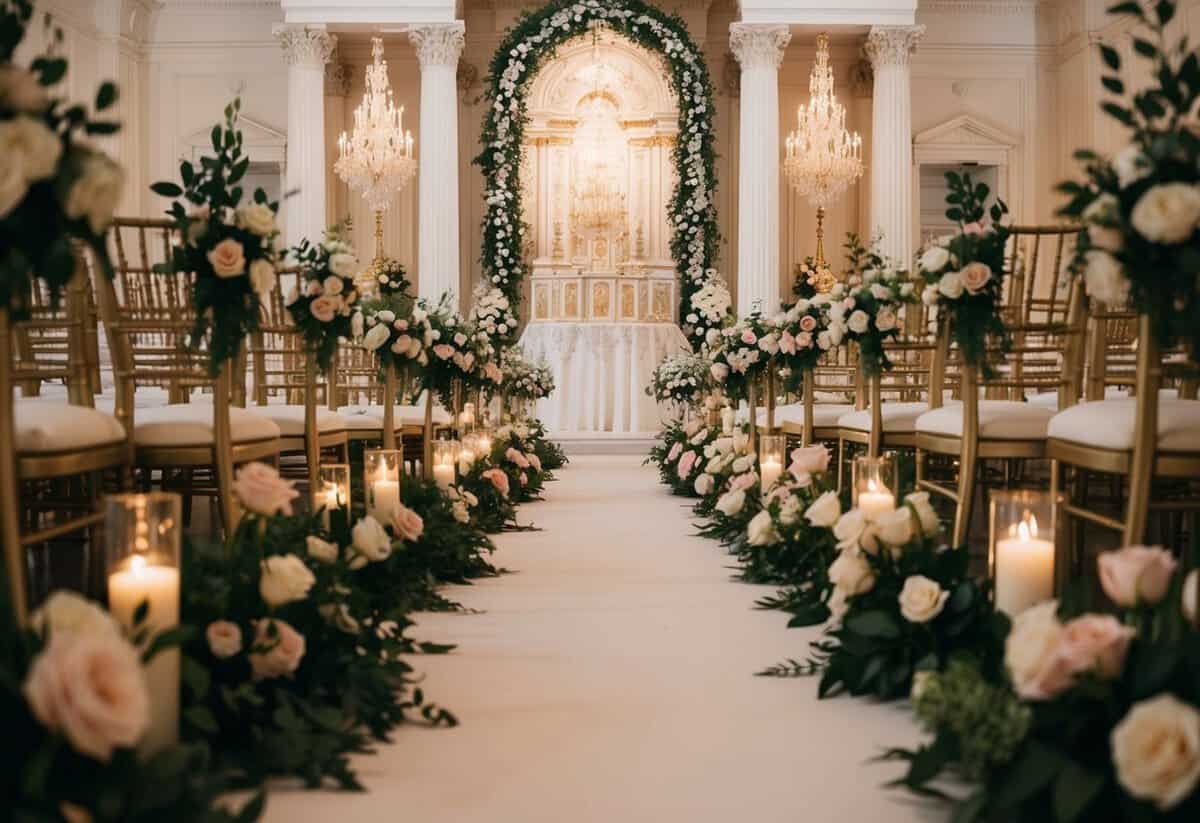
Ceremonial entrances and exits set the tone for the wedding. They create memorable moments, starting with the bride’s entrance and concluding with the couple’s exit. Each detail contributes to the overall experience of the ceremony.
The Grand Entrance of the Bride
Your grand entrance is one of the most anticipated moments of the ceremony. Traditionally, you may walk down the aisle with your father or both parents, creating a touching moment that symbolizes love and support.
As you approach the altar, the officiant waits at the front, ready to guide the ceremony. If you prefer to walk down the aisle solo, it can be a powerful statement of independence.
In many cultures, there are different practices, like standing beneath the chuppah during Jewish weddings, signifying the beginning of your new life together.
Modern Takes on Processional Arrangements
Many couples now opt for unique modern arrangements for their entrance. You could choose to enter to a song that reflects your personality or relationship. It could be a pop hit, classical piece, or even an original composition.
Some brides now include personalized elements, like walking alongside pets or having friends walk the aisle as part of the bridal party. You can also have a mixed-gender bridal party, which adds a fresh twist.
Additionally, you can choose to include fun elements like flower girls, ring bearers, or even miniature versions of yourselves to make the moment more memorable. Each choice reflects your style and preferences while making the event feel special.