
What Does the Groom’s Family Give to the Bride? Exploring Traditions and Expectations
When it comes to wedding traditions, many people wonder what the groom’s family is expected to give to the bride. Traditionally, the groom’s family contributes gifts such as the bride’s rings, attire for the groom and groomsmen, and sometimes even financial support for the wedding expenses. These contributions symbolize a commitment to the marriage and show respect for the bride and her family.
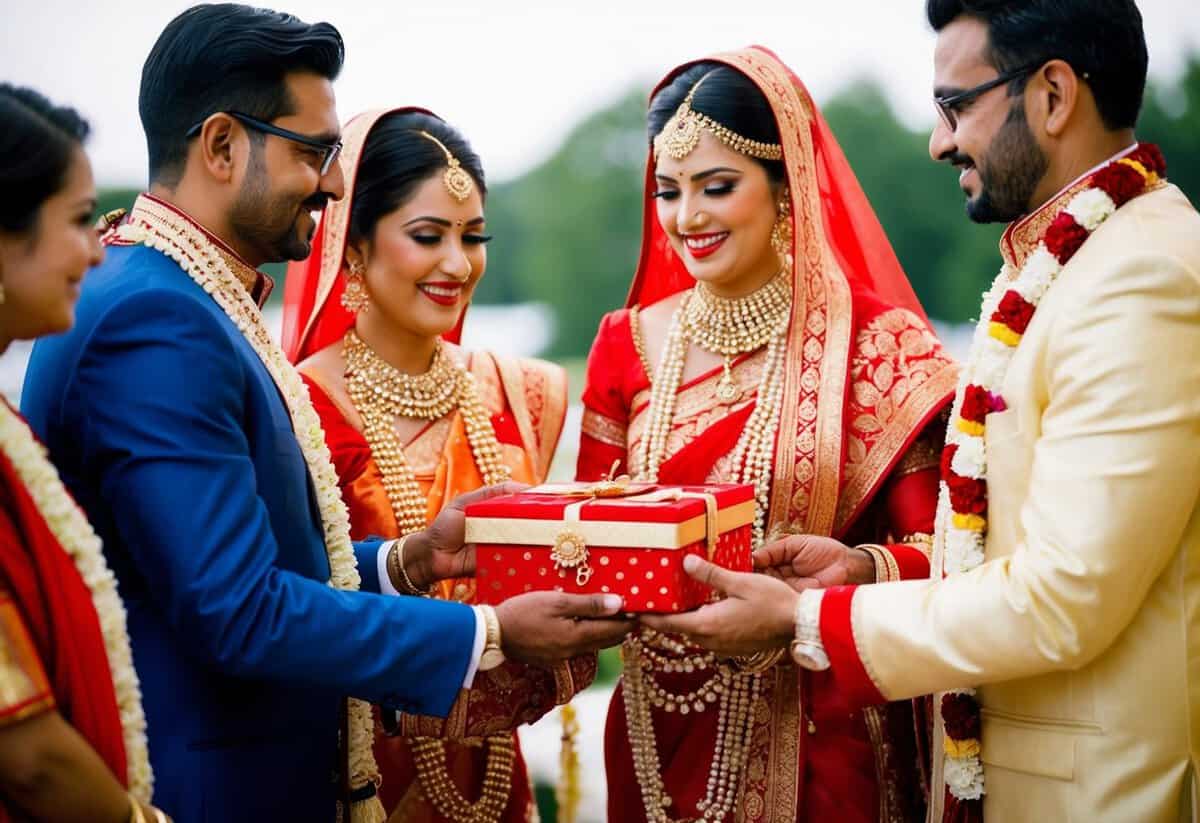
In addition to tangible gifts, the groom’s family can also provide emotional support and help create a warm and welcoming atmosphere for the bride. This can include planning the rehearsal dinner or taking part in pre-wedding festivities. Marriage traditions vary, but these gestures foster a sense of unity between the two families.
Understanding these roles can not only help you navigate wedding planning but also deepen the bond between both families. The contributions from the groom’s family play an important role in celebrating love and partnership.
Traditional Financial Responsibilities
When planning a wedding, understanding the traditional financial responsibilities of the groom’s family can help you navigate the various costs involved. These responsibilities often include covering parts of the wedding expenses and hosting pre-wedding events.
Covering Wedding Expenses
Traditionally, the groom’s family contributes to several wedding costs. This might include paying for the rehearsal dinner, which is an important event that brings both families together before the big day.
The groom’s family may also contribute to costs associated with the reception, like decorations or entertainment. They might even help with the couple’s wedding registry, adding special items or gifts to celebrate the occasion. Overall, these contributions can ease the financial burden on the bride’s family and help create a memorable wedding experience.
Hosting Pre-wedding Events
The groom’s family often hosts pre-wedding events, such as the engagement party and the rehearsal dinner. The engagement party allows both families to mingle and celebrate the couple’s love, setting a positive tone for the wedding.
The rehearsal dinner gives the couple a chance to relax before the ceremony with close friends and family. It is customary for the groom’s parents to cover this cost. Both events play a vital role in wedding planning and help foster relationships between families, making the celebrations even more special.
Contributions to Bride’s Attire and Accessories

When it comes to a wedding, the groom’s family often supports the bride by contributing to her attire and accessories. This can include everything from significant jewelry pieces to help with the wedding dress. Understanding these contributions helps clarify family roles during the planning process.
Jewelry and Heirlooms
The groom’s family often presents jewelry to the bride. This may include beautiful items like necklaces, earrings, or bracelets. Traditionally, these pieces can be family heirlooms passed down through generations.
Receiving such jewelry adds sentimental value to your wedding day. You might wear a treasured piece from the groom’s mother or grandmother. This not only connects families but also creates lasting memories.
Sometimes, the groom’s family may help purchase new pieces if there are no heirlooms available. You can choose jewelry that complements your wedding dress, making your overall look even more special on your big day.
Wedding Dress Support
The groom’s family may also assist with the expenses related to your wedding dress. While it’s common for the bride’s family to cover most of the dress costs, the groom’s family can contribute financially.
This support can help you choose the perfect wedding gown without financial stress. They might also help with alterations or accessories like veils or sashes.
Including various contributions can create a beautiful experience for everyone involved. It shows that both families are united in celebrating this special occasion. Ultimately, this support from the groom’s family adds meaning and joy to your wedding preparations.
Ceremony and Reception Contributions
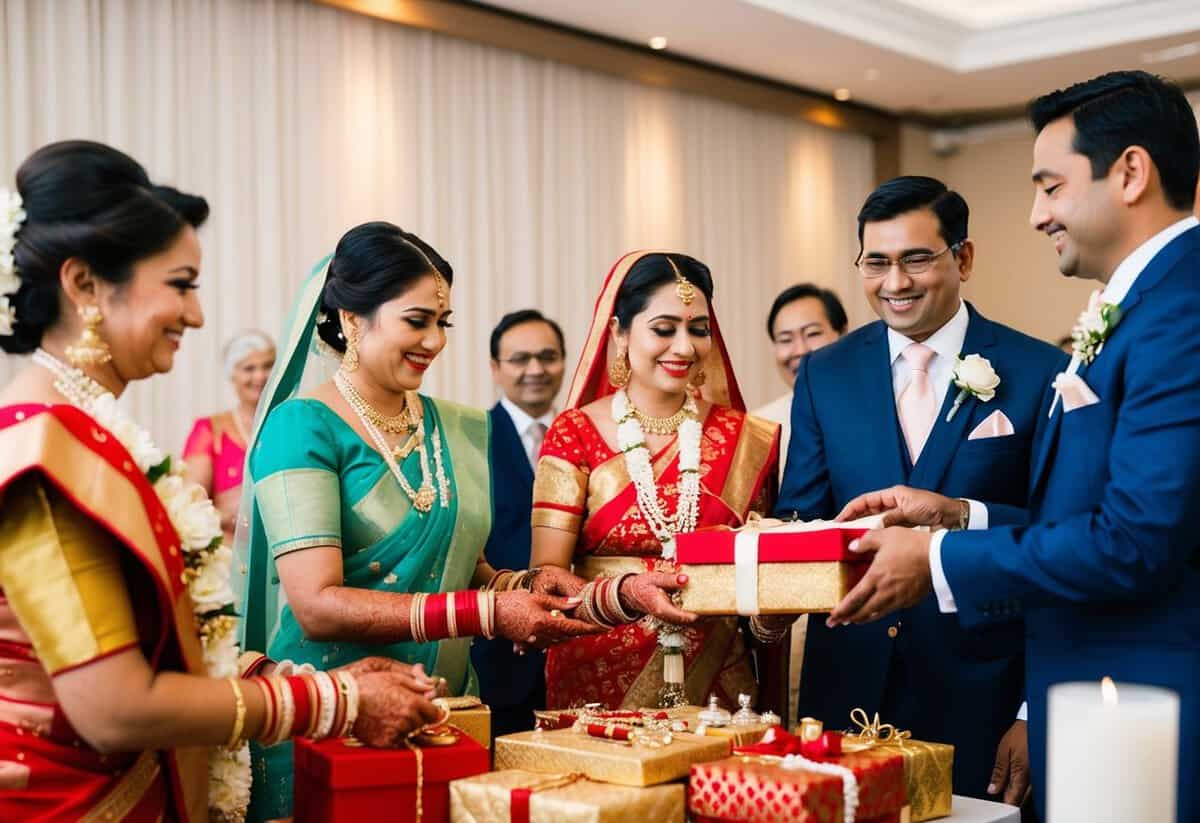
When planning a wedding, the groom’s family often takes on several key financial responsibilities. These contributions can significantly impact the ceremony and reception, ensuring everything runs smoothly for the couple’s big day.
Officiant and Ceremony Costs
The groom’s family typically covers the officiant fee. This can vary based on the officiant’s experience and location. You might pay anywhere from $200 to $600.
In addition to the officiant, other ceremony costs can include permits, venue fees, and equipment rentals. If you choose a religious ceremony, there might be added costs for donations to the place of worship.
It’s essential to also account for the marriage license. Each state has different requirements and fees, ranging from $30 to $100. Ensuring these fees are arranged in advance makes for a hassle-free wedding day.
Celebration and Alcohol Provision
At the reception, the groom’s family often plays a crucial role in providing refreshments, particularly alcohol. This can include options like wine, beer, and cocktails. You can set aside a budget that caters to your guests’ preferences.
Depending on your choice, you might have an open bar or a limited selection. An open bar is a popular choice that allows guests to enjoy drinks throughout the evening without worrying about cost.
Make sure to consider the legal requirements for serving alcohol, as some venues may require licensed bartenders. This helps ensure that the celebration is both enjoyable and compliant with local laws.
Post-Wedding Support
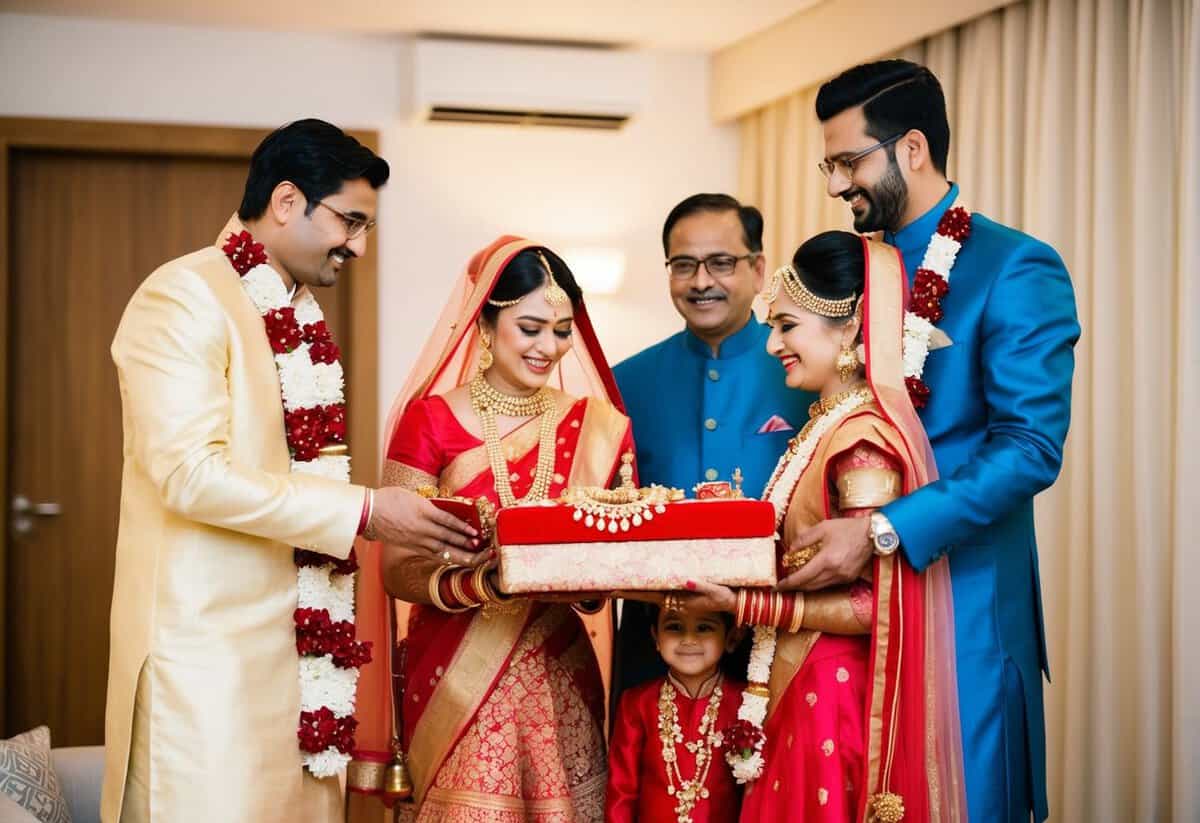
After your wedding, the groom’s family often steps in to offer support that can help you begin your new life together. This includes contributions to your honeymoon and assistance in adjusting to married life.
Honeymoon Planning
You may find that the groom’s family contributes to the honeymoon costs. This gift can help cover various expenses such as flights, accommodation, or activities during your trip.
Many families may offer either monetary support or gift certificates for specific experiences, like a romantic dinner or an adventure activity.
When discussing these plans, feel free to share your dream destinations and preferences. This open communication can make the planning process smoother and ensure everyone is on the same page about both expectations and contributions.
Starting a New Life Together
Once you’re back from your honeymoon, the groom’s family can help you adjust to married life. They might offer advice on finances, home management, or even meal planning.
Some families may also provide assistance with setting up your new home by gifting essentials like kitchenware or furniture.
These gestures not only support you both practically but also help foster a strong bond with your new family. Open discussions about your needs and desires can lead to a smoother transition into this exciting chapter of your life.