
What Does the Mother of the Groom Pay For? A Guide to Wedding Expenses
When planning a wedding, many people wonder about the roles and responsibilities of each family. The mother of the groom has important duties and can also help with costs. Typically, the mother of the groom may contribute to various expenses, such as the rehearsal dinner, flowers, and gifts for the wedding party.
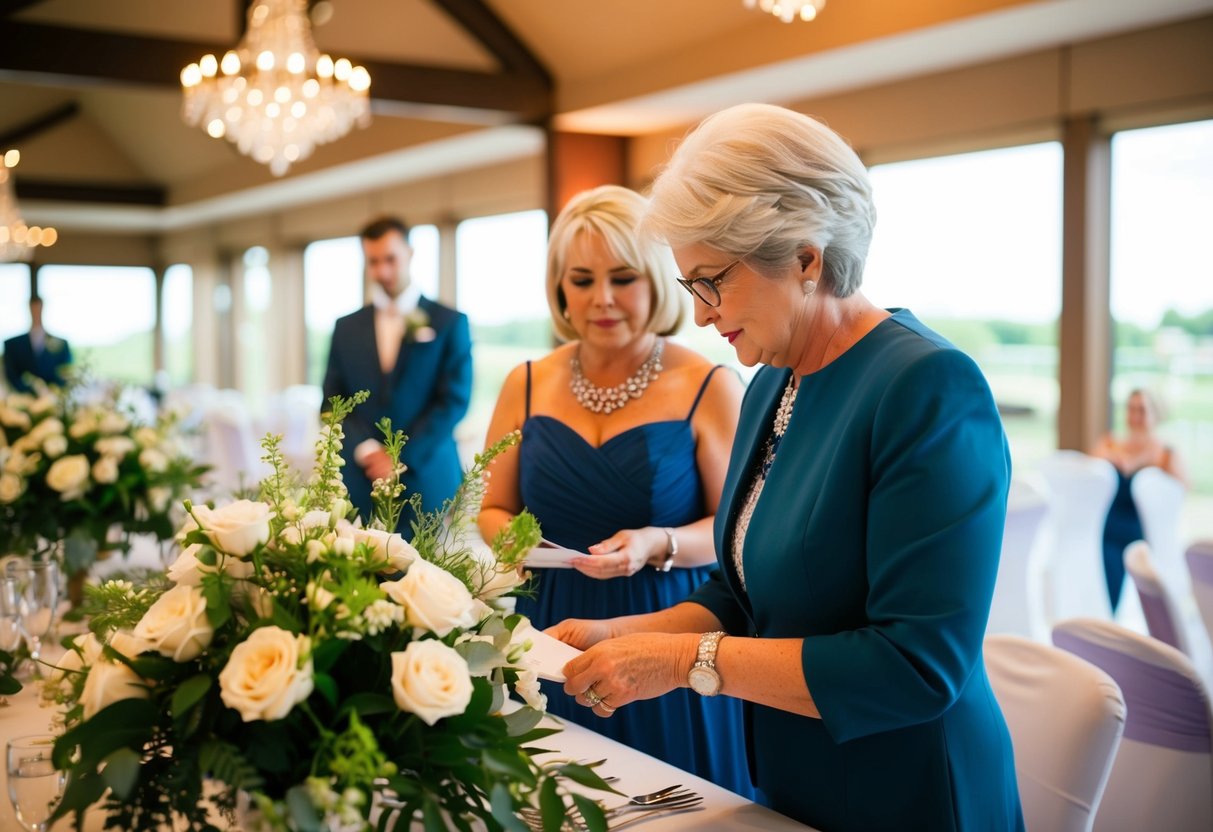
Understanding what the mother of the groom is expected to pay for can help you navigate this special time with ease. This way, you can enjoy the planning process and every moment leading up to the big day. Many mothers like to take an active role, and knowing your options can make it even more special.
The Breakdown of Expenses

When planning a wedding, understanding who pays for what can help ease the stress. The financial responsibilities often fall to the groom’s family, including the mother of the groom. Here’s a closer look at these costs.
What Traditionally Falls to the Groom’s Family
Traditionally, the groom’s family covers specific wedding expenses. Common costs include:
- Groom’s Attire: This includes the suit, shoes, and accessories.
- Wedding Rings: The groom’s family may pay for both the engagement and wedding rings.
- Transportation: Costs for getting the wedding party to the venue.
In total, the groom’s family often contributes to about 13% of the overall wedding budget. This financial responsibility helps to lessen the burden on the couple.
Financial Responsibilities of the Mother of the Groom
The mother of the groom often has several important financial roles during the wedding planning process. Typical expenses she might cover include:
- Rehearsal Dinner: This often includes meals for both families and the wedding party.
- Wedding Flowers: She may pay for boutonnieres and corsages for close family members.
- Groomsmen Attire: Costs for the suits worn by the groom’s attendants can also be her responsibility.
The amounts can vary significantly, but understanding these roles can help you plan effectively. By clarifying these costs, you make the budgeting process smoother for everyone involved.
Primary Contributions
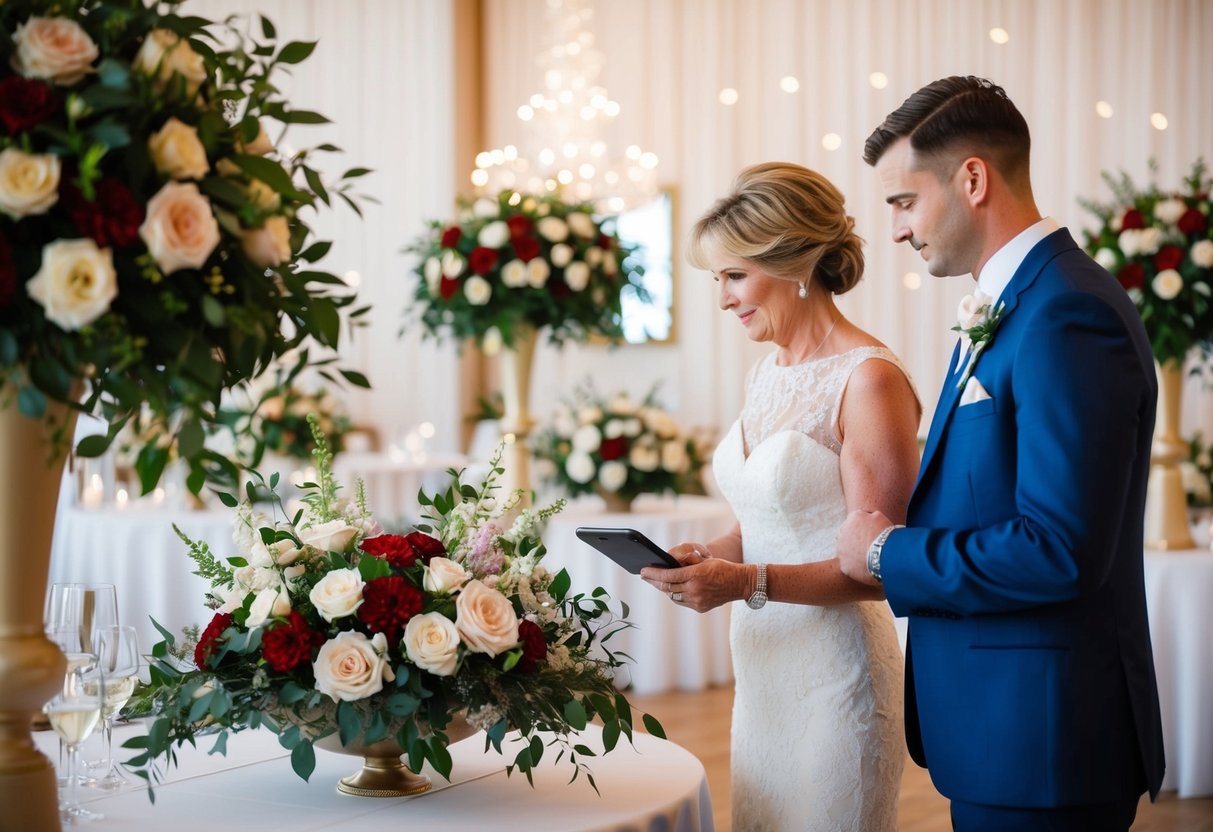
As the mother of the groom, you play an important role in the wedding planning process. Your contributions can make the events leading up to the big day more enjoyable and memorable for everyone involved.
Pre-Wedding Gatherings
You often help plan pre-wedding events like the engagement party and bridal shower. These gatherings are a great way to celebrate and bring families together.
- Engagement Party: You might host or co-host this event. It’s a chance for family and friends to meet and celebrate the couple’s commitment.
- Bridal Shower: You can help organize the bridal shower, often covering costs for decorations, food, and activities. Your involvement can create a warm and inviting atmosphere.
Another contribution is planning the rehearsal dinner. This dinner is usually hosted by you and gives family and friends a chance to bond before the wedding. You may cover the costs or coordinate with the groom’s father for a joint effort.
Wedding Day Essentials
On the wedding day, your contributions are also vital. A big part is taking care of the groom’s attire.
- You might help select or pay for the groom’s suit or tuxedo, ensuring he looks his best.
- Transportation: Helping arrange transport for the groom and groomsmen is important too. This can include booking cars or coordinating rides to and from venues.
You also contribute to creating a smooth experience by assisting with logistics and being a supportive presence. Your involvement helps the couple feel more at ease during a busy time.
Additional Considerations

When planning for the wedding, the mother of the groom should keep a few important details in mind. This includes understanding gifting etiquette and any hosting responsibilities that may arise. Here’s what you should consider.
Gifting Etiquette
Choosing the right wedding gift is important. Many families opt for a family heirloom to create lasting memories. This gesture shows a deep connection and personal significance. If you prefer to go with a wedding registry, check which items are still needed.
If you have close family ties with the bride’s family, feel free to discuss gift ideas. Keep in mind the average wedding gift amount is usually around $100 to $200, depending on your relationship with the couple. Don’t forget to include a heartfelt note to express your best wishes.
Hosting Responsibilities
As the mother of the groom, hosting may include inviting out-of-town guests. Consider organizing a small gathering or brunch to welcome them. This can help everyone feel connected before the big day.
You may also help coordinate accommodations for guests coming from afar. Choosing suitable hotels nearby can simplify things.
If you’re involved in pre-wedding events, like the rehearsal dinner, collaborate closely with the couple regarding plans. Create a list of attendees to ensure everyone is included. Communicating openly will make hosting easier and more enjoyable for everyone.
Ceremony and Reception Specifics
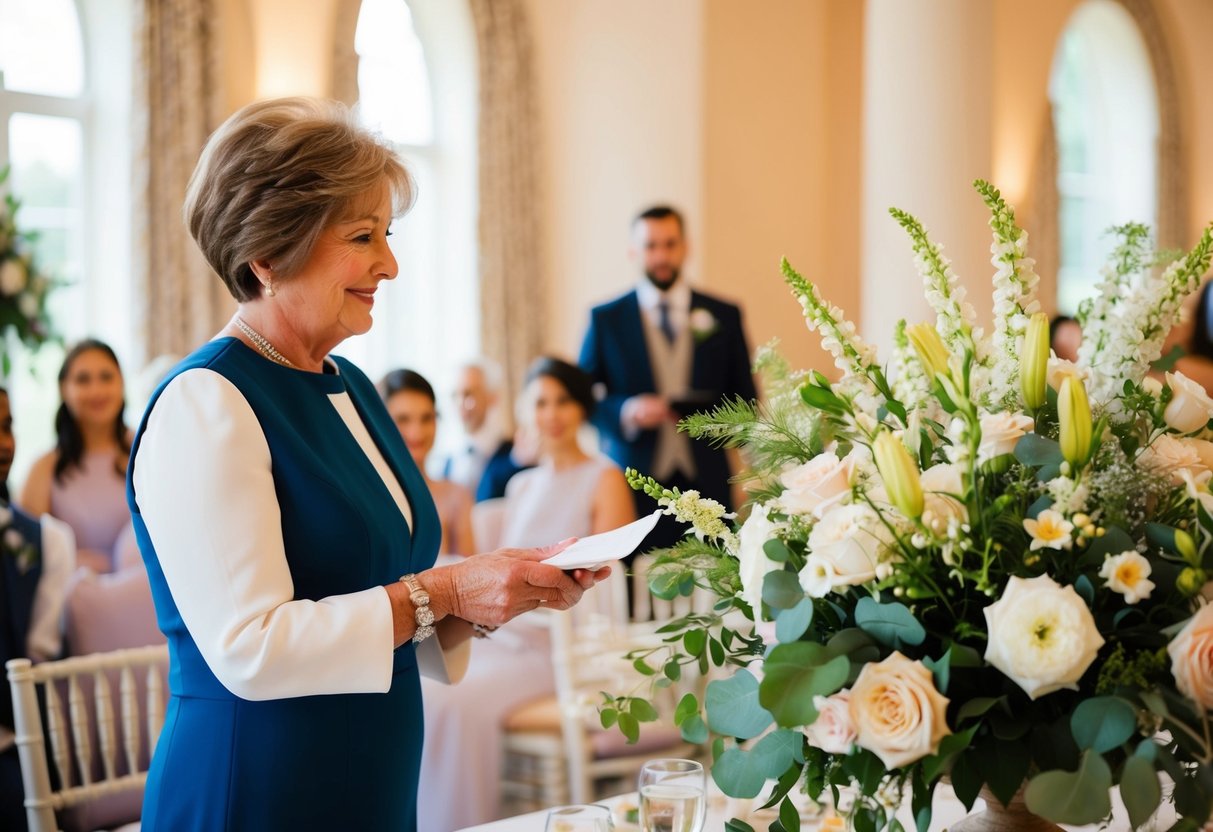
When planning your son’s wedding, there are important expenses related to both the ceremony and the reception. These typically include specific items and services that you may want to consider covering.
Ceremonial Items and Services
For the ceremony, you might be responsible for several key elements. These often include the marriage license, which is essential for the legal aspect of the wedding. The cost varies by location, so check your local requirements.
Another significant expense is the officiant fee. You’ll want to discuss this with the couple, as some couples may prefer to pay this themselves.
Additionally, there’s the need for floral arrangements for the ceremony. This can include bouquets, boutonnieres, and decorations. Working with a florist to create a beautiful setup can enhance the ceremony’s atmosphere.
Reception Expenditures
At the reception, you might also cover substantial contributions. You might cover the costs of reception alcohol, which can include wine, beer, and spirits for guests. Be sure to coordinate with the couple on the preferred selections.
Another potential expense is the wedding rings. While it’s traditionally the groom who pays, some families share this responsibility.
Don’t forget about the overall ambiance! This may involve covering costs for decorations, seating, and catering. Each of these elements plays a role in creating a memorable experience for everyone involved.