
What Else Can You Call a Wedding Ceremony? Exploring Alternative Names and Terms
When planning your special day, you might wonder what other terms can describe a wedding ceremony. Many people use words like nuptials, matrimony, or union to refer to this important event. Each term highlights a different aspect of the ceremony, from the joy of coming together as partners to the legal significance of the marriage itself.
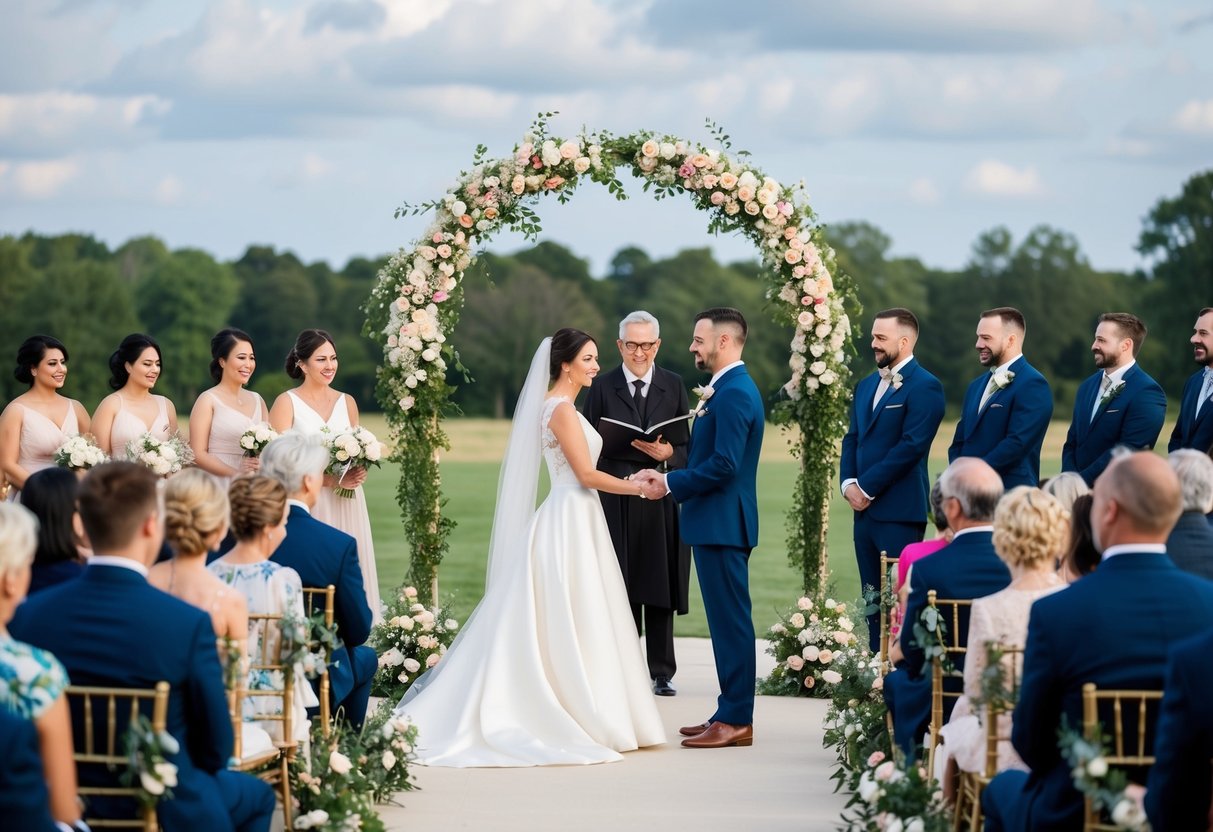
Understanding these alternative names can add a unique touch to your wedding planning. Whether you’re writing vows or crafting invitations, using varied language can create a memorable experience for you and your guests.
As you explore the different ways to talk about your wedding ceremony, think about what resonates most with you. Whether you prefer the traditional term or a more modern alternative, celebrating your love should always be your top priority.
Types of Wedding Ceremonies
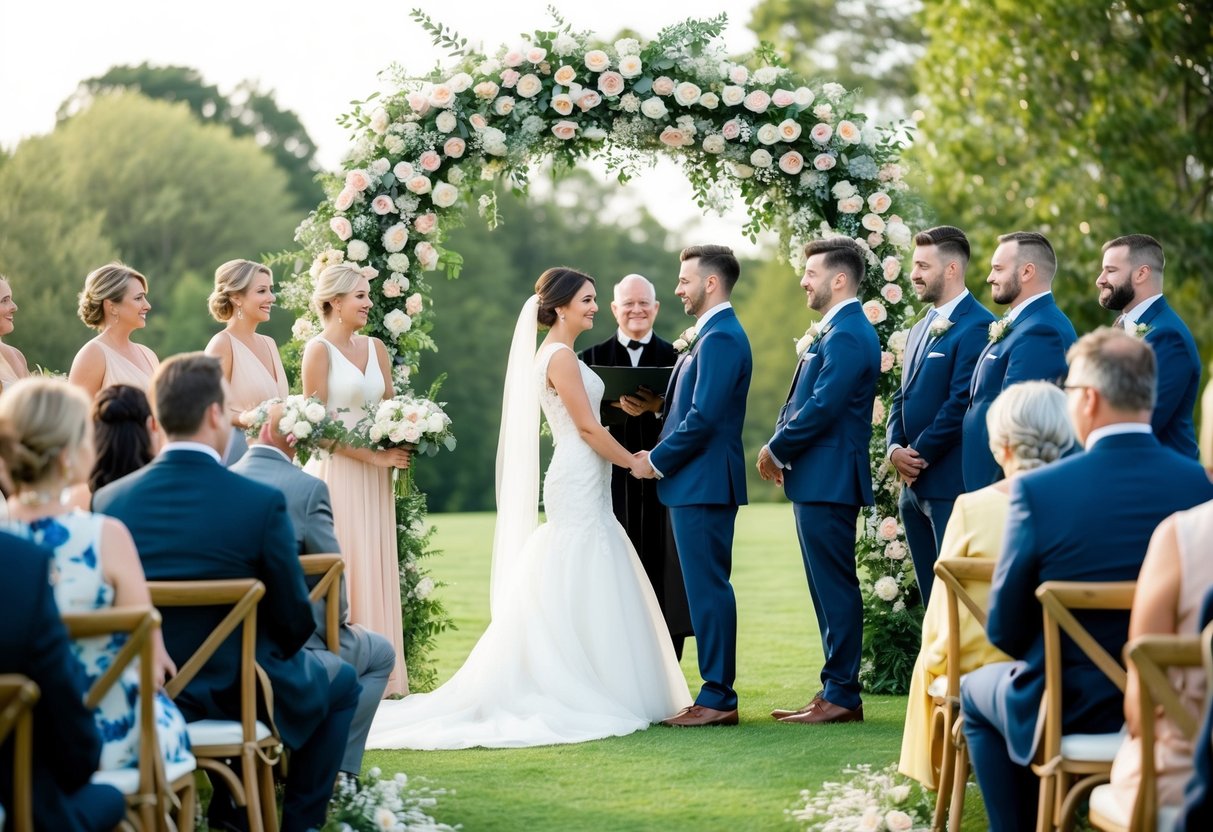
There are many different types of wedding ceremonies you can choose from. Each type has its own unique features and can suit various preferences and situations. Here are some popular options.
Traditional Wedding Ceremonies
Traditional wedding ceremonies are often formal events held in religious venues or banquet halls. These ceremonies typically include specific rituals and customs that reflect the couple’s cultural or familial heritage.
You might see elements like a bridal party, vows, and the exchange of rings. Many couples opt for a reception afterward to celebrate with family and friends. These events can be tailored to fit personal tastes while still keeping traditional elements intact.
A traditional ceremony can require careful planning, and might even involve rehearsals to ensure everything goes smoothly.
Destination Weddings
Destination weddings take you away from the usual setting, often to a scenic or exotic location. This type of wedding allows you to combine your ceremony with a vacation.
Popular spots include tropical beaches, mountain resorts, or historical cities. You can create a more intimate experience with fewer guests, which often leads to a cozy atmosphere. Many couples enjoy the unique photos that beautiful landscapes provide.
Keep in mind, planning a destination wedding can be more complex, especially regarding legal requirements and travel arrangements for guests.
Elopements
Elopements are spontaneous and intimate ceremonies typically involving just the couple, or sometimes a small witness. These weddings often occur without the traditional fanfare.
This option is perfect if you prefer a stress-free experience or want to avoid the large guest list. Scenic locations like mountain tops or quiet beaches serve as beautiful backdrops for your vows.
Since elopements can be planned quickly, you can seize the moment without extended planning. Just remember to check the legal requirements in your chosen location.
Religious Ceremonies
Religious ceremonies incorporate the beliefs and values of a particular faith. These weddings often take place in places of worship, led by a religious officiant.
Common features include prayers, readings from sacred texts, and specific rituals like lighting candles or taking communion. Many couples include family traditions that have been passed down through generations.
Your ceremony can be rich in meaning and significance, connecting your union to a larger community of faith. It’s a beautiful way to celebrate both your love and your spiritual beliefs.
Civil Ceremonies
Civil ceremonies are secular and usually held at a courthouse or public venue. These weddings focus on the legal aspects of marriage rather than religious customs.
Officiants can include judges or other government officials. Civil ceremonies are often short and straightforward, making them a great choice for those who want simplicity.
Due to recent events like the COVID-19 pandemic, many couples have turned to civil ceremonies for smaller gatherings. This option allows you to officially tie the knot without the stress of a large wedding.
Commitment Ceremonies
Commitment ceremonies are meaningful celebrations that may not include legal marriage but still honor the bond between partners. These ceremonies can be uniquely tailored to reflect your relationship.
They often include personal vows and rituals that signify your commitment to each other. This type of ceremony can be ideal for couples who want to celebrate their love without the legalities of marriage.
Commitment ceremonies can take place anywhere and can involve family and friends if you choose. They provide a great way to celebrate your love while still respecting personal beliefs about marriage.
Key Roles and Wedding Attire
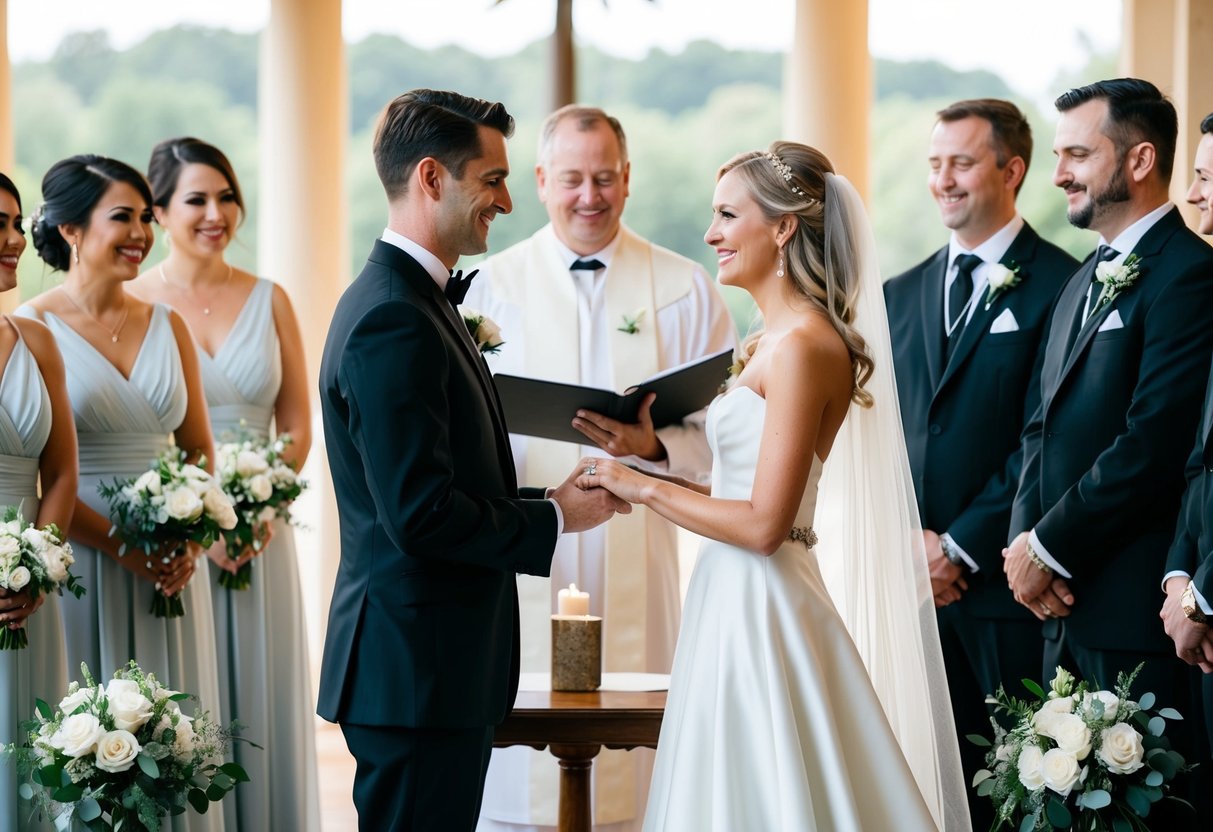
In a wedding, the roles of those involved and their attire can set the tone for the entire event. Understanding who does what and what they wear helps create a cohesive experience for everyone.
The Wedding Party
The wedding party includes key figures like the bride, groom, maid of honor, bridesmaids, groomsmen, best man, flower girl, and ring bearer. Each role has specific responsibilities.
- Bride: Central figure wearing a stunning wedding gown.
- Groom: Typically dons a suit or tuxedo.
- Maid of Honor: Supports the bride and may help with planning.
- Bridesmaids: Stand alongside the bride, wearing similar dresses.
- Groomsmen: Support the groom, often in matching attire.
- Best Man: A close friend of the groom who assists with details.
- Flower Girl and Ring Bearer: Young members who bring charm to the ceremony.
These roles are meant to honor relationships and create unforgettable memories.
Attire Guidelines
Attire guidelines can vary depending on the formality of the wedding. Common styles include black tie or black tie optional.
- Bride: Usually wears a wedding gown, which can range from traditional white to colorful styles.
- Groom: A tuxedo is standard for black tie, while a suit works for more casual settings.
- Bridesmaids: Often wear matching dresses chosen by the bride, which complement the wedding colors.
- Groomsmen: Typically wear suits or tuxedos to match the groom, ensuring a unified look.
It’s important for everyone to align their attire with the wedding theme. When all elements come together, it creates a beautiful atmosphere that celebrates the couple’s special day.
Wedding Ceremony Elements
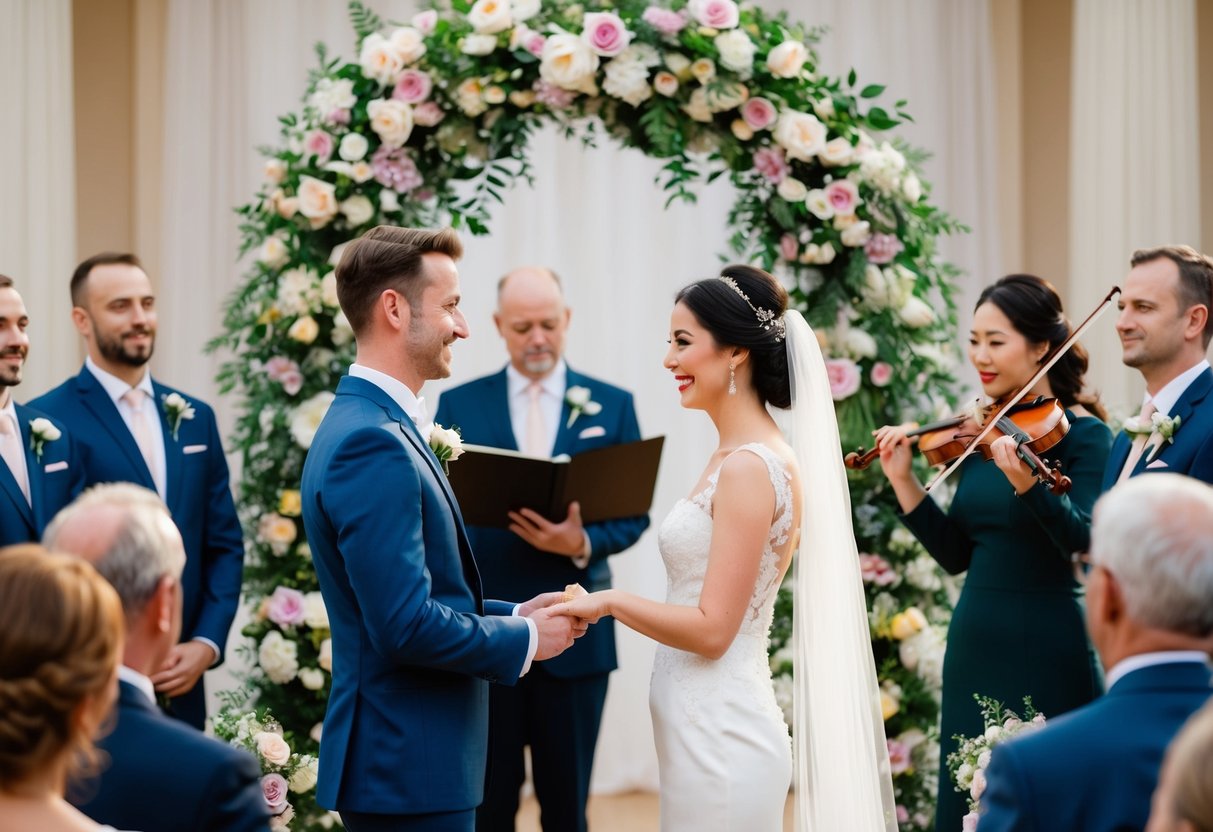
In a wedding ceremony, several key elements come together to create a memorable event. Each part signifies important moments that encapsulate your love and commitment, from the processional to unity ceremonies.
Procession and Recessional
The ceremony starts with the processional, where you and your wedding party walk down the aisle. This moment is often emotional and sets the tone for the day. The music usually plays a significant role, enhancing the atmosphere.
As you make your way to the altar, your guests will have their eyes on you. Once the ceremony concludes, the recessional happens. This is when you and your partner walk back down the aisle together, often celebrating with your first kiss as a married couple. This joyous moment is a great way to kick off your new life together.
Vows and Rings Exchange
The vows are one of the most important parts of the ceremony. This is when you express your love and commitment to each other. You may choose to write your own vows or use traditional ones.
Following this, you will exchange rings, symbolizing your connection and promise. The rings signify that you are now legally married. Traditionally, this exchange happens after the declaration of intent where you confirm your willingness to marry each other.
Unity Ceremonies
A unity ceremony is a beautiful way to symbolize your union. Many couples choose to incorporate unique rituals like a Sand Ceremony, where colored sand is blended together. This represents your separate lives coming together as one.
Other popular options include lighting a Unity Candle or a Handfasting ritual. These rituals add a personal touch to your ceremony, allowing you to express your values and cultures. They create lasting memories for you and your guests.
Managing Wedding Logistics
Logistics are key to a successful event. Start by choosing your venue and securing the date. Speak with a venue coordinator to discuss details like seating arrangements and rain plans.
Next, create a timeline for wedding tasks. This includes sending out RSVPs, setting up your bridal shower, and scheduling engagement photos. Keeping a detailed timeline helps you stay organized.
Make sure to book vendors in advance. Coordinate with caterers, photographers, and florists early on to ensure availability. Confirm all details so that everything runs smoothly on your big day, leaving you free to focus on the celebration.