
What Flower Means Happy Life? Discover the Blooms That Bring Joy
Flowers have a special way of brightening your day and lifting your spirits. When you think of happiness, certain flowers come to mind that not only look beautiful but also symbolize joy and positivity. Some flowers, like chrysanthemums and lilies of the valley, are especially known for representing a happy life and the emotions that come with it.
Imagine walking into a room filled with the sweet scents of cheerful blooms, each one carrying a message of happiness. Whether you are giving flowers as a gift or adding them to your decor, the right choice can spread joy and positivity, enhancing your mood and those around you.
By selecting flowers that mean happiness, you can create an atmosphere full of warmth and delight.
In this article, you will discover which flowers truly symbolize happiness, how they can brighten your life, and ways to incorporate them into your everyday moments. So, let’s explore the floral world that brings joy into your life!
The Language of Flowers

Flowers have a unique way of communicating emotions, making them a cherished part of human connection. They can express feelings of love, friendship, and happiness through their symbols. Understanding this language can deepen your appreciation for the blooms around you.
Historical Perspective of Flower Meanings
The concept of using flowers to convey feelings has deep roots in history. During the Victorian era, people used flowers to express emotions they couldn’t say outright. This practice, known as floriography, became a popular way to communicate in a subtle manner.
For example, red roses became a symbol of romantic love. In contrast, yellow roses often indicated friendship and joy. Flowers like peonies symbolize happiness and good fortune. The meanings of these blooms vary widely, connecting personal feelings to nature.
Cross-Cultural Flower Symbolism
Different cultures have their own interpretations of flower symbolism. In many Asian cultures, the lotus flower represents purity and enlightenment. In contrast, in Western cultures, it can symbolize rebirth or new beginnings.
Certain flowers, like chrysanthemums, hold significant meanings in various countries. In Japan, they signify rejuvenation, while in some Western traditions, they can be associated with mourning.
Recognizing these differences helps you choose the right flower for any occasion. Understanding flower symbolism enriches your connections, whether expressing friendship, love, or joy.
Flowers Associated with Happiness and Joy

Flowers are a wonderful way to express feelings of happiness and joy. Each bloom carries its own special meaning, lifting spirits and creating a sense of cheerfulness. Here are some flowers that are linked to positivity and happiness.
Sunflowers and Cheerfulness
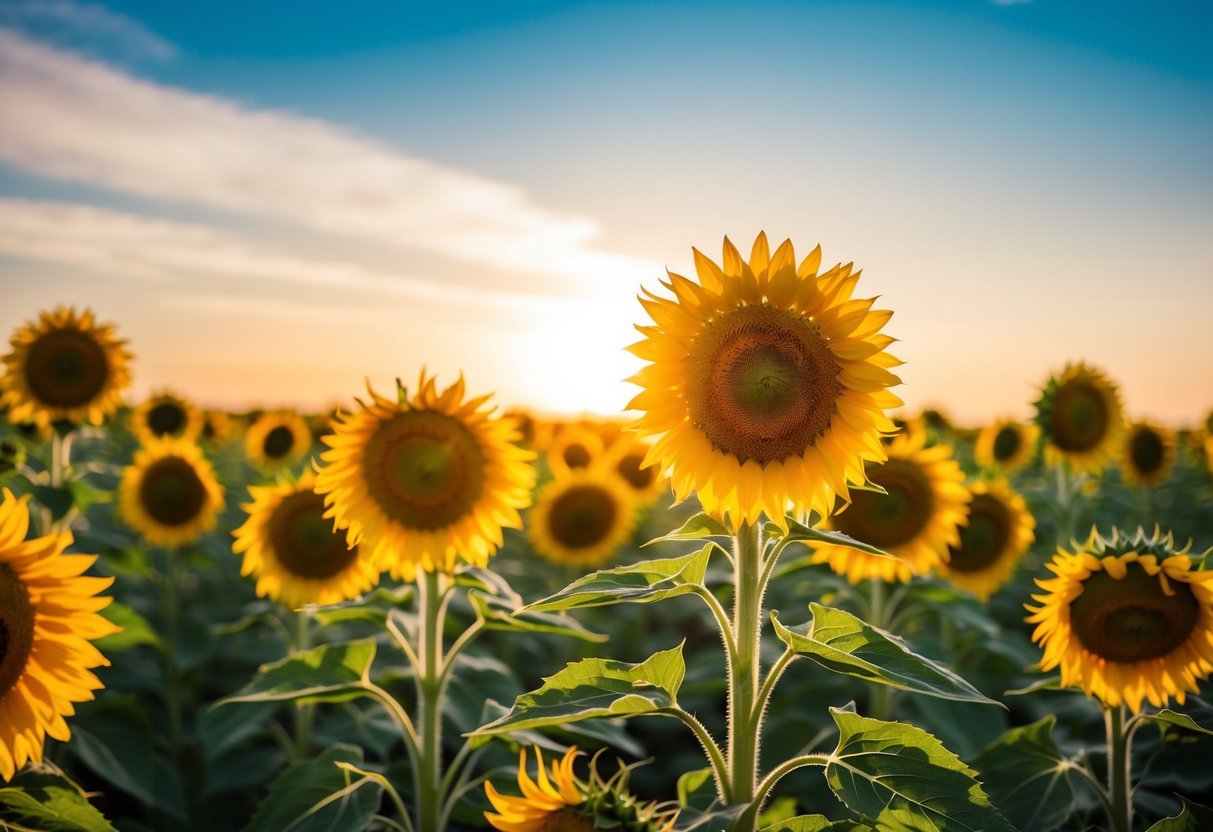
Sunflowers are bright, bold, and full of cheer. Their vibrant yellow color resembles the sun, promoting joy and warmth. When you see them, you can’t help but smile.
These flowers symbolize loyalty and adoration. Their ability to turn towards the sun reflects positivity and optimism. Gifting sunflowers is a great way to brighten someone’s day or show appreciation.
They also pair well with other flowers, making stunning arrangements that evoke happiness. Adding sunflowers to your home can create a lively atmosphere, reminding you of sunny days and good vibes.
Roses and Diverse Emotions
Roses are not just symbols of love. They can also represent joy, especially yellow roses. Yellow roses signify friendship and delight, making them a perfect gift for loved ones.
Each color of rose has its own meaning. For instance, pink roses show grace and gratitude. Even red roses, often seen as romantic, can convey deep feelings of joy and admiration.
Using roses in floral arrangements can bring warmth and happiness to any space. Their lovely scent and beautiful petals can uplift your mood, reminding you of special moments and cherished relationships.
Lilies and Renewal
Lilies, particularly the white ones, symbolize purity and renewal. Their elegant appearance brings a sense of peace and joy. When you encounter lilies, they can remind you of new beginnings.
These flowers bloom in the spring and summer, representing growth and hope. Their soft fragrances are soothing, creating a calm environment. You might find them uplifting during tough times.
Lilies are versatile and can be combined with other flowers for stunning bouquets. Whether for a celebration or a simple home decoration, lilies can enhance your space with a sense of joy and freshness.
Daisies and Innocence
Daisies are a true symbol of innocence and purity. Their simple yet charming look evokes a sense of childlike joy. The bright white petals and sunny yellow centers can make anyone feel happy.
Daisies remind you to appreciate the little things in life. They are often associated with positivity and cheerfulness. Gifting daisies can convey pure intentions and heartfelt sentiments.
These flowers are also sturdy and easy to grow, making them a favorite in gardens. A bouquet of daisies can brighten any room and serve as a daily reminder of joy and simplicity.
Symbolic Meanings of Colors in Flowers
Colors in flowers convey deep meanings and emotions. Each hue can represent different feelings, making it essential to understand what flowers symbolize when you want to share a message. Here’s a closer look at the meanings behind some popular colors.
White Flowers and Purity
White flowers, such as white lilies, symbolize purity and innocence. They are often chosen for weddings and other celebrations that mark new beginnings. The softness of white blooms makes them a favorite for expressing heartfelt emotions, like love and respect.
These flowers can also signify good fortune, making them a lovely choice for wishes of health and positivity. When you give someone white flowers, you’re not just gifting a beautiful bloom; you’re sharing a message of hope and purity that touches the heart.
Red Flowers and Deep Affection
Red flowers, particularly red roses, are classic symbols of deep affection and passion. Their vibrant color captures attention and conveys strong emotions. When you gift red roses, it’s a clear signal of your love and commitment.
In addition to romantic feelings, red flowers can represent loyalty and honor. They are often used to express admiration and can make any occasion feel special. When you see red flowers, you’re reminded of the power of love and the depth of your relationships.
Yellow Flowers and Friendship
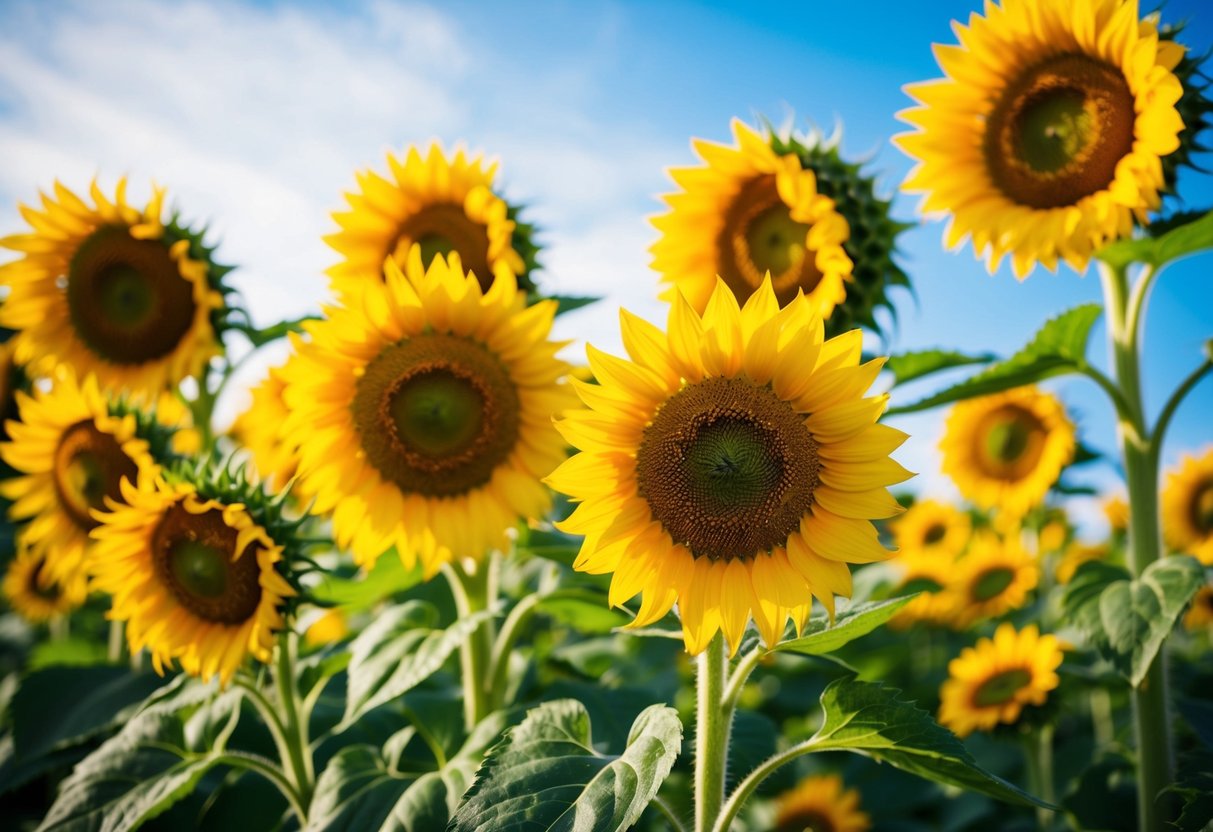
Yellow flowers, like yellow tulips, are often associated with friendship and joy. Their bright color brings warmth and happiness, making them perfect for celebrating friendships or cheerful occasions. When you give yellow flowers, you send a message of care and positivity.
These flowers also symbolize good luck and fresh beginnings. They can brighten someone’s day and show appreciation for their presence in your life. Yellow blooms are a simple yet meaningful way to strengthen bonds and express gratitude freely.
Pink Flowers and Gratitude
Pink flowers, especially pink roses, convey feelings of gratitude and appreciation. Their gentle hue expresses affection and admiration, making them suitable for various occasions. Gifting pink flowers is a lovely way to show someone you value their kindness or support.
These flowers also represent loyalty and deeply rooted connections. They remind you of the beauty in relationships and the importance of acknowledging those who make a difference in your life. Pink flowers are a thoughtful choice to express heartfelt thanks.
Choosing the Right Flower for a Happy Life

When selecting a flower that symbolizes happiness, consider your personal preferences, the occasion, and the season. Each flower carries its own meaning, so understanding these can help you choose the perfect bloom to convey your feelings.
Personal Preferences and Flower Choice
Your personal taste plays a major role in choosing the right flower. Think about colors and scents that make you feel happy.
For example, peonies symbolize a long and happy life, and their soft, vibrant petals are uplifting. If you appreciate a calming aroma, lavender is a great choice, known for its soothing qualities. Similarly, marigolds represent creativity and warmth, making them perfect for someone who inspires you.
Choose flowers that resonate with your personality and evoke feelings of affection and gratitude. This thoughtful approach will ensure the flower choice feels personal and genuine.
Considerations for Gift Giving
When giving flowers as gifts, consider the recipient’s preferences. You may want to pick flowers that symbolize attributes they value.
For instance, orchids represent strength and beauty, making them a great choice for someone who embodies those traits. Also, consider the occasion.
Celebrating a new beginning? Dahlias symbolize growth and prosperity, perfect for someone starting a new project or chapter. If you’re expressing your admiration, a bouquet featuring the vibrant wishbone flower can convey creativity and joy. Tailoring your choice shows that you thought about their feelings.
Seasonal Flowers and Symbolic Timing
Timing matters when choosing flowers. Seasonal blooms can enhance the meaning behind your gift.
For example, lilies of the valley bloom in spring, symbolizing renewal and new beginnings. These can be wonderful for graduations or new jobs.
In summer, vibrant sunflowers embody happiness and positivity, brightening any space.
For autumn celebrations, marigolds can symbolize hope and prosperity.
Understanding the symbolism and seasonality can deepen the impact of your gift and align it with the feelings you want to express.