
What Flowers Complement Each Other in a Bouquet? Tips for Perfect Arrangements
Creating the perfect bouquet is more than just picking flowers. It’s about understanding how different blooms work together to create beauty. When you choose flowers for your bouquet, consider complementary colors and varying shapes to enhance your floral design. This way, you can craft arrangements that not only look good but also express your unique style.
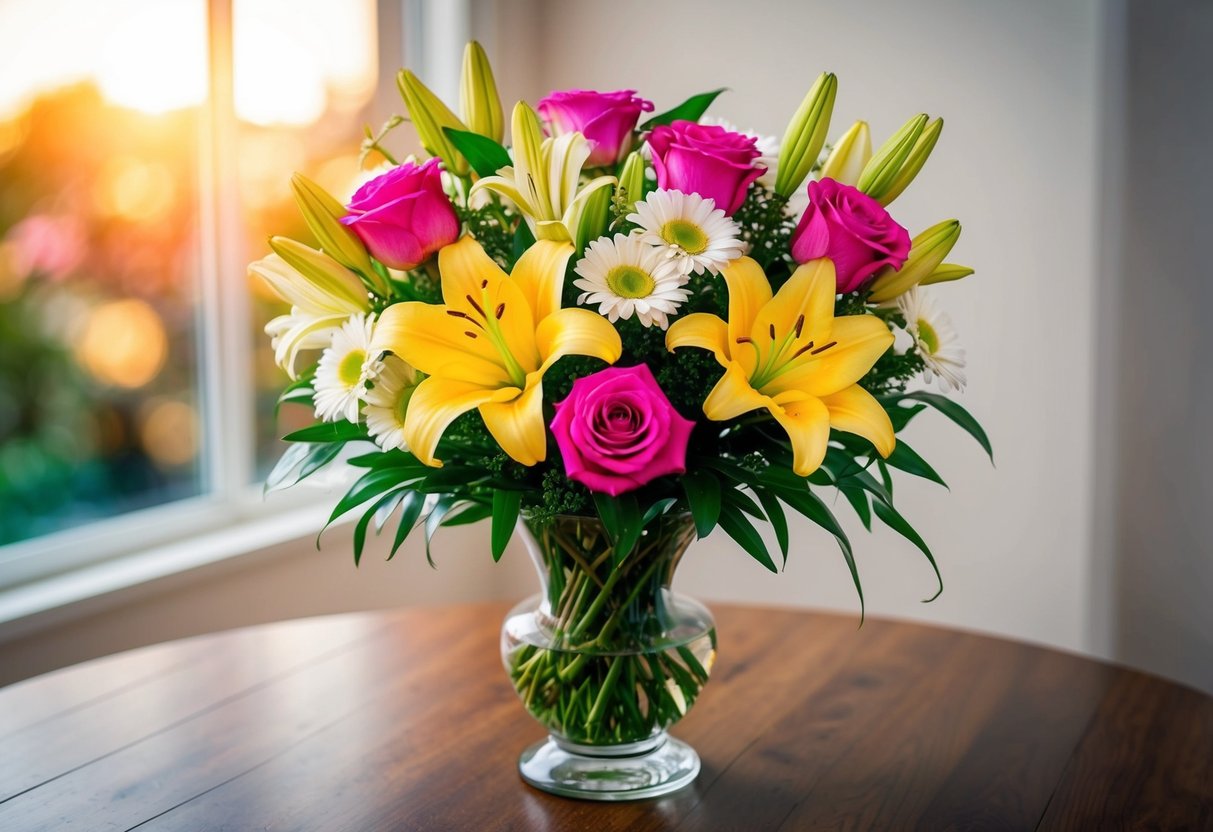
Think about using larger focal flowers surrounded by smaller blooms to add depth. Flowers like roses can pair nicely with daisies or aster blooms, bringing a lively touch to your arrangements. You can also use color wheels to find hues that go well together, such as bright yellows with deep purples, to create vibrant flower arrangements that catch the eye.
Exploring the variety of flowers available allows you to experiment with your creations. Whether you are planning a wedding, a special occasion, or just brightening up your home, the right flower combinations can make all the difference. Dive into this guide to discover which flowers naturally complement each other for stunning bouquets.
Essentials of Bouquet Design
Creating a beautiful bouquet involves understanding color, flower types, and arranging textures and shapes. Each of these aspects plays a key role in ensuring that your bouquet is visually appealing and harmonious.
Understanding Color Schemes
When designing a bouquet, color schemes are vital. You can choose complementary colors, which sit opposite each other on the color wheel, to create a vibrant look. For example, combining orange flowers with blue greenery can create a striking effect.
Another option is analogous colors, which are next to each other on the wheel, like yellow and orange. This choice creates a more cohesive and soft appearance. Think about your event’s theme and choose colors that represent it well.
Having a defined color scheme helps in selecting flowers that enhance each other’s beauty while making your bouquet pop.
Selecting Focal and Filler Flowers
Focal flowers are the stars of your bouquet, drawing attention. Think of bold or large blooms like peonies, roses, or sunflowers as your focal point. Their vibrant colors and shapes stand out in your arrangement.
Filler flowers, such as baby’s breath or aster, are essential for balance. They provide texture and volume without overshadowing your main blooms. By mixing different flower sizes, you create visual interest and depth.
Aim for a mix that complements your focal flowers while ensuring your bouquet feels full. This balance keeps your arrangement dynamic and engaging.
Incorporating Texture and Shapes
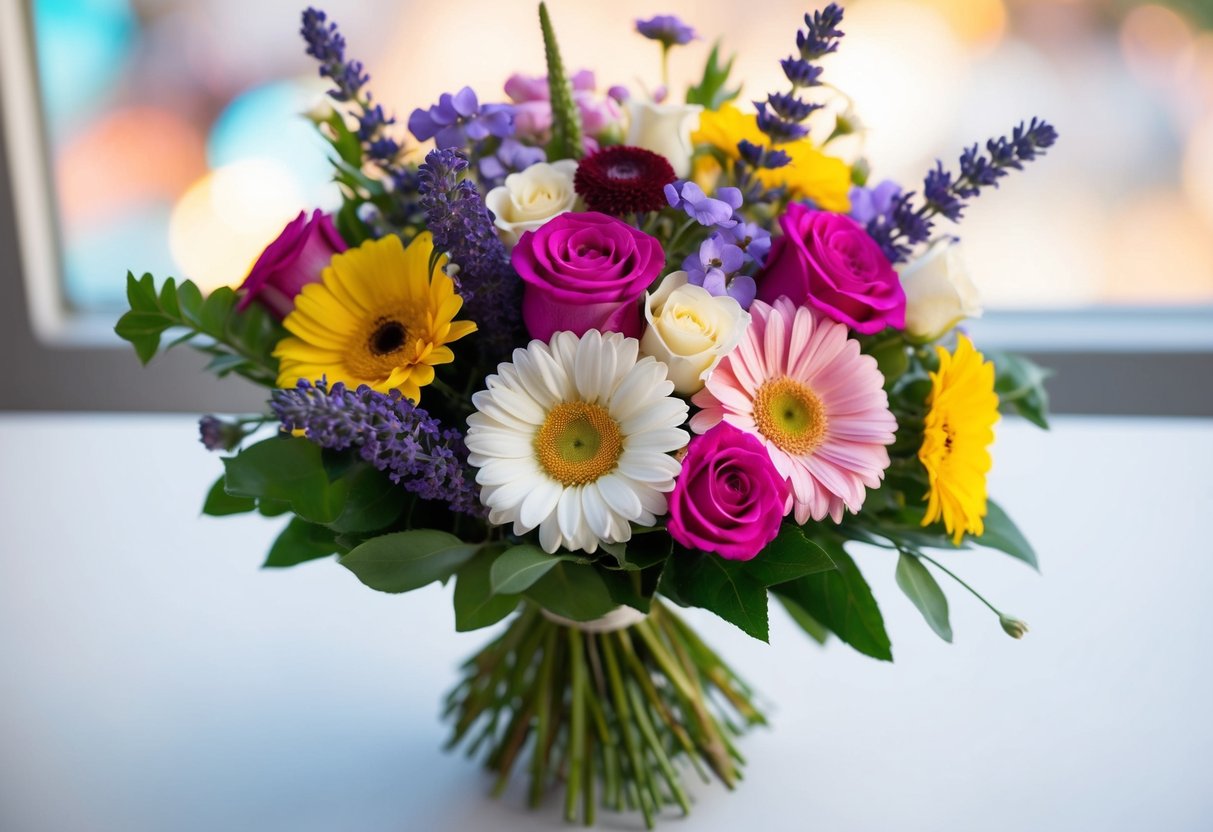
Mixing textures and flower shapes adds to the visual appeal of your bouquet. Use flowers with smooth petals alongside those with ruffled or spiky shapes to create contrast. For example, combining the softness of tulips with the sharpness of liatris gives your bouquet a striking look.
Consider incorporating greenery for additional texture. Ferns or eucalyptus can create a lush backdrop for your blooms. This combination can make your bouquet feel more organic and lively.
Don’t shy away from experimenting with height. Varying the lengths of your flowers adds dimension and keeps the arrangement visually interesting.
Popular Flowers and Their Companions
When creating a beautiful bouquet, knowing which flowers work well together can make a big difference. Some classic pairings have stood the test of time, while contemporary combinations offer fresh ideas for your floral arrangements.
Classic Pairings
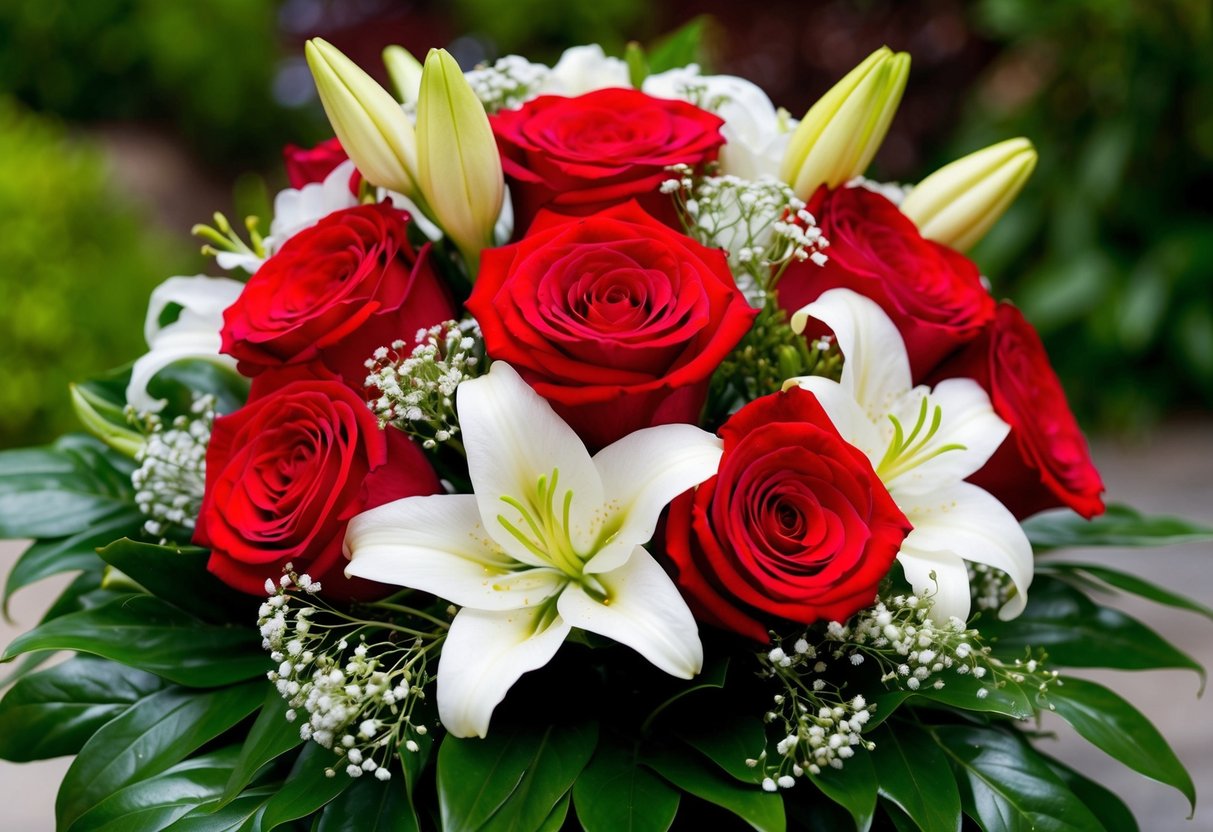
Certain flowers have long been favorites for their lovely combinations. Roses and lilies are a classic match. The elegance of roses complements the tall, graceful shape of lilies. This pairing creates a stunning visual contrast.
Another great pairing is hydrangeas and peonies. The fluffy blooms of hydrangeas provide a soft background for the fuller peonies. This combination adds texture and richness to any arrangement.
Tulips and daffodils also make a cheerful pairing. Their bright colors and simple shapes bring joy to any bouquet. Together, they evoke feelings of spring and renewal.
Contemporary Combinations
If you want something a bit different, consider some modern pairings. Dahlias and ranunculus create a vibrant display. The bold shape of dahlias contrasts beautifully with the delicate layers of ranunculus. This combo adds depth and dimension.
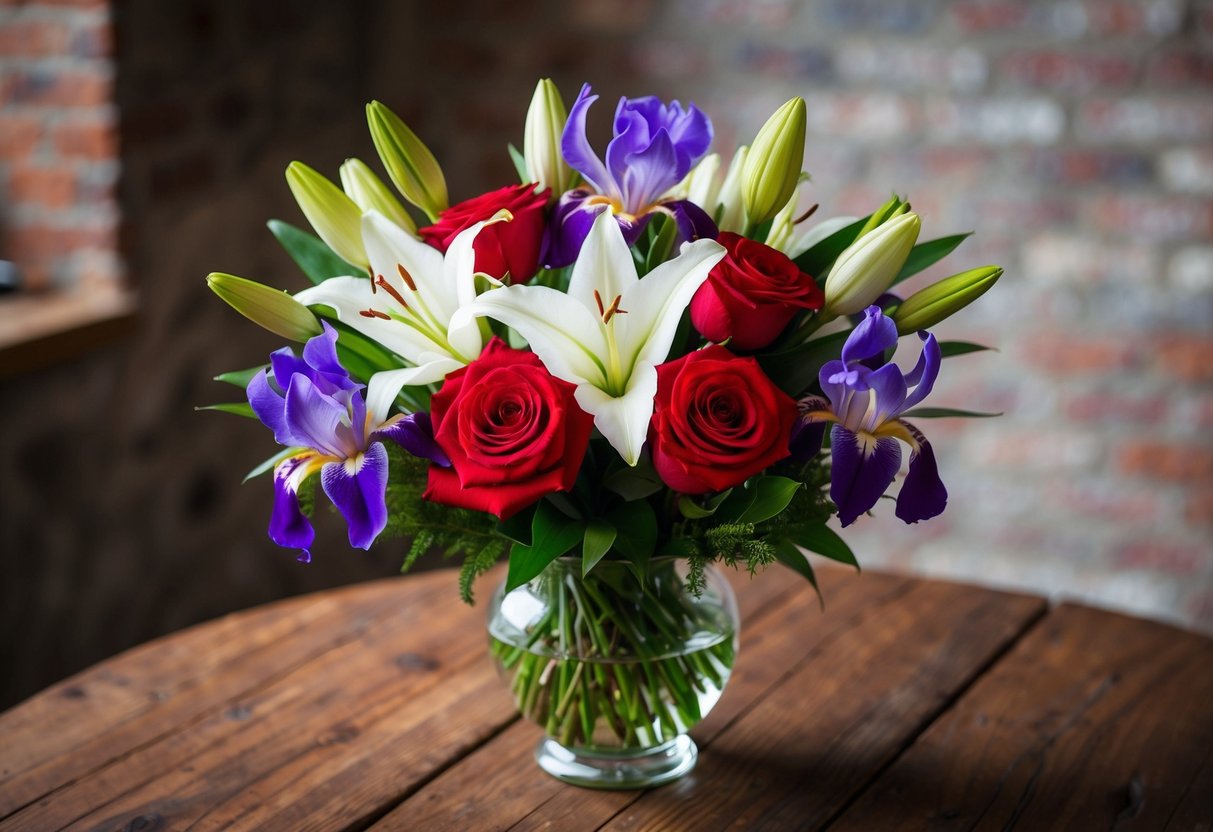
Another trendy choice is irises and roses. Irises bring a striking pop of color, while roses add softness. Together, they create a delightful balance.
For a unique twist, try mixing ranunculus with peonies. Their contrasting textures offer a fresh look for your bouquet. You can create eye-catching floral displays by blending these popular flower combinations.
Special Considerations for Plant Choices
When choosing flowers for your bouquet, it’s essential to consider factors like seasonality and plant hardiness. This can affect both the appearance and longevity of your arrangement. Let’s explore the importance of using seasonal and native flowers, as well as drought-tolerant options.
Seasonal and Native Flowers
Using seasonal flowers is a smart choice. These blooms are likely to be fresher and more affordable. Each season offers a range of beautiful options. In spring, you might find tulips and daffodils. Summer brings sunflowers and hydrangeas, while autumn features chrysanthemums and asters.
Native plants play a crucial role as well. They adapt well to your local climate and soil. Plus, they support local wildlife, including pollinators. Think about incorporating plants like coneflowers or black-eyed Susans. These not only look beautiful but also thrive in their natural environment, making them excellent choices for your bouquet.
Drought-Tolerant and Hardy Varieties
Drought-tolerant flowers are ideal for creating a low-maintenance arrangement. They need less water, which is great if you’re busy or live in a dry area. Some popular options include succulents, lavender, and certain types of ornamental grasses.
Hardy perennials can also add value to your bouquet. They return each year and often withstand various weather conditions. Plants like daylilies and sedum can bring vibrant color while requiring minimal care. Mixing these varieties helps create a stunning bouquet that is not only beautiful but also practical.
Creating Your Bouquet
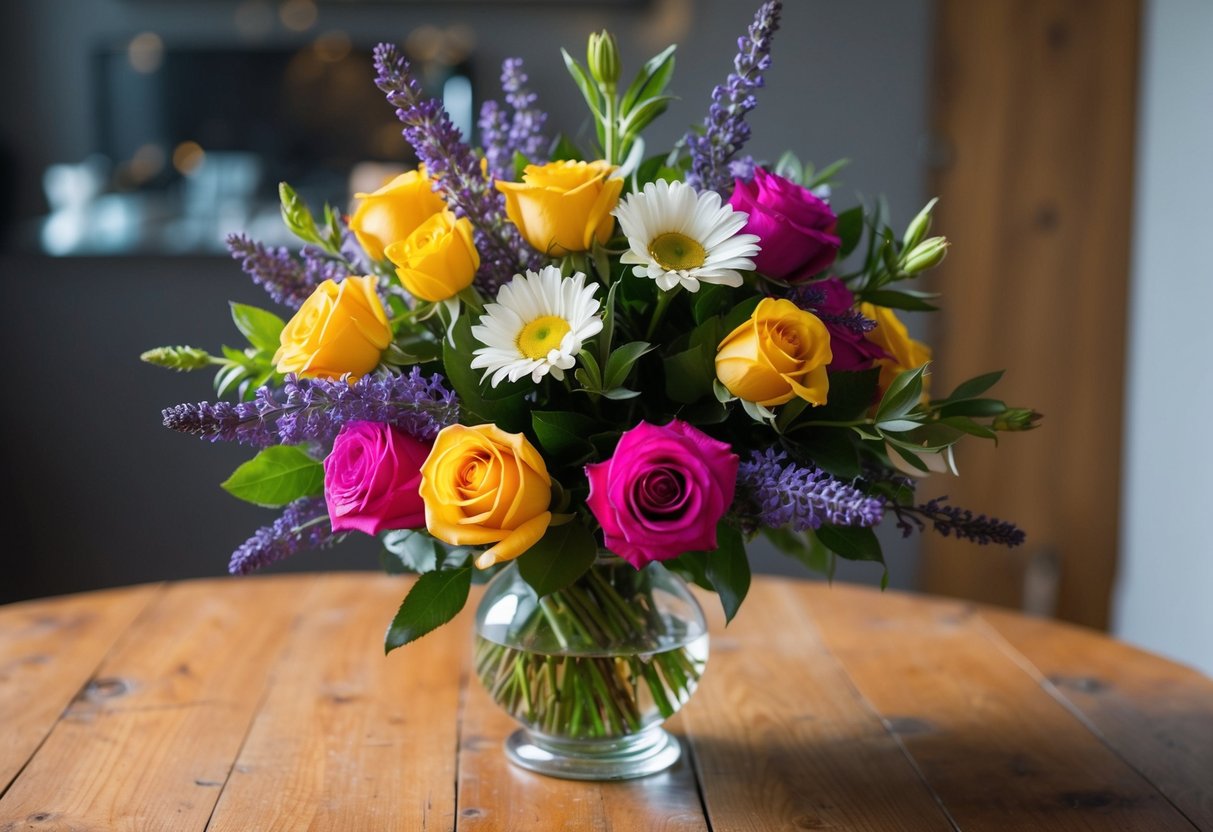
Creating your bouquet involves selecting flowers that work well together and using techniques that enhance visual interest. Your choice of flowers and arrangement methods will determine how lively and appealing your bouquet can be.
Arrangement Techniques
Begin by choosing a color scheme that fits your style or occasion. Select flowers that bloom together to ensure harmony in colors and shapes. For instance, pairing round flowers like peonies with long, elegant blooms like irises can create a balanced look.
When arranging, consider placing larger flowers in the center. Surround them with smaller blooms to add depth. This variation in flower shapes improves overall appeal. Additionally, consider using different textures, such as smooth petals alongside ruffled ones.
Try incorporating some greenery as filler but use it sparingly. A little greenery can bring a fresh look without taking attention from the flowers. To maximize appeal, adjust the heights of your blooms, allowing some to rise above others.
Maintaining Your Bouquet
Once you arrange your bouquet, you need to maintain its freshness. Start by trimming the stems at an angle. This increases the surface area for water absorption, helping your cut flowers last longer.
Place your bouquet in cool water immediately after arranging. Change the water every couple of days to prevent bacteria growth. Adding flower food to the water can also provide essential nutrients.
Keep your bouquet out of direct sunlight and away from heat sources. This helps prevent wilting. Remember to remove any dead or wilted blooms promptly. This keeps your arrangement looking fresh and vibrant for a longer time.