
What Happened to Bloody Mary? Unraveling the Legend and Its Origins
Mary I of England, often known as Bloody Mary, faced a challenging reign from 1553 to 1558. As the first queen to rule England in her own right, she is infamous for her attempt to restore Catholicism after her father, Henry VIII, broke with the Catholic Church. What happened to Bloody Mary ultimately led to her being remembered for the persecution of Protestants, resulting in nearly 300 executions during her rule.

You might find it surprising to learn that Mary’s efforts to restore Catholicism, which included reinstating papal authority, were largely unsuccessful. Despite her strong beliefs, her rule created a deep divide in England, with many resisting her policies. The term “Bloody Mary” stems from the brutal measures she took against those who opposed her faith.
Her reign was filled with struggles, both politically and religiously. After her death in 1558, England shifted once more towards Protestantism under her half-sister, Elizabeth I, sealing Mary’s legacy as a tragic figure in the history of the English monarchy.
Early Life and Rise to the Throne
Mary I’s journey to the throne began with her unique birth and complex family dynamics. Her experiences with succession and legitimacy would shape her reign and influence England’s religious landscape.
Birth and Royal Lineage
You’ll find that Mary Tudor was born on February 18, 1516, at the Palace of Placentia in Greenwich. She was the daughter of King Henry VIII and Catherine of Aragon. As the first surviving child of the pair, her birth was significant for the Tudor dynasty.
Being a princess, her life was intertwined with the politics of the time. With her father’s divorce from Catherine and subsequent marriage to Anne Boleyn, Mary’s position became uncertain. This led to her being declared illegitimate, which affected her self-identity and claim to the throne.
Conflict Over Succession
Following the deaths of her half-brother Edward VI and her cousin Lady Jane Grey, the question of succession was contentious. Edward was a Protestant and tried to exclude Mary, a Catholic, from the line of succession.
In 1553, when Edward died, Lady Jane Grey was briefly proclaimed queen. Her rule lasted only nine days before Mary asserted her claim, supported by Parliament.
Once Mary took the throne, she aimed to restore Catholicism in England. Conflicts over her legitimacy and the influence of Protestantism led to significant tensions during her reign. This backdrop influenced her actions and policies as queen.
Mary’s Reign and Religious Policies
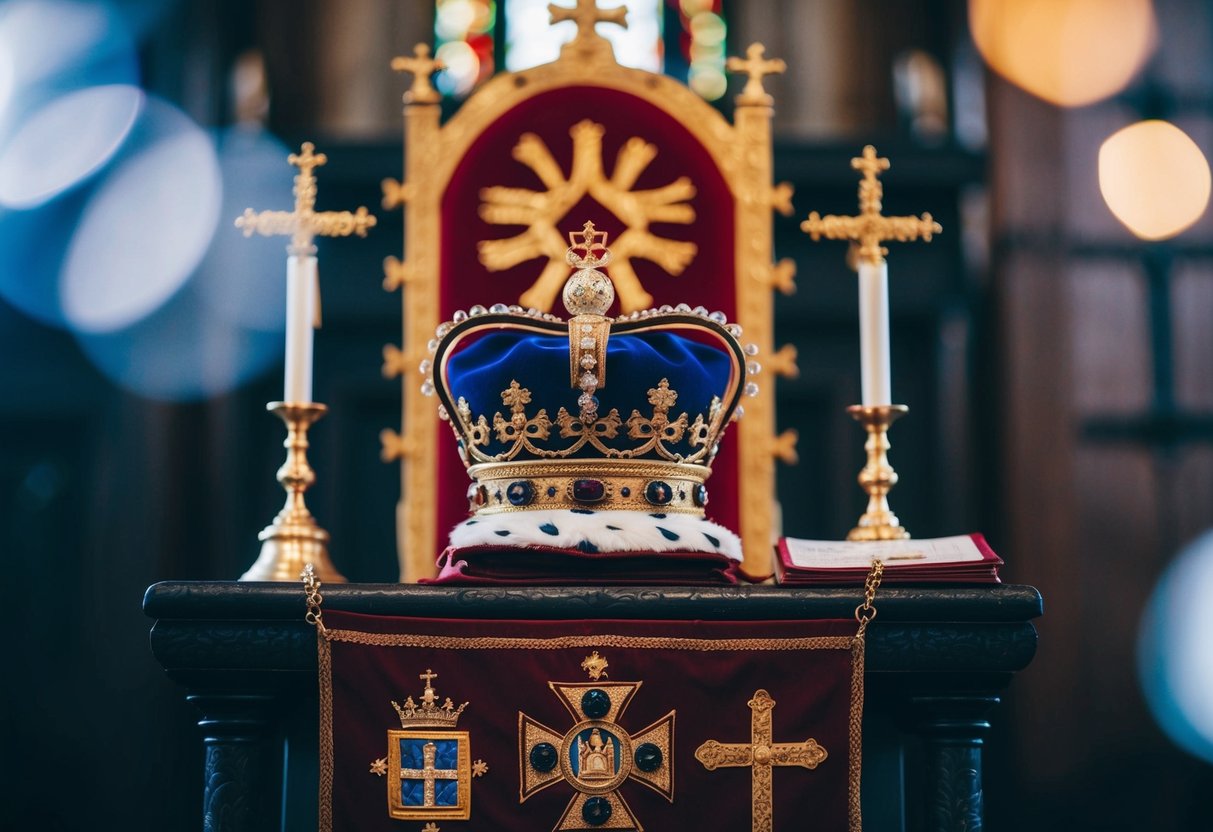
During Mary’s reign, she aimed to restore the Catholic faith in England after her father’s break from the Church. Her policies focused on reversing the Protestant Reformation, leading to significant religious changes and consequences.
Restoration of Catholicism
Mary I, also known as Bloody Mary, sought to reinstate Roman Catholicism as the main religion in England. She believed this was essential for the spiritual health of the nation. To achieve this, Mary repealed the reforms made under the Church of England during her father’s rule.
She worked closely with Catholic leaders, re-establishing churches and reinstating traditional practices. The Mass was restored, and Catholic doctrines were promoted. This shift was controversial and provoked strong opposition from Protestant groups, sparking a period of intense religious tension.
Persecution and Heresy Laws
To enforce her religious policies, Mary implemented strict heresy laws against those who opposed Catholicism. She enacted the Heresy Acts, which allowed for the prosecution of Protestants and anyone deemed a heretic. This legal framework aimed to silence dissent and reinforce the king’s authority.
People faced severe punishments, including imprisonment and execution. The fear of persecution loomed large, creating an atmosphere of dread among those who did not conform to the Catholic faith. This aggressive approach to religious reform deepened divisions within English society and fueled animosity.
Marian Persecutions
The most notorious aspect of Mary’s reign was the Marian Persecutions. Nearly 300 Protestants were executed, most of them burned at the stake. This brutal campaign earned her the nickname “Bloody Mary,” a label that would stain her legacy.
These events created a lasting impact on English history, illustrating the extremes of religious fervor. Many viewed Mary’s actions as tyrannical, and the trials drew widespread condemnation. They contributed to a broader narrative of religious conflict in England and highlighted the risks of imposing one faith over another.
Political Alliances and Personal Life

Mary I’s political alliances were key to her rule and deeply influenced her personal life. Her marriage to Philip II of Spain was a significant move to strengthen ties with powerful monarchs. Unfortunately, her foreign policy also faced challenges, notably the loss of Calais, which impacted her reign and legacy.
Marriage to Philip II of Spain
Mary Tudor’s marriage to Philip II was aimed at strengthening the bond between England and Spain. Philip was the son of Charles V, Holy Roman Emperor, making him a powerful ally.
The marriage took place in 1554 when Mary was determined to secure Catholicism in England. However, this union was unpopular among her subjects. Many feared it would lead to Spanish control over England.
Mary’s hopes for a child to secure her legacy also weighed on her. Unfortunately, she experienced multiple false pregnancies, leaving her childless. This made her position more vulnerable, as she had no heir to ensure the continuation of her reign.
Loss of Calais and Foreign Policy
The loss of Calais in 1558 was a blow to Mary’s ambitions and a significant moment in her foreign policy. Calais was England’s last possession on the French mainland and had great symbolic value.
Mary had hoped to reclaim lost territories through her marriage to Philip. However, her military efforts were unsuccessful. The loss highlighted the challenges she faced in asserting her power.
This defeat fueled dissatisfaction among her subjects and weakened her political position. With no heirs and diminished power, Mary’s reign struggled to maintain stability. Her foreign policy decisions marked her legacy as she aimed to defend Catholicism and secure her kingdom.
Legacy and Impact
Mary I’s reign left a complex legacy that affected both religious divides and cultural memory. Her actions during her time as queen had lasting effects on the course of British history, particularly concerning the relationship between Catholics and Protestants.
Catholicism Versus Protestantism
Mary I was determined to restore Catholicism in England after the Protestant Reformation initiated by her father, Henry VIII. This campaign was marked by the persecution of nearly 300 Protestants, which earned her the nickname “Bloody Mary.”
Her efforts to re-establish Catholic dominance included the reinstatement of papal authority and the appointment of Catholic bishops. This led to significant pushback, culminating in rebellion against her policies. After her death, her half-sister, Elizabeth I, embraced Protestantism, further entrenching the divide between the two factions.
The aftermath of Mary’s reign is crucial for understanding the English Reformation and the lasting impact it had on British society.
Cultural Depictions and Memory
Various cultural works have shaped Mary’s legacy over the years. John Foxe’s “Book of Martyrs” played a significant role in framing her as a villain. The book highlighted her execution of Protestants. This portrayal influenced public perception long after her death.
Today, Mary I is often depicted as a tragic figure caught in religious conflict. Films, literature, and academic history frequently explore her story. They emphasize the struggles of women in power and the consequences of religious zeal.
These depictions show how her reign is remembered, often alongside her cousins in the Tudor dynasty. They continue to spark interest in her turbulent rule.