
What Happens at a Celebrant Wedding? Unveiling the Unique Ceremony Experience
A celebrant wedding offers a unique and personal touch to your special day. You can expect a ceremony that reflects your love story, filled with meaningful rituals and choices that truly represent who you are as a couple. With a wedding celebrant guiding you, everything from the vows to readings can be tailored to match your preferences and values.
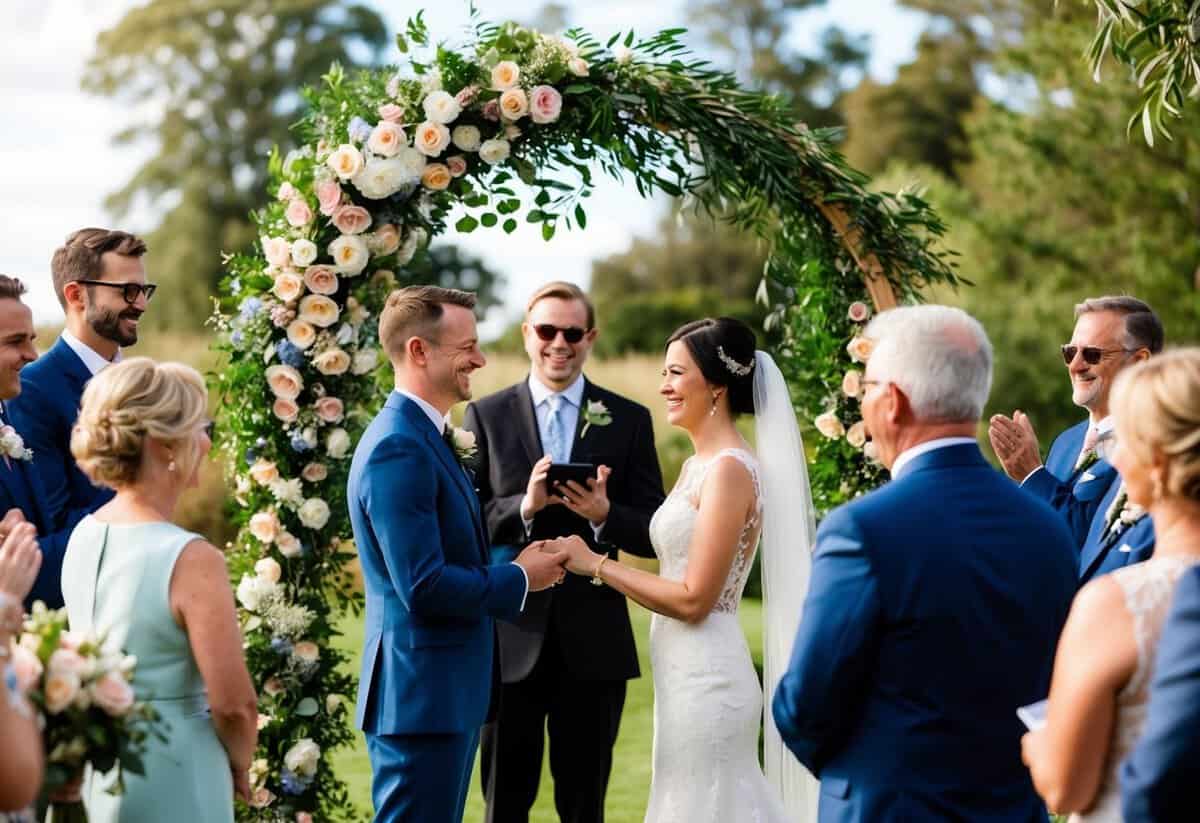
Each celebrant-led wedding is different, allowing your personality to shine through. You can include familiar traditions, like exchanging rings or walking down the aisle, along with modern twists that make your ceremony memorable. It’s all about celebrating your relationship in a way that is uniquely yours.
Planning a personalized ceremony means you are in control. You and your celebrant will work together to craft a script that captures every important moment. This is your chance to create a beautiful event that tells your story and brings your vision to life.
Understanding Celebrant-Led Weddings
Celebrant-led weddings offer a unique and personalized approach to tying the knot. They provide flexibility in ceremony style and content, allowing you to reflect your individual love story and values.
Roles of a Wedding Celebrant
A wedding celebrant plays the central role in your ceremony. Whether you choose a humanist celebrant or an independent celebrant, their job is to craft a ceremony that resonates with you.
Celebrants meet with you before the big day to discuss your preferences and story. They help create a script tailored to your relationship, which may include personal vows and readings. During the ceremony, the celebrant will guide you through each part, keeping it organized and heartfelt.
Their flexibility allows celebration in various settings, such as parks or beaches, making your non-religious wedding feel special.
Types of Celebrant-Led Ceremonies
There are several types of celebrant-led ceremonies. You can choose from a wide range of options that cater to your desires.
-
Humanist Ceremonies: These celebrate love without religious content. They focus on your relationship and shared values.
-
Civil Ceremonies: Often more formal, these can still incorporate personal elements and unique rituals.
-
Symbolic Ceremonies: You might include activities like sand ceremonies or unity candles to represent your bond.
Each type allows you to express your individuality while ensuring that your ceremony is meaningful and memorable.
Comparing Celebrant to Traditional Religious Ceremonies
Celebrant weddings differ significantly from traditional religious ceremonies. One main difference is the level of personalization. With a celebrant, you can customize your ceremony to match your beliefs or lack thereof.
Traditional ceremonies often follow strict formats and religious guidelines, limiting personal touches. In contrast, a celebrant ceremony can be held in various locations and can include a range of rituals that matter to you.
Moreover, celebrants can include non-religious elements, making your day truly yours. You gain greater freedom in how you express your love and commitment, setting it apart from a traditional civil ceremony.
Planning Your Celebrant-Led Wedding
Planning a celebrant-led wedding gives you a unique opportunity to create a meaningful and personalized ceremony. You’ll need to choose the right celebrant, tailor your ceremony script, and select the perfect venue to match your vision.
Finding the Right Celebrant
Choosing a wedding celebrant is one of the most important steps in planning your ceremony. Look for someone who resonates with your values and style.
Questions to Consider:
- Do they have experience with your type of ceremony?
- Are they open to customizing your vows?
- Can they handle legal requirements for your location?
Meet potential celebrants in person or via video chat. This helps you see if there’s a good fit. Read reviews and ask for references. It’s essential that your celebrant makes you feel comfortable and understood, as they play a key role in your big day.
Personalizing Your Ceremony Script
A personalized ceremony script reflects your unique love story. Start by discussing your ideas and visions with your celebrant. Talk about themes, significant moments in your relationship, and any rituals you want to include.
Popular Personalization Ideas:
- Write your own vows or choose readings that are meaningful to you.
- Include family traditions or cultural elements.
- Incorporate music that has a special connection to your journey together.
Your celebrant will guide you through the process. Together, you can design a script that feels authentic and personal to both of you.
Selecting a Venue for Your Ceremony
Choosing the right venue sets the tone for your celebrant-led wedding. Consider places that hold special meaning for you as a couple.
Tips for Venue Selection:
- Check if the venue has outdoor and indoor options. Weather can be unpredictable, especially for destination weddings.
- Ensure that the space accommodates your guest list comfortably.
- Ask if the venue allows for customized setups, like decorations and seating arrangements.
Visit potential venues in person as much as possible. This helps you visualize your ceremony and connect with the space.
The Ceremony Experience
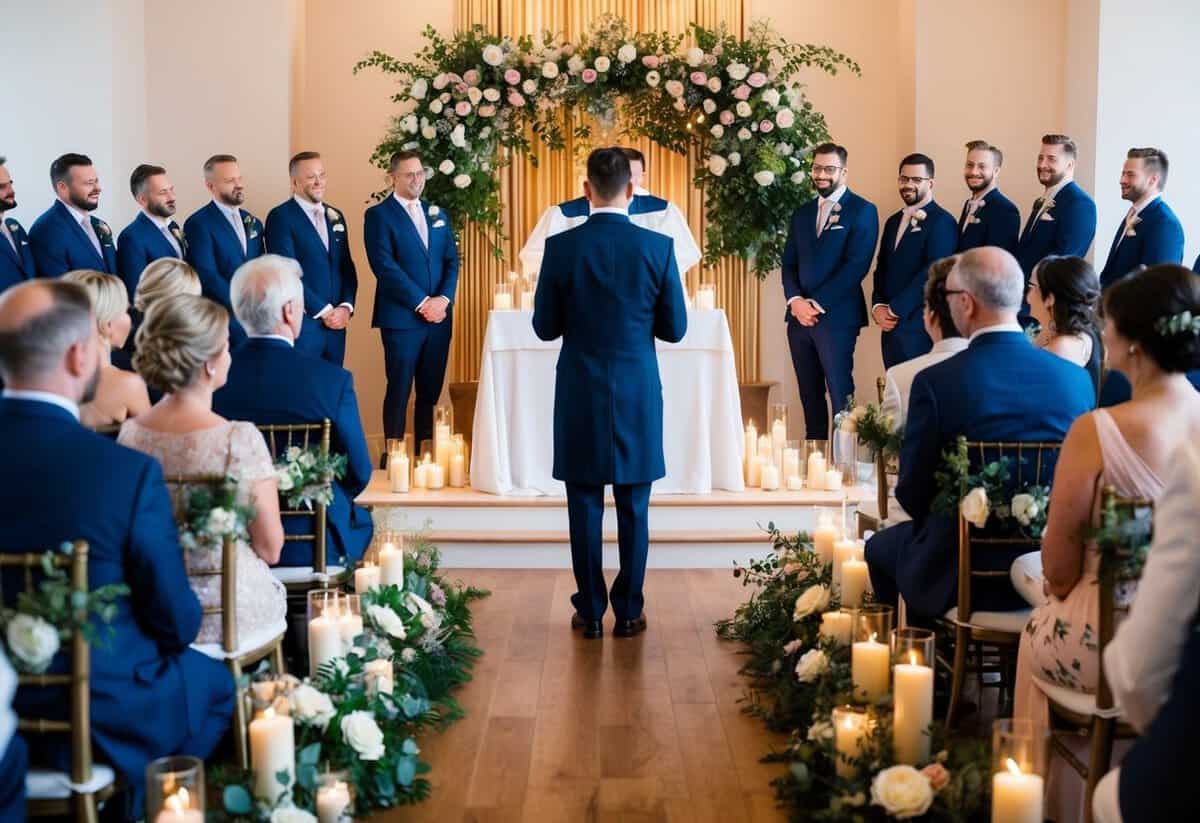
At a celebrant wedding, the ceremony is a chance to create meaningful moments that reflect your love story. You can personalize every detail, from your vows to symbolic acts that unite you as a couple.
Crafting Personalized Vows
Your vows are the heart of your ceremony. Writing personalized vows allows you to express your feelings and promises in a way that resonates with you.
You might share memories, funny stories, or express hopes for the future. This authenticity makes the moment special.
Feel free to include quotes or references that are significant to your relationship. The goal is to speak from the heart, making your vows a treasured part of your wedding day.
Incorporating Symbolic Acts
Symbolic acts can add a beautiful layer to your ceremony. Options like a handfasting or a sand ceremony represent unity in unique ways.
In a handfasting, your hands are tied together, signifying your commitment. A sand ceremony involves pouring different colored sand into one container, symbolizing your individual lives becoming one.
Another thoughtful idea is the unity candle, where you light a central candle together, showing your joined paths. These rituals create lasting memories and deepen the meaning of your ceremony.
Significance of Bespoke Elements
Bespoke elements make your ceremony truly yours. They can include special readings, music selections, or cultural traditions that represent your backgrounds.
Each choice tells your story and reflects what matters most to you. Sharing these aspects invites your guests into your world, making the event more engaging.
It’s all about what feels right to you as a couple and what adds to the celebration of your love. The more personal and unique, the more impactful the experience will be.
Legal Considerations
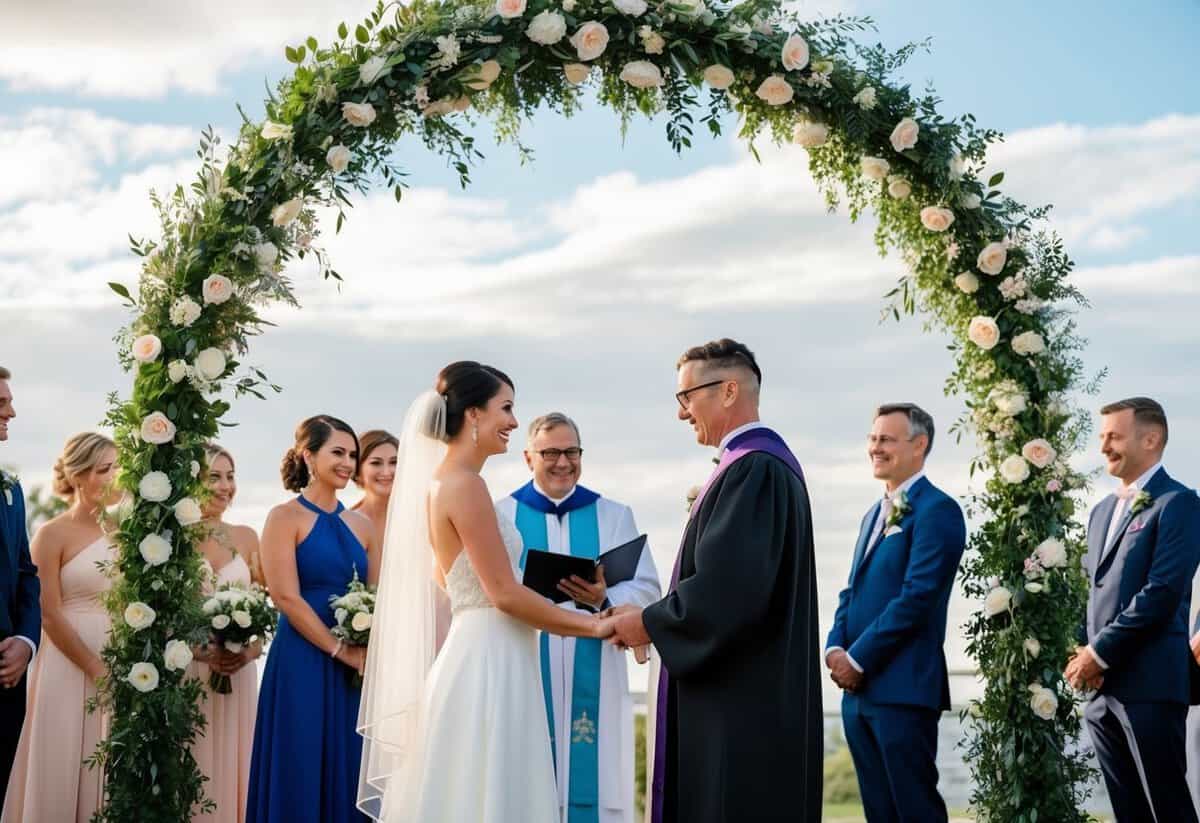
When planning a wedding with a celebrant, understanding the legal aspects is crucial. This ensures that your marriage is recognized by law and that all necessary documents are handled correctly.
Understanding the Legalities
Your wedding must meet specific legal requirements to be valid. A celebrant can guide you through these laws, which vary by location. It’s essential to familiarize yourself with the marriage laws in your area.
You may need to give notice to a local registrar. This usually involves filling out forms that include details about you and your partner. Additionally, celebrants must be authorized to perform marriages in your jurisdiction.
Remember, to have a legally binding marriage, you must ensure that all legal procedures are followed properly to avoid future complications.
Finalizing the Official Paperwork
After your ceremony, you need to complete some legal documents. The celebrant usually prepares the marriage certificate.
You and your partner will need to sign this document during the ceremony. Then, your celebrant will file it with the relevant authority to ensure it is official.
You will receive a wedding certificate that serves as proof of your marriage. This document can be used for various legal reasons, such as changing names or for spousal benefits. Always check that all details are correct on these documents to avoid issues down the line.