
What Happens at a Wedding Rehearsal? A Guide to Preparing for Your Big Day
The wedding rehearsal is an important step in your journey to the big day. During this event, you and your wedding party practice the ceremony to ensure everyone knows what to expect when you walk down the aisle. The rehearsal is your chance to work out the details, calm any nerves, and make sure your wedding day goes as smoothly as possible.
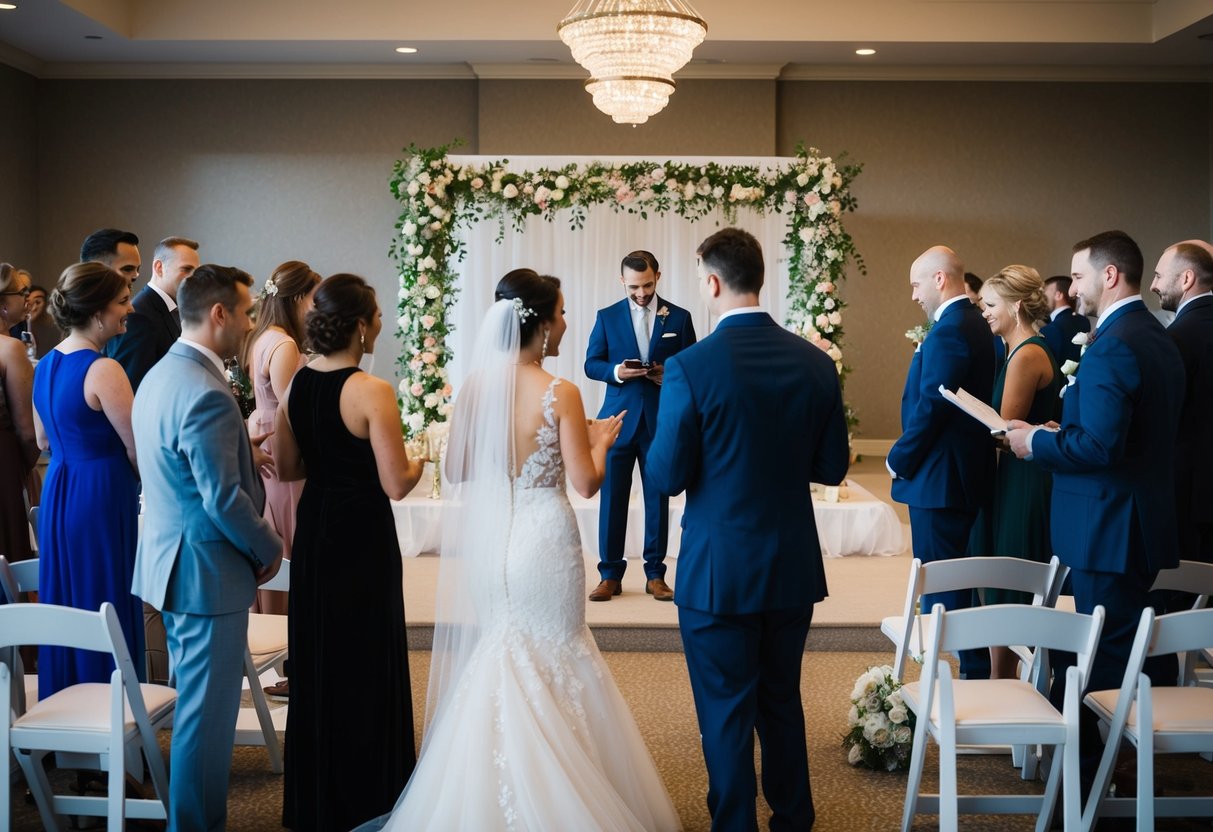
Typically taking about 30–60 minutes, the rehearsal brings everyone together. It’s a time for your officiant to explain the order of events and for the wedding party to familiarize themselves with their roles. This practice helps prevent surprises and creates a comfortable atmosphere for the special day ahead.
Sharing this moment with your loved ones can make the entire wedding experience even more enjoyable. So, make it count! You’ll leave feeling confident and ready to celebrate your love with family and friends.
Preparing for the Rehearsal
Proper preparation sets the stage for a smooth wedding rehearsal. You’ll want to focus on a few key areas: creating a checklist, understanding roles, and setting the schedule. This organization helps ensure that everyone knows what to expect.
Creating the Rehearsal Checklist
A rehearsal checklist helps keep everything organized. Start by listing all the key elements that need to be covered.
Include tasks such as:
- Meeting location: Decide where everyone will gather.
- Rehearsal order: Outline the sequence of events in the ceremony.
- Participants: List who will be involved, including the officiant and wedding party.
Having a clear checklist makes it easier for everyone to remember their responsibilities. Be sure to share this with your wedding planner and officiant so they can add their insights and ensure nothing is missed.
Understanding the Roles
Knowing who does what during the rehearsal is essential. Each person should have a clear role. Here are some important participants to keep in mind:
- Officiant: Leads the rehearsal and clarifies the ceremony structure.
- Wedding planner: Helps coordinate the timing and logistics for the rehearsal.
- Bridal party: Reviews their cues and positioning for the ceremony.
Discussing these roles ahead of time helps avoid confusion and ensures a smooth practice run. Encourage open communication among all participants to address any questions.
Setting the Schedule
Establishing a clear schedule for the rehearsal is vital. Aim to hold the rehearsal during the wedding week, ideally a day or two before the big day.
Here’s a suggested outline for your timing:
- Start time: Choose a convenient start time that allows everyone to attend.
- Duration: Plan for about 1 to 1.5 hours, depending on the size of your wedding party.
- Break down: Include breaks if needed, especially for larger groups.
Circulate this schedule among participants to ensure everyone is on the same page. Timely communication helps everyone manage their time effectively and arrive ready to rehearse.
Conducting the Ceremony Rehearsal
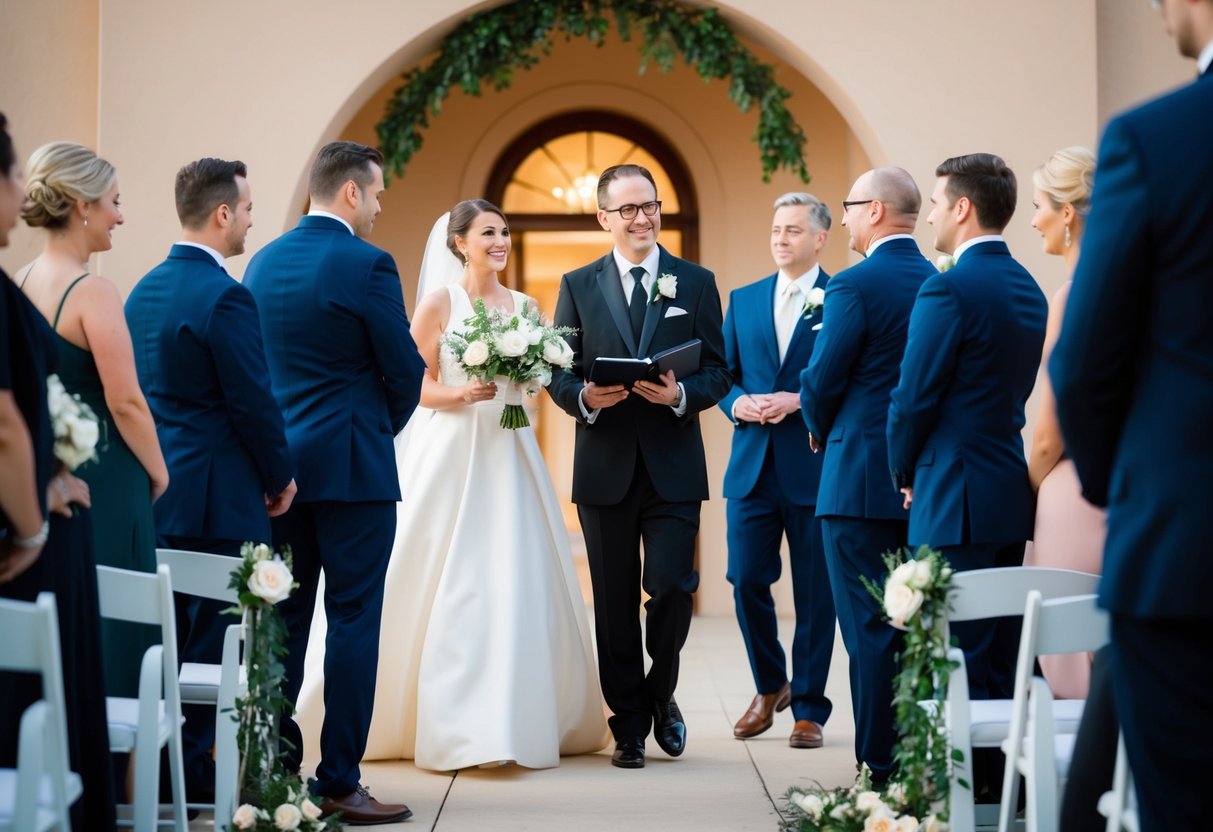
Running a wedding ceremony rehearsal helps everyone feel prepared. By practicing key parts of the ceremony, you can ensure that the day goes smoothly. Three important areas to focus on are the processional and recessional walk-through, the ceremony script run-through, and positioning the wedding party.
Processional and Recessional Walk-through
Start by rehearsing the processional, which is how everyone enters the ceremony. Each person in your wedding party needs to know when to walk and where to stand.
In a typical processional order, you might have:
- Flower girls first
- Followed by ring bearers
- Bridesmaids next
- Then the maid of honor
- Finally, the bride with her escort
Practice walking at a comfortable pace, especially if you have live music or a DJ playing during this moment. After that, run through the recessional, where you exit down the aisle after the vows and readings are completed.
Ceremony Script Run-through
Review the ceremony script with your officiant and wedding party. This includes the vows, any readings, and special rituals.
It’s essential that everyone knows their parts. Make sure each member of the wedding party is clear about when to speak and what to say.
You can create a simple table or list for easier understanding:
| Role | Script Responsibilities |
|---|---|
| Maid of Honor | Holds the bride’s bouquet and may read a passage. |
| Best Man | Holds the rings and makes a toast later. |
| Groomsmen | Stand beside the groom and escort bridesmaids. |
Practicing this section will make everyone feel confident on the big day.
Positioning the Wedding Party
Correct positioning is vital for the ceremony’s flow. Ensure everyone knows where to stand during the ceremony.
Typically, the groom and best man stand at the front. The bridesmaids are usually on the bride’s side, while groomsmen are on the groom’s side.
Be sure to discuss where the flower girls and ring bearers will go during the vows. Also, double-check if your officiant needs to be in a specific spot, especially if you want to create beautiful photo opportunities.
The Rehearsal Dinner
The rehearsal dinner is a special event that follows the wedding rehearsal. It’s a chance for the wedding party, family, and close friends to gather, share a meal, and celebrate. Here’s what you need to know about planning, invitations, and dress codes.
Planning the Dinner
When planning the rehearsal dinner, consider the size of your wedding party. A smaller gathering may allow for a cozy dinner at a restaurant, while larger groups might require a more spacious venue.
Choose a time that fits well after the rehearsal, often in the evening. Think about a menu that suits everyone’s tastes, including vegetarian or gluten-free options. You might want to add special touches, like a toast or a personalized slideshow, to make it memorable.
Sending Invitations
Rehearsal dinner invitations can be sent out as soon as wedding invitations are mailed. It’s polite to invite everyone involved in the wedding party, along with any close family members.
You can send formal invitations or opt for a more casual message via email or a group chat. Make sure to include details like the date, time, venue, and any additional instructions. If children are invited, be sure to mention it.
Deciding the Dress Code
The dress code for the rehearsal dinner can set the tone for the evening. Consider a casual look if you’re hosting a relaxed dinner at home or a more formal attire for a restaurant setting.
Communicate the dress code clearly in your invitations. Some couples prefer to keep it semi-formal, while others embrace a themed approach. It’s helpful to choose something comfortable, allowing everyone to enjoy the evening without feeling too formal.
Final Thoughts and Tips
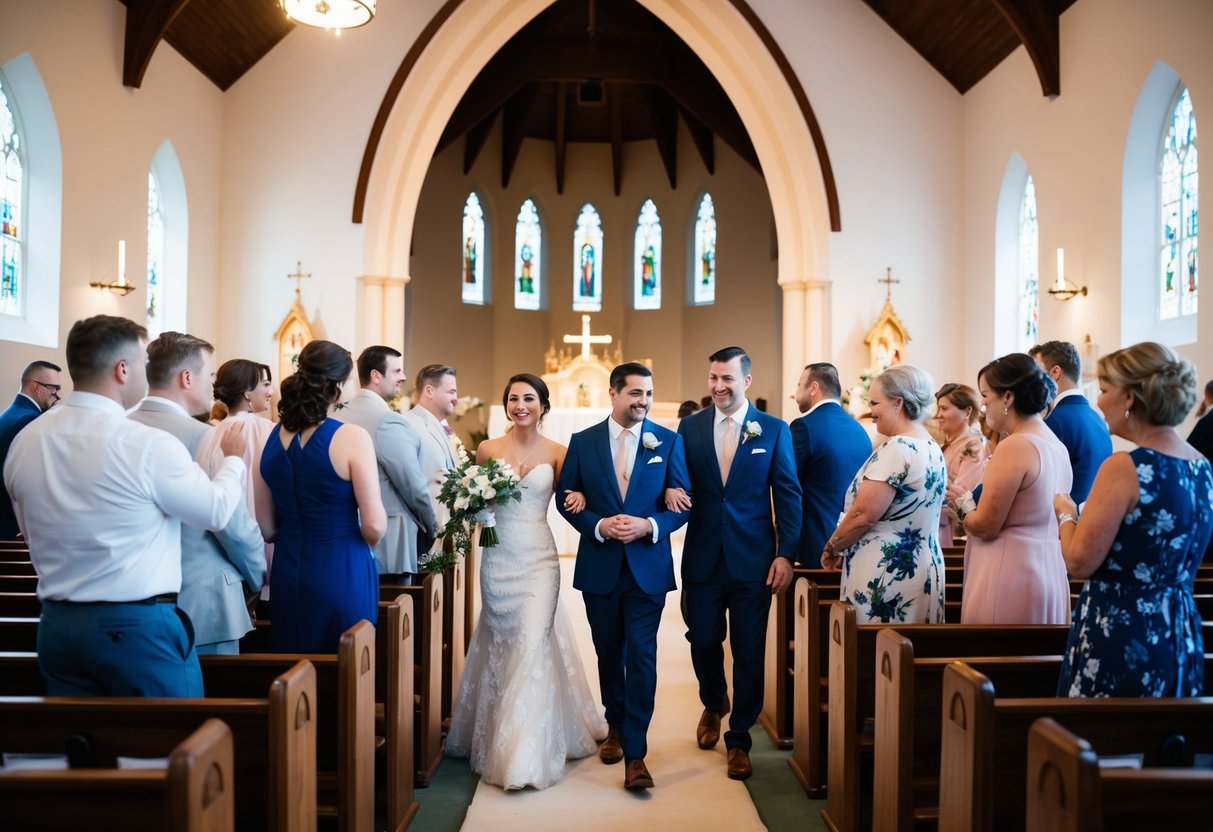
Attending a wedding rehearsal is key to a smooth celebration. Here are some helpful tips as you prepare.
Be On Time
Punctuality is important. Arrive early to ensure everything starts on schedule and to ease any nerves.
Stick to Your Checklist
A wedding rehearsal checklist can help you remember important details. Key items include:
- Assigning roles for ushers, readers, and child attendants
- Confirming the wedding processional order
- Reviewing how the receiving line will work
Know Your Venue
Familiarize yourself with the wedding venue. Walk through the space to understand where everything happens, from the ceremony to the reception.
Communicate with Your Officiant
Meet with your officiant to clarify ceremony details. Discuss any rituals or special moments, like exchanging rings.
Support for the Couple
Make sure the bride and groom feel supported. The best man and wedding planner should help keep spirits high and address any last-minute concerns.
Include Musician Notes
If you have musicians, discuss their timing for the ceremony. Clear communication will help create the perfect atmosphere.