
What Happens If Someone Says No at Your Wedding? Navigating Unexpected Moments with Grace
Weddings are often filled with love and joy, but sometimes unexpected moments can occur. If someone says “no” during your wedding, it can cause confusion and tension.
In most cases, the ceremony will pause while the officiant addresses the situation. This allows for a brief conversation to clarify the objection. Understanding how to handle this situation can help you navigate this potentially awkward moment smoothly.
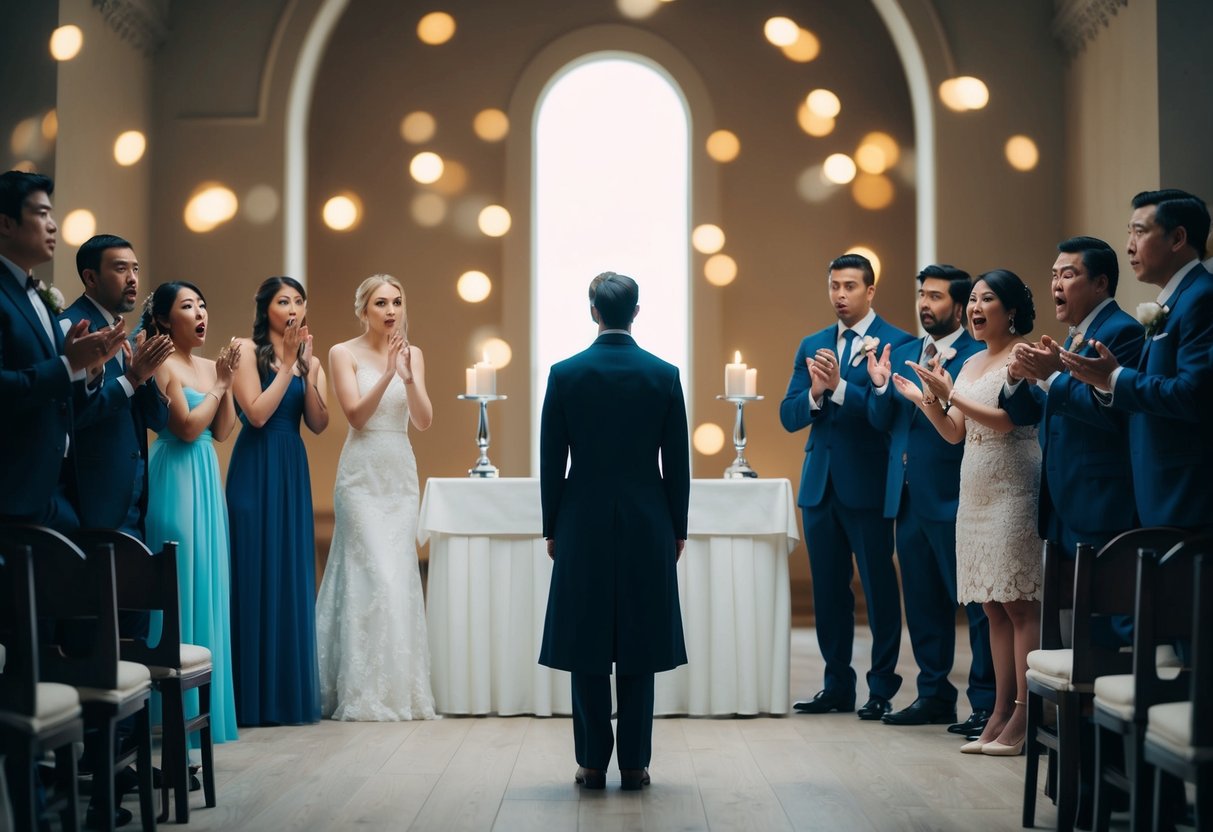
When someone objects, it typically revolves around legal concerns rather than personal feelings. This means the officiant will likely ask for a moment to talk privately with the person who objected. You can then decide how to proceed with the ceremony, often without needing to take it too seriously.
Knowing what to expect can ease your mind as your special day approaches. By being prepared for all possibilities, you can focus on celebrating your love and making lasting memories.
Understanding Wedding Objections
When it comes to wedding objections, understanding their context and legal implications is crucial. You might encounter phrases like “speak now or forever hold your peace,” which can raise questions about what it means if someone speaks up during your ceremony.
Historical Context of ‘Speak Now or Forever Hold Your Peace’
The phrase “speak now or forever hold your peace” has deep roots in wedding traditions. It lets guests voice any concerns about the marriage before it becomes official. Historically, this was important to ensure that all lawful impediments were revealed.
This concept comes from English law, where it was once necessary to confirm that there were no legal issues, like existing marriages or close relations, that could prevent a valid union. Although many ceremonies still include this phrase, some couples choose to skip it if they are not religious or if it feels outdated.
Legal Reasons for Objecting to a Marriage
Wedding objections are typically based on legal reasons rather than personal feelings. A valid objection must relate to a lawful impediment, such as a lack of a marriage license or an existing marriage.
If someone does object, the officiant is required to pause the ceremony to address the concern. This is essential to ensure that the union is legally sound. If the objection is valid, it may prevent the marriage from proceeding. Thus, it’s important for everyone involved to understand the significance of this moment during traditional marriage vows.
Roles and Responsibilities During the Ceremony
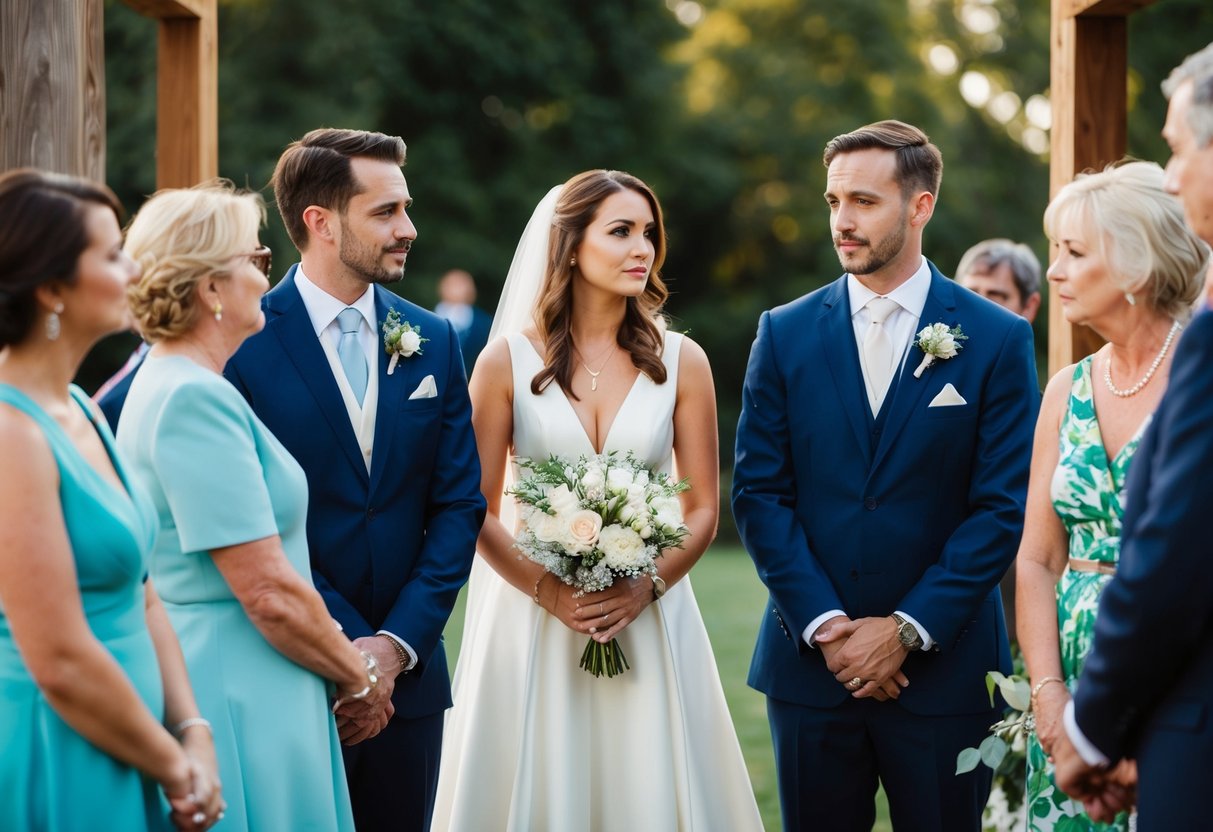
During the wedding ceremony, the officiant plays a crucial role in ensuring everything goes smoothly. They are responsible for guiding the couple and handling any unexpected situations, such as objections.
The Officiant’s Duties in Handling Objections
When an objection occurs, the officiant must remain calm and composed. Their role includes assessing the situation quickly. This usually involves asking the person objecting to explain their concerns.
The officiant should know the couple’s wishes and previous discussions regarding objections. They can use a pre-arranged plan to respond.
Clear communication is key to making sure that everyone feels respected. If necessary, the officiant might pause the ceremony to address the issue privately.
In some cases, they may choose to continue with the ceremony, reminding everyone present of the couple’s commitment. Being fair and understanding helps maintain the ceremony’s tone, ensuring it’s a special day for all.
Expectations from Wedding Officiants in Various Churches
Different churches have unique traditions and guidelines regarding weddings. If the ceremony takes place in an Episcopal Church, for example, officiants use the Book of Common Prayer. This book outlines the marriage liturgy and sets a structured tone for the ceremony.
Wedding officiants in various settings are expected to be familiar with their church’s rules. This knowledge helps them guide the service effectively. They should also be prepared for questions from guests and handle them appropriately.
Church officiants often have training in addressing objections. Their goal is to ensure everyone’s feelings are considered while respecting the couple’s wishes. Having these skills contributes to a welcoming atmosphere during your ceremony.
Potential Consequences of Objecting at a Wedding
Objecting at a wedding can lead to serious legal and personal outcomes. This section explores the possible legal implications and how it can affect your relationships with others.
Legal Implications of a Public Objection
When someone objects at your wedding, it’s important to understand the potential legal consequences. An objection usually must be based on a valid legal reason, such as bigamy or lack of consent. If the objection is serious, it could even lead to an annulment if the marriage is not legally valid.
In some cases, emotional objections, like those from a jilted lover or a disapproving family member, might not hold legal weight. However, a public objection can cause a significant delay in the ceremony. The officiant may need to pause proceedings while addressing the objection.
It’s vital to remember that emotional claims that do not meet legal criteria will generally not stop the wedding from proceeding.
Personal Impact on Relationships
A public objection can create lasting tension among family and friends. If someone you know expresses opposition, it could result in hurt feelings and lingering resentments.
A jilted lover or upset family member might feel compelled to speak out, affecting how everyone involved views the situation.
Relationships can suffer from misunderstandings. Supporting a friend or relative who objects might strain your bond with the couple. Conversely, if you are the couple, the objection could alienate you from those who agreed with the objector.
It’s essential to consider the impact on your social circles and how to navigate those relationships in the future.
Guidance for Couples Preparing for Their Big Day
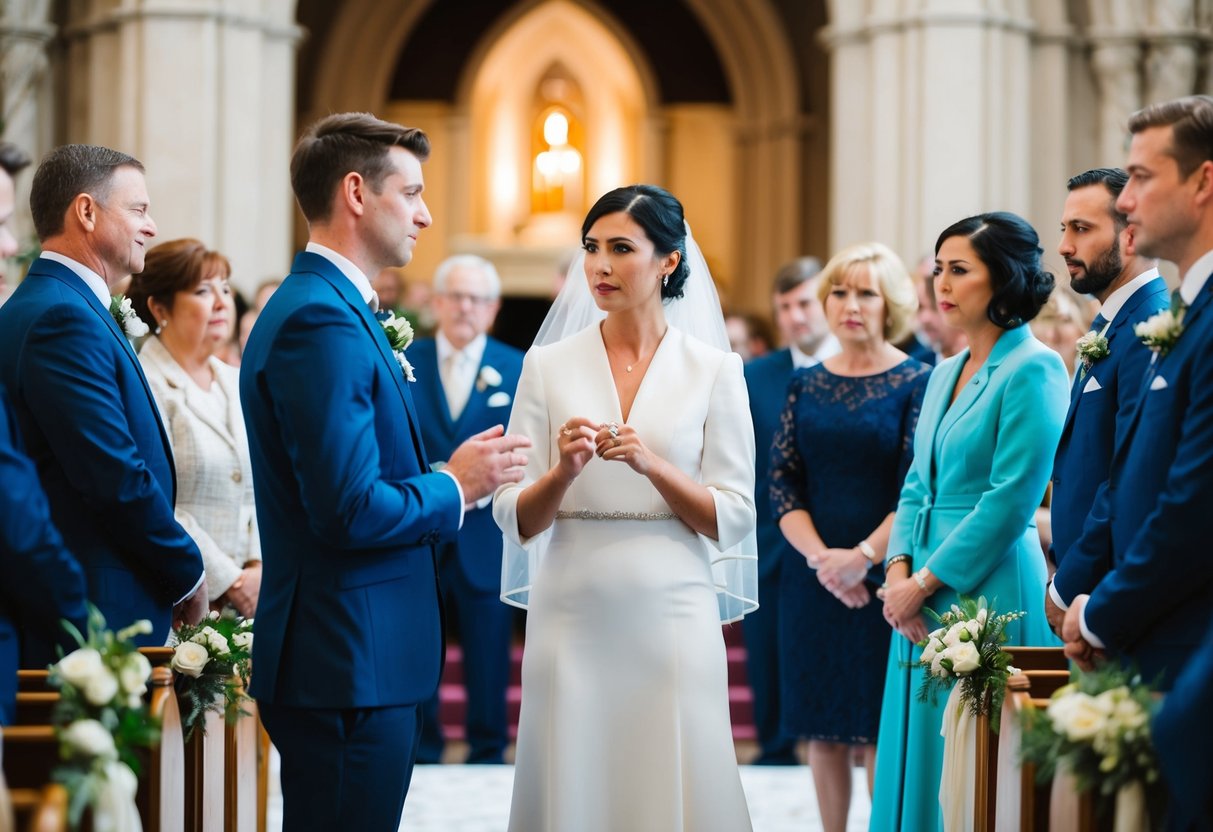
Preparing for your wedding day involves thoughtful planning and clear communication. Knowing how to manage your guest list and work effectively with a wedding planner can make a big difference in avoiding potential challenges.
Communicating with Guests and Vetting the Guest List
Your guest list is a key part of your wedding. Take time to carefully vet it. Include people who truly support your relationship. This creates a positive atmosphere.
When inviting guests, clear communication is vital. Send out invitations well in advance. This way, you can get confirmations early. If someone has personal reasons for not attending, it’s important to respect their choice.
Tips for managing your guest list:
- Send save-the-dates early to gauge interest.
- Ask for input from your partner on the guest list.
- Be prepared for questions and concerns from friends and family about the event.
Working with a Wedding Planner to Anticipate Challenges
A wedding planner can significantly ease the stress of planning your big day. They bring experience and knowledge to help you anticipate and address potential challenges.
Choose a planner who understands your vision for a dream wedding. Discuss scenarios, including what happens if someone says no at the altar. With a solid wedding script, you’ll be ready for unexpected situations.
Key points for working with a wedding planner:
- Regular meetings to discuss progress and concerns.
- Creating a backup plan for each step of your wedding.
- Trusting their expertise to navigate tricky guest situations.
With good planning and open communication, you can enjoy your special day with confidence.