
What Happens If You Don’t Write Your Own Vows? Exploring the Impact on Your Wedding Day
Choosing not to write your own vows might feel like a big decision. You may worry that this choice will affect the emotional depth of your ceremony. Using traditional vows can still create a meaningful experience that reflects your love and commitment without the stress of crafting personalized promises.
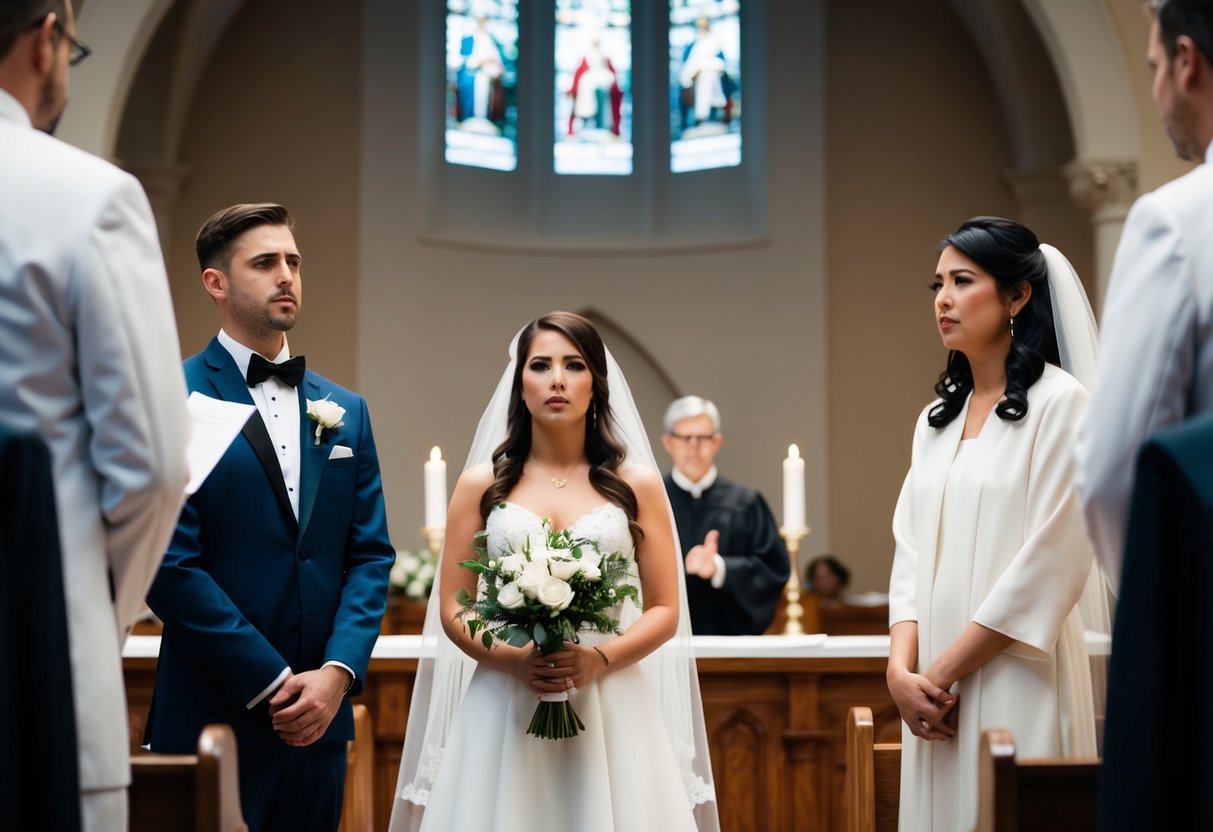
Many couples find comfort in selecting well-known vows that express timeless sentiments. This option can ease the pressure you might feel during wedding planning while ensuring that your ceremony remains authentic and heartfelt.
If you’re leaning towards traditional vows, remember that they have a rich history and can still resonate deeply with both you and your partner.
The Importance of Vows in a Wedding Ceremony
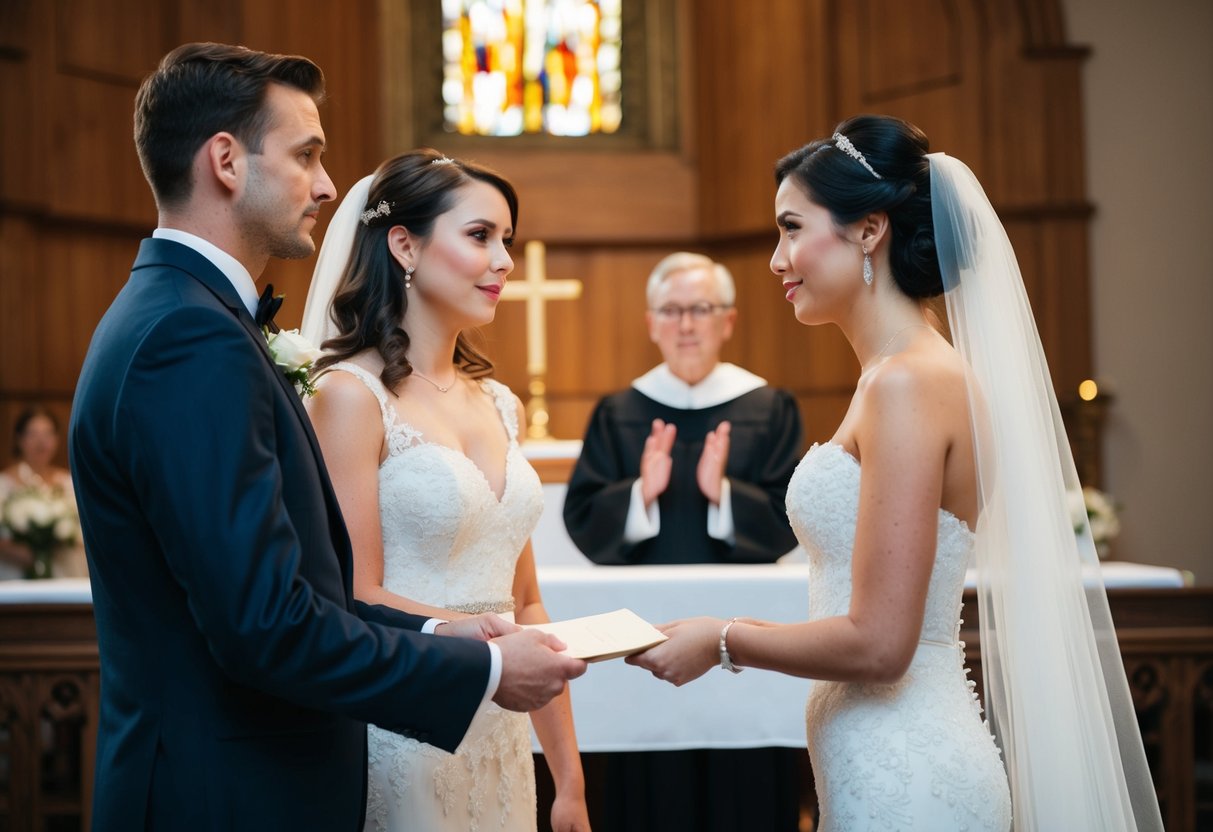
Wedding vows hold significant meaning in a wedding ceremony. They symbolize your commitment and love for your partner. Whether you choose traditional vows or create personal ones, each plays a vital role in expressing your feelings and promises.
Understanding the Role of Vows
Vows are essential in a wedding ceremony because they articulate the promises you make to each other. This moment is often one of the most emotional parts of the event.
The vows you exchange set the tone for your marriage. They reflect your values, hopes, and dedication. Many couples choose to express their unique bond by crafting personal vows, making the moment special and memorable.
Even if you decide to stick with traditional vows, it’s important to remember their historical context. They have been used for centuries and carry deep meaning.
Traditional Vows Versus Personal Vows
Choosing between traditional and personal vows can shape your ceremony. Traditional vows offer a sense of continuity and connection to the past. They are beautifully crafted expressions of love that have stood the test of time.
On the other hand, personal vows allow for creativity and individuality. You can share specific stories, jokes, or promises that resonate with your relationship.
Both types of vows have their charm. Traditional vows might comfort some couples, while others may feel personal vows better capture their relationship’s essence. It’s all about what feels right for you.
Consequences of Not Writing Your Own Vows
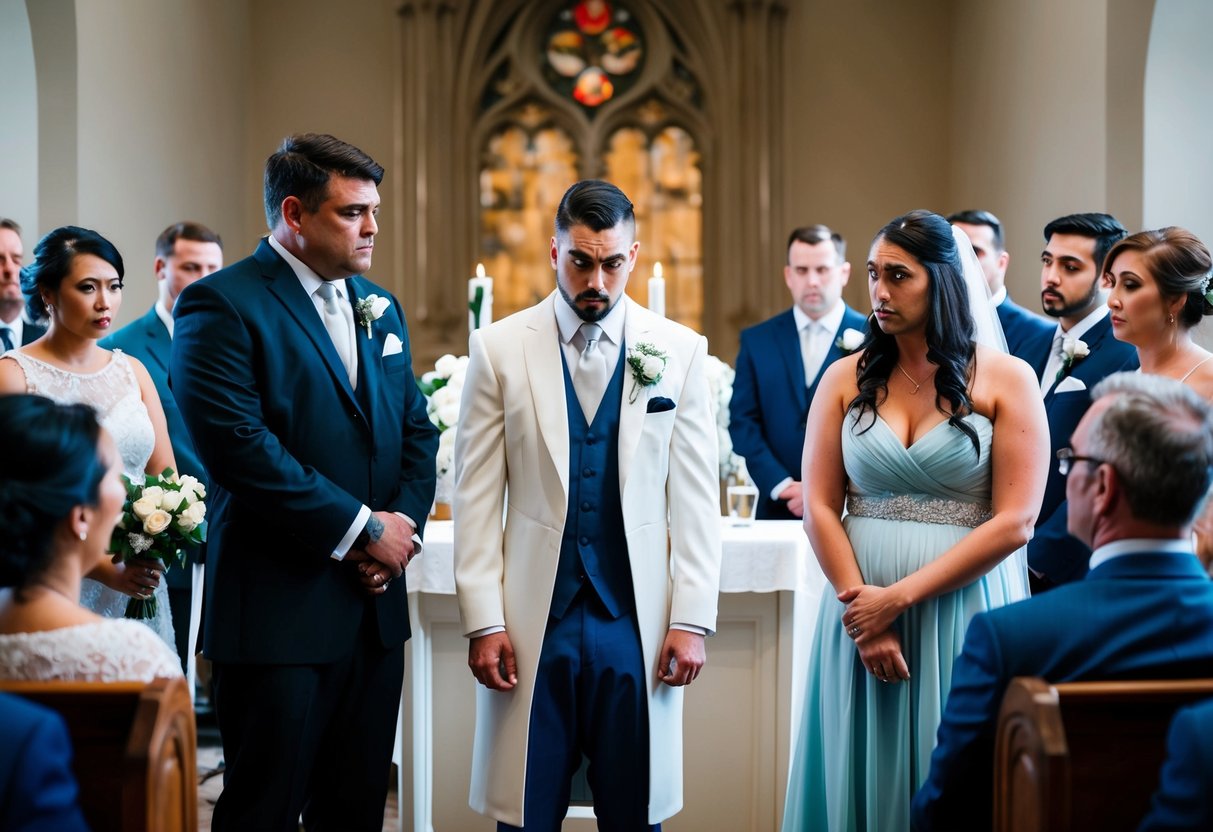
Choosing not to write your own vows can have significant effects on your wedding ceremony. It can shape the emotional tone of your commitment. You may find yourself relying heavily on what is provided, which can impact the uniqueness of your moment.
Relying on Pre-Written Vows
When you use pre-written vows, you depend on traditional words. These vows can be meaningful but might not express your personal feelings completely.
Using standard vows can make your ceremony feel less intimate. It might be harder for your partner to connect with the promises when they don’t come from your heart.
You could miss the chance to show how much your relationship means to you. If you’re looking for specific sentiments, traditional vows might not fit your relationship perfectly.
Missing the Personal Touch
By not writing your own vows, you lose the opportunity to add personal anecdotes. Including shared experiences or inside jokes can make your vows truly special.
Pre-written vows often lack the unique details that speak to your journey as a couple. That personal touch can make your promises resonate more deeply with your partner and your guests.
The lack of personalization may also lead to feelings of disconnection during the ceremony. Guests might not fully appreciate the bond you share without those unique words. This can reduce the emotional impact of your commitment.
The Process of Writing Vows
Writing your own wedding vows can feel overwhelming, but it is a chance to express your love story. It allows you to create personal promises that reflect your unique relationship. Here are some steps to help you get started and find inspiration.
Getting Started with Your Vows
Begin by setting aside some quiet time to think about your feelings. Reflect on your love story and think about special moments you’ve shared.
Write down what you admire about your partner. Consider their strengths and how they make you feel. This list can help guide your vows.
Once you have your thoughts organized, draft a rough version. Don’t worry about getting it perfect; just focus on being sincere and heartfelt. Remember, this is about your journey together.
After writing, read your vows aloud. This will help you ensure they sound right and resonate with your emotions. Revise as needed until you feel happy with what you’ve created.
Using Vow Examples for Inspiration
Looking at vow examples can spark your creativity. Many websites offer collections of vows to inspire you. Use them as a guide, but aim to personalize what you choose.
A good technique is to mix and match phrases from different examples. Combine what resonates with your relationship. For instance, you can adapt traditional vows or mix in your own words.
You might also create a vow booklet. This booklet can include the examples you like, along with your own ideas. It will serve as a helpful tool when drafting your vows.
Don’t hesitate to share your drafts with a trusted friend for feedback. They can provide insight and help you refine your vows into something truly meaningful.
Integrating Vows into Your Wedding Plans
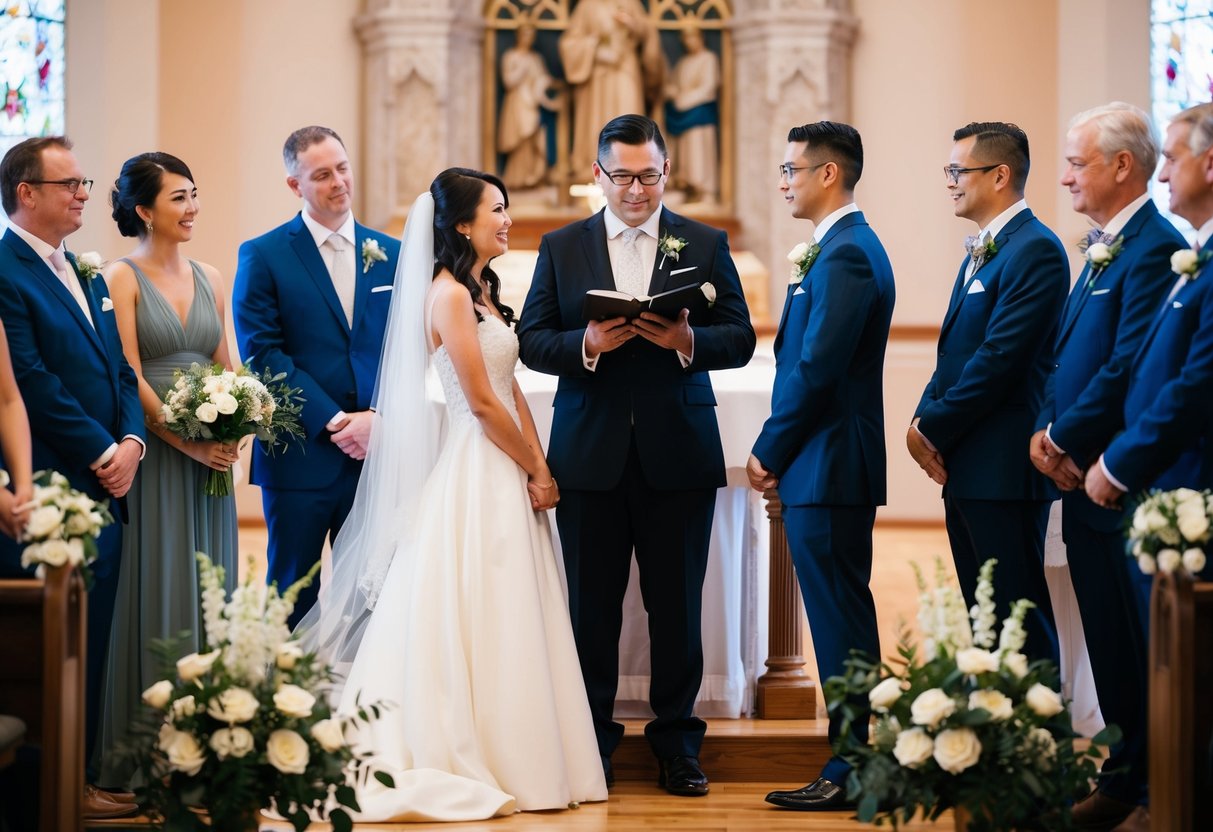
When planning your wedding, the vows you choose can play a significant role in your ceremony. You have options that can create a memorable experience. Whether you decide to write your own vows or use traditional ones, thoughtful integration is key to a smooth ceremony.
Collaborating with Your Wedding Officiant
Your wedding officiant is an important partner in your planning process. They can help you understand the flow of the ceremony and how your vows fit into it.
If you opt for personalized wedding vows, share them ahead of time with your officiant. This allows them to create a seamless transition between different parts of the ceremony.
If you choose traditional wedding vows, your officiant can guide you on how to incorporate them meaningfully. Discuss any specific preferences or traditions you’d like to include. This collaboration ensures that your vows reflect your personality and journey as a couple.
Capturing Your Planning Journey
Documenting your planning journey can make the experience more enjoyable. You can create a wedding planner or scrapbook that highlights your thoughts and ideas about your vows.
Consider including notes on why you chose to write your own vows or selected traditional ones. Share your writing process with your partner, even if you are using existing vows.
This not only preserves memories but also helps both of you reflect on your commitment. Taking photos during the planning can also capture special moments. This way, you’ll have a beautiful keepsake to cherish long after the big day.