
What Happens to the Engagement Ring When You Get Married? Understanding Its Role and Significance
When you tie the knot, you might wonder what happens to your engagement ring. Typically, you can wear the engagement ring alongside your wedding band, symbolizing your commitment and love. Some people choose to wear the engagement ring on the right hand during the ceremony and switch it back afterward. This keeps both pieces of jewelry close to your heart.
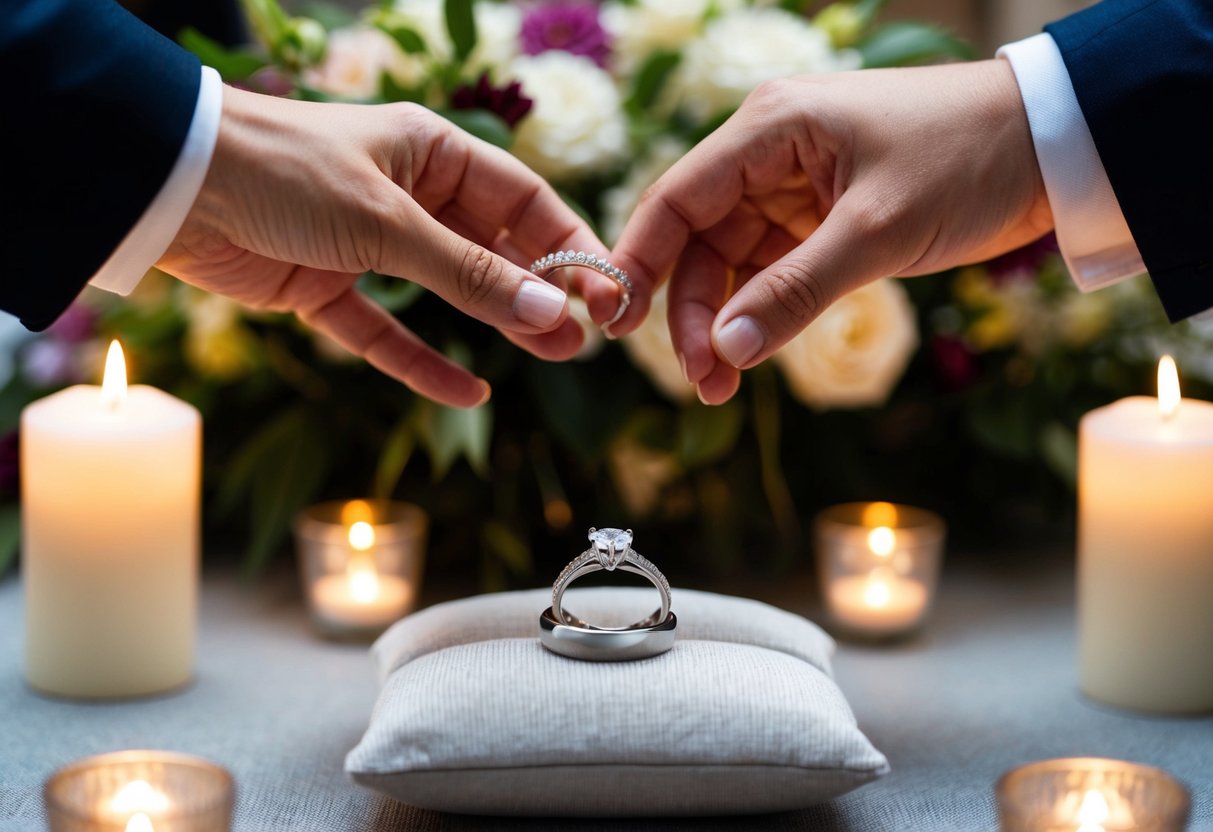
Others might decide to keep the engagement ring stored away as a sentimental keepsake. This option allows you to cherish the memories tied to the ring without wearing it daily. It’s all about what feels right for you as you embrace your new journey in marriage.
No matter what you choose, your engagement ring holds a special place in your heart. It represents a significant moment in your life and is a lovely reminder of the love you share.
The Meaning and Symbolism of the Engagement Ring
Engagement rings are rich in meaning and symbolism. They represent love, commitment, and the promise of a future together. Understanding their significance can enhance the emotional bond you share with your partner.
Symbol of Love and Commitment
The engagement ring is a powerful symbol of love and commitment. When you receive or give an engagement ring, it signifies a promise to cherish and support each other. The circle shape of the ring represents eternity, showing that your love has no end.
Each ring carries personal meaning based on your relationship. Whether it’s a specific design, gemstone, or style, your choices reflect your shared values and preferences. This personal touch makes the ring even more special. As you wear it, you are reminded of the love and commitment you share.
Engagement Rings Through History
The tradition of giving engagement rings dates back thousands of years. Ancient Egyptians believed the circular shape symbolized eternity. They exchanged rings made from natural materials like reeds and leather.
The custom evolved through time and across cultures. In Roman times, rings became a marker of ownership and fidelity. By the Middle Ages, diamonds became popular due to their rarity and beauty, symbolizing deep love.
Today, many couples choose rings that reflect their personal style, blending tradition with modern tastes. Whether you prefer a classic diamond or a unique gemstone, the engagement ring continues to be a cherished symbol of your promise to each other.
Engagement Ring Etiquette and Choices Post-Wedding
After getting married, what you do with your engagement ring can vary based on your personal style and cultural traditions. You have several options for wearing it, and understanding these choices can help you decide what feels best for you.
Wearing Engagement Ring After Marriage
Many brides wonder if they should continue wearing their engagement ring after the wedding ceremony. The choice is yours! Some women prefer to wear both the engagement ring and the wedding band together. This can create a beautiful stacked look on your finger.
Alternatively, you might choose to move the engagement ring to your right hand. This way, you can still showcase the ring without it being the main focus. Think about what makes you feel comfortable in your new married life.
Various Ways to Wear the Engagement Ring
When it comes to wearing your engagement ring post-wedding, there are a few popular methods:
- Together: Wear both the wedding band and engagement ring on the same finger. This is a classic choice.
- Separate Hands: Assign your engagement ring to your right hand. This keeps it visible and stylish without cluttering your left hand.
- On a Chain: Some opt to wear the engagement ring on a necklace for a unique twist.
Each method allows you to reflect your style while keeping the sentimental value of the ring alive. Choose what feels right for you!
Cultural and Personal Influences
Cultural traditions play an important role in deciding how to wear your engagement ring after the wedding. In some cultures, it is customary to wear the wedding band on top of the engagement ring, while in others, the order may vary.
Personal choice also affects this decision. Consider your lifestyle, work environment, and how you feel about displaying your rings. Listen to your instincts and think about what representation feels most true to you. Adjust your choices based on what you cherish most about the rings and your relationship.
The Integration of Engagement and Wedding Rings
When it comes to your engagement and wedding rings, the way you wear them can hold special meaning. This section will explore how to combine them on your fourth finger and how to transform the engagement ring over time for a unique look.
Combining Rings on the Fourth Finger
Many people choose to wear both their engagement ring and wedding band on the fourth finger of the left hand. This traditional method signifies your commitment and the transition to marriage.
You can wear the wedding band closest to your heart, followed by the engagement ring. This setup emphasizes the love represented by both rings. Some like to swap them, placing the engagement ring on top for special occasions.
Combining your rings can also allow for unique design possibilities. Whether you prefer a classic stacked look or a more creative arrangement, the choice is yours!
Transforming the Engagement Ring Over Time
As time passes, you may want to update or transform your engagement ring. A popular option is to create a combined ring that features both your wedding band and engagement ring in a cohesive design.
This could involve integrating gemstones or metals, allowing you to refresh the look without losing the sentimental value.
Another idea is to wear the engagement ring as a pendant or pin for special events. This offers a great way to keep the ring close without wearing it on your finger. Ultimately, how you choose to integrate these rings can reflect your style and the journey of your relationship.
Customizing Your Ring Experience
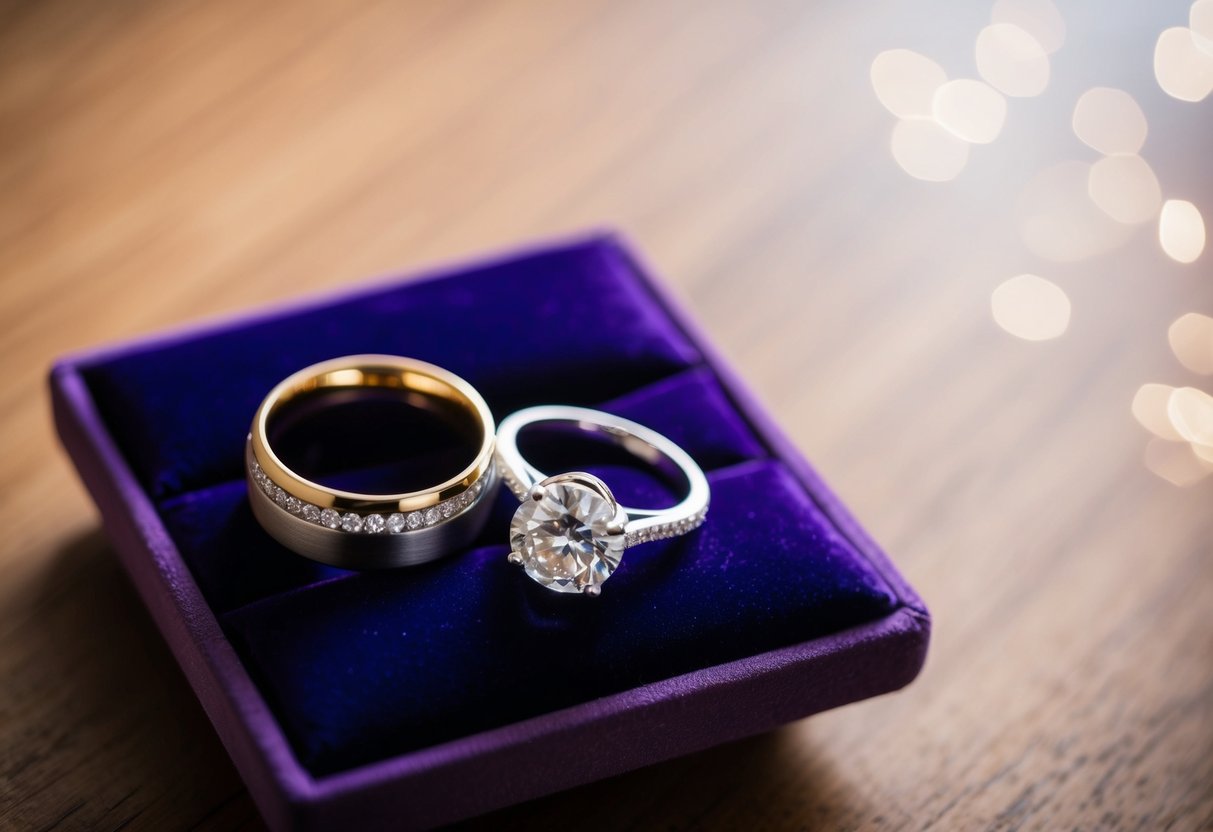
Personalizing your engagement ring can make it a special part of your love story. You have options to create a ring that reflects your unique journey and adds sentimental value. Here are two important ways to customize your ring experience.
Engagement Rings as Heirlooms and Keepsakes
Choosing an engagement ring that can be passed down as a family heirloom adds meaning. You might consider classic designs that embody simplicity and elegance. A timeless piece can be cherished by future generations. Some couples decide to use stones or metals that have special significance, perhaps from a family member’s ring.
Customizing your ring can also include engravings. You could inscribe a meaningful date or phrase that reminds you of your love story. This not only adds a personal touch but gives it sentimental value. When you choose a design that reflects your family’s history, the ring becomes more than just jewelry—it tells a story.
Adapting Ring Styles to Personal Narratives
Your engagement ring can showcase your unique love story. Cultural influences can play a big role in the style you select.
For example, certain cultures have traditional designs that symbolize love and commitment. Consider designing a ring that tells your narrative. You might mix elements from various styles, such as a pendant-shaped stone surrounded by diamonds for added sparkle.
This creates a personalized piece that feels one-of-a-kind. Exploring options like stacking rings or adding a bracelet can also give your look a creative flair. Think about the stories you want the ring to convey.
Each choice you make—whether it’s the type of stone or the setting—can reflect your journey together. You’re crafting a piece with deep meaning, making it truly yours.