
What Happens to Wedding Rings After Divorce? Understanding Your Options and Rights
Deciding what to do with your wedding ring after a divorce can be a tough choice. The fate of your wedding ring often depends on state laws regarding property division and any agreements made prior to your marriage. You might feel a mix of emotions as you ponder whether to keep, sell, or transform the ring into something new.
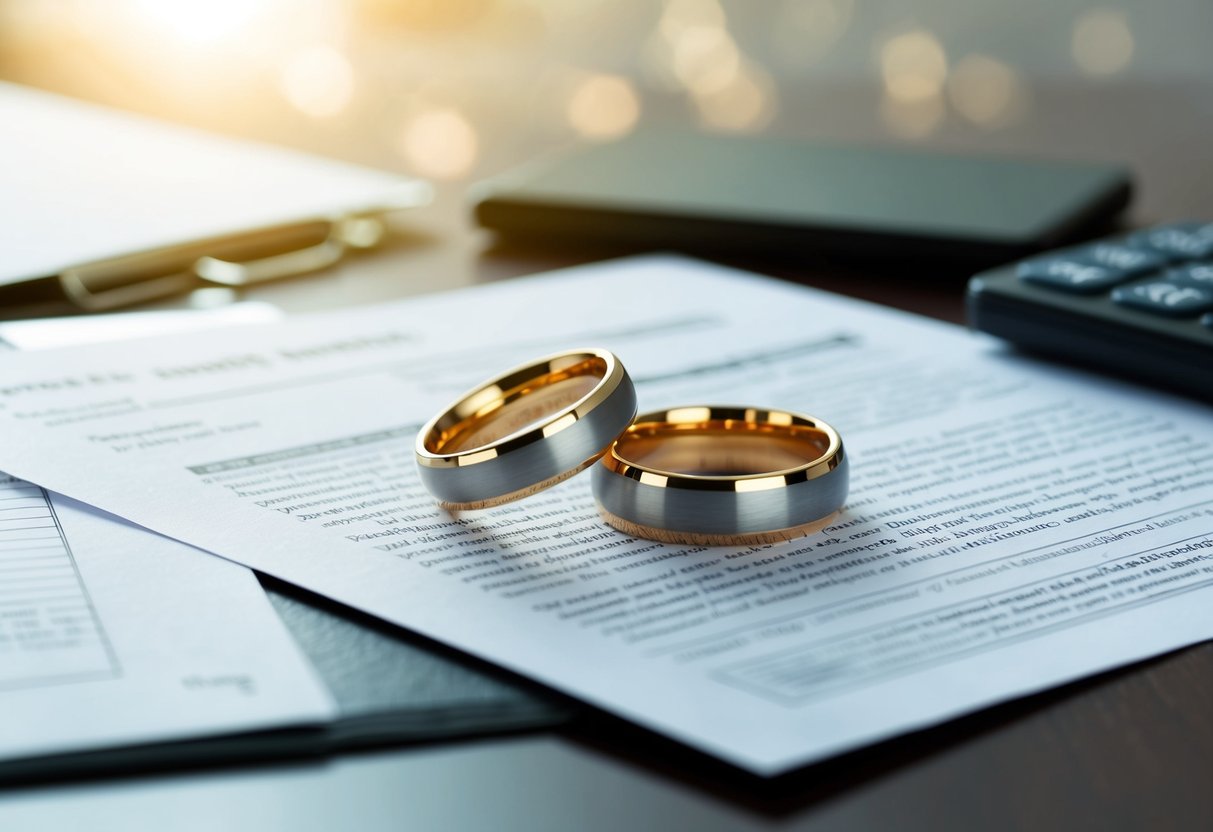
Many people find that selling their rings can provide a fresh start or help relieve financial stress. Others choose to keep the ring as a memento, turning it into a piece of jewelry they wear proudly.
As you navigate this decision, consider what feels right for you and your future.
Understanding your options is key. You may not realize that factors like when the ring was given and its emotional significance can play significant roles in your decision.
Exploring these aspects can help you find a solution that brings you closure and peace.
Understanding Wedding Rings in the Context of Divorce
When a marriage ends, the fate of wedding rings can bring up many questions. The rings may be viewed as symbols of union, but legal aspects determine who keeps them. You need to understand the laws that apply to your situation, as well as any agreements made during the marriage.
Legal Status of Rings After Divorce
The legal status of wedding and engagement rings can vary based on different factors. In many cases, these rings are considered gifts given during the marriage. This means they belong to the recipient under state gift laws.
Typically, the ring’s ownership can be influenced by divorce laws in your state. For instance, some states follow community property rules, while others use equitable distribution standards.
It’s essential to check your state’s laws to know where you stand.
Distinction Between Marital and Separate Property
One key aspect of divorce is the distinction between marital and separate property. Marital property refers to assets acquired during the marriage, while separate property includes items owned before the marriage.
Wedding rings can fall into either category, depending on when they were given and how they were treated. For example, if the engagement ring was a family heirloom passed down to you, it may be considered separate property.
Understanding this distinction can help you navigate the divorce process more smoothly.
Community Property vs. Equitable Distribution
The way wedding rings are divided can depend on whether your state follows community property or equitable distribution rules. In community property states, assets acquired during the marriage are split 50/50. This means you may have a claim to your spouse’s wedding ring if it was bought during the marriage.
In equitable distribution states, the court decides what is fair, which could mean you keep your ring or share its value.
Knowing your state’s classification is crucial for making informed decisions during divorce.
Role of Prenuptial Agreements and Conditional Gifts
Prenuptial agreements can play an important role in determining what happens to wedding rings after divorce. If you have a prenup that specifically outlines how these items will be divided, you’ll need to follow those terms.
Additionally, if the ring was given as a conditional gift, it might have stipulations tied to the marriage. For example, a ring given under the condition of marriage may revert to the giver if the marriage ends.
Understanding these agreements can clarify your rights and responsibilities regarding the rings you once cherished.
What to Do With the Wedding Ring After Divorce
Deciding what to do with your wedding ring after a divorce can be a meaningful choice. You have several options, each with its own considerations for sentimental value, financial gain, and personal significance.
Keeping It for Sentimental Reasons
If your wedding ring holds a lot of memories for you, keeping it might be a good choice. You can store it in a special box or display it in a way that brings you comfort. Many people find that holding onto the ring can help them process their feelings about the relationship.
Consider the emotions tied to the ring. It might remind you of happy times, or it could symbolize your journey. Just ensure that keeping it doesn’t hinder your ability to move on.
Some choose to pass the ring down to family members later. This can transform a painful symbol into a treasured heirloom.
Selling Your Wedding Ring
Selling your wedding ring can be a practical option. If you need extra cash or want to start fresh, selling it allows you to make financial decisions that can aid your new chapter.
Before you decide to sell, get the ring appraised to understand its value.
You can sell your ring in various ways. Consider online marketplaces, jewelry stores, or local jewelers. Many people find success by placing ads in local newspapers or on social media.
Make sure to research so that you get a fair price. Be ready to negotiate, as the first offer might not meet your expectations.
Repurposing the Ring
Repurposing your wedding ring can give it a new life. Instead of seeing it as a reminder of the past, you can transform it into something that fits your current style.
Many jewelers can help redesign the ring into a new piece of jewelry, like a necklace or earrings.
Think about what kind of piece you’d wear often. This can make the sentimental aspect more positive, as you’ll be using something that brings you joy. You might also consider using the materials to create a piece for a loved one.
Repurposing allows you to keep a part of your past while embracing a future that’s uniquely yours.
Donating to a Worthy Cause
If you’re looking for a selfless option, consider donating your wedding ring to a worthy cause. Many charities accept jewelry, which can be sold to fund programs helping those in need.
Research organizations that resonate with your values. Some charities focus on women’s shelters, while others support health research or educational programs. Your donation could make a meaningful impact.
Before donating, inquire about what types of jewelry they accept and how the funds will be used. This way, you’ll feel good knowing your ring will serve a purpose beyond its original intention.
Navigating Emotional and Practical Aspects
Deciding what to do with your wedding ring after divorce can bring up many feelings and choices. It’s important to think about both the emotional connections you have and the practical sides of this decision.
Dealing with Sentimental Value
It’s common to feel sentimental about your wedding ring. This piece of jewelry often holds memories and emotions tied to your marriage. You might want to keep it as a reminder of a past time, or you may feel it’s best to let it go.
Consider your feelings deeply. Ask yourself if keeping the ring brings you comfort or pain. If you choose to keep it, think about ideas like using it in a new jewelry piece or placing it in a safe spot. If you decide to give it back or sell it, remember it’s okay to let go and take a step toward healing.
Consulting a Divorce Attorney or Mediator
Before making decisions about the ring, it’s wise to talk to a divorce attorney or mediator. They can help you understand the legal implications of keeping or selling the ring.
Laws vary by location, and an expert can provide clarity on what steps you might need to take.
Your attorney can also guide you on whether the ring is considered marital property. This can affect how you handle it during the divorce process. Remember, having the right information can help you make the best choice.
Moving Forward After the Divorce
Once the court finalizes the divorce, you need to think about how to move forward. You might feel a mix of relief and sadness. If you have decided to keep or sell the ring, focus on what this means for your new life.
Consider using the proceeds from selling the ring to invest in something meaningful to you. It could be a class, a trip, or even savings for future goals. Moving forward can involve new opportunities and adventures. Embrace this journey, knowing that each decision will help you grow.