
What Hour Should You Get Married? Tips for Choosing the Perfect Time
Choosing the right time for your wedding can set the tone for your entire day. Many couples wonder about the perfect hour to say “I do.” A good rule of thumb is to aim for a start time between 4:00 p.m. and 6:00 p.m. This allows for beautiful sunset photos and ensures your guests are relaxed and ready to celebrate.
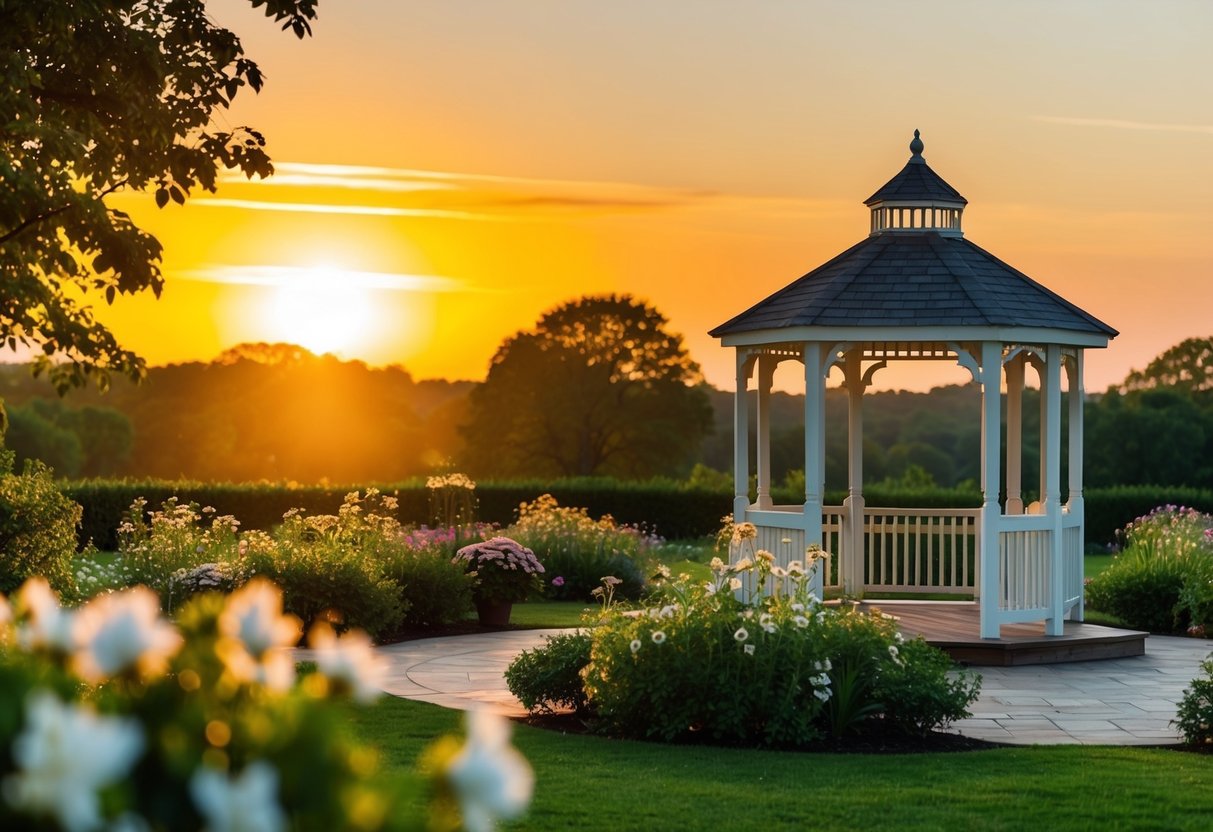
Consider the time of year and the venue when planning your ceremony.
An outdoor wedding in peak summer may call for an earlier start to avoid the heat, while a fall or winter wedding might offer more flexibility. The season and sunset timing can greatly affect your wedding timeline.
Think about what feels right for you and your partner. Reflect on your style and preferences while also considering your guests’ experience. The right time can create lasting memories for everyone involved.
Choosing Your Wedding Timeline
Planning your wedding timeline is crucial for a smooth and enjoyable day.
Consider the start time of your ceremony, the coordination with your photographer, and when to schedule your ‘first look‘ and family photos. These elements can affect everything from your mood to your photo opportunities.
Understanding the Significance of Ceremony Start Time
The start time of your ceremony sets the tone for your entire day. Most couples choose to have their ceremonies between 2 p.m. and 5 p.m. for afternoon weddings or 5 p.m. to 7 p.m. for evening ones.
Keep in mind the season and the sunset time on your wedding day. A later ceremony means you’ll have lovely, soft lighting for photos, while an earlier start can create a more casual vibe. You want your guests to feel comfortable and engaged.
Coordinating with Your Photographer
Your photographer will play a key role in your wedding day timeline. They need to know when to arrive and how much time to allocate for various shots.
Plan a detailed schedule so your photographer can capture those special moments without feeling rushed.
Schedule time for getting ready photos, pre-ceremony shots, and candid moments during the reception. A good rule of thumb is to allow at least 30-45 minutes after the ceremony for family and couple portraits.
Timing Your ‘First Look’ and Family Photos
Scheduling a ‘first look’ can be a great way to ease pre-ceremony nerves. This moment allows you to see each other privately before the ceremony.
By planning your ‘first look’ at least one hour before the ceremony, you can maximize your photo time. This way, you can capture those intimate moments without feeling rushed right before the ceremony starts. Afterward, allocate ample time for family photos to ensure everyone is included without feeling stressed.
Deciding on the Perfect Ceremony Light
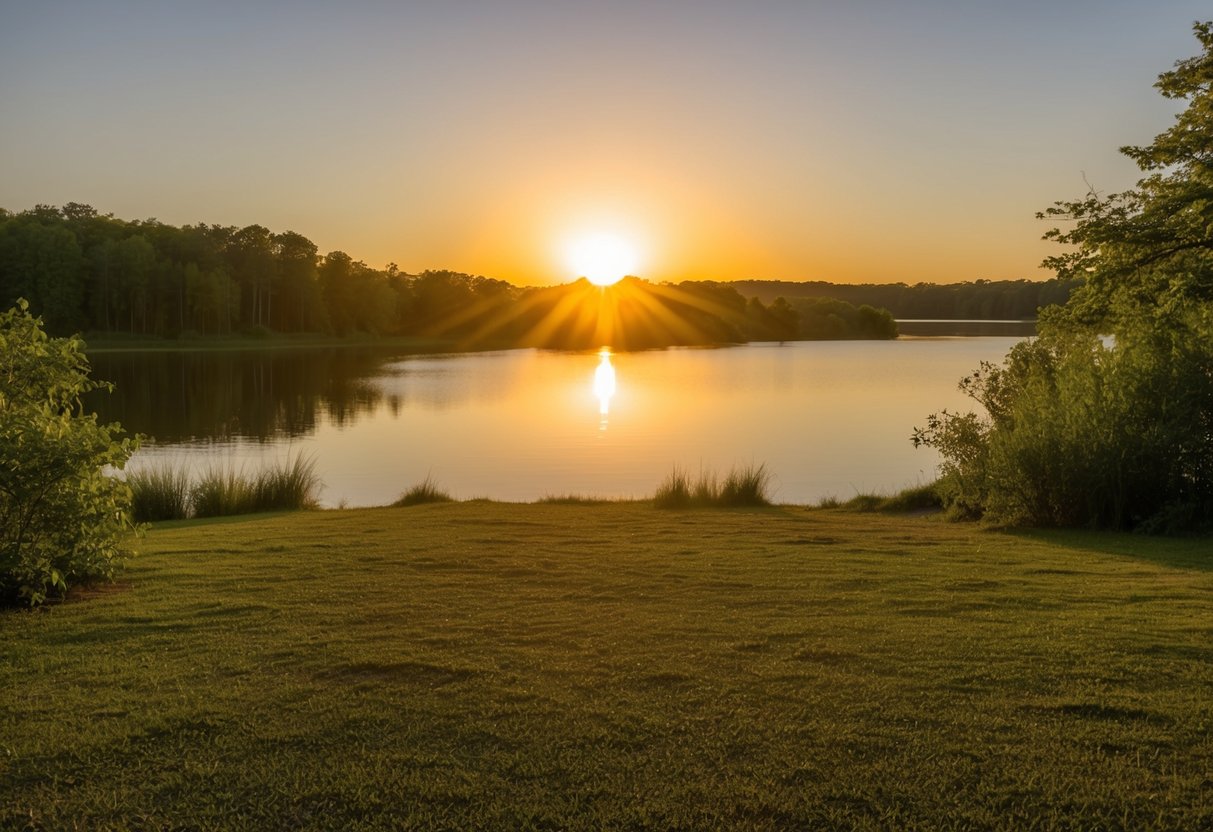
Choosing the right time for your wedding ceremony can greatly impact the atmosphere and your photos. Lighting plays a key role in setting the mood. Here are some important factors to consider when deciding how and when to hold your ceremony.
Benefits of a Golden-Hour Ceremony
Golden hour happens shortly before sunset when the light is soft and warm. This time can give your wedding photos a beautiful glow. It’s perfect for capturing tender moments between you and your partner.
Holding your ceremony during this time allows for stunning backdrops. The colors can create dreamy effects in images, making them truly memorable. Plus, the lighting is gentle on the skin, which is important for photographs.
Remember that golden hour varies by season and location. Be sure to check the sunset time for your chosen date. Once you know this, scheduling your ceremony about an hour before sunset is ideal.
Considering Natural Light for Your Outdoor Wedding
For an outdoor wedding, natural light enhances the beauty of your venue. It adds a lively, fresh feel to your celebration.
Planning your ceremony when the sun is high can lead to bright, vibrant photos. However, too much direct sunlight can cause harsh shadows. These can be unflattering in pictures.
Instead, an earlier afternoon ceremony can provide softer light while still allowing ample time for festivities.
Keep in mind the location of your outdoor space. Trees or structures can create shade, making it more comfortable for you and your guests. Consider how each element affects the lighting scheme for a pleasant experience on your big day.
Scheduling Events Around Guest Comfort
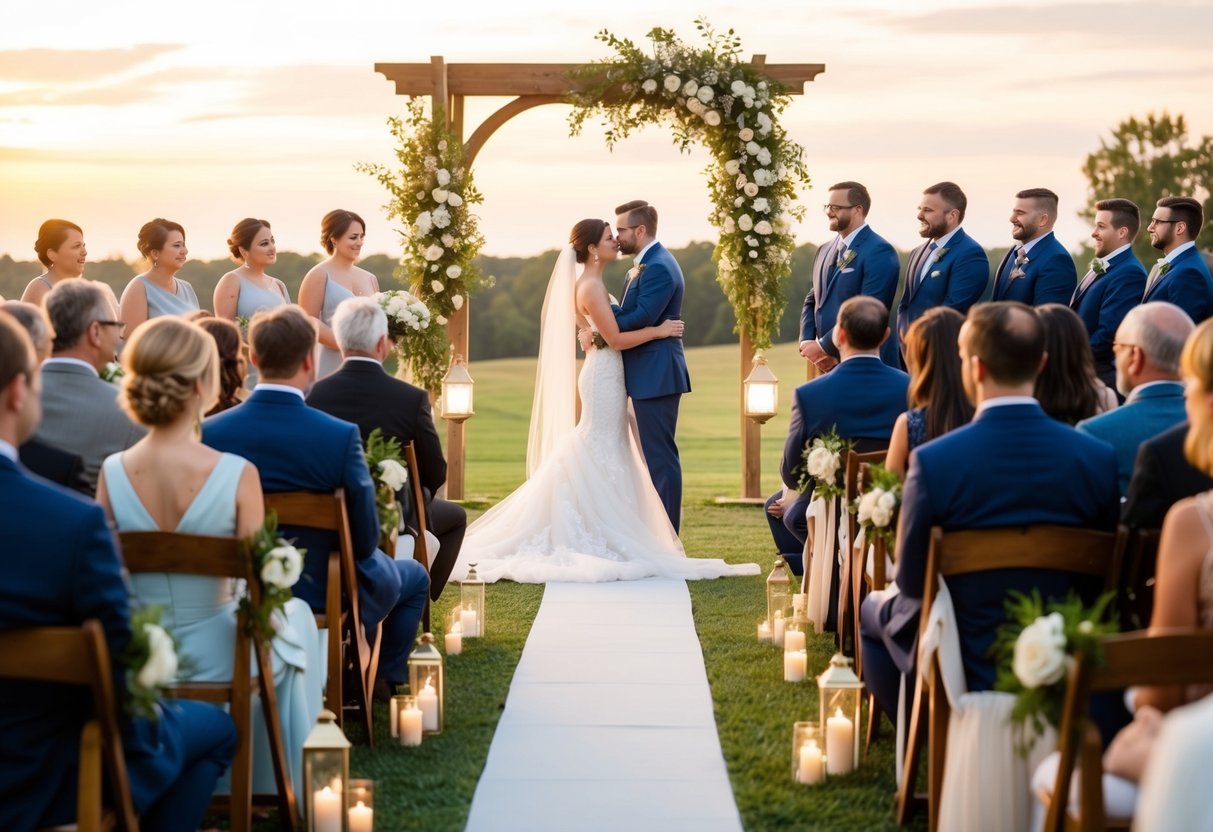
When planning your wedding, consider the comfort of your guests. A thoughtful schedule can make a big difference in their experience. You want to create a pleasant atmosphere that allows everyone to enjoy the day.
Avoiding the Noon Sun for Guest Satisfaction
If you’re considering a noon wedding, think twice. The sun can be bright and hot, making it uncomfortable for your guests.
Many people dislike sitting in direct sunlight for too long. Instead, consider starting your ceremony in the late afternoon or early evening. This way, guests can enjoy milder temperatures and a more pleasant setting.
For outdoor weddings, provide shaded areas. Offer fans or cold beverages during the ceremony. This thoughtful planning shows your guests that you care about their comfort as much as your special day.
Creating a Smooth Transition into Cocktail Hour
A smooth transition from the ceremony to cocktail hour keeps your guests happy and engaged. After the vows, allow time for family and friends to congratulate you.
You might aim to start cocktail hour 30 minutes after the ceremony ends. This gives your guests time to mingle and enjoy appetizers.
Make sure the cocktail hour location is clearly marked, especially if it’s separate from the ceremony site. You can consider having signage or ushers to guide guests. This approach helps avoid confusion and keeps the flow of the day seamless.
Paying attention to these details ensures that your guests feel comfortable and included throughout your wedding.