
What Is a Basic Wedding Budget? A Guide to Planning Your Big Day Affordably
Creating a basic wedding budget is essential for any couple planning their big day. A wedding budget typically includes all your expected expenses, helping you manage costs and prevent overspending. By understanding where your money will go, you can make informed decisions that reflect your priorities and dreams.
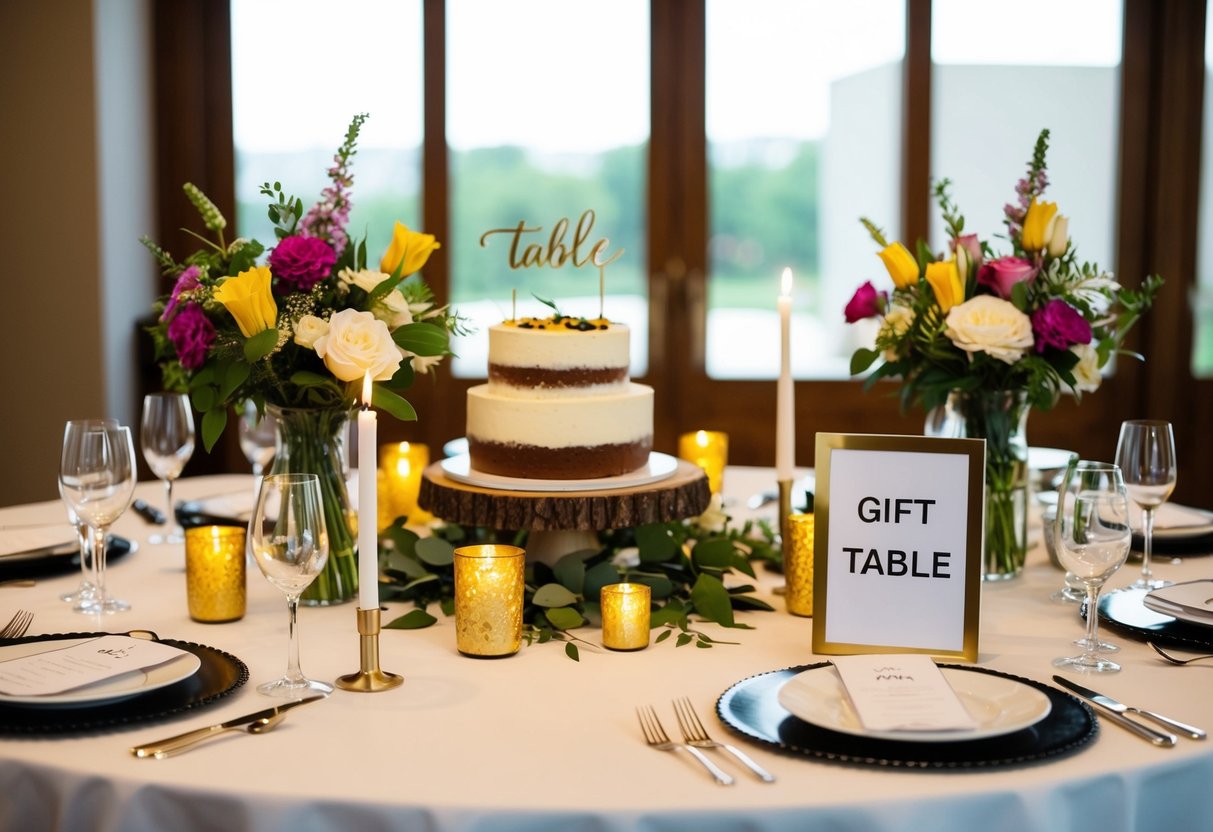
The average wedding cost can vary widely, depending on factors like location, guest count, and style. Knowing the typical budget breakdown can simplify the planning process and guide you in allocating funds for venue, catering, attire, and more. This approach not only helps you stick to your budget but also ensures you don’t miss any important details.
As you embark on your wedding planning journey, having a clear budget in mind can ease your stress and allow you to focus on what truly matters: celebrating your love with friends and family. With the right plan, you can enjoy the process and create lasting memories without financial worries.
Setting Your Wedding Budget
Creating a wedding budget is an important first step in planning your special day. It helps you understand costs and prioritize what matters most. Here’s a closer look at how to set your wedding budget effectively.
Understanding Costs and Establishing Priorities
Start by listing all potential wedding costs. These can include venue rental, catering, photography, and attire. The average cost of a wedding varies widely, but knowing typical expenses helps in planning.
Next, prioritize items that are most important to you. For example, if photography is crucial, allocate more funds there. Use a percentage-based approach; a common breakdown might allocate 40% to the venue, 20% to catering, and smaller amounts for other services. Make a list of your top priorities and balance this with your realistic budget.
Utilizing a Wedding Budget Calculator
A wedding budget calculator can simplify your planning. Many websites offer free tools to help you track how much you need to save. These calculators allow you to input your total budget and estimate costs for each category.
Using a template is beneficial. You’ll enter your desired amounts and see how they stack against your overall budget. Adjusting figures is easy, ensuring you stay within your means. Some calculators even provide payment reminders, which can help you manage finances over time.
Creating a Wedding Budget Checklist
Creating a checklist is a practical way to stay organized. Start by breaking down each category of your budget, like venue, flowers, and entertainment. Make sure to include estimates for each line item.
For example:
- Venue: 40%
- Catering: 20%
- Photography: 10%
- Attire: 10%
- Flowers & Decor: 5%
- Entertainment: 5%
- Miscellaneous: 5%
Keep this checklist handy as you book vendors. This helps ensure you don’t miss important costs and can adjust as needed. Having a clear outline will make this exciting process more manageable.
Major Wedding Expenses
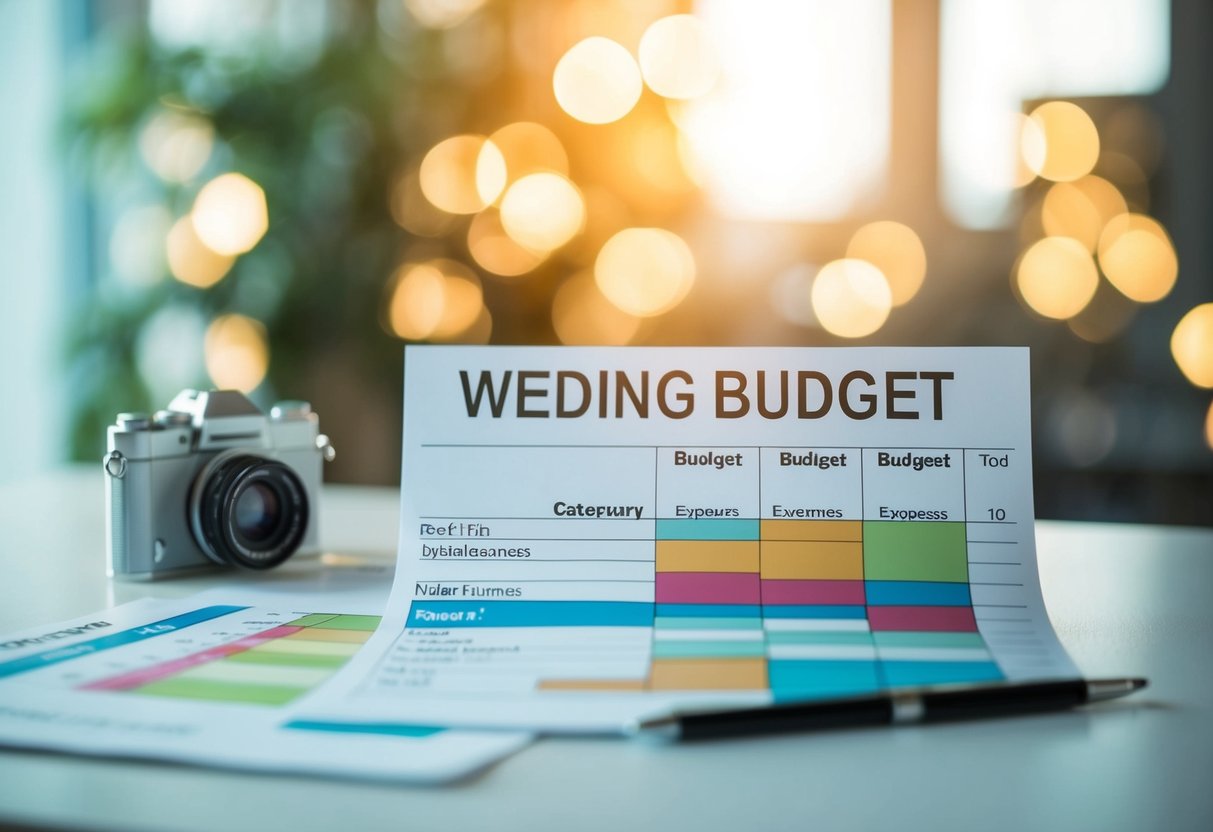
When planning your wedding, several key expenses will take up a significant portion of your budget. Understanding these can help you make informed decisions and prioritize what matters most to you.
Selecting the Right Venue
Choosing the right venue is crucial. This will not only set the tone for your day but also influence other costs. Most couples spend about 30% of their budget on the venue alone.
Factors to consider include location, capacity, and ambiance. Popular options include banquet halls, outdoor gardens, or unique spaces like warehouses. Make sure to ask about what is included in the rental fee. Some venues provide tables, chairs, and decor while others do not.
Also, consider the time of year and day of the week. Off-peak seasons can offer significant savings. Look for venues that allow for flexibility with their packages.
Catering and Menu Planning
Catering is another major expense that usually takes up about 25-30% of your budget. Start by deciding between seated meals, buffets, or food stations. Your choice will affect both the cost and the guests’ experience.
Don’t forget to plan for appetizers, desserts, and drinks. Ask potential caterers for sample menus and pricing options. Compare quotes and remember to consider additional costs like taxes and gratuity.
Also, consider dietary restrictions. Offering vegetarian or gluten-free options can make all of your guests feel included. You might also want to add a signature drink to personalize the experience.
Photography and Videography Essentials
Capturing your special day should also be a priority. Photography and videography expenses typically take up about 10-15% of your budget. Investing in these services allows you to relive those moments for years to come.
When choosing a photographer or videographer, look for samples of their work. Ensure their style matches what you envision. You should also discuss packages that include engagement sessions or after-wedding shoots.
Don’t forget to ask about digital rights. Some vendors provide edited images, while others may charge for additional prints. Ask about options for albums or video edits as well.
Attire for the Bride and Groom
Wedding attire is another key cost, ranging from the wedding dress to tuxedos. Brides often spend around $1,000 on a dress, but prices can vary widely depending on the designer and style.
Make sure to factor in alterations, accessories, and shoes as well. Renting attire might be a budget-friendly option for grooms.
Remember, your wedding rings will also fall under this category. Consider your budget when shopping for rings, as prices can differ based on metal choice and gemstones.
When planning your wedding attire, start early to allow time for fittings and alterations. This helps ensure you look and feel your best on the big day.
Personalizing Your Wedding

Personalizing your wedding involves choices that reflect your style and preferences. From decor to music, every element can enhance the experience for you and your guests.
Choosing Decor and Floral Arrangements
When it comes to decor, think about colors and styles that you love. Start by selecting a color palette that matches your theme. You can use flowers, table settings, and lighting to create a cohesive look.
Popular flower choices include roses, lilies, and peonies. They can be incorporated in bouquets and centerpieces. Seasonal flowers are often more affordable and fresher. Consider adding personal touches, like photos or mementos, to the decor.
Lighting also plays a key role. String lights or candles can create a warm, intimate atmosphere. Make sure your decor reflects your personality and tells your story.
Curating Your Music and Entertainment
Music sets the mood for your wedding. You have two main options: a DJ or a live band. A DJ can offer a wide range of songs to fit every moment, while a live band brings energy and a unique vibe. Think about your guests’ preferences and the style you want.
You may also want to include ceremony musicians. A small string quartet or soloist can enhance your wedding service. For the reception, plan for a mix of music genres that get everyone dancing. Communicate your must-play songs, and any “do not play” lists, to ensure it fits your vision.
Designing Your Stationery and Invitations
Your wedding invitations and stationery set the tone from the start. Choose designs that reflect your style. Options include classic, modern, or whimsical themes. Don’t forget to include essential information: date, time, location, and RSVP details.
Personal touches can go a long way. Consider incorporating a unique color scheme or custom artwork. Use matching stationery for place cards, menus, and thank-you notes to maintain consistency.
You can even choose eco-friendly options or digital invites that reduce waste. Your stationery helps create excitement and gives guests a glimpse into your wedding theme.
Final Considerations Before the Big Day

As you prepare for your wedding, it’s crucial to focus on specific details that can impact your budget and overall day. From unexpected costs to confirming important arrangements, these final steps will help ensure a smooth and joyful celebration.
Accounting for Hidden Costs and Emergency Fund
When planning a wedding, it’s easy to overlook hidden costs. These can include tips for vendors, taxes, and extra charges for last-minute requests. To avoid surprises, create a list of potential hidden expenses, so nothing catches you off guard.
An emergency fund is also important. Set aside about 10% of your total budget for unexpected costs, like a dress alteration or an extra meal for unplanned guests. This safety net will help you manage any last-minute changes without stress.
Finalizing Guest List and Seating Arrangements
Finalizing your guest list is a key step. Keep your budget in mind as you narrow it down. An accurate guest count will help you manage expenses, like catering and venue size.
Once your guest list is set, it’s time to create seating arrangements. Consider dynamics among guests to ensure a pleasant atmosphere. Organizing tables ahead of time can make your reception smoother. Use tools like seating charts or apps to simplify this process.
Confirming Details with Vendors and Venue
Before the big day, make sure to confirm all details with your vendors. Reach out to your caterer, florist, photographer, and any other wedding vendors to double-check arrangements. Confirm the date, arrival times, and specific requests to avoid miscommunication.
Don’t forget to contact your wedding location. Confirm the schedule and any setup requirements. Then, discuss how and when your vendors can access the space. This step is vital to ensure everything runs efficiently on your wedding day.