
What is a Basic Wedding Budget? A Simple Guide to Planning Your Big Day
Planning your wedding can be exciting, but it can also feel overwhelming, especially when it comes to costs. Understanding what a basic wedding budget is will help you make better decisions. A basic wedding budget typically ranges from $20,000 to $30,000. It covers major expenses like the venue, catering, and attire.
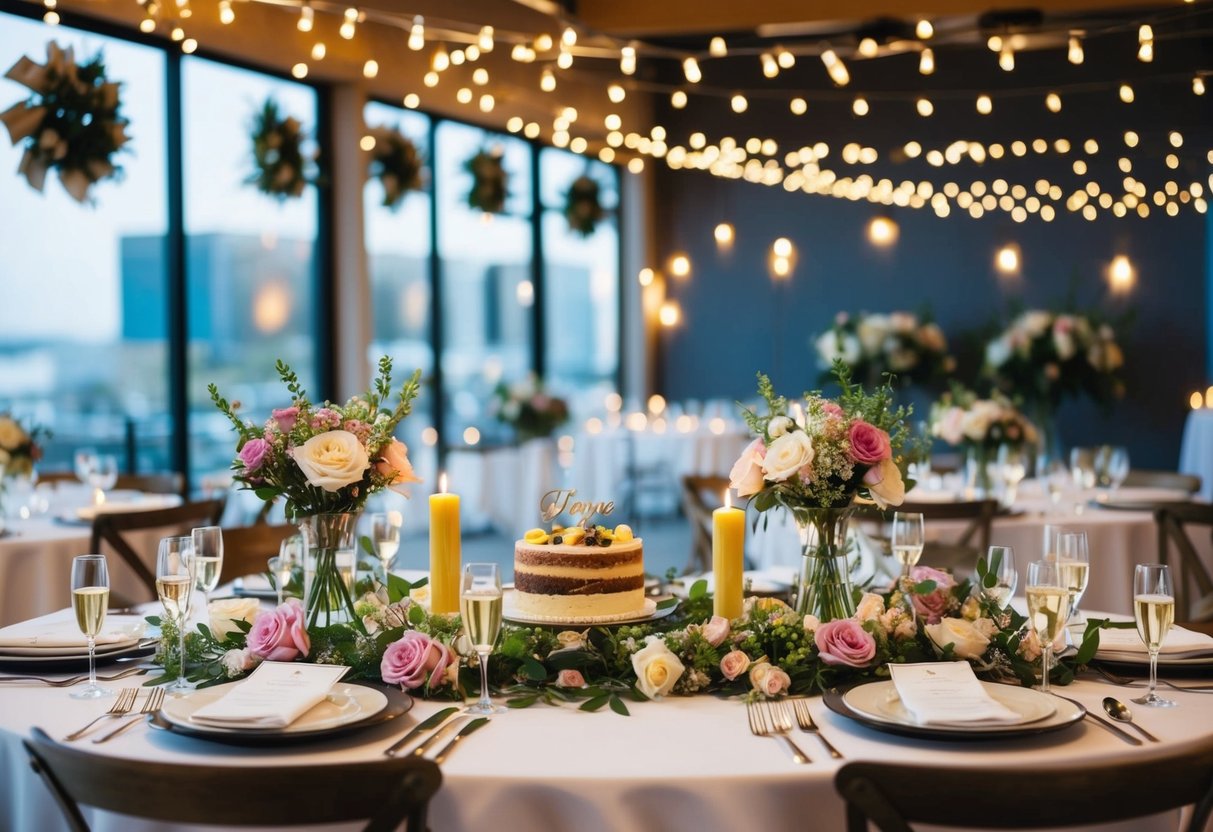
Creating a realistic budget breakdown is essential to keep your spending on track. Begin by researching the average wedding costs in your area, as these can vary significantly. You want to ensure that you allocate funds for all key elements, from floral arrangements to photography, so you don’t overlook any crucial details.
By knowing how to structure your budget, you can enjoy the planning process without the stress of unexpected expenses. Plus, with a solid understanding of where your money should go, you can create a memorable day that aligns with your vision and financial goals.
Understanding Your Wedding Budget
Creating a wedding budget is essential for planning your special day. You need to identify key components, set a realistic budget, and use tools like checklists and calculators to stay on track. Here’s a closer look at these important aspects.
Components of a Wedding Budget
Your wedding budget is made up of several key components. Start by listing the major expenses you will face, such as venue fees, catering, and attire. These usually take up the largest portions of your budget.
Typical wedding budget percentages:
- Venue: 35-40%
- Catering: 20-25%
- Photography: 10-15%
- Flowers & Decorations: 10%
- Attire: 5-10%
Consider each cost carefully to ensure you’re prepared for all expenses. Don’t forget smaller costs like invitations, favors, and music. Keeping a detailed breakdown helps prevent surprises.
Setting a Realistic Budget
Once you understand the components, it’s time to set your budget. Start by deciding how much you can realistically spend. Consider your financial situation and any contributions from family or friends.
Research the average cost of a wedding in your area. This gives you an idea of typical expenses you might encounter. It’s also wise to account for unexpected costs. Setting aside an extra 5-10% can cover these surprises.
Be honest about what is important to you. Prioritize elements that matter most, whether it’s food, venue, or entertainment. This ensures you’re making choices that reflect your vision.
Wedding Budget Checklist
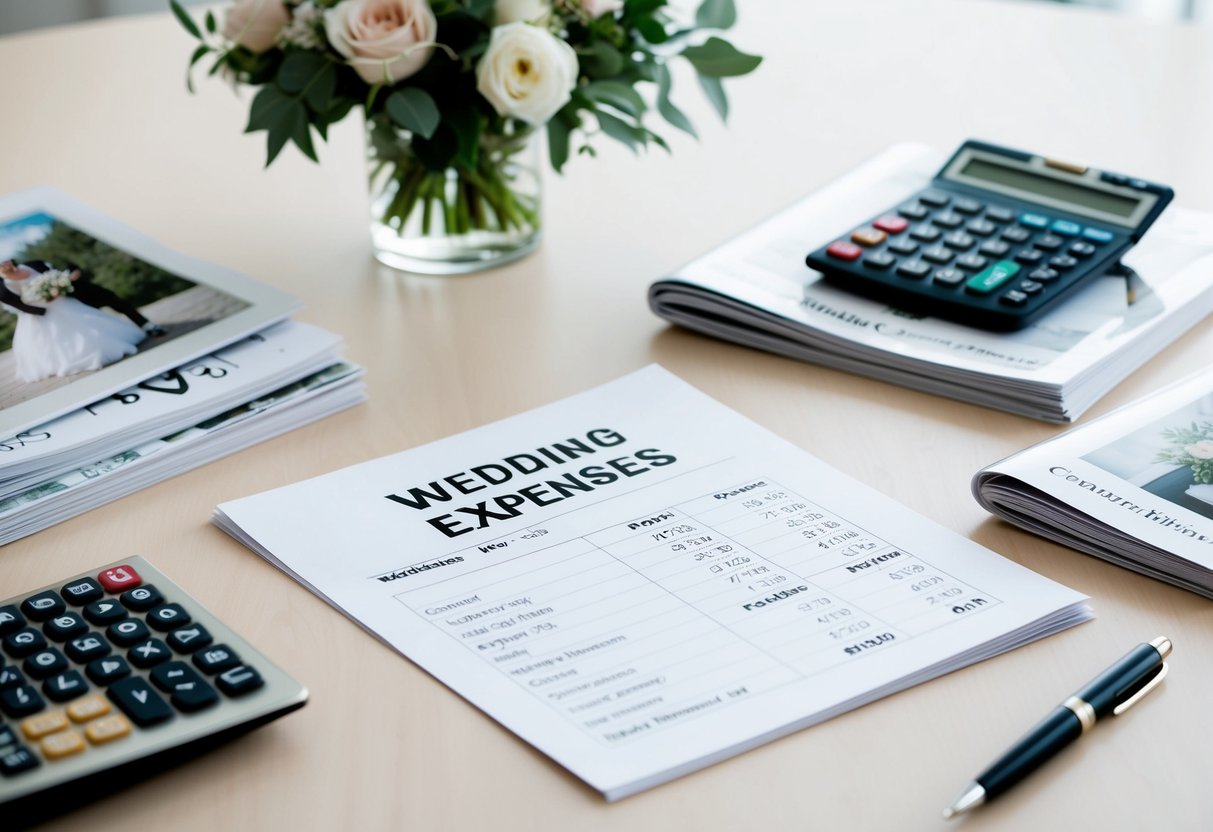
A wedding budget checklist helps keep you organized. Make a list of essentials, from the venue to the honeymoon, and allocate costs to each category. Use a simple table like the one below to track expenses:
| Expense | Estimated Cost | Actual Cost |
|---|---|---|
| Venue | $10,000 | $9,500 |
| Catering | $5,000 | $5,200 |
| Photography | $3,000 | $3,000 |
| Flowers & Décor | $1,500 | $1,200 |
| Total | $19,500 | $18,900 |
This helps keep everyone on the same page and ensures you don’t overlook anything. Check off items as you finalize them to stay motivated and focused.
Wedding Budget Calculator
Using a wedding budget calculator can streamline the budgeting process. Many online tools allow you to input your expenses to see how they align with your budget. This visual representation simplifies complex data.
Budget calculators also help you adjust your estimates in real time. For example, if you find that catering is more expensive than expected, you can rearrange other categories to compensate.
These calculators can also give personalized tips based on your budget. This way, you can make informed choices that fit your dream wedding within your financial means. With careful planning, you can celebrate your love without financial stress.
Key Elements of a Wedding
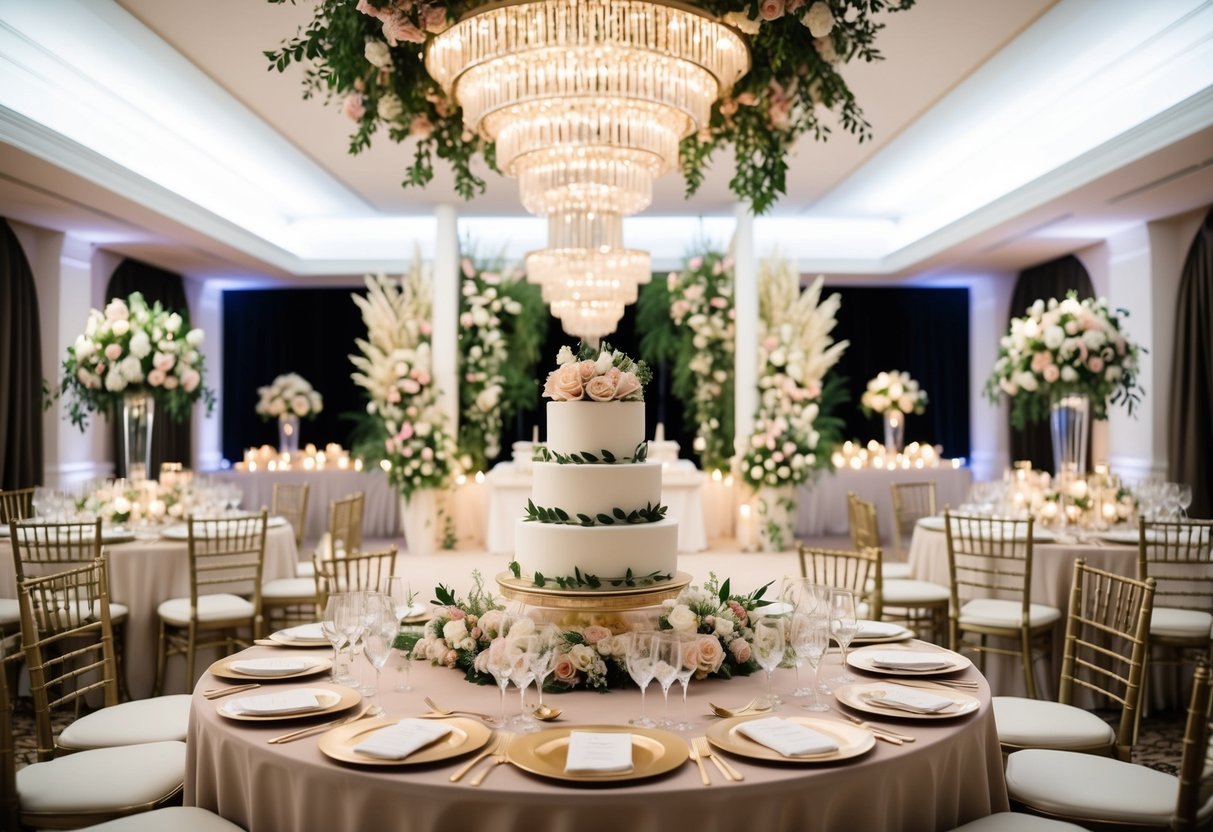
When planning your wedding, several key elements will shape your special day. Each of these components plays a critical role in the overall experience and budget. Focus on these areas to create the celebration you envision.
Venue and Catering
Choosing the right venue is crucial. Consider factors like location, capacity, and style. Popular options include banquet halls, outdoor gardens, or historic sites. Each venue will have different rental fees.
Catering is another major expense. Food and drink typically account for a significant portion of your budget. You can choose from buffet-style meals, plated dinners, or even food stations. Don’t forget the wedding cake! It can be both a centerpiece and dessert.
Photography and Videography
Capturing your special moments is essential. A skilled photographer will provide you with timeless pictures to cherish. Look through portfolios and seek recommendations to find someone whose style you love.
Videography is another great option. A professional videographer can create a beautiful record of your day. Ensure they understand what moments are most important to you. Discuss packages to choose what fits your needs best.
Attire for the Bride and Groom
Your wedding attire sets the tone for the day. For the bride, this often means selecting a wedding dress that reflects her style. Explore various styles and try on different options. Look for dresses that fit your budget and vision.
Don’t overlook the groom’s attire, too. Whether it’s a tuxedo or a suit, make sure it complements the bride’s outfit. Plus, don’t forget about accessories like shoes, ties, and cufflinks.
Flowers and Decor
Flowers and decor enhance your wedding’s atmosphere. Start by considering your color scheme and theme. From bouquets to centerpieces, flowers add beauty.
Work with a florist to find blooms that fit your budget and style. Discuss options for ceremony decor and reception centerpieces.
Decor goes beyond flowers. Think about lighting, table settings, and additional decorations. Creative touches can make a big impact on your wedding’s overall feel.
Additional Wedding Considerations
When planning your wedding budget, it’s important to include additional elements that can enhance your special day. From music options to stationery and gifts, each detail contributes to the overall experience.
Music and Entertainment
Choosing the right music sets the tone for your wedding. You have several options, including hiring a DJ or a live band. A DJ can offer a wide variety of reception music and keep the dance floor lively. If you opt for a live band, they can create a unique atmosphere with ceremony musicians and special performances.
Think about what fits your style and budget. A DJ might be more cost-effective, while a live band can add a personal touch. Budget around $1,000 to $2,500 for a DJ and $2,000 to $7,000 for a band, depending on their popularity and experience. Don’t forget to consider any additional entertainment like photo booths or dance performers, which can be great for keeping guests engaged.
Stationery and Invitations
Your wedding invitations set the stage for your big day. Quality wedding stationery should reflect your style and provide important details for your guests. When choosing your invitations, think about the design, materials, and envelope options to make a strong first impression.
Budget carefully for invitations, as costs vary based on customization. Expect to spend anywhere from $300 to $800 for a set of 100 invitations. Remember to include costs for other stationery like save-the-dates, programs, and menus. It’s a good idea to add a few extras for last-minute guests or mistakes.
Gifts and Favors
Wedding favors are a sweet way to thank your guests for attending. Consider useful or personalized options that reflect your personalities. Common choices include mini succulents, sweets, or personalized items like coasters or magnets.
Budget for wedding favors within $2 to $5 per guest. If you have a guest list of 150, that adds up quickly. Additionally, think about gifts for your wedding party. A thoughtful gift—like a personal item or an experience—can show your appreciation and could cost anywhere from $20 to $100 per person.
Beauty and Makeup
On your wedding day, looking and feeling your best is a top priority. Consider hiring a professional for makeup and hairstyling. This investment can help you achieve the look you’ve always dreamed of and ensure you look great in photos.
Budget around $150 to $300 for a makeup artist, or check if they offer packages for the bridal party. Don’t forget to include expenses for a trial run. Additionally, consider skincare preparations in the months leading up to your wedding for healthy skin. Having a set routine will help you glow on your big day.
Finalizing Your Wedding Plan
As you get closer to your wedding day, focus on the details that ensure everything runs smoothly. It’s time to manage your guest list, plan for unexpected expenses, and understand the legalities of getting married.
Managing Guests and Guest Count
Your guest count is key to your budget and overall planning. Start by creating a list of people you can’t imagine celebrating without. This will give you a clear idea of your minimum numbers.
Consider how your guest list impacts your reception venue and food costs. Catering typically charges per person, so more guests mean a bigger bill. It’s helpful to use a wedding budget template to track these expenses.
Keep in mind that hidden costs may arise, such as extra chairs or table settings. Communicate with your venue and vendors to ensure you understand their pricing fully. Before sending invites, confirm your final list to avoid last-minute changes.
Unexpected Costs and Emergency Fund
Planning for unexpected costs can prevent stress later. Aim to set aside a percentage of your total budget, typically around 10-15%, as an emergency fund.
This money can cover surprises, like needing to upgrade your venue or additional rentals. Always ask your vendors about potential hidden fees, such as overtime charges for the reception.
You might also consider factors like weather for a destination wedding. If the forecast shows rain, you might need a backup tent or location, which can add to costs. Having that extra cushion can provide peace of mind as your big day approaches.
Legal Aspects and Marriage License
Don’t forget the legal side of your wedding. You need to get a marriage license before walking down the aisle. Research the requirements in your state or country and apply well in advance.
Most places require you to apply in person and may charge a fee. You’ll usually need to present ID and possibly provide additional documentation.
Check if you need to be married by a licensed officiant, as this varies by location. Understanding these requirements ahead of time helps you avoid hassle as your wedding day nears. Make sure to keep all necessary documents organized and accessible.