
What Is a Bridesmaid Called If She Married? Exploring the New Title and Role
When it comes to weddings, you might wonder what to call a married bridesmaid. Typically, a married bridesmaid is referred to as a matron of honor. This title highlights her marital status while still showing her important role in the wedding, whether she is the main support for the bride or part of the larger wedding party.
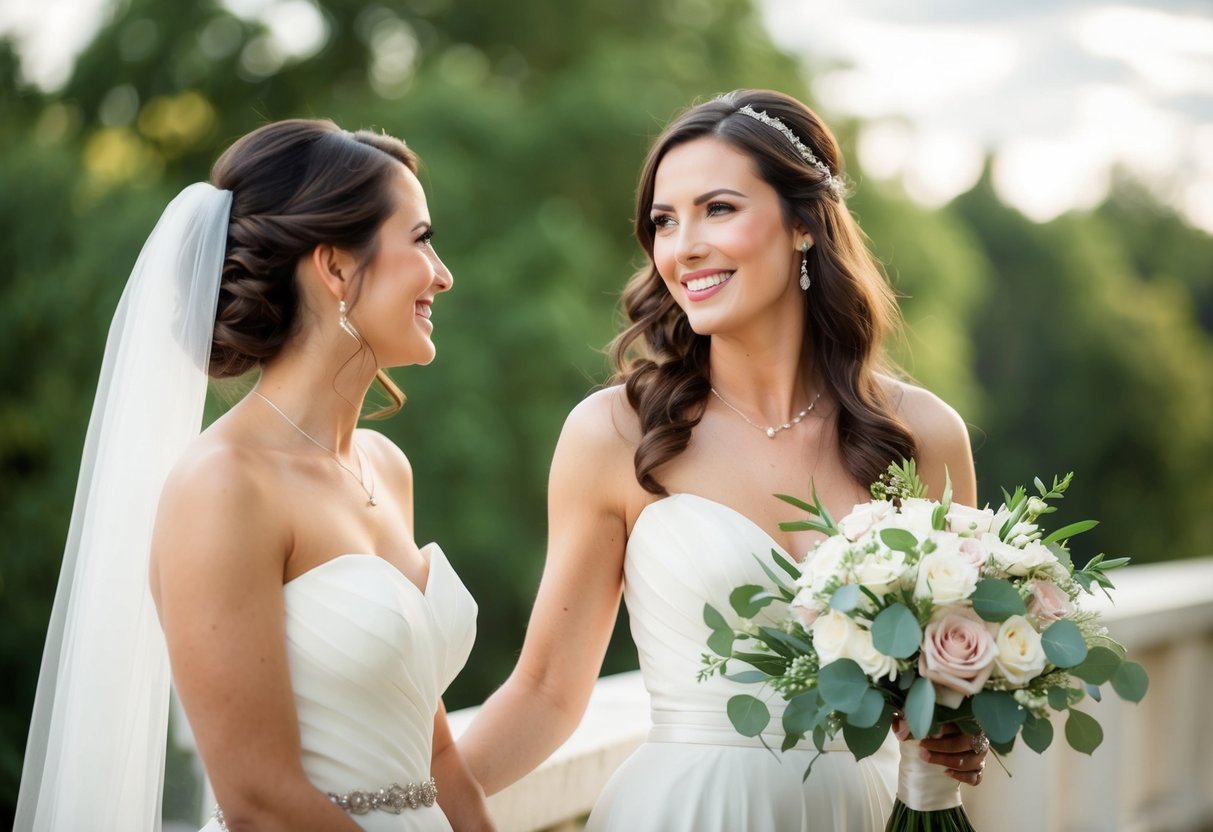
Understanding this term can help you navigate important wedding planning details. Having a matron of honor can bring additional experience and advice to the table, especially if she has already gone through the wedding process herself. It’s great to celebrate the love and support of your married friends during your special day.
Roles and Responsibilities of Bridesmaids
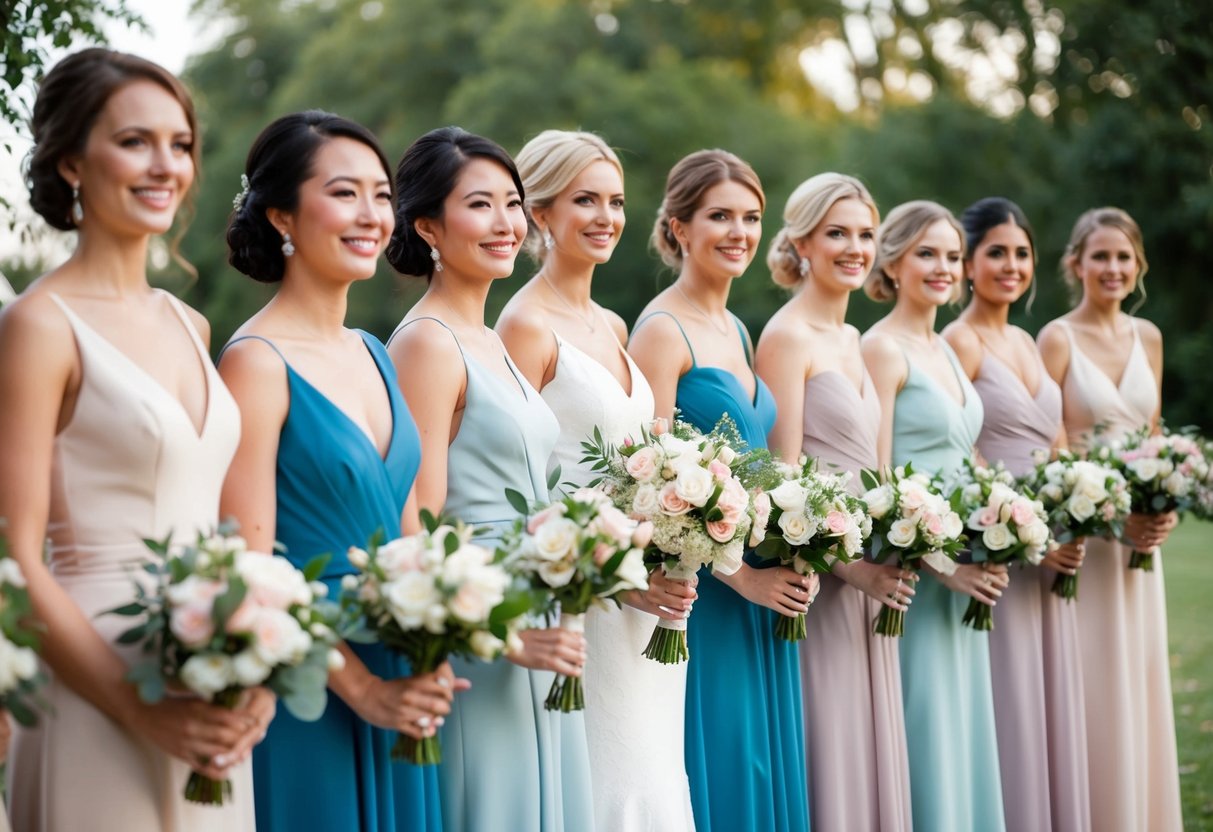
As a bridesmaid, you play an important role in supporting the bride through various stages of the wedding process. Your duties involve both practical tasks and emotional support that can make a big difference.
Duties Before the Wedding Day
Before the big day, your responsibilities include helping with wedding planning tasks. You may assist the bride in selecting her gown and the dresses for the bridal party. This is also the time for organizing events like the bridal shower and bachelorette party. You can offer to plan games, decorations, and any other fun elements.
Another important duty is to mentally support the bride during this stressful time. Wedding planning can be overwhelming, and your emotional support will help keep her spirits up. Remember to listen to her concerns, celebrate small victories, and offer to lend a hand wherever needed. Your presence and willingness to help will mean a lot.
Roles During the Wedding Ceremony
On the wedding day, your role becomes even more vital. You will likely get ready alongside the bride, assisting her with hair, makeup, and any last-minute details. Being photo-ready is also essential, as you will feature in many pre-ceremony and ceremony pictures.
During the ceremony, you need to be attentive and supportive. Whether it’s holding the bride’s bouquet or ensuring that the flower girl knows where to go, staying focused is key. Your energy can help create a joyful atmosphere before the bride walks down the aisle. Engaging with guests and being present throughout will also enhance the celebration.
The Transition from Bridesmaid to Matron of Honor
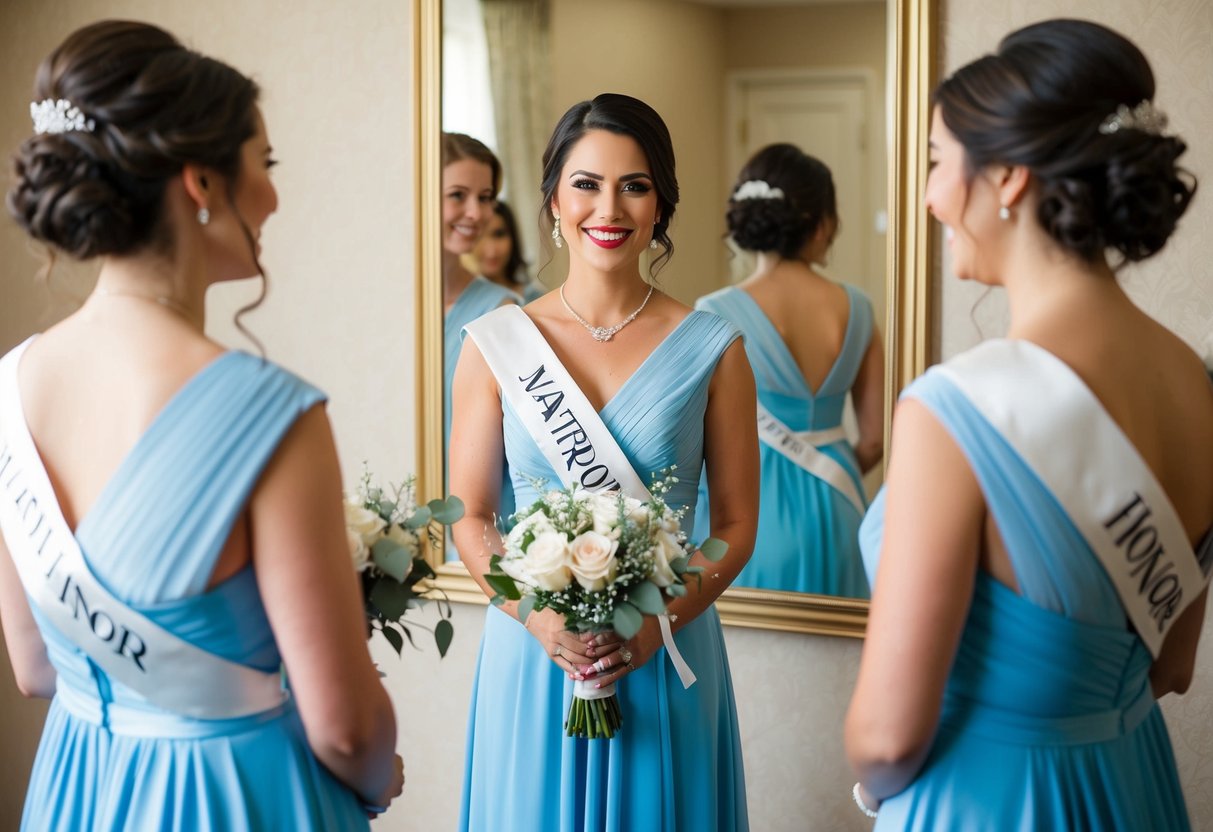
When a bridesmaid gets married, her title changes to matron of honor. This transition is not just about the name; it often comes with new responsibilities and expectations. Understanding these differences can help you navigate your role with ease.
Understanding the Title Change
The term “matron of honor” distinguishes a married woman from an unmarried bridesmaid, often referred to as the “maid of honor.” While both roles can involve similar responsibilities, the matron of honor may bring her unique experience as a wife to the duties.
A chief distinction is the perspective that a matron of honor can offer. Her status can influence how she interacts with the bride and other wedding party members. You might find that this change fosters a deeper bond with the bride, as you can relate to her on a new level.
Expectations of a Matron of Honor
As a matron of honor, your responsibilities expand a bit compared to your time as a bridesmaid. You may be expected to offer guidance based on your own marriage experiences, which can be invaluable to the bride.
Some tasks that lie ahead include organizing events like bridal showers and managing logistics on the wedding day. You might also take on the role of a mentor, helping the bride with planning details or emotional support. This role exemplifies the idea of a principal bridesmaid, focusing on the well-being of the bride during this special time.
Wedding Party Etiquette and Attire
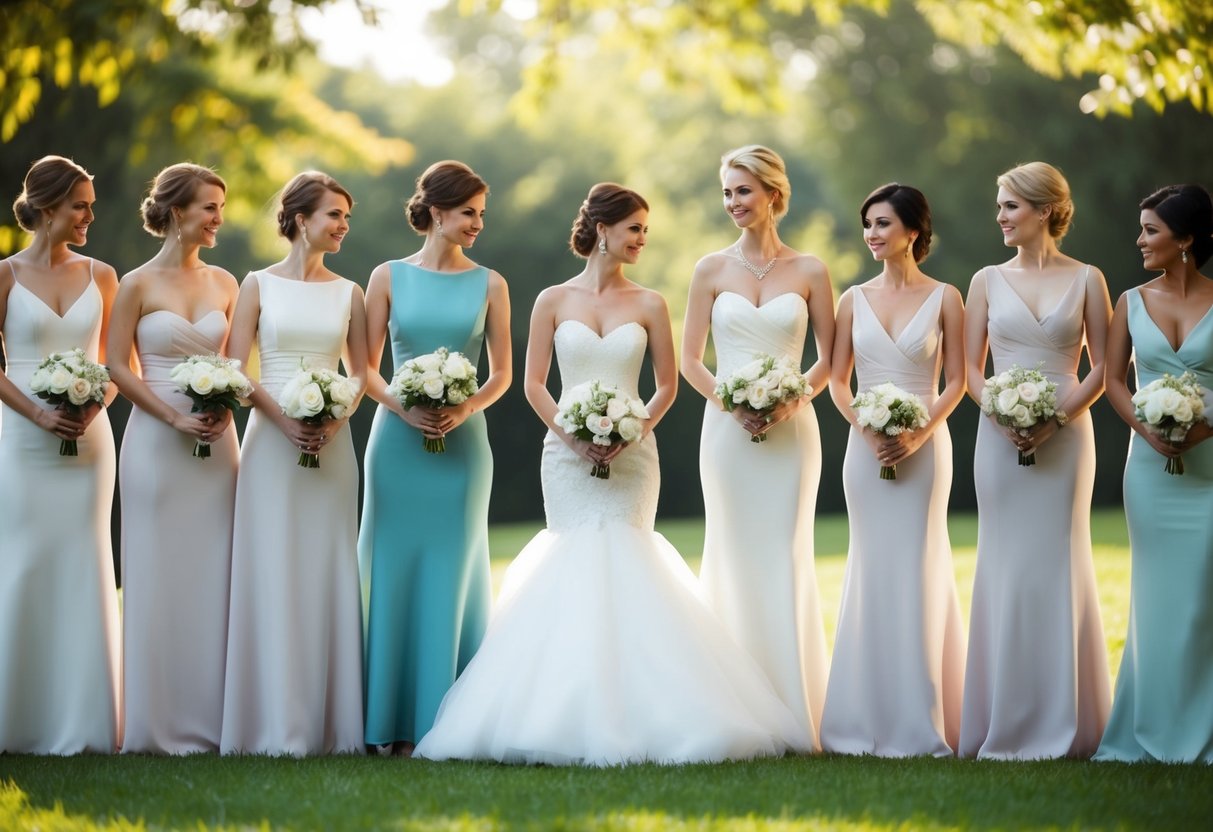
When you’re part of the wedding party, understanding etiquette is important. If you’re a married bridesmaid, you may be called a matron of honor. Your role is to support the bride while ensuring everything runs smoothly.
Attire Choices
As a married bridesmaid, your attire is typically a bridesmaid dress. This dress should complement the bride’s wedding dress. Talk to the bride about styles that fit the wedding theme.
Different Roles
In the wedding party, you might work alongside the maid of honor, junior bridesmaids, or groomsmen. Each role has unique responsibilities. For example, the best man helps the groom, while you help the bride with pre-wedding parties and planning.
Dress Considerations
Here are some attire tips for bridesmaids:
- Coordinate with the bride on color schemes.
- Choose a dress style that is comfortable.
- Pay attention to dress length and fabric for the season.
Respecting Wedding Guests
Always remember to be respectful to the wedding guests. It’s essential to be welcoming and assist them as needed. Your support contributes to a joyful atmosphere on the big day.
Cultural Variations and Evolution of the Bridesmaid Role
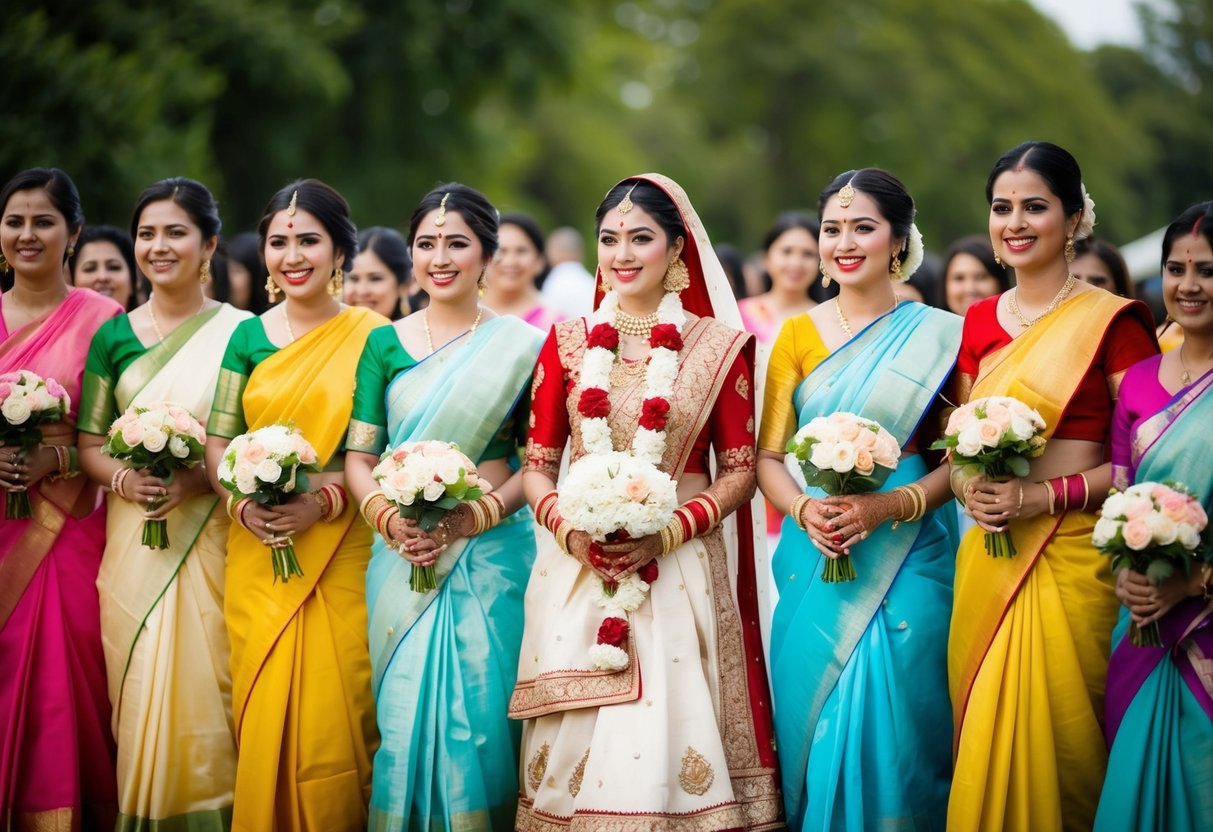
Bridesmaids have a rich history that varies across cultures and time periods. Traditionally, in many societies, unmarried women were expected to be bridesmaids. They provided support to the bride during wedding events.
In the Victorian era, bridesmaids began wearing similar dresses to the bride. This was to blend in and avoid drawing attention away from her. The role was mainly filled by close friends or sisters of the bride.
In modern contexts, the term “bridesmatron” is often used for married women who take on this role. This reflects evolving traditions where having a married friend by your side is common.
You might also hear the terms “chief attendant” or “best woman,” especially when men are included in the wedding party. This shows the growing acceptance of diversity in wedding roles.
“Cultural ceremonies” have shaped how bridesmaids are chosen. For instance, in some regions, a “bridesman” supports the bride.
Today, wedding traditions continue to evolve, allowing for personal choices. Whether you choose a mix of married and unmarried friends or even men of honor, your wedding party can reflect your unique style and values.