
What Is a Celebrant? Understanding Their Role in Life’s Special Moments
A celebrant is a person who performs ceremonies, often focusing on meaningful life events. They can lead weddings, memorial services, or other special occasions in a way that reflects the beliefs and values of those involved. Whether you want a traditional ceremony or something more unique, a celebrant can tailor the experience to fit your needs.
If you’ve ever wondered who creates those personal touches at events, a celebrant is usually behind the scenes, crafting ceremonies that resonate deeply with participants. They work closely with individuals to ensure the ceremony captures the essence of what that moment means to you.
Choosing a celebrant can make all the difference in your ceremony. Their expertise and creativity can turn a standard event into something truly memorable. You might find that hiring a celebrant is the perfect way to celebrate your special moments in life.
Roles and Responsibilities of a Celebrant
As a celebrant, you play a vital role in creating memorable ceremonies. Your responsibilities encompass leading events, personalizing experiences, and handling legal requirements. Each aspect ensures that the ceremony reflects the unique love story of the couple and meets legal standards.
Leading Ceremonies
You lead the ceremony, welcoming guests and presenting the couple. Your presence sets the tone. You guide everyone through the different parts, including the exchange of vows, readings, and any special rituals.
It is essential to follow a ceremony script. This script serves as a roadmap for the event. You can include personal touches, like anecdotes about the couple. Also, you manage transitions between different segments, ensuring everything flows smoothly.
You may also incorporate music to enhance the atmosphere. Choosing the right songs can make moments even more special. Your skill in leading ceremonies helps create an engaging experience for everyone involved.
Creating Personalized Experiences
Crafting a personalized experience is at the heart of your role. You work closely with the couple to understand their story, values, and preferences. This includes discussing their chosen readings, poems, or any special music they want to include.
Your task is to weave these elements into a unique ceremony. You create a script that reflects the couple’s relationship and personality. This customization makes each ceremony feel special and meaningful.
Involving guests can also add to the experience. You might ask them to share thoughts or participate in unity rituals. This participation can deepen the connections during the ceremony, making it memorable for everyone.
Legal Aspects and Documentation
As a celebrant, you handle important legal aspects related to ceremonies. Certain ceremonies require you to ensure that all legal documents are prepared and filed correctly.
It’s crucial that you are familiar with local laws surrounding marriage licenses. You will help the couple by outlining any necessary steps. This may include guiding them on gathering required documentation. Your support ensures the couple can focus on their special day without worries about the legalities.
After the ceremony, you also play a role in completing and submitting required paperwork. This might involve ensuring that the marriage certificate is signed properly. Your attention to these details helps make the process smooth and worry-free for the couple.
Types of Celebrants
Celebrants play important roles in various ceremonies. They can hold different beliefs and practices, catering to diverse preferences for weddings and other events. Here, you’ll learn about the main types of celebrants you might consider for your special occasion.
Religious and Secular Celebrants
Religious celebrants focus on ceremonies tied to faith. These officiants include priests, bishops, and ministers who guide you through rituals like the Eucharist. They often follow specific religious traditions and requirements.
On the other hand, secular celebrants are not linked to any religion. They provide a flexible approach for couples wanting a ceremony that reflects their personal beliefs. This option allows you to customize the event without religious constraints.
Independent and Humanist Celebrants
Independent celebrants operate outside of traditional religious settings. They can legally officiate ceremonies in many places. Because they are not bound by specific doctrine, they offer a personalized experience that fits your style and wishes.
Humanist celebrants focus on non-religious values like compassion and equality. They conduct ceremonies grounded in humanist beliefs, making them perfect for those who want a meaningful yet secular event. Both independent and humanist celebrants provide a creative way to celebrate your union.
Specialized Celebrants
Specialized celebrants cater to specific needs and events. For example, there are celebrants who focus solely on naming ceremonies, memorials, or vow renewals. This expertise can help you create a unique and memorable experience.
Additionally, some celebrants embrace cultural traditions. They may incorporate rituals from various cultures or religions into the ceremony. This allows you to honor your heritage while making the event personal and special. Whatever your needs, specialized celebrants work to make your gathering exactly what you envision.
Celebrants in Various Ceremonies
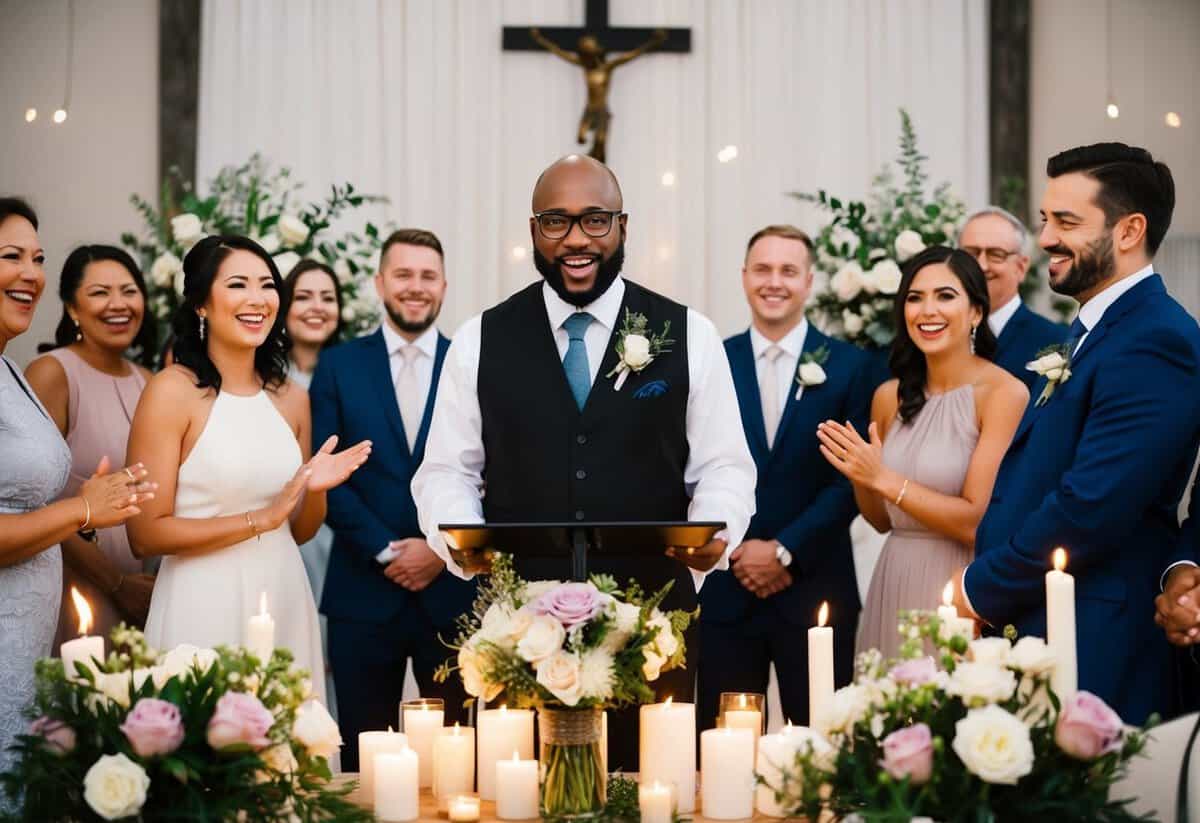
Celebrants play a crucial role in many life events, helping you create memorable ceremonies. From weddings to funerals and other celebrations, they bring a personal touch to each occasion. Here’s how they fit into different ceremonies.
Weddings
In wedding ceremonies, a celebrant helps make your special day unforgettable. They work closely with you to understand your vision and preferences. This includes discussing vows, readings, and personal touches that reflect your relationship.
A wedding celebrant can customize your ceremony, ensuring it feels unique. They handle all the rituals and planning, allowing you to focus on enjoying the moment. Whether you want a traditional ceremony or something more modern, they can accommodate your wishes.
Having a celebrant at your wedding means you get a professional who is skilled in public speaking. Their guidance ensures everything flows smoothly, creating a joyous atmosphere for you and your guests.
Funerals
For funerals, a celebrant offers support during a difficult time. They help you honor a loved one’s life by creating a meaningful tribute. This includes personalizing the service with stories, poems, and music that reflect the deceased’s personality.
Celebrants are sensitive and understanding, making them suited for this role. They can collaborate with funeral directors to ensure all details are covered. You can trust them to conduct the service respectfully and professionally.
Their presence allows you to grieve while they manage the ceremony’s logistics. This gives you and your family the space to connect and reflect on cherished memories.
Other Life Celebrations
Celebrants also play an important role in various life celebrations. This can include milestone birthdays, baby naming ceremonies, and vow renewals. Each event is tailored to your specific needs, bringing a personal flair.
For a baby naming, for example, a celebrant helps you celebrate new beginnings with loving words and rituals. For vow renewals, they can help you reflect on your journey together and voice meaningful promises again.
These celebrations can be intimate or grand, and celebrants adapt to your preferences. Their skills in public speaking and ceremony creation ensure that these special moments become treasured memories for you and your participants.
Symbolism and Rituals in Ceremonies
Ceremonies are powerful occasions that often incorporate various symbolic elements and rituals. These aspects deepen the meaning of the event and enhance the experience for everyone involved. Understanding how to include these elements can make your celebration even more memorable.
Incorporating Symbolism
Symbolism plays an important role in ceremonies. It often reflects personal values, beliefs, and traditions. For example, exchanging wedding rings is a classic symbol of love and commitment.
You can also incorporate symbols that represent your unique relationship. This might include items that have special meaning to both of you or cultural symbols that resonate with your heritage.
Common symbols to consider:
- Unity candles to represent the coming together of two lives.
- Handfasting cords symbolizing the tying together of your futures.
- Sand ceremonies showcasing the blending of your individual lives.
These elements invite revelers to participate actively and create a shared experience.
Choosing the Right Rituals
Choosing the right rituals can enhance the emotional depth of your ceremony. Collaborating with a celebrant allows you to explore various options and select those that resonate most with you and your guests.
Consider rituals that can involve your revelers. This can make them feel included and strengthen the bond among everyone.
For instance, family unity rituals, such as a family blessing, are great choices. You might also want to consider unique activities that reflect your interests or hobbies. This could be a favorite song, a shared game, or an artistic expression during the ceremony.
Pick rituals that align with your values and are meaningful to you. The more personal these elements are, the more they will enhance your special day.